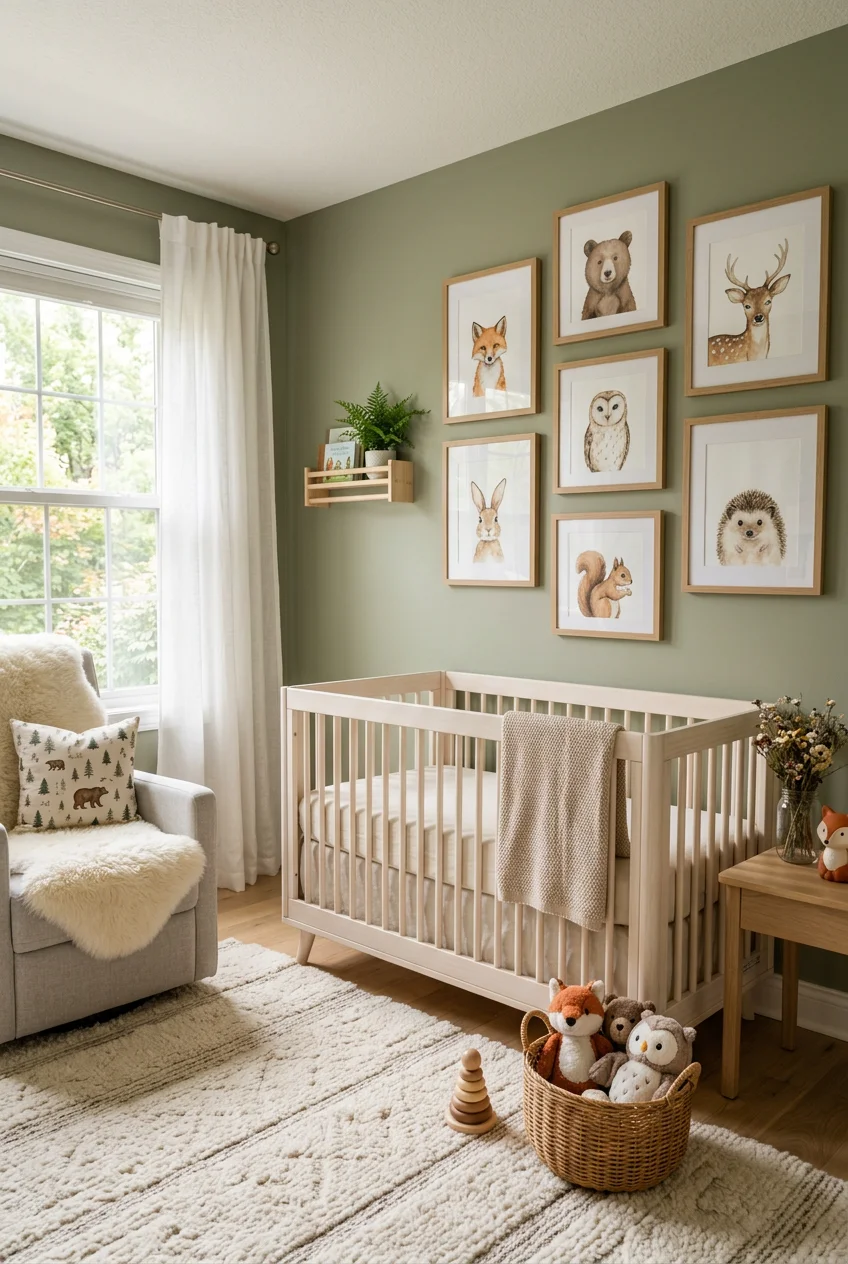
What’s Inside
- Dimensional Art Over Flat Decals
- The “Gravity Corridor” Safety Rule
- Muted Earthy Color Palettes
- Warm Minimalism with Macrame
- Triptychs Above a Standard Crib
- PVC-Free Eco-Certified Decals
- Floor-Level Mushroom Decals
- Unframed Canvas Prints
- Budget-Friendly Digital Bundles
- Custom Wooden Name Signs
- Strict No-Glass Framing Zones
- Handcrafted Small Shop Finds
- Flora and Fauna Accent Wallpaper
- Educational Woodland Posters
- Start with the Rug Layout
- Textured Fabric Animal Heads
- Floating Wood Ledges for Book Art
Most folks hang heavy, glass-framed woodland art right over the crib and wonder why they can’t sleep. It’s a massive safety hazard. Picking the right nursery art means balancing looks with sleep-deprived reality. You need pieces that feel cohesive without turning the room into a danger zone. If you only try one idea here, make it #2. Establishing a proper gravity corridor prevents injuries, letting you decorate without the constant anxiety of falling frames. No exaggeration.
Skip this list if you’re set on the high-contrast black-and-white aesthetic. These earthy, muted woodland concepts rely on soft textures and muddy tones. They won’t fit into a cold, clinical nursery.
1. Dimensional Art Over Flat Decals

Flat vinyl decals are everywhere. But optometrists point out a flaw: they don’t help a baby develop depth perception. Instead of a flat sticker, use framed prints with textured mats or wood cutouts. Pieces that cast a slight shadow give a baby something real to focus on. You can find dimensional woodland pieces at Target, usually under $50, that do this well. The layered wood adds actual depth. The catch: these gather dust fast, so you’ll need to wipe them down weekly to keep allergens away. Best for: nurseries with enough natural light to create those necessary shadows.
2. The “Gravity Corridor” Safety Rule

Expert consensus puts safety over a centered layout. To stop falling objects from causing harm, position the back legs of the crib exactly four inches from the baseboard. This creates a gravity corridor. If a frame falls, it slides down that gap instead of bouncing into the bed. It’s a rigid rule that dictates exactly where your art goes. You build the room around this space. Most people push the crib flush against the wall to save room, but that’s a mistake. The catch: moving the crib four inches out eats into floor space, which is a headache in smaller homes. I learned that the hard way.
3. Muted Earthy Color Palettes

Bright pastels are out. Calmer hues like sage green, warm oat, soft clay, and terracotta are taking over. These palettes create a soothing vibe that grows with the child. You won’t have to repaint when your toddler turns three. Look for canvas pieces at West Elm Kids featuring these tones. They pair well with natural wood furniture and organic cotton. It grounds the room without feeling cartoonish. The catch: these muddy colors can make a north-facing room look dreary without warm-toned lighting.
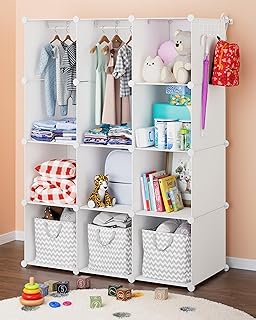
CUBEDIY Baby Closet Organizer for Nursery: Durable Baby
If you want something that just works, CUBEDIY Baby Closet Organizer for Nursery: Durable Baby Wardrobe for C is a safe bet (342 reviews, 4.5 stars).
4. Warm Minimalism with Macrame

Warm minimalism uses simple foundations with tactile details. Woven hangings add height and warmth without cluttering a small room. A large macrame piece from an Etsy seller usually runs $30 to $100 and fills a wall beautifully. It’s a soft, safe alternative to heavy frames near the changing table. The cotton rope adds a sensory element paint can’t provide. The catch: curious toddlers will pull the dangling strings once they stand up, potentially yanking the whole thing down. Best for: hanging well outside of a child’s reach.
5. Triptychs Above a Standard Crib

Proportions matter. For a standard 52-inch crib, a triptych layout spans the space perfectly. Three panels, each 12 by 24 inches, create a balanced look across 31 to 39 inches of wall. It anchors the furniture without dwarfing it. You can find pre-measured options at Crate & Kids. Breaking the art into three feels lighter than one massive canvas. The catch: aligning three separate frames on an uneven wall is maddening and requires a laser level. You might also like: 20 Toddler Room Decor Worth Trying
6. PVC-Free Eco-Certified Decals

Many traditional decals use toxic PVC vinyl that off-gasses. Brands like Dos Junior offer hand-painted, PVC-free, repositionable decals using eco-certified ink. This keeps the air quality safer for a baby who spends twelve hours a day in that room. The matte finish looks like actual paint rather than a shiny sticker. The catch: these are thicker than cheap vinyl, so they can peel if your walls have a heavy orange-peel texture. Best for: smooth, newly painted drywall. You might also like: 16 Baby Nursery Ideas Neutral Worth Trying

Criusia Drawer Organizer Clothes
If you want something that just works, Criusia Drawer Organizer Clothes is a safe bet (12 reviews, 4.5 stars).
7. Floor-Level Mushroom Decals

Try scattering large mushroom decals near the baseboards. Dos Junior sells oversized designs that anchor the room from the bottom up. It creates the illusion of a forest floor and makes the room feel immersive. It also gives a crawling baby something at eye level to interact with. The catch: placing decals near the floor means they’ll take a beating from the vacuum and mop, leading to scuffed edges. You might also like: 16 Toddler Room Inspiration for Every Budget
8. Unframed Canvas Prints

Unframed canvas prints offer a clean look and remove the risk of glass breaking. Ophelia & Co. makes sets of six 12-by-16-inch prints, usually priced between $100 and $150. They are lightweight, easy to secure, and don’t reflect glare like glass frames. The matte texture absorbs light well. The catch: unframed edges are prone to fraying or denting if they bump against a doorframe while you’re hanging them.
9. Budget-Friendly Digital Bundles

Digital printables are a lifesaver for tight budgets. A 70-piece woodland bundle on Etsy often costs around $10. You buy the files, pick the animals you want, and print them on heavy cardstock at a local shop. You control the sizing to fit your specific wall. The catch: buying custom-sized frames for these prints often negates the savings if you aren’t careful. Best for: tight budgets willing to thrift for secondhand frames.

Beautiful Wooden Baby Closet Dividers Set of 7
Beautiful Wooden Baby Closet Dividers Set of 7 – Double-Sided Organize is sturdier in person than the photos suggest — over 11 buyers gave it 4.5 stars.
10. Custom Wooden Name Signs

A custom name sign is a classic staple. Busypuzzle makes personalized wooden decor that adds a permanent identity to the space. A raw wood finish blends into a forest theme, adding that crucial organic texture. It works well above a dresser or changing table. The natural grain brings warmth to plain walls. The catch: these pieces often have a four-to-six-week lead time, so don’t wait until the last minute.
11. Strict No-Glass Framing Zones

Never hang glass above a crib or changing table. It’s non-negotiable. If a frame falls, broken glass is a disaster. Swap glass for shatterproof acrylic or plexiglass. You can get 1/8-inch acrylic sheets cut to size at most hardware stores for a few dollars. It looks just like glass but won’t shatter. The catch: acrylic scratches easily, so use a specialized plastic cleaner and microfiber cloth, not paper towels. Trust me.
12. Handcrafted Small Shop Finds

Big-box stores sell the same five woodland animals everywhere. Independent artists on sites like Teepee Joy offer customizable art that feels unique. Supporting small businesses means you get colors that don’t look like your neighbor’s nursery. You can request specific foliage to match your rug or curtains. The catch: small shops rarely accept returns on custom work, so be certain about your colors before ordering.

Criusia Over the Door Organizer
If you want something that just works, Criusia Over the Door Organizer is a safe bet (336 reviews, 4.5 stars).
13. Flora and Fauna Accent Wallpaper

An accent wall adds depth, making a small nursery feel larger. Rocky Mountain Decals offers heavy peel-and-stick wallpaper with dense patterns. It acts as a massive piece of art, reducing the need for dozens of cluttered frames. A single bold wall grounds the room without requiring a hammer. The catch: peel-and-stick wallpaper is notorious for ripping off patches of paint when removed, despite what the ads say. Best for: homeowners who don’t mind repainting later.
14. Educational Woodland Posters

Educational pieces like an ABC woodland poster serve two purposes. You can find illustrated posters on Etsy for $20 to $40. They look decorative now but become useful when the child starts recognizing letters. It’s practical decor that grows with the kid. The catch: the typography on these is often stylized and cursive, making it hard for a toddler to actually read the letters.
15. Start with the Rug Layout

A common mistake is buying art first and forcing the room to match it. Plan by starting with the rug. The rug dictates the shades of green, brown, or taupe you need. Pulling colors from a large textile ensures the room feels cohesive. It prevents the mismatched look that happens when you buy things piecemeal. The catch: rugs look different in store lighting versus natural daylight, which can throw off your color-matching strategy once it’s unrolled.

StorageWorks Hanging Closet Organizer with Metal Rod
StorageWorks Hanging Closet Organizer with Metal Rod punches above its price — 18 buyers rated it 4.5 stars. The kind of pick people reorder.
16. Textured Fabric Animal Heads

Instead of flat prints, mount plush fabric animal heads on the wall. Pottery Barn Kids carries these in linen and faux shearling. They add an organic, 3D element that breaks up the monotony of square frames. The soft texture even helps dampen echoes. The catch: they stick out several inches, making them easy for tall adults to bump into while navigating the room in the dark.
17. Floating Wood Ledges for Book Art

Use the covers of woodland books as art. Install shallow floating ledges from Walmart or Target and display books facing outward. It’s cheap, functional, and you can swap the art weekly without a hammer. You can even add a small vase with dried eucalyptus for extra texture. The catch: babies will realize they can pull the books down, so mount these ledges at least four feet high. Best for: parents with a large, colorful book collection.
How we chose these: we evaluated decor based on safety standards, renter-friendly installation, and visual impact. Options were prioritized if they offered tactile engagement or avoided hazardous materials like heavy glass.
Creating a woodland space doesn’t require plastering walls with generic bears. Focus on texture, safety, and muted tones for an intentional feel. Save these to your Pinterest board for planning, and you’ll avoid the usual decorating headaches. It took me years to figure out that simple is better.
Frequently Asked Questions
Is it safe to hang wall art directly over a crib?
It is generally unsafe to hang heavy or glass-framed art directly over a crib. If you must hang art there, use lightweight, unframed canvases or soft macrame, and pull the crib four inches from the wall to create a safe gravity corridor.
What colors work best for woodland nursery wall art?
Muted, earthy tones are highly recommended. Instead of bright pastels, look for sage green, warm oat, soft clay, muted blues, and terracotta. These colors create a calming environment and age well as your child grows.
What size art should go above a standard crib?
For a standard 52-inch crib, a triptych (three-panel set) spanning 31 to 39 inches total works perfectly. Three 12×24 inch panels provide balanced visual impact without dwarfing the furniture.
Are wall decals safe for a baby’s room?
Yes, but prioritize PVC-free decals printed with eco-certified inks. Traditional vinyl decals can off-gas toxins. PVC-free options are safer for indoor air quality, though they require smooth walls to stick properly.
