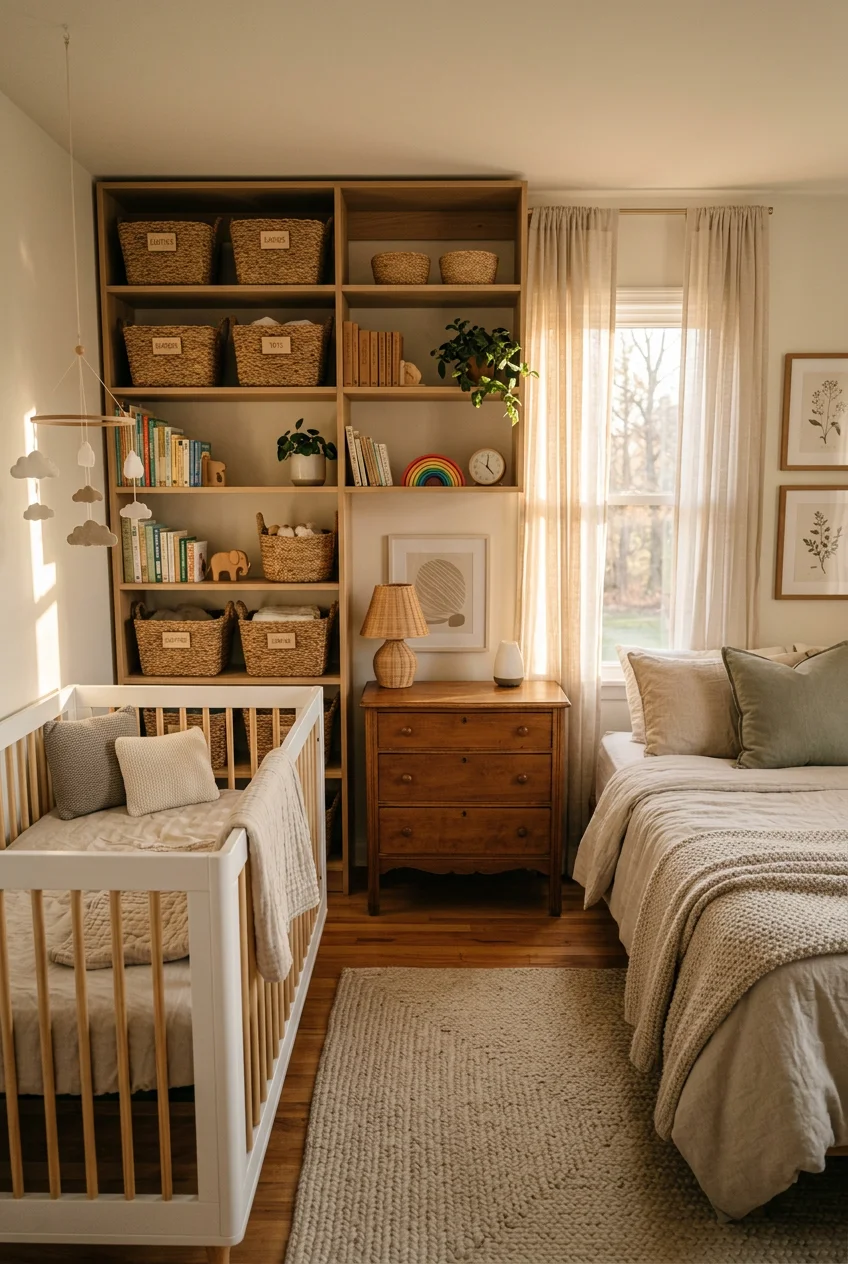
What’s Inside
- Maximize Vertical Space with Wall-Mounted Storage
- Implement Drawer Dividers for Tiny Apparel
- Create a Mobile Diapering Station with a Rolling Cart
- Utilize Under-Crib Storage for Less-Used Items
- Maximize Closet Space with Double Hanging Rods
- Invest in Multi-functional Furniture for Longevity
- Prioritize Closed Storage Over Open Shelving
- Embrace the “Collected Nursery” Trend of 2026
- Implement a Toy Rotation System to Manage Clutter
- Ensure Safety Through Organized Placement and Anchoring
- Use Clear Bins and Labels Extensively
- Leverage Over-the-Door Organizers for Hidden Storage
- Designate an Upright Laundry Hamper
- Create Activity Zones within the Room
- Avoid Overcrowding by Starting with Essentials
- Install Acrylic Bookshelves for Forward-Facing Books
- Utilize Back-of-Closet Dead Space
- Establish a Daily Outfit Planning Station for Toddler And Baby Room Organization
Most folks walk into a nursery, shove a bulky glider into the corner, pile stuffed animals onto open shelves, and wonder why the space feels like a chaotic toy store instead of a calming retreat. Proper organization requires real spatial planning, not just buying cute baskets. When a room lacks a logical flow, daily tasks like late-night diaper changes or finding a clean onesie become a nightmare. I’ve learned that the hard way. The visual noise of brightly colored plastic toys and overflowing laundry hampers ruins the mood. You can’t achieve a cozy refresh without first addressing the structural storage deficits. If you only try one idea from this list, make it #7. Here’s why: prioritizing closed storage over open shelving instantly eliminates visual clutter, requiring far less daily maintenance to keep the room looking pristine.
Skip this list if: You’re designing a temporary space you plan to move out of in less than three months, or if you prefer a highly chaotic, maximalist aesthetic where every item is visible at all times. These strategies focus heavily on concealed storage, structural organization, and long-term functionality, which requires an initial investment of time to set up properly.
1. Maximize Vertical Space with Wall-Mounted Storage

Most people leave the upper half of their nursery walls completely bare. It’s a waste of prime storage real estate. Installing wall-mounted storage above changing tables keeps essential items accessible to adults but safely out of reach of curious little hands. An IKEA TROFAST wall storage unit, fitted with six frosted plastic bins, transforms unused vertical space into a highly functional system. When mounting these, position the bottom shelf at least 48 to 60 inches above the floor. This height ensures a toddler can’t reach the heavy diaper cream jars or sharp nail clippers inside. The rigid plastic bins slide out smoothly. They’re way better than flimsy canvas baskets that sag when loaded with a 16 oz bottle of lotion or a stack of wet wipes. Wall storage also draws the eye upward, making a small room feel taller. The catch: installing heavy shelving requires locating wall studs and using heavy-duty drywall anchors. It’s a frustrating afternoon project if you aren’t comfortable with a power drill.
2. Implement Drawer Dividers for Tiny Apparel

Baby clothes present a unique spatial challenge. They’re so small that a standard dresser drawer quickly turns into an unmanageable jumble of cotton and snaps. Implementing drawer dividers allows you to categorize items by type or size, separating newborn onesies from 3-6 month pants. The mDesign Fabric Drawer Organizers offer instant structural boundaries within wide drawers. The stiff fabric sides prevent small socks from migrating into the bib section. A highly effective, yet rarely utilized technique is to roll, rather than fold, these tiny garments. Rolling a cotton bodysuit into a tight cylinder and placing it upright in a 4-inch wide divider slot saves space and lets you see every single item at a glance. No digging required. Best for: tight budgets where custom closet built-ins aren’t an option. The catch: fabric dividers can shift around if they don’t fit the exact interior dimensions of your drawer, requiring occasional readjustment.
3. Create a Mobile Diapering Station with a Rolling Cart

Stationary changing tables are standard, but a mobile diapering station offers superior flexibility. A tiered metal utility cart, such as the IKEA RÅSKOG, provides three levels of accessible storage. Stock the top tier with immediate necessities: a stack of diapers, a heavy wipe dispenser, and a 4 oz tube of barrier cream. Use the middle tier for spare onesies and burp cloths, and reserve the bottom tier for extra diaper packs or a small trash receptacle. The matte metal finish is easy to wipe down. The caster wheels allow you to pull the station directly next to a rocking chair for midnight changes, ensuring you can keep one hand on the baby at all times. Trust me on this. This setup prevents the dangerous habit of stepping away from the changing pad to grab a forgotten item. The catch: once your baby becomes a mobile toddler, they will inevitably view the rolling cart as a push-toy, requiring you to eventually relocate it to a closet or lock the wheels.

Modanais Baby Diaper Caddy Organizer Cart
Modanais Baby Diaper Caddy Organizer Cart – 3 Tier Rolling Cart with D has been one of the most consistently praised picks in this category. 688 reviewers averaged 4.5/5.
4. Utilize Under-Crib Storage for Less-Used Items

The space beneath a standard crib represents roughly 10 square feet of ignored floor space. Utilizing this for under-crib storage is essential for managing bulky, less frequently used items like seasonal clothing or extra crib sheets. Before buying containers, measure the exact clearance height and width under your specific crib model. Shallow, long plastic bins from Target or The Container Store work exceptionally well here. To maintain a cozy, elevated aesthetic, add a tailored crib skirt to completely conceal the storage bins. This prevents the nursery from looking like a crowded stockroom while keeping backup supplies just inches away. Best for: small, dark rooms that lack sufficient closet depth. The catch: the space under the crib is a magnet for dust bunnies. You have to pull the bins out completely to vacuum the area at least once a month.
5. Maximize Closet Space with Double Hanging Rods

Babies and toddlers simply don’t own clothing long enough to require a standard 60-inch drop from a single closet rod. Leaving that space open is highly inefficient. Adding an adjustable second hanging rod instantly doubles the hanging capacity for tiny clothes. You can find tension-based expander rods at Walmart that hang directly from the existing top bar, requiring zero tools. Pair this structural change with clear bins, like the Amazon Basics Collapsible Fabric Storage Cubes, placed on the upper shelves to sort out-of-season apparel. Sorting by precise age brackets in transparent containers ensures you never miss a sizing window. This vertical division transforms a basic closet into a high-capacity wardrobe. The catch: installing a second rod eliminates the ability to store tall items like large stuffed animals or an upright vacuum cleaner inside the closet.
6. Invest in Multi-functional Furniture for Longevity

Purchasing a standalone changing table is a common nursery design error. They serve a single, temporary purpose and quickly become obsolete. Investing in multi-functional furniture, specifically a dresser-changing table hybrid, ensures longevity. A piece like the Storkcraft Modern Convertible Baby Changing Table features a removable topper. During the diapering years, the topper holds a standard 32-inch changing pad. Once your child is potty trained, you remove the wooden frame, leaving behind a standard, sophisticated dresser that transitions into a big kid room. This approach keeps daily essentials close at hand while preventing the need to buy entirely new furniture three years later. The catch: these solid wood hybrid pieces are incredibly heavy and difficult to move, making room rearrangements a strenuous task. You might also like: 20 Stunning Layout Small Nursery Ideas That Are Totally Worth It

Modanais Baby Diaper Caddy Organizer Cart
Modanais Baby Diaper Caddy Organizer Cart – 3 Tier Rolling Storage Car has been one of the most consistently praised picks in this category. 347 reviewers averaged 4.5/5.
7. Prioritize Closed Storage Over Open Shelving

A prevalent mistake in modern nursery design is relying too heavily on floating shelves and open bookcases. They look appealing in magazine photos, but in a real home, they become a clutter magnet and a severe dust collector. Prioritizing deep, closed storage solutions like full-sized wardrobes or cabinets with solid doors is the most effective way to maintain a calm atmosphere. Hiding the visual noise of brightly colored cardboard book spines, mismatched plastic toys, and half-empty lotion bottles instantly makes the room feel cleaner and more intentional. As experts at Slumbersac frequently advise, closed storage is the foundational secret to a tranquil nursery. You spend less time meticulously arranging items and more time actually enjoying the space. The catch: out of sight often means out of mind. It’s easy to accidentally hoard outgrown clothes in the back of deep, dark drawers if you aren’t strict about purging. You might also like: 20 Clever Daycare Nursery Room Ideas You Can Try Today
8. Embrace the “Collected Nursery” Trend of 2026

The era of hyper-matching, heavily themed nurseries is over. The current trend focuses on a “collected nursery” aesthetic, moving away from primary colors and cartoon decals toward a layered, warm, and sophisticated space. This involves blending different textures and utilizing a muted color palette featuring tones like warm mushroom, cocoa brown, sage green, and greige. When organizing, choose storage baskets made from natural materials like water hyacinth or thick wool felt rather than stark, primary-colored plastic. Incorporate vintage-style wooden crates for book storage or brass-handled apothecary cabinets for small items. This approach ensures the organizational elements contribute to the room’s cozy, elevated atmosphere rather than looking purely utilitarian. Best for: design-conscious parents who want the nursery to blend seamlessly with the rest of their home’s decor. The catch: sourcing matching natural fiber baskets in specific dimensions is significantly harder and often more expensive than buying bulk plastic bins. You might also like: 18 Colorful Toddler Room for Every Budget
9. Implement a Toy Rotation System to Manage Clutter

Having every single toy accessible at all times overwhelms a toddler and guarantees a messy room. Implementing a strict toy rotation system is the most effective method for managing play clutter. Divide the toys into four distinct categories. Keep one category out on low, accessible shelves, and pack the remaining three away in opaque storage bins in a closet or garage. Rotate the bins every few weeks. This strategy keeps children highly engaged with fewer options and makes the evening cleanup routine manageable. A highly practical tactic for this system is using clear, heavy-duty silicone bags to store puzzles and wooden block sets. This prevents small pieces from getting lost at the bottom of large toy chests. The catch: maintaining this system requires strict discipline and a dedicated 30 minutes every few weeks to swap and sanitize the inventory.

Baby Sound Machine, Momcozy White Noise Machine for Baby
A dependable everyday pick — Baby Sound Machine pulls in 73 ratings at 4.5 stars. Not flashy, just solid.
10. Ensure Safety Through Organized Placement and Anchoring

Organization isn’t just about aesthetics. It’s fundamentally about safety. The placement of your furniture dictates the hazard level of the room. Position the crib strictly away from windows, heavy drapery cords, and baseboard heaters. Every tall or heavy piece of furniture, including dressers and bookshelves, must be securely anchored to the wall studs using metal brackets or heavy-duty nylon straps. Don’t rely on drywall anchors for tip restraints. Furthermore, ensure the crib you select has slats that are no more than 2 and 3/8 inches apart to prevent a baby’s head from becoming trapped. Organizing the room with these strict safety parameters in mind often dictates where the largest pieces of furniture must go. The catch: drilling heavy-duty anchors into wall studs leaves significant holes in the drywall that will require patching and repainting if you ever rearrange the room.
11. Use Clear Bins and Labels Extensively

When multiple caregivers, such as grandparents or babysitters, are navigating the nursery, opaque storage causes endless frustration. Using clear acrylic bins and a strict labeling system ensures everyone knows exactly where items belong. Products like the IKEA Trofast clear plastic bins or mDesign transparent refrigerator bins work perfectly on closet shelves. Use a label maker with bold, high-contrast tape to mark categories like “0-3M Bodysuits” or “Overnight Diapers.” This micro-level organization prevents the classic scenario of someone tearing through five different drawers just to find a clean pacifier at 2 AM. Best for: homes with multiple caregivers or parents who rely heavily on babysitters. The catch: transparent bins offer no visual grace. If you haphazardly throw items into a clear bin without folding them, the clutter is fully visible to anyone walking into the room.
12. Leverage Over-the-Door Organizers for Hidden Storage

The back of the nursery door or the interior closet door is frequently ignored. Over-the-door organizers provide excellent, completely hidden storage for smaller, awkward items that clutter up dresser tops. The IKEA RASSLA hanging storage organizer, which features multiple deep mesh compartments, is highly effective for storing toddler shoes, rolled swaddle blankets, extra bibs, or bulky tubes of diaper cream. Because the organizer hangs flush against the door, it utilizes zero square footage of the actual room. This is a crucial strategy for maximizing space in exceptionally tight floor plans where adding another piece of furniture is impossible. Best for: renters who are strictly prohibited from drilling holes into the walls or doors. The catch: adding a bulky organizer to the back of a door often prevents the door from opening completely flush against the wall, which can narrow the entryway slightly.

Night Light for Kids, Baby Night Light with Sound Machine
Night Light for Kids is sturdier in person than the photos suggest — over 57 buyers gave it 4.5 stars.
13. Designate an Upright Laundry Hamper

Baby clothes generate an astonishing volume of laundry. Relying on a flimsy, collapsible mesh hamper that tips over when full creates an immediate eyesore. Designate a sturdy, upright laundry hamper and place it within arm’s reach of the changing table. Brands like Sweetzer & Orange manufacture thick, woven rope hampers that hold their shape even when completely empty. A rigid structure is essential because it allows you to toss soiled clothes into the basket with one hand while holding the baby with the other. Choosing a hamper with a lid further conceals the mess and traps mild odors. The catch: a large, structured hamper takes up permanent floor space, meaning you have to sacrifice roughly two square feet of the nursery corner entirely to laundry storage.
14. Create Activity Zones within the Room

A room without defined zones feels chaotic. Nursery design consultants emphasize the importance of “zoning” the space to create specific areas for sleeping, playing, changing, and feeding. The sleep zone should be minimalist, containing only the crib, a tightly fitted sheet, and the baby monitor mounted safely away. The changing zone requires the dresser, diaper cart, and hamper. The feeding zone should feature a comfortable chair, a small side table for a water glass, and a dimmable lamp. By grouping the necessary organizational tools strictly within their respective zones, you streamline your daily routines. You won’t find yourself walking across the room to grab a burp cloth during a feeding. The catch: strict zoning requires a larger room. In a 10×10 nursery, the zones inevitably overlap, making it difficult to keep the play items completely separate from the sleep area.
15. Avoid Overcrowding by Starting with Essentials

A frequent error among first-time parents is filling every available square inch of the nursery with furniture and gear before the baby even arrives. This overcrowding makes the room feel cramped and highly impractical to navigate in the dark. Professional organizers advise starting strictly with the absolute essentials: a safe crib, a sturdy dresser equipped with a changing pad, and a supportive chair. Leave the rest of the floor space open. Babies require very little gear in the first few months, often sleeping in a bassinet in the primary bedroom anyway. By leaving empty space, you allow the room’s organization to evolve naturally based on your actual daily habits rather than your projected needs. The catch: starting with only the bare essentials means the nursery will look somewhat empty and unfinished in newborn photos, lacking the highly styled, heavily furnished look popular on social media.

YACHANCE Kids Sound Machine with Night Light Projector
YACHANCE Kids Sound Machine with Night Light Projector is sturdier in person than the photos suggest — over 71 buyers gave it 4.5 stars.
16. Install Acrylic Bookshelves for Forward-Facing Books

Standard deep bookcases are terrible for toddler and baby room organization. Small children choose books visually, by the cover, not by reading the spine. Stacking thin children’s books on a standard shelf leads to toddlers ripping every single book onto the floor to find the one they want. Installing shallow, clear acrylic wall ledges allows you to display books facing forward. This setup acts as both functional storage and colorful wall art. Mount the lowest ledge just a few inches off the floor so a crawling baby can reach their board books independently. The catch: forward-facing ledges hold significantly fewer books than a traditional deep bookcase, meaning you will have to store the bulk of your child’s library in a closet and rotate titles onto the display ledges.
17. Utilize Back-of-Closet Dead Space

Even with double hanging rods, most standard closets have 12 to 18 inches of dead wall space on the left and right sides, hidden behind the door frame. This is prime real estate for storing items you don’t need daily access to. Apply heavy-duty Command hooks to these hidden side walls to hang bulky items like sleep sacks, spare diaper bag backpacks, or baby carriers. You can also mount narrow, wire spice racks to these side walls to hold small bottles of baby wash, extra pacifiers, or nasal aspirators. Utilizing this perimeter space keeps the main shelves clear for clothing and daily essentials. The catch: accessing this dead space requires physically pushing the hanging clothes out of the way and reaching into the dark corners of the closet, which is inconvenient if you need the item in a hurry.
18. Establish a Daily Outfit Planning Station for Toddler And Baby Room Organization

Mornings with a toddler are notoriously difficult. Digging through drawers to find matching socks and a clean shirt while managing a squirming child adds unnecessary stress. Establishing a dedicated outfit planning station streamlines the morning routine. Mount a small, 5-hook rail on the wall or the side of the dresser. Every Sunday evening, sort and hang five complete outfits—including socks, pants, and tops—on these hooks for the upcoming week. This system eliminates decision fatigue and ensures you know exactly what fits and what is clean before the week begins. It also allows other caregivers to dress the child without asking where the clothes are. The catch: this highly efficient system requires you to sacrifice 15 to 20 minutes of your Sunday evening to meticulously check the weather, match items, and hang the clothes, demanding consistent weekly maintenance.
How we chose these ideas: The strategies outlined above were selected based on their structural impact, long-term adaptability, and cost-effectiveness. We prioritized solutions that address spatial inefficiencies, such as dead wall space and poor closet utilization, over purely decorative trends. Emphasis was placed on methods that physically separate items, enhance safety, and require minimal daily upkeep to maintain a clean aesthetic.
Organizing a nursery isn’t about achieving a picture-perfect look. It’s about creating a highly functional environment that supports the chaotic reality of raising a child. By implementing rigid drawer dividers, prioritizing closed storage, and utilizing vertical wall space, you build a room that works for you, not against you. Take the time to anchor your furniture and sort the tiny clothes—your future self will appreciate the effort during the next 3 AM wake-up call. Save this guide and pin these strategies to your nursery planning boards so you have a concrete blueprint when you’re ready to tackle the clutter.
Frequently Asked Questions
How do I organize baby clothes in a dresser?
Use rigid fabric drawer dividers to separate items strictly by type and size. Instead of folding, roll the tiny garments into tight cylinders and place them upright in the dividers. This saves significant space and allows you to see every item at a glance.
What is the best way to store toddler toys?
Implement a toy rotation system. Keep a small selection of toys out on accessible, closed shelving or in natural fiber baskets. Store the remaining toys in opaque bins in a closet, and rotate the inventory every few weeks to reduce visual clutter and maintain engagement.
How can I maximize space in a small nursery closet?
Install an adjustable second hanging rod to double the vertical hanging capacity, as baby clothes are short. Utilize the top shelves with clear, labeled acrylic bins for out-of-season clothing, and apply Command hooks to the dead wall space behind the door frame for bulky items.
Should I use open shelving in a baby room?
It is highly recommended to limit open shelving. Prioritize closed storage, such as dressers or wardrobes, to hide the visual noise of mismatched toys and brightly colored books. Closed storage requires less daily tidying and instantly makes the nursery feel calmer and more intentional.
