What’s Inside
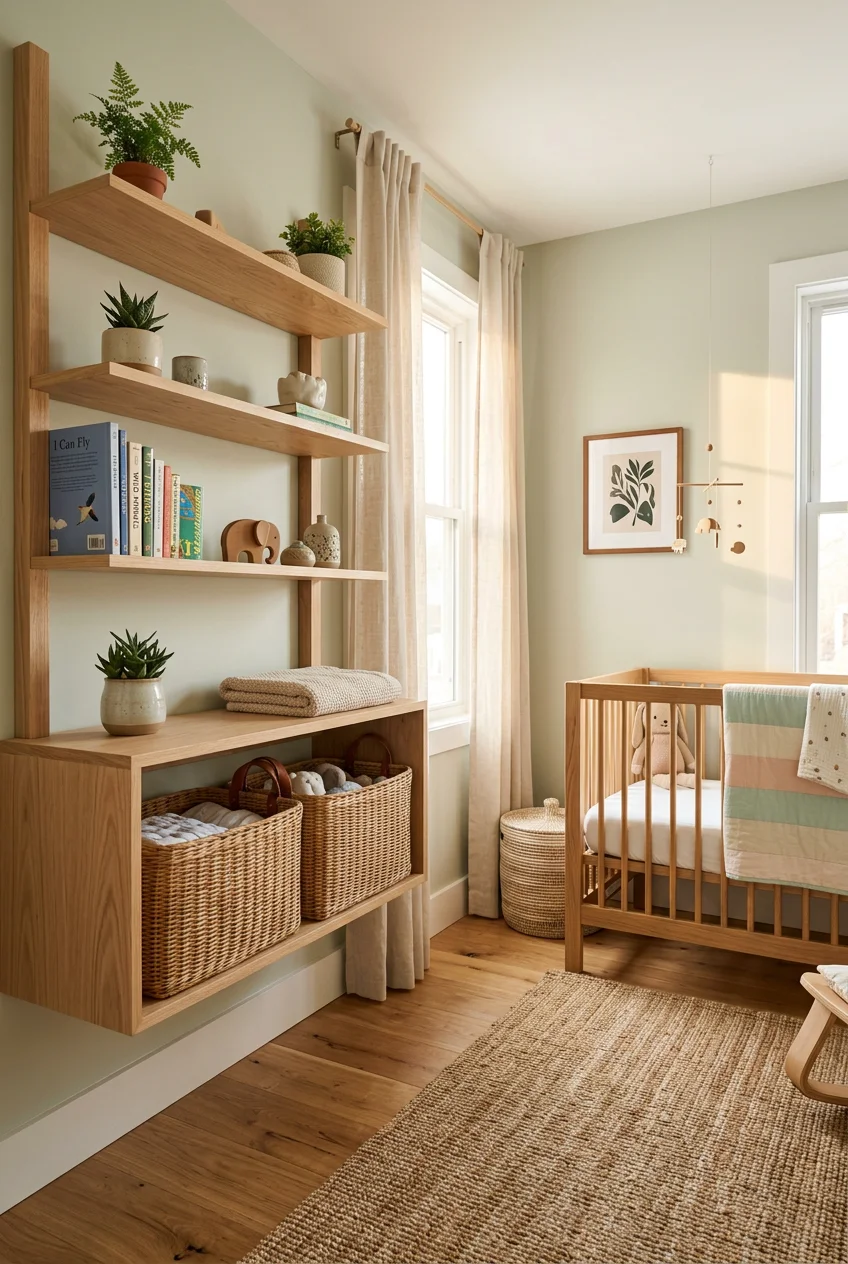
- Maximize Vertical Wall Space with Floating Shelves
- The Rolling Diaper Caddy Station
- Compartmentalize with Tiny Drawer Dividers
- Repurpose Over-the-Door Organizers
- Exploit Under-Crib Real Estate
- Install an Adjustable Closet System
- Prioritize Closed Storage for Visual Calm
- Mount Pegboards for Flexible Organization
- Hack Wooden Spice Racks
- Implement a Strict Toy Rotation
- Invest in Multi-Functional Furniture
- Use Clear Bins for Top Shelf Inventory
- Display Books on Acrylic Picture Ledges
- Stop Overcrowding the Floor Plan
- Choose Adaptable Modular Systems
- Hide Bulk Diaper Storage in Wardrobes
- Create a Dedicated Pumping Cart
- Wall-Mounted Wire Baskets for Blankets
- Keep a Permanent Donation Tote
Most people get obsessed with how a nursery looks and totally forget that babies require a mountain of gear. You end up with a giant plush giraffe in the corner but zero space for the 800 wipes you need daily. Getting clever nursery storage right from the start keeps the room from turning into a chaotic dumping ground. Designing a functional room is about setting up systems, not just picking out cute wallpaper. If you only try one idea here, make it #2. Creating a mobile station means you’re never trapped without supplies when a blowout happens. Trust me on this.
Skip this list if you have a massive walk-in closet and a dedicated nanny suite. These concepts focus on maximizing tight footprints and keeping daily essentials within arm’s reach. If you aren’t dealing with standard room constraints or a strict budget, you won’t need these specific space-saving hacks.
1. Maximize Vertical Wall Space with Floating Shelves

Start putting things on the walls. Most people hang art, but floating shelves do double duty. IKEA Mosslanda picture ledges (typically $10 to $20) are fantastic for this. Mount them right above the changing table. You can line up 4-ounce tubes of diaper cream, small lotion bottles, and spare pacifiers. They keep the messy daily items accessible but safely out of a flailing baby’s reach. A common mistake is hanging these too high and wondering why the room feels off. Keep them within an easy arm extension while you’re holding a squirming infant. You won’t have time to stretch on your tiptoes during a diaper blowout. The visual of a neat row of supplies is calming, and grabbing what you need takes zero effort.
The catch: Open shelving requires constant dusting. If you hate wiping down surfaces weekly, stick to closed cabinets.
2. The Rolling Diaper Caddy Station

This is one of the most effective nursery storage tricks for modern homes. A rolling utility cart acts as a portable command center. The IKEA RÅSKOG cart (usually $30 to $50) fits perfectly in tight corners. Stock the top tier with diapers and wipes, the middle with burp cloths, and the bottom with extra onesies. Add a few granola bars from Trader Joe’s for late-night nursing. You can easily roll this into the living room during the day and back to the bedroom at night. You aren’t stuck in one room listening to the crinkling plastic of wipe wrappers. It keeps everything you need exactly where you are.
Best for: Single-story homes without stairs.
The catch: The tiny caster wheels often get stuck on thick, plush nursery rugs, making it hard to push one-handed. I learned that the hard way.
3. Compartmentalize with Tiny Drawer Dividers

Baby clothes are comically small. Putting them into a standard dresser drawer without dividers guarantees a jumbled mess within two days. Use fabric boxes to create boundaries. The IKEA SKUBB boxes (sets are often under $15) fit perfectly inside most standard dressers. Roll the soft knit baby clothes instead of folding them. Rolling saves space and lets you see every single 3-month onesie at a glance without destroying a stack. A common mistake is buying rigid plastic dividers that don’t fit the drawer dimensions, wasting valuable inches. Fabric boxes squish slightly to accommodate tight fits.
The catch: The sides of cheap fabric dividers bend easily if you overstuff them with heavy items like thick winter sweaters.

Criusia Over the Door Organizer
A dependable everyday pick — Criusia Over the Door Organizer pulls in 336 ratings at 4.5 stars. Not flashy, just solid.
4. Repurpose Over-the-Door Organizers

People usually reserve these for shoes, but they hold baby gear perfectly. Grab a clear over-the-door shoe organizer from Target or The Container Store (usually $10 to $30). Hang it on the back of the closet door. Fill the clear pockets with rolled bibs, tiny socks, hair bows, and tubes of ointment. It utilizes dead space and gets the smallest, most annoying items out of your main drawers. The clear plastic lets you see exactly what you have without digging. It’s a highly functional use of vertical space.
Best for: Extremely small rooms with limited floor space.
The catch: It adds visual clutter if the door stays open, and the metal hooks can sometimes scratch the top of the door frame.
5. Exploit Under-Crib Real Estate

The space under the crib is prime real estate that usually just collects dust bunnies. Use shallow, lidded storage bins to hide bulk items. Target’s Underbed Fabric Bin with Lid works well for holding extra wipes or out-of-season clothing. You need to measure the exact clearance height under your specific crib mattress setting before buying anything. A 6-inch gap requires very specific low-profile boxes. Slipping these bins out of sight keeps the floor looking clean while holding a massive amount of backup supplies.
The catch: Once you drop the crib mattress to the lowest setting for a standing toddler, most bins won’t fit underneath anymore.
6. Install an Adjustable Closet System

Babies grow fast, and their clothing needs change every few months. A static closet rod is practically useless. An adjustable system like The Container Store’s Elfa setup (ranging from $100 to $500 plus) adapts over time. Set up a double rod system now for tiny shirts, and remove the bottom rod later when dresses and pants get longer. Use labeled dividers to keep sizes sorted. A common mistake is ripping out a closet without planning the new layout, leaving you with piles of clothes on the floor for weeks. You might also like: 17 Church Nursery Ideas for Every Budget
The catch: Installation requires drilling into studs and measuring perfectly. It’s a tedious weekend project that demands patience. You might also like: 20 Toddler And Baby Shared Room That Actually Work

Criusia Drawer Organizer Clothes
Criusia Drawer Organizer Clothes is sturdier in person than the photos suggest — over 12 buyers gave it 4.5 stars.
7. Prioritize Closed Storage for Visual Calm

A common mistake is relying too heavily on open baskets and exposed shelving. Open storage looks chaotic the second it gets messy. Choose closed dressers and cabinets to hide the brightly colored plastic gear. The IKEA Hemnes dresser is a staple because the deep drawers swallow up an enormous amount of stuff behind a clean facade. A visually calm room helps you relax during stressful late-night wakeups. You won’t be staring at a mountain of mismatched burp cloths while trying to rock a baby to sleep. You might also like: 20 Toddler Room Organization That Actually Work
The catch: Large solid wood or engineered wood dressers are incredibly heavy and require serious wall anchors for safety.
8. Mount Pegboards for Flexible Organization

Pegboards aren’t just for garages. Installing an IKEA Skådis pegboard near the changing station gives you modular wall storage. You can snap on little cups for nail clippers, hooks for hats, and mini shelves for the thermometer. As your baby’s needs change, you just rearrange the attachments. It keeps dangerous items off the flat surfaces but totally visible. The clanking of metal hooks is a small price to pay for such adaptable storage. It’s highly functional and looks surprisingly modern.
Best for: Renters who want vertical storage with minimal wall damage.
The catch: The plastic hooks can easily pop out if you pull an item off too quickly in the dark.
9. Hack Wooden Spice Racks

This is a classic nursery trick because it works brilliantly. The IKEA BEKVÄM spice racks (typically under $10 each) make perfect, cheap wall storage. Mount them low to the ground to hold board books with the covers facing out. Mount them high next to the changing pad to secure heavy bottles of lotion so they don’t get knocked over. The raw wood is easy to paint to match your trim. They provide a sturdy, custom look for a fraction of the cost of traditional shelving.
The catch: The depth is very narrow. They only hold thin books or small 2-inch diameter bottles, making them useless for larger toys.

SNSLXH 5 Pack Stackable Closet Storage Basket
SNSLXH 5 Pack Stackable Closet Storage Basket punches above its price — 43 buyers rated it 4.5 stars. The kind of pick people reorder.
10. Implement a Strict Toy Rotation

Don’t leave every toy out at once. It overstimulates the baby and makes the room impossible to clean. Keep a few toys in a basket on the floor and store the rest in a closet. The IKEA TROFAST system is perfect for this. Keep the bins hidden, and swap out the toys every two weeks. The baby thinks they have brand new toys, and you aren’t tripping over hard wooden blocks in the middle of the night. It keeps the room functional and safe.
The catch: It requires actual discipline to maintain. You have to remember to rotate the bins on a schedule, or the system falls apart.
11. Invest in Multi-Functional Furniture

Skip the standalone changing table. It becomes useless the second your kid is potty trained. Buy a standard dresser and attach a changing topper. The Babyletto Spruce Tree Bookcase from Target or a wide dresser with a removable tray does the exact same job. You get the changing surface you need now, and a normal piece of furniture for the next ten years. A common mistake is buying single-use baby furniture that ends up in a landfill three years later. Buy pieces that transition.
The catch: Dressers are usually a few inches lower than dedicated changing tables, which might bother tall parents with bad backs.
12. Use Clear Bins for Top Shelf Inventory

Opaque bins look nice, but they aren’t great for high closet shelves. You’ll completely forget what is inside them. Use clear plastic bins from The Container Store for clothes that are too big or seasonal items. Being able to do a visual inventory from the ground saves you from dragging down heavy boxes just to find a single winter coat. You can spot the exact item you need instantly. It saves time and prevents you from buying duplicates of things you already own.
The catch: Clear bins expose your messy folding skills and mismatched items to the world, ruining the aesthetic if your closet lacks doors.

Beautiful Wooden Baby Closet Dividers Set of 7
Beautiful Wooden Baby Closet Dividers Set of 7 – Double-Sided Organize is sturdier in person than the photos suggest — over 11 buyers gave it 4.5 stars.
13. Display Books on Acrylic Picture Ledges

Traditional bookshelves hide the covers of books. Babies and toddlers choose books by looking at the pictures, not the spines. Acrylic picture ledges create a floating library effect on an empty wall. They hold the books securely while acting as colorful wall art. You can fit about four standard board books per 16-inch ledge. The transparent material keeps the room feeling light and airy, letting the vibrant book covers do the heavy lifting for the room’s decor.
Best for: Adding color to a room without buying expensive artwork.
The catch: The corners of acrylic shelves are sharp. Never mount them at eye level near a floor play area.
14. Stop Overcrowding the Floor Plan

Most people cram a crib, a glider, a dresser, a bookcase, and a play tent into a tiny room. Stop doing this. The room needs negative space. Stick to the absolute essentials: sleep space, clothing storage, and a chair. Leave the center of the floor completely bare. Babies need floor space to roll and crawl, not more furniture to bump into. A crowded room feels stressful. Editing the furniture layout is free and immediately makes the space feel larger and more intentional.
The catch: A minimalist room means you have to store bulk items, like giant boxes of wipes, in a different part of the house.
15. Choose Adaptable Modular Systems

Buy furniture that stacks and reconfigures. A modular setup like the Pottery Barn Kids Cameron Storage System (budget mid-to-high range) lets you start with a low row of cubbies. As the child grows and acquires more stuff, you can buy additional matching units to stack on top. It prevents you from having to buy entirely new furniture every three years. You just adapt what you already have. It’s a smart long-term strategy for keeping the room organized through different developmental stages.
The catch: Modular systems are an investment. The base units are pricey, and the add-ons add up quickly over the years.
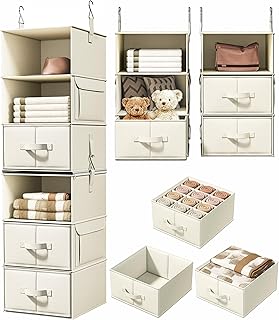
Vailando 6-Shelf Hanging Closet Organizer with 3 Drawers
If you want something that just works, Vailando 6-Shelf Hanging Closet Organizer with 3 Drawers is a safe bet (35 reviews, 4.5 stars).
16. Hide Bulk Diaper Storage in Wardrobes

Buying diapers in bulk from Costco saves money, but the cardboard boxes are hideous. Dedicate the bottom half of a standalone wardrobe specifically for bulk box storage. A tall IKEA PAX or Ivar cabinet hides the ugly packaging completely. You can pull out a sleeve of diapers to restock your rolling caddy, then shut the doors on the mess. Keeping the visual noise hidden is crucial for maintaining a calm environment. You get the financial benefits of bulk buying without the warehouse aesthetic.
Best for: Families who buy in bulk to save money.
The catch: A standalone wardrobe eats up a massive amount of square footage in a small room.
17. Create a Dedicated Pumping Cart

If you’re pumping, you need a dedicated station. Repurpose a small metal kitchen cart for this. Keep your pump, 8-ounce collection bottles, and sanitizing wipes on the top tier. Put a jar of organic nipple butter from Whole Foods and a giant water bottle next to it. Having a dedicated cart prevents pump parts from taking over the baby’s dresser. The smell of the organic balms and the hum of the pump stay contained to one organized zone. No exaggeration.
The catch: You’re tethered to wherever the nearest electrical outlet is, limiting exactly where the cart can sit in the room.
18. Wall-Mounted Wire Baskets for Blankets

You’ll receive an absurd amount of baby blankets as gifts. Storing them in drawers eats up space needed for clothes. Hang sturdy wire baskets (you can find these at Walmart for under $20) directly on the wall. Roll the blankets and stuff them in. It keeps them accessible for midnight feeds and adds a nice textural element to the room. The soft fabrics contrasting against the rigid metal looks fantastic and keeps the floor completely clear.
The catch: Cheap wire baskets can have sharp metal burrs that snag delicate knit blankets if you pull them out too fast.
19. Keep a Permanent Donation Tote

Babies outgrow clothes incredibly fast. Keep a large canvas grocery tote (like the heavy-duty ones from Sprouts or Kroger) in the bottom of the closet. The second you try a onesie on your baby and realize it’s too small, toss it directly into the tote. Once it’s full, put it in your car trunk. It prevents tiny clothes from getting mixed back into the clean laundry. This simple habit keeps your drawers organized without requiring a massive weekend decluttering session.
Best for: Parents who hate sorting through drawers to figure out what fits.
The catch: A grocery tote on the floor isn’t aesthetically pleasing and looks a bit messy if you leave the closet door open.
How we chose these ideas: We focused on renter-friendly setups, realistic budgets, and solutions that require minimal DIY skills. Every storage concept was evaluated based on its daily functional value and visual impact, ensuring these methods solve actual clutter problems without demanding custom carpentry.
Getting the nursery organized isn’t about buying the most expensive bins. It’s about setting up realistic systems that work when you’re exhausted. Start with the rolling caddy and the drawer dividers, and build from there. Pin this list so you can reference it when the baby gear starts taking over your house.
Frequently Asked Questions
How do you organize a nursery with no closet?
Utilize a tall, closed wardrobe like an IKEA PAX system to hide bulk items. Implement a rolling diaper caddy for daily essentials, and use under-crib bins for out-of-season clothing. Maximizing vertical wall space with floating shelves also keeps items off the floor.
What is the best way to store baby clothes in drawers?
Rolling baby clothes instead of folding them saves significant space. Use small fabric drawer dividers to create strict compartments. This prevents tiny items like socks and 3-month onesies from turning into a massive, tangled pile within a few days.
How much storage do you actually need in a nursery?
You need less than you think for toys, but double what you expect for consumables. Prioritize deep drawers for clothes and hidden bins for bulk diapers and wipes. Keep open shelving minimal to reduce visual clutter and dusting.
Are open shelves safe in a baby’s room?
Open shelves are perfectly safe if mounted securely into wall studs and placed well out of a standing toddler’s reach. Never install heavy shelves or acrylic ledges with sharp corners directly over the crib or a floor play area.
