What’s Inside
- Swap Cold Gray for Earthy Sage Green
- Invest in a GREENGUARD Gold Certified Crib
- Adopt Japandi Style for Minimalist Harmony
- Layer Textures to Cure the Flat Room Problem
- Anchor Everything to the Walls
- Build a Mobile Diaper Station
- Paint the Ceiling for Visual Interest
- Use a Multifunctional Dresser
- Integrate Biophilic Design Elements
- Install True Blackout Curtains
- Avoid Over-Theming the Space
- Conceal Smart Tech Seamlessly
- Choose Warm Wood Tones Over White
- Anchor the Room with a Washable Rug
- Add Personal Touches with Acrylic and Wood
- Install Open Shelving for Curated Books
- Use Woven Baskets for Hidden Storage
- Incorporate Muted Terracotta Accents
- Future-Proof with a Daybed Conversion
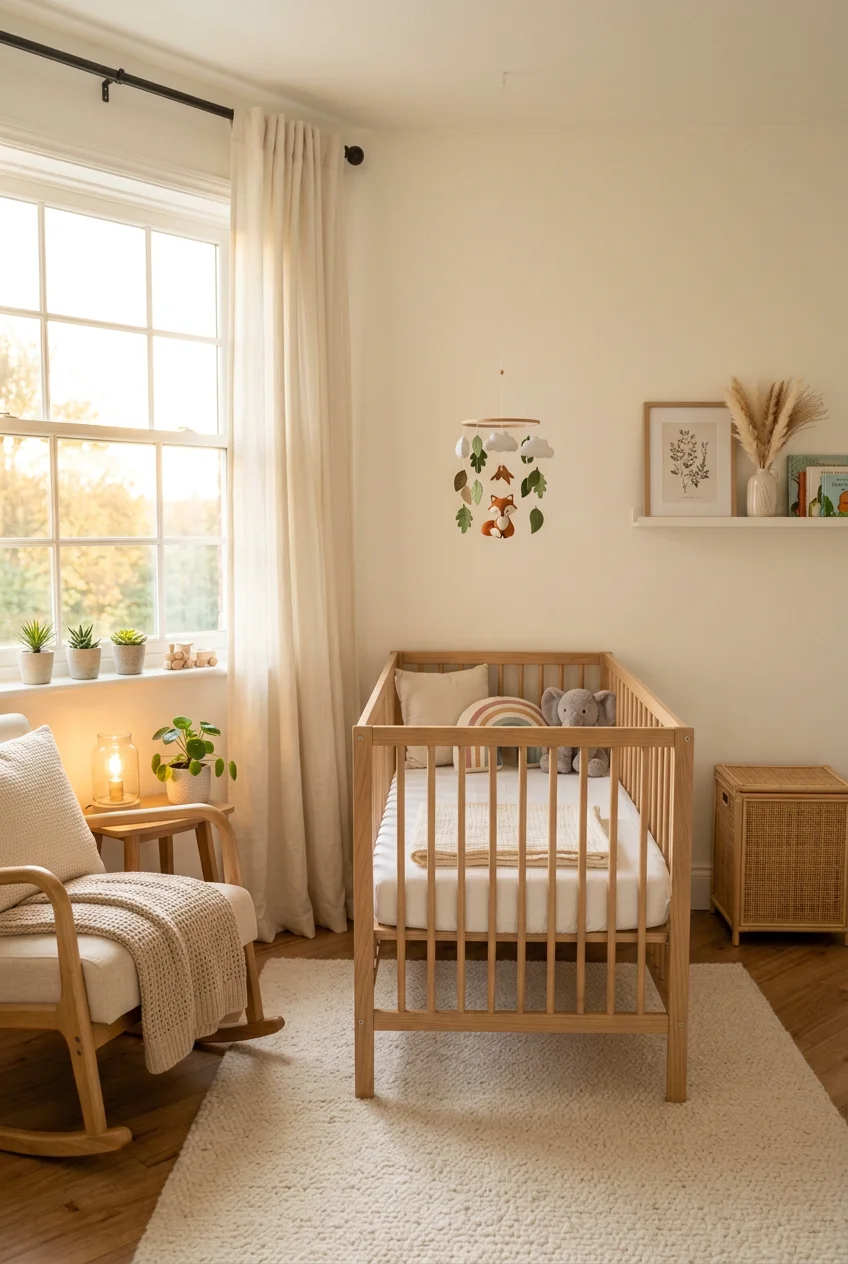
Most people paint their walls a flat, builder-grade white and wonder why the room feels like a sterile clinic. Getting neutral nursery ideas right means skipping the extremes. It’s not about stripping away all color. It’s about building a grounded, textured foundation that handles spit-up, midnight feedings, and toddler chaos without losing its soul. I’ve learned that the hard way. A common mistake? Buying matching five-piece furniture sets that make the room look like a catalog instead of a home. You need contrast. You need warmth. If you only try one idea from this list, make it #4. Layering textures fixes a boring room instantly. Here’s how to build a neutral space that actually works.
Skip this list if you want neon accent walls or licensed cartoon characters everywhere. This approach also won’t work if you need a temporary three-month setup without anchoring furniture. These ideas focus on long-term, functional design that takes a bit of initial effort.
1. Swap Cold Gray for Earthy Sage Green

Move beyond basic white and gray by using warm, earthy neutrals. Soft sage green brings the outside in without looking too childish. Benjamin Moore Saybrook Sage HC-114 is a specific shade that pairs well with natural wood and rattan. Buy a gallon of zero-VOC paint (budget $50 to $70) to keep the air quality safe. Babies spend 14 to 18 hours a day in this room, so chemical emissions matter. The EPA notes indoor air can contain more volatile organic compounds than outdoor air. Don’t paint all four walls a dark terracotta; it absorbs too much light. Stick to sage or warm mushroom. The catch: Saybrook Sage needs decent natural light, or the undertones turn muddy in the shadows. Trust me. Best for: South-facing rooms with plenty of sun.
2. Invest in a GREENGUARD Gold Certified Crib

Indoor air quality is non-negotiable for an infant. Furniture off-gasses chemicals for months after unboxing. Prioritize a crib that is GREENGUARD Gold Certified, which ensures low chemical emissions. The Babyletto Hudson 3-in-1 Convertible Crib is a solid mid-range option (usually $350 to $450) that meets these standards. It features rounded spindles and a clean profile that fits any neutral aesthetic. Choosing a certified crib means you aren’t introducing formaldehyde into the space where your baby sleeps. Pair it with an organic cotton mattress. The catch: Conversion kits for the toddler bed stage are usually sold separately, adding another $80 to $100 to your total cost later.
3. Adopt Japandi Style for Minimalist Harmony

For a serene space, Japandi style mixes Japanese minimalism with Scandinavian function. It relies on neutral palettes, low-profile furniture, and natural materials like wood and bamboo. The IKEA Sniglar crib (usually under $100) fits this perfectly with its untreated solid beech wood frame. Keep decor sparse. Focus on a single piece of oversized botanical art rather than a cluttered gallery wall. This creates a tranquil environment that promotes sleep. The catch: Japandi’s minimalism is hard to maintain once brightly colored plastic toys inevitably enter the house. Best for: Tight budgets and small spaces.

Beautiful Wooden Baby Closet Dividers Set of 7
Beautiful Wooden Baby Closet Dividers Set of 7 – Double-Sided Organize is sturdier in person than the photos suggest — over 11 buyers gave it 4.5 stars.
4. Layer Textures to Cure the Flat Room Problem

A frequent mistake in neutral nurseries is creating a flat feel by using too many smooth, identical surfaces. Combat this by layering different textures. Mix a bouclé nursing chair from Target (typically $250 to $350) with a chunky knit cotton blanket and a woven jute rug. The West Elm Scalloped Convertible Crib adds visual interest through its shaped wood profile. Use soft, breathable fabrics like linen for curtains and sturdier textures like wicker for hampers. Contrast makes neutral rooms interesting. The catch: Bouclé fabric is a magnet for spit-up and hard to spot-clean without leaving water rings.
5. Anchor Everything to the Walls

Safety is the foundation of good design. Unanchored dressers or bookshelves pose a serious tip-over risk once a baby starts to crawl. Hardware store anti-tip straps from Home Depot cost under $15 and take twenty minutes to install. Secure all large furniture directly into the wall studs. A common mistake is assuming a heavy, solid wood dresser won’t tip. When all the top drawers are open and filled with clothes, the center of gravity shifts. The catch: Anchoring leaves visible holes in your drywall that require spackling when you move the furniture. Best for: Homes with active toddlers or pets.
6. Build a Mobile Diaper Station

For practicality in the early months, create a mobile diaper station using a rolling utility cart. The Target Brightroom 3-tier metal cart (typically around $30) lets you move diapers, wipes, and creams to wherever you are feeding or changing the baby. Stock the top tier with a wipe dispenser and a 4 oz tube of diaper cream. Use the bottom tiers for backup diapers and burp cloths. As your baby grows, the cart transitions into a storage unit for art supplies. The catch: Open shelving means dust collects quickly on the bottom tier, requiring weekly wipe-downs. You might also like: 17 Nursery Storage Ideas You Need to See

Criusia Over the Door Organizer
If you want something that just works, Criusia Over the Door Organizer is a safe bet (247 reviews, 4.5 stars).
7. Paint the Ceiling for Visual Interest

Babies spend most of their first six months flat on their backs looking up. The ceiling is their first view, yet most people leave it stark white. Adding a subtle color or pattern provides interest without overstimulating them. Try a soft mushroom or Sherwin-Williams Alabaster on the ceiling to draw the eye upward and make the room feel taller. Nature-inspired murals or sponge-painted clouds work well too. The catch: Painting a ceiling is physically exhausting and requires heavy drop cloths to protect your floors from splatter. You might also like: 17 Church Nursery Ideas for Every Budget
8. Use a Multifunctional Dresser

Babies require an alarming amount of gear, and poor storage ruins a neutral look fast. Skip the single-use changing table. Instead, buy a standard 6-drawer dresser and secure a changing pad to the top. The DaVinci Jenny Lind 6-Drawer Dresser (budgeting $300 to $400) offers classic spindle details and holds enough clothing to last through the toddler years. Once the diaper phase ends, remove the changing tray. The catch: Standard dressers are often 32 to 34 inches tall, which isn’t always comfortable for parents over six feet tall during diaper changes.
9. Integrate Biophilic Design Elements

Biophilic design brings elements of the natural world indoors, which calms the nervous system. Use materials like rattan, bamboo, and raw wood. Add botanical prints or a leaf-patterned wallpaper on a single focal wall. If you want greenery, a faux olive tree from Pottery Barn Kids (usually $150 to $200) adds height without the maintenance. If using real plants, stick to non-toxic varieties like spider plants and keep them on high shelves. The catch: Faux trees gather dust and require tedious cleaning with a damp microfiber cloth. You might also like: 16 Baby Nursery Themes That Actually Work

Criusia Drawer Organizer Clothes
Criusia Drawer Organizer Clothes is sturdier in person than the photos suggest — over 11 buyers gave it 4.5 stars.
10. Install True Blackout Curtains

Controlling light is the most important factor for baby sleep. Standard blinds aren’t enough. Install heavy blackout curtains to block streetlights and daytime sun. Target Threshold Blackout Curtains (typically $30 to $50 per panel) have a thick liner that genuinely stops light. Mount the curtain rod high and wide so light doesn’t bleed through the edges. Pair these with dimmable wall sconces using 2700K warm-white LED bulbs. This creates a calming atmosphere for late-night feedings without waking the baby. The catch: True blackout curtains are heavy and require sturdy drywall anchors, or they’ll pull the rod out of the wall. Best for: Rooms facing streetlights or bright sun.
11. Avoid Over-Theming the Space

Committing too hard to a specific theme guarantees the room will feel dated in two years. A common mistake is buying matching woodland creature wallpaper, rugs, and crib sheets. Instead, opt for a subtle Cozy Earth aesthetic. Use easily changeable accessories to hint at a theme. Framed vintage sketches of animals or a single moon-shaped nightlight provide character without locking you into a design corner. Neutral rooms should evolve. The catch: Even if you keep the room neutral, well-meaning relatives will still gift you bright, themed plastic gear that clashes with your aesthetic.
12. Conceal Smart Tech Seamlessly

Modern nurseries rely on tech, but visible cords and glowing screens ruin a peaceful vibe. Focus on calm tech that blends in. Choose a low-EMF monitor like the Bebcare unit (budgeting $200 to $300) and mount it discreetly in a corner. Conceal the power cords using paintable plastic cord covers from the hardware store. Opt for devices with smartphone app integration to reduce the clutter of extra monitors. The catch: Low-EMF monitors often lack the high-definition screens and pan/tilt capabilities of standard Wi-Fi models.

SNSLXH 5 Pack Stackable Closet Storage Basket
A dependable everyday pick — SNSLXH 5 Pack Stackable Closet Storage Basket pulls in 41 ratings at 4.5 stars. Not flashy, just solid.
13. Choose Warm Wood Tones Over White

All-white furniture looks crisp initially but shows every scuff and sticky fingerprint. Warm wood tones like walnut, oak, or birch hide wear and tear better. The Oeuf Sparrow Crib in birch (high-end, typically $800 to $900) adds instant warmth and grounds the room. Wood tones bring an organic feel white paint can’t replicate. Mix a wood crib with a painted dresser for a collected look. The catch: Matching wood tones across different brands is nearly impossible, so you have to be comfortable with deliberate mismatching.
14. Anchor the Room with a Washable Rug

Nurseries are spill zones. A vintage wool rug looks beautiful but is a nightmare to clean when a bottle spills. Washable woven rugs provide the necessary grounding texture with zero stress. A 5×7 Ruggable rug (typically $150 to $200) fits perfectly under the front legs of a crib and a nursing chair. Choose a muted, distressed pattern that hides small stains between washes. The catch: Washable rugs are thin and feel like blankets. You must buy the upgraded cushioned pad if you want any actual softness for floor play.
15. Add Personal Touches with Acrylic and Wood

Personalize the space subtly to avoid visual chaos. Display black-and-white family photos in thin gallery frames. Incorporate personalized decor with the baby’s name using materials that match the room. Custom wood or acrylic name signs from Etsy (usually $40 to $80) look sophisticated when hung above the dresser. Avoid hanging heavy wood signs directly over the crib for safety reasons. The catch: Clear acrylic signs scratch easily if you dust them with a rough paper towel instead of a microfiber cloth.

Baby Closet Divider, Baby Wardrobe Organizer
Baby Closet Divider has been one of the most consistently praised picks in this category. 371 reviewers averaged 4.5/5.
16. Install Open Shelving for Curated Books

Children’s books have beautiful, colorful covers that act as free art. Install simple floating ledge shelves from Amazon or Walmart (typically under $40 for a set of three) on an empty wall. Displaying books facing outward encourages reading and breaks up a blank wall without the need for expensive artwork. Keep the shelves low enough that a toddler can eventually reach them. The catch: Standard flat shelves won’t work. You must buy ledge-style shelves with a front lip, or the books will constantly slide off. Best for: Tight budgets.
17. Use Woven Baskets for Hidden Storage

Plastic storage bins look cheap and break easily. For a neutral nursery, use wicker, rattan, or heavy canvas baskets. Serena & Lily or Pehr offer excellent canvas bins (mid to high range, $40 to $80) that hold their shape. Use large baskets for extra blankets and stuffed animals, and smaller bins inside dresser drawers to separate tiny socks. Texture is key here. The catch: Natural wicker and rattan baskets often have sharp interior splinters that snag delicate knit baby clothes.
18. Incorporate Muted Terracotta Accents

If sage green isn’t your preference, muted terracotta and dusty clay are excellent earthy alternatives. These shades add a soft, warm glow. Introduce terracotta through textiles rather than paint. A set of Burt’s Bees Baby organic cotton crib sheets (typically under $25) or a textured throw pillow on the glider provides just enough color. These tones pair beautifully with both warm woods and stark whites. The catch: Terracotta is reactive to lighting. In a north-facing room with cool light, it can pull too pink or orange rather than earthy brown.
19. Future-Proof with a Daybed Conversion

When selecting nursery ideas, think about the room’s function three years from now. A convertible crib that transitions into a daybed extends the life of your furniture. The Delta Children Emery 4-in-1 (typically $200 to $250) converts from a crib to a toddler bed, a daybed, and eventually a full-size bed. This versatility saves you from buying new furniture when your child outgrows the crib. The catch: The full-size bed conversion requires buying a separate metal bed frame, and a full bed usually eats up the entire floor space of a standard 10×10 nursery.
How we chose these ideas: The criteria prioritized renter-friendliness, long-term cost efficiency, and daily effort. We focused on materials with low emissions and adaptable furniture that transitions past the infant stage. Visual impact was weighed against actual daily usability.
Building a neutral space doesn’t mean building a boring one. Focus on the textures, invest in the right lighting, and prioritize storage that hides the inevitable plastic clutter. Pin this list to your nursery planning board so you’ve got the exact paint colors and brand names ready when it’s time to start decorating.
Frequently Asked Questions
What are the best paint colors for a neutral nursery?
Move away from stark white or cold gray. The best neutral colors are earthy tones like soft sage green, warm mushroom, muted terracotta, and warm stone. These shades provide depth and pair perfectly with natural wood furniture.
How do I add warmth to a gray nursery?
If your walls are already gray, add warmth by heavily layering textures. Incorporate a chunky knit blanket, a boucle nursing chair, woven rattan baskets, and natural wood tones like walnut or birch to break up the cool tones.
Are convertible cribs worth the extra cost?
Yes, convertible cribs future-proof the room by transitioning into toddler beds and daybeds. However, always check if the toddler conversion rail is included, as many brands sell the necessary conversion kits separately for an additional cost.
How can I make a small nursery functional?
Maximize vertical space by anchoring tall bookshelves and utilizing floating ledge shelves for books. Swap a dedicated changing table for a 6-drawer dresser with a changing pad on top, and use a 3-tier rolling cart for mobile diaper storage.
