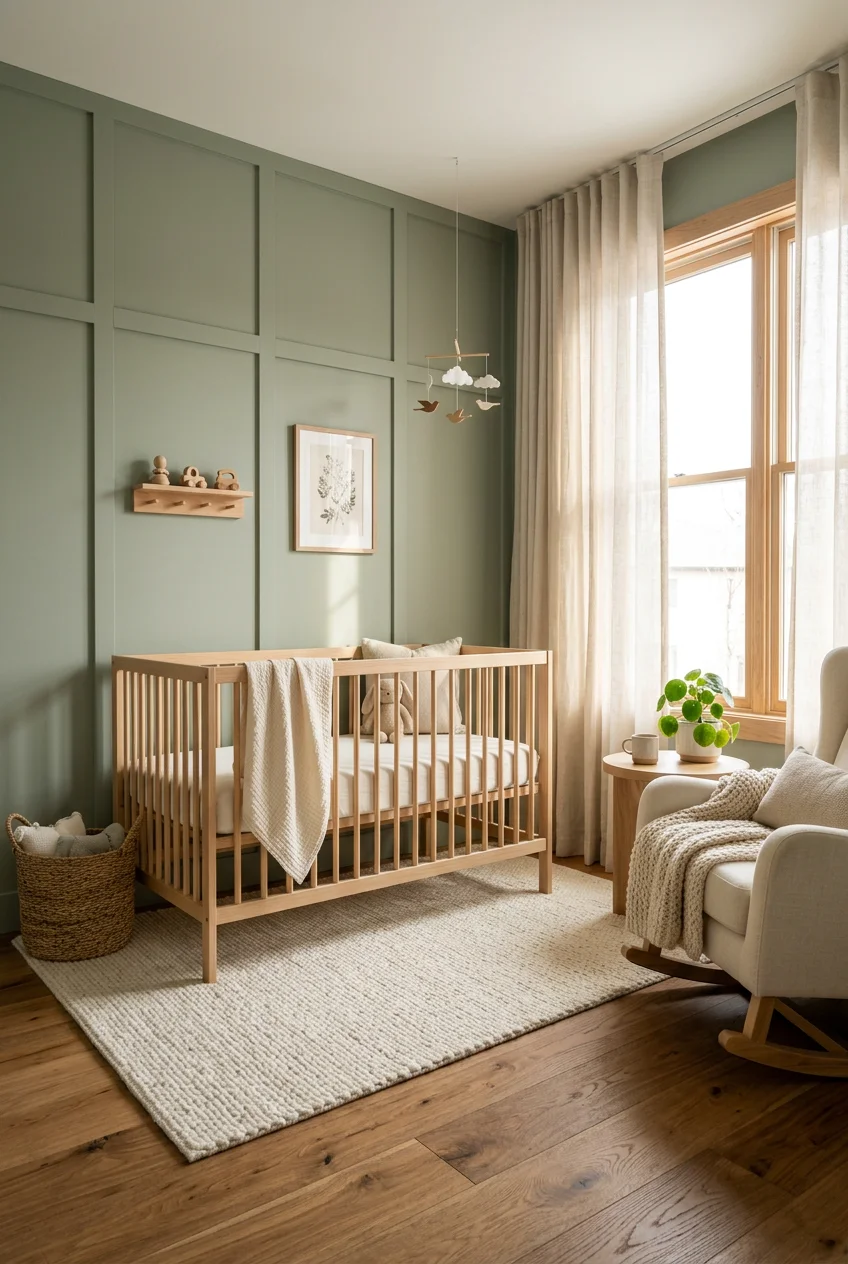
What’s Inside
- Opt for Zero-VOC Paints in Your Green Baby Boy Nursery
- Invest in Solid Wood, GREENGUARD Certified Furniture
- Swap to Organic Cotton or Bamboo Crib Sheets
- Add Air-Purifying Plants (But Keep Them High)
- Ditch the Plastic Storage Bins for Natural Fibers
- Switch to Wool Dryer Balls for Baby Laundry
- Source Vintage Decor and Secondhand Pieces
- Prioritize Multifunctional and Convertible Furniture
- Use Trending Earthy Tones for 2026
- Stock Up on Bamboo Baby Apparel
- Lay Down Natural Fiber Rugs
- Ensure Proper Ventilation Daily
- Hang Non-Toxic Window Treatments
- Decorate With Reclaimed Wood and Eco-Art
- Ignore the Nursery-Safe Plant Myths
- Choose Solid Wood Toys Over Plastic
- Protect the Mattress With Organic Cotton
- Select a Steel Diaper Pail
- Install Low-Wattage LED Lighting
I stood in the middle of my first client’s nursery in 2018. I was coughing through a cloud of standard mint paint fumes while trying to assemble a cheap particleboard dresser. That headache taught me why a green baby boy nursery requires more than just picking a nice olive shade. Designing a space like this means filtering out the hidden chemicals, synthetic fibers, and marketing fluff that flood the baby industry. You can’t just trust a green leaf logo on a box. Trust me on this.
1. Opt for Zero-VOC Paints in Your Green Baby Boy Nursery

When I started consulting, I assumed any water-based paint was fine. I learned the hard way that standard paints release volatile organic compounds (VOCs) for months. You paint the walls, close the door, and basically build a toxic gas chamber. Skip the standard stuff. ECOS Paints (specifically their Lullaby collection) costs around $50 to $80 per gallon. It uses plant-based ingredients and publishes its indoor air quality certifications. Benjamin Moore Eco Spec and Clare Paint are also solid zero-VOC options. I used Clare Paint in a client’s room last Tuesday, and the lack of that sharp, chemical smell was obvious. If you’re painting, finish at least two weeks before the baby arrives. Proper ventilation matters more than the label. Open the windows daily.
2. Invest in Solid Wood, GREENGUARD Certified Furniture

I bought a cheap MDF changing table from Walmart years ago, and the sour formaldehyde smell lingered for six months. It’s a mistake you only make once. For a baby’s room, you need solid wood or FSC-certified wood. Brands like Nestig, Babyletto, and Oeuf offer GREENGUARD Gold certified cribs, meaning they pass strict tests for low emissions. A Nestig 3-in-1 convertible crib runs between $600 and $800. It converts from a mini crib to a full crib, then to a toddler bed. You pay more upfront, but it stops you from buying three separate beds over four years. The hardware is heavy, the wood grain is real, and it won’t off-gas harmful chemicals into your baby’s lungs while they sleep.
3. Swap to Organic Cotton or Bamboo Crib Sheets

Babies sleep up to 17 hours a day. Pressing their skin against synthetic polyester blends treated with harsh dyes just invites eczema. I learned this when my nephew broke out in a red rash from standard poly-blend sheets. You want GOTS (Global Organic Textile Standard) certified organic cotton or bamboo. Burt’s Bees Baby sells a two-pack of organic cotton fitted sheets for exactly $24.99. They feel crisp at first but soften after three washes. Naturepedic and Coyuchi offer thicker, premium options if your budget allows. I picked up a set of Burt’s Bees sheets at Target last month for a client. The elastic grips the mattress tightly, which is a non-negotiable safety feature when you’re dealing with a rolling infant.

Parker Baby Diaper Caddy
Parker Baby Diaper Caddy – Nursery Storage Bin and Car Organizer for D punches above its price — 171 buyers rated it 4.5 stars. I would buy it again.
4. Add Air-Purifying Plants (But Keep Them High)

Plants look great, but they aren’t magic filters. A single plant only purifies air within a 3 to 5-foot radius. You need multiple plants to make a structural difference in a 10×12 room. More importantly, pick the right ones. Spider Plants (Chlorophytum comosum), Boston Ferns, and Parlor Palms are verified non-toxic. I usually buy small Boston Ferns at Sprouts for $6.99 each and place them in hanging macrame planters. Dirt is a choking hazard, and babies will eat it. Always hang them from the ceiling or place them on floating shelves at least five feet off the ground. Watering hanging plants is a bit annoying since you need a step stool, but the visual warmth and slight air quality boost make the weekly hassle worth it.
5. Ditch the Plastic Storage Bins for Natural Fibers

Walking down the storage aisle at any big box store hits you with that distinct, sweet plastic smell. That smell is off-gassing phthalates and PVC. I stopped using plastic bins entirely after realizing how much dust and pet hair stuck to them due to static. Instead, use natural materials like organic cotton, thick jute, or woven wicker. Pehr makes heavy-duty organic cotton storage bins that cost between $30 and $60 depending on the size. They stand up on their own without collapsing, which matters when you’re tossing blocks into them one-handed. I use a large $45 Pehr bin for stuffed animals. It holds about twenty toys and doesn’t leach endocrine-disrupting chemicals into items your baby will chew on.
6. Switch to Wool Dryer Balls for Baby Laundry

Liquid fabric softeners and dryer sheets coat clothing in synthetic lipids and artificial fragrances. They ruin the absorbency of burp cloths and irritate newborn skin. I threw out my dryer sheets three years ago and switched to wool dryer balls. Ulat makes Canadian wool dryer balls that cost $25 for a set of six. You toss at least three into a small load, and they physically separate the clothes to let hot air circulate. They cut my drying time by about 20 percent. I bought a cheap generic set at Kroger once, and they unraveled in a month, leaving wool strings all over my dark towels. Stick to tightly felted, high-quality wool. The thumping sound in the dryer takes a week to get used to, but the chemical-free laundry is necessary. You might also like: 20 Stunning Layout Small Nursery Ideas That Are Totally Worth It

Modanais Baby Diaper Caddy Organizer Cart
Modanais Baby Diaper Caddy Organizer Cart – 3 Tier Rolling Cart with D punches above its price — 635 buyers rated it 4.5 stars. I would buy it again.
7. Source Vintage Decor and Secondhand Pieces

Buying everything brand new is the fastest way to drain your budget and fill a room with new-manufacturing smells. Older furniture has already finished off-gassing. I found a solid oak rocking chair at a local antique shop for $75, sanded it down, and sealed it with raw linseed oil. It took a weekend of elbow grease, but it’s non-toxic. The main rule with secondhand baby items is safety verification. Never buy a secondhand crib unless you can verify it meets the post-2011 CPSC safety standards. Drop-side cribs are illegal and dangerous. Also, test any vintage painted furniture for lead using a $15 3M lead test kit from the hardware store. If it tests positive, leave it. The risk of lead dust isn’t worth the aesthetic. You might also like: 20 Cozy Whimsical Nursery Lighting Ideas You Haven’t Thought Of
8. Prioritize Multifunctional and Convertible Furniture

Single-use baby furniture is a marketing scam. A standalone changing table becomes useless the second your kid hits 30 pounds and refuses to lie still. Instead, buy a standard six-drawer dresser and secure a removable changing tray to the top. Babyletto makes a universal changing tray for $119 that fits over most standard dressers. You screw it into the back, so it doesn’t slide around. Once the diaper phase ends, you remove the tray, and you’re left with a normal piece of furniture. I tried using a dedicated changing table with thin shelves underneath. It became a messy dumping ground for half-empty lotion bottles and loose wipes. Drawers hide the visual clutter. Buy pieces that will still look appropriate in a ten-year-old’s room. You might also like: 18 Baby Girl Nursery Ideas Worth Trying
9. Use Trending Earthy Tones for 2026

The stark, cool-toned gray nurseries of 2018 are out. For 2026, the focus is on muted greens, earthy browns, and warm neutrals. These colors mimic nature and hide scuff marks better than pure white. I recently designed a room using a soft sage green on three walls and a deep terracotta accent wall behind the crib. The contrast grounds the space. If you go too dark with forest green on every wall, the room absorbs all the natural light and feels like a cave. I made that mistake in my own guest room and had to repaint it a week later. Stick to light, warm neutrals for the majority of the space. It keeps the room feeling expansive while maintaining that grounded, organic aesthetic.

PeraBella Diaper Caddy Organizer for Changing Table
PeraBella Diaper Caddy Organizer for Changing Table has been one of the most consistently praised picks in this category. 2 reviewers averaged 4.5/5.
10. Stock Up on Bamboo Baby Apparel

Cotton is great, but bamboo fabric regulates temperature significantly better. Babies can’t regulate their own body heat, making them prone to overheating. Bamboo is breathable and soft. Kyte Baby is the standard here. Their zippered footies cost $36 each. Yes, $36 for a onesie is steep, but the fabric stretches so much that a baby can wear a 3-6 month size until they are nine months old. I bought one for a friend’s baby shower, and the dual zipper makes 3 AM diaper changes fast since you don’t have to expose their chest to the cold air. Sweet Bamboo and Bums and Roses also make excellent options. Just wash them on cold and hang them to dry, or they will pill in the dryer.
11. Lay Down Natural Fiber Rugs

Wall-to-wall synthetic carpeting is a trap for dust mites, pet dander, and chemical flame retardants. If you have hard floors, you need a rug to soften the noise and cushion falls, but skip the cheap polypropylene options. They shed microplastics into the air. Jute, wool, or thick organic cotton are the best materials. A 5×7 foot chunky jute rug usually costs between $100 and $300. I bought a 100% wool rug from West Elm for $250. It shed like a golden retriever for the first two months. I was vacuuming daily. That’s the tradeoff with natural wool. It requires maintenance, but it naturally repels stains and doesn’t introduce petroleum-based synthetic fibers into the space where your baby will eventually be crawling.
12. Ensure Proper Ventilation Daily

No amount of zero-VOC paint or organic cotton matters if the air in the room is stagnant. Modern homes are built tightly to conserve energy, which traps indoor air pollutants. Plants help slightly, but they don’t replace physical airflow. You need to open the nursery windows for 15 to 20 minutes every single day, even in the winter. I started doing this after reading an EPA report on indoor air quality. The physical exchange of air forces out accumulated VOCs, dust, and carbon dioxide. If the room doesn’t have a ceiling fan, put a small $30 Vornado air circulator in the corner. Stagnant air breeds mold, especially around windows with condensation. Five minutes of a cold breeze is better than trapping moisture and chemicals inside.

JolyWell Night Light for Kids
Honestly, JolyWell Night Light for Kids surprised me — sturdier than it looks in the photos, and over 45 buyers gave it 4.5 stars.
13. Hang Non-Toxic Window Treatments

Blackout curtains are vital for baby sleep, but many cheap blackout panels achieve their opacity by spraying the fabric with heavy chemical backing. When the sun hits that backing, it heats up and off-gasses right into the room. I bought a cheap set of synthetic blackout curtains from Walmart years ago, and they smelled like burnt plastic every afternoon. Look for curtains made from thick organic cotton, linen, or bamboo. If you need total darkness, use untreated natural wood blinds mounted inside the window frame, paired with heavy linen curtains over the top. It blocks the light mechanically rather than chemically. Ensure whatever fabric you choose isn’t treated with stain-resistant or flame-retardant chemicals. You want raw, natural fibers hanging near that window.
14. Decorate With Reclaimed Wood and Eco-Art

Plastic picture frames look cheap and crack easily. When framing art, choose solid wood, bamboo, or metal. I source reclaimed wood frames from local craft fairs or Etsy. They usually cost around $25 for an 8×10 size. The imperfections in reclaimed wood add actual texture to the walls. For the art itself, skip the mass-produced glossy posters. I prefer nature-themed prints on recycled paper. Last month, I took some high-resolution photos of fern leaves from my backyard, printed them in black and white on heavy matte cardstock, and framed them. It cost me $12 total. It looks custom and avoids the generic, plastic-heavy decor that dominates most baby stores. Keep the visual stimulation low and organic.
15. Ignore the Nursery-Safe Plant Myths

This is a major issue in the design world. People read a blog post from 2012 claiming Peace Lilies, Pothos, and Snake Plants are great for nurseries because they purify the air. They’re actually toxic. Peace Lilies and Pothos contain calcium oxalate crystals. If a toddler pulls a leaf down and chews on it, those crystals cause severe oral swelling, pain, and respiratory distress. I saw a Pothos hanging over a crib in a client’s home and immediately moved it. I don’t care how high you hang it; leaves drop. Stick strictly to the verified safe list: Spider Plants, Boston Ferns, and Parlor Palms. I grabbed a safe Parlor Palm at Whole Foods for $14.99 last week. Verify every single plant through the ASPCA toxic plant database before bringing it inside.
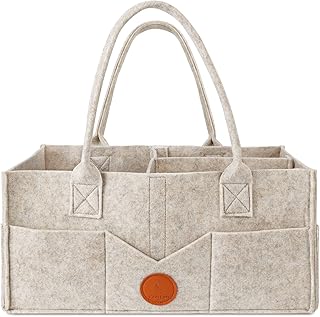
Maliton Baby Diaper Caddy Organizer for Changing Table
Maliton Baby Diaper Caddy Organizer for Changing Table punches above its price — 32 buyers rated it 4.5 stars. I would buy it again.
16. Choose Solid Wood Toys Over Plastic

Plastic toys break, require batteries, and usually end up in a landfill within two years. They also contain phthalates to make the plastic flexible. Babies explore the world by putting everything in their mouths. Solid wood toys painted with water-based, non-toxic dyes are the safest option. PlanToys is a fantastic brand. They use sustainable rubberwood and non-toxic glue. Their wooden stacking ring costs $20. It feels heavy in the hand and doesn’t chip when dropped on a hardwood floor. I bought a cheap painted wooden toy from a discount bin once, and the red paint started flaking off into my hands immediately. You have to verify the dyes are water-based. High-quality wooden toys become heirlooms; cheap plastic just becomes trash.
17. Protect the Mattress With Organic Cotton

Waterproof mattress protectors are notorious for containing vinyl (PVC), which off-gasses heavily. You absolutely need a waterproof layer because diaper blowouts happen constantly, but you don’t need PVC. Naturepedic makes a certified organic cotton waterproof mattress protector for $69. It uses a thin layer of food-grade polyurethane that doesn’t off-gas or crinkle loudly when the baby moves. I tried a $15 vinyl protector from Costco once. It sounded like someone crinkling a bag of potato chips every time the baby shifted, and it made the baby sweat profusely. The Naturepedic version is breathable. Wash it on a delicate cycle and dry it on low heat. High heat will melt the waterproof backing, which I learned after destroying one in a commercial dryer.
18. Select a Steel Diaper Pail

Plastic diaper pails absorb odors permanently. After six months of holding dirty diapers, the plastic itself smells like waste, even when empty. You can’t bleach that smell out. I switched to the Ubbi steel diaper pail, which costs $79.99. Steel is non-porous, meaning it traps the smell inside and doesn’t absorb it. The best part is that it doesn’t require expensive, proprietary plastic refill rings. You can use standard kitchen trash bags or washable cloth liners. I use a heavy-duty reusable cloth liner that I wash twice a week. The sliding lid on the Ubbi has a rubber seal that actually works. Just remember to wipe down the inside with white vinegar monthly to prevent condensation buildup from the dirty diapers.
19. Install Low-Wattage LED Lighting

Harsh overhead lighting disrupts a baby’s circadian rhythm, especially during middle-of-the-night feedings. Standard incandescent bulbs run hot and waste energy. I replace all nursery bulbs with Philips Warm Glow dimmable LEDs. A two-pack costs about $10. They use a fraction of the electricity and don’t get hot to the touch. You need a dimmable floor lamp or a small table lamp with a warm color temperature (around 2700K). Blue light suppresses melatonin production. I installed a smart LED bulb in my own hallway and set it to turn red at 9 PM. It provides enough light to see where you’re walking without waking up your brain. Avoid halogen bulbs entirely in a nursery; they get hot enough to burn skin if a toddler knocks the lamp over.
Designing this space shouldn’t require a degree in chemistry. Start with the big things (the mattress, the paint, the crib) and work your way down to the details. I’ve spent years swapping out toxic plastics for natural woods and breathable cottons, and the peace of mind is worth every extra dollar and minute of research. Pin this list for your next shopping trip, and focus on building a room that breathes just as well as it looks.
Frequently Asked Questions
What is the best paint for a green baby boy nursery?
Zero-VOC paints are the safest option because they don’t release harmful chemicals into the air. Brands like ECOS Paints, Benjamin Moore Eco Spec, and Clare Paint offer excellent, durable options.
Are all indoor plants safe for a baby’s room?
No. Many popular air-purifying plants, like Peace Lilies and Pothos, are highly toxic if ingested. Stick to verified non-toxic options like Spider Plants, Boston Ferns, and Parlor Palms.
Why should I avoid MDF furniture in a nursery?
MDF and particleboard often contain formaldehyde, which off-gasses into the room and can cause respiratory irritation. Solid wood or FSC-certified wood is much safer and more durable.
What are the best natural materials for a nursery rug?
Jute, wool, and thick organic cotton are the best choices. They avoid the chemical flame retardants and synthetic microplastics commonly found in cheap polypropylene carpets.
