What’s Inside
- Embrace Earthy, Grounded Color Palettes
- Prioritize GREENGUARD Gold Certified Furniture
- Invest in Convertible Cribs for Longevity
- Layer Textures for Depth and Warmth
- Select the Right Rug Size for Functionality and Safety
- Install Blackout Curtains for Optimal Sleep
- Incorporate Bold, High-Contrast Accents for Visual Stimulation
- Choose Versatile, Nature-Inspired Gender Neutral Nursery Themes
- Avoid Overly Bright or Saturated Wall Colors
- Anchor All Furniture to the Wall
- Layer Lighting for Functionality and Ambiance
- Integrate Personal Touches and Heirloom Items
- Opt for Washable and Easy-to-Clean Materials
- Don’t Over-Decorate (Less is Often More)
- Consider a Statement Wall with Gender Neutral Nursery Wallpaper
Walk into most baby rooms and you’re hit with a wall of pastel pink or aggressive baby blue. Designing a gender-neutral nursery doesn’t mean painting everything beige. Most people default to stark white walls and a basic grey rug, then wonder why the room feels like a sterile doctor’s office. A welcoming space needs warm textures, grounded colors, and functional pieces that’ll survive the toddler years. If you only try one idea here, make it #6. Blackout curtains are non-negotiable for infant sleep, and getting the mounting height right changes the entire room. Trust me.
Skip this list if you’re renting for six months and plan to move before the baby crawls. These ideas focus on long-term investments, permanent wall anchors, and furniture conversion kits that don’t make sense for temporary living.
1. Embrace Earthy, Grounded Color Palettes

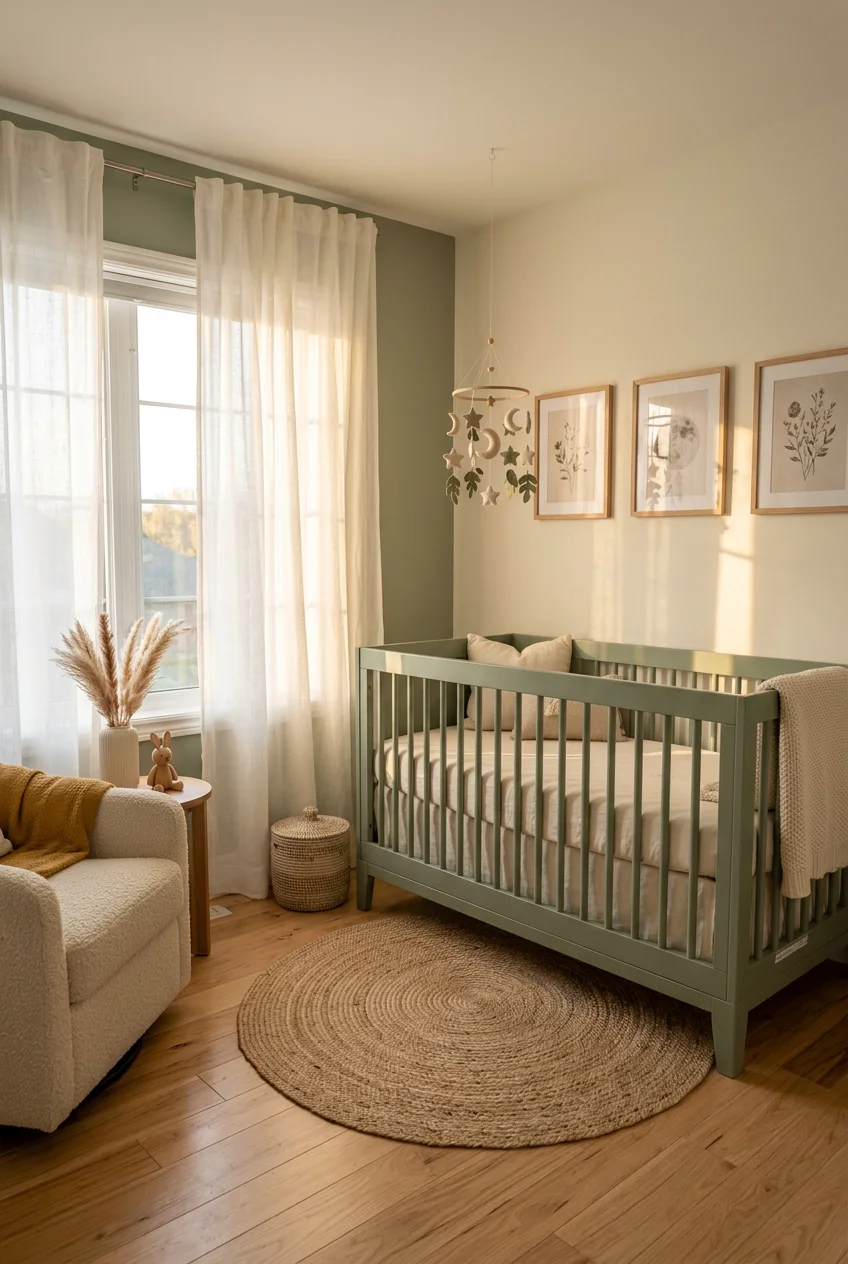
Move away from bright pastels and go for warm, earthy neutrals. Try soft sage green, warm stone, mushroom, muted terracotta, or dusty clay. These shades bring warmth without relying on tired stereotypes. Think Benjamin Moore’s “Saybrook Sage HC-114” or Sherwin-Williams’ “Alpaca” for a calm, nature-inspired backdrop. A gallon of premium eggshell paint from Home Depot or Lowe’s usually runs $45 to $70. Use two solid coats over a good primer to get the real depth of the color. Most people pick a swatch that looks great, only to realize it looks neon on four walls. I learned that the hard way. Earthy tones have a lower light reflectance value, which absorbs harsh sun and makes for a cozier nap environment. Always test a 12×12 inch square on multiple walls to see how afternoon shadows change the pigment.
Best for: Rooms with strong southern sunlight that need visual cooling down.
The catch: Sage greens can look muddy in north-facing rooms with poor natural light.
2. Prioritize GREENGUARD Gold Certified Furniture

Keep your baby’s room free from chemicals by picking GREENGUARD Gold Certified furniture. This certification tests for over 360 volatile organic compounds (VOCs). Uncertified furniture often off-gasses, releasing a sharp chemical smell that hangs around for weeks. Brands like Babyletto, DaVinci, and Namesake offer cribs that meet these air quality standards. For example, the Babyletto Hudson 3-in-1 Convertible Crib (usually $300 to $400 at Target) is a solid choice. It features New Zealand pine and non-toxic, water-based paint. The spindle design allows for airflow while keeping the look clean. You’re going to spend hundreds of hours leaning over this piece, so avoiding harsh industrial finishes is worth it.
The catch: GREENGUARD certification often adds a 20 to 30 percent premium to the price compared to standard models.
3. Invest in Convertible Cribs for Longevity

Pick a crib that turns into a toddler bed to save money and get more use out of it. Modern cribs, like the DaVinci Jenny Lind Crib ($150 to $250 at Walmart or Amazon), are built to grow as your child does. This model features classic spindles that fit any neutral design. A solid convertible crib has multiple mattress heights on a metal spring base. Start with the mattress high for a newborn, saving your back during those late-night sessions. As the baby starts to pull up, drop the mattress to the lowest setting, leaving about 26 inches of clearance from the top rail. It’s practical, economical, and lets the furniture last well beyond the infant stage.
The catch: The toddler rail kit is almost never in the base box and costs an extra $50 to $90.

Beautiful Wooden Baby Closet Dividers Set of 7
Beautiful Wooden Baby Closet Dividers Set of 7 – Double-Sided Organize is sturdier in person than the photos suggest — over 11 buyers gave it 4.5 stars.
4. Layer Textures for Depth and Warmth

To keep neutral palettes from feeling bland, mix up your textures. A room with flat walls, smooth floors, and a plain cotton sheet feels cold. Add a chunky knit blanket on the glider, a linen canopy in a corner, a bouclé nursing chair, and water hyacinth baskets for storage. A Ruggable nursery rug ($100 to $400) adds softness and is machine-washable. Mixing materials like rough rattan, soft brushed cotton, and nubby wool creates visual interest without needing bright colors. When you stick to muted tones, texture does the heavy lifting to make the room look styled. If a mess happens, mix 1/2 cup of mild detergent with warm water to spot-clean the baskets.
Best for: Homes with pets or messy toddlers who need washable surfaces.
The catch: Washable rugs are thin, so you’ll need a separate, pricey pad underneath for comfort.
5. Select the Right Rug Size for Functionality and Safety

The rug size changes the whole feel of the room. Most people buy a tiny 4’x6′ rug and put it in the center, leaving furniture floating awkwardly. For a medium nursery, a 160×230 cm (about 5’x7′ to 6’x9′) rug works well to anchor the front legs of the crib and glider. For larger rooms, an 8’x10′ or 9’x12′ rug from IKEA or West Elm defines the space and supports floor play. Make sure the rug extends at least 24 inches beyond the crib on all sides. This gives you a soft landing for bare feet during 3 AM wake-ups. Always use a non-slip pad so the rug doesn’t slide on hardwood.
The catch: A massive 9’x12′ rug will overwhelm a 10’x10′ bedroom, bunching against baseboards and blocking closet doors. You might also like: 15 Baby And Toddler Shared Room That Actually Work
6. Install Blackout Curtains for Optimal Sleep

Blackout curtains are vital for blocking streetlights and helping babies learn day from night. Mount a 1-inch curtain rod high, about 4 inches below the ceiling, and extend it 10 to 12 inches past the window frame. This placement makes the window look much bigger. Standard panels are usually 50 inches wide by 84 inches long and come in heavy fabrics like oatmeal linen or charcoal grey. The hem should barely brush the floor or puddle by 3 to 4 inches for a polished look. Short curtains that stop at the sill look cheap and let light bleed into the room. You might also like: 17 Nursery Ideas Girl for Every Budget
The catch: True blackout fabric is heavy, so use drywall anchors instead of tension rods to keep it from ripping out of the wall. You might also like: 17 Boys Nursery Ideas That Actually Work

Criusia Drawer Organizer Clothes
If you want something that just works, Criusia Drawer Organizer Clothes is a safe bet (12 reviews, 4.5 stars).
7. Incorporate Bold, High-Contrast Accents for Visual Stimulation

Newborns can’t see subtle pastels well. Add pops of high-contrast color to help them focus. Think black and white geometric patterns or primary colors in toys, art, or a crib sheet. A graphic mobile hung 8 to 12 inches above the crib is great for a baby on their back. You don’t need a black accent wall to do this. Small touches break up the beige and give the baby something to look at during tummy time. High-contrast books on open shelving work perfectly.
Best for: Minimalist spaces needing a focal point to break up neutral tones.
The catch: Too much contrast in the direct line of sight can overstimulate a baby and keep them awake during naps.
8. Choose Versatile, Nature-Inspired Gender Neutral Nursery Themes

Pick themes that grow with your child for five years. Woodland creatures, safari animals, or celestial bodies work well. A subtle forest-themed mural creates a backdrop that isn’t too juvenile. You can find peel-and-stick options at Pottery Barn Kids or Crate & Kids ($150 to $350). The trick is restraint. If you go with a safari theme, you don’t need zebra curtains, a lion rug, and monkey lamps. Pick one focal piece and hint at the theme with rattan or wood shelves. Wipe the wall clean and let it dry for 24 hours before applying adhesive.
The catch: Specific animal themes can feel dated by the time the child hits preschool, leading to a full redo.
9. Avoid Overly Bright or Saturated Wall Colors

Avoid electric blues or highlighter yellows. These colors can overstimulate babies and mess with their sleep. Stick to muted tones for walls and ceilings. Bring in brighter colors through decor like books and pillows. When you walk into a room with four bright yellow walls, your heart rate actually goes up. A dusty, muted mustard tone gives you the warmth without the assault. Paint is cheap, but repainting while wrangling a toddler is a nightmare. View paint samples at 8 AM, 2 PM, and 8 PM to see how the light changes them.
The catch: Muted neutrals show scuffs, dirt, and fingerprints much faster than darker colors.
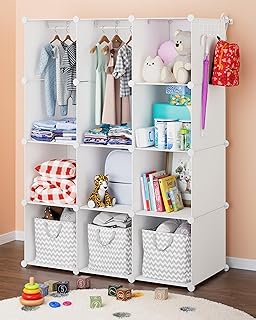
CUBEDIY Baby Closet Organizer for Nursery: Durable Baby
A dependable everyday pick — CUBEDIY Baby Closet Organizer for Nursery: Durable Baby Wardrobe for C pulls in 342 ratings at 4.5 stars. Not flashy, just solid.
10. Anchor All Furniture to the Wall

Safety is the most important part of the nursery. Always anchor dressers and bookshelves to the wall using anti-tip kits. This stops accidents once a baby starts pulling up around 9 to 12 months. When a toddler opens a bottom drawer, the center of gravity shifts. If they put their weight on it, a 150-pound dresser can easily tip. Use a stud finder to locate wood studs, and secure the strap with a 2-inch screw. Never rely on plastic drywall anchors for heavy furniture. If your baseboards are thick, you might need to pull the furniture slightly away from the wall to make the straps reach.
The catch: Securing a wide dresser requires two studs, which aren’t always centered where you want the piece to sit.
12. Layer Lighting for Functionality and Ambiance

Don’t just use one glaring overhead light. Layer it with a main fixture, a reading lamp by the glider, and a soft nightlight near the changing table. Dimmers are a must for late-night feedings. A rattan pendant from West Elm ($150 to $250) adds texture and warm shadows. Use bulbs with a color temperature of 2700K to 3000K. This warm, amber light doesn’t disrupt melatonin production. Bright 4000K daylight bulbs belong in a garage, not a room where you want to sleep. Secure lamp cords with 3M clips to prevent strangulation hazards.
The catch: Adding a wall dimmer switch requires basic electrical knowledge or hiring a pro.
12. Integrate Personal Touches and Heirloom Items

Make the nursery yours with personal keepsakes, handcrafted mobiles, or vintage art. These elements make the space feel curated rather than like a catalog. A framed vintage map or a hand-carved toy on a shelf adds history. In a neutral room, these items become the focus. Use UV-protective glass for old photos so they don’t fade. Just make sure any heavy frames are securely fastened to the wall and kept at least 3 feet above the crib.
Best for: Budget decorators who want a custom look without buying new art.
The catch: Vintage heirloom furniture often fails modern safety standards and should be for decor only, not for sleep.

Criusia Over the Door Organizer
A dependable everyday pick — Criusia Over the Door Organizer pulls in 336 ratings at 4.5 stars. Not flashy, just solid.
13. Opt for Washable and Easy-to-Clean Materials

Nurseries get messy, so choose items that are easy to clean. Look for washable rugs, wipeable faux-leather, and machine-washable bedding. The Newton Baby Crib Mattress ($250 to $350) is a great example. Its core is made of a woven polymer that you can actually wash from cover to core. When a diaper leaks at 3 AM, you can take the core into the shower and hose it down. It’s a different level of hygiene compared to just wiping down vinyl. You’ll need to let it air dry for several hours before putting sheets back on.
The catch: Washable, breathable mattresses are much more expensive than standard foam options.
14. Don’t Over-Decorate (Less is Often More)

It’s tempting to fill the room with stuffed animals, but clutter feels stressful. Focus on functional pieces and a few decorative items. A minimalist room with hidden storage helps tired parents relax. Use 12×12 inch canvas cubes to hide the noise of plastic toys and diaper boxes. Leave floor space for a play mat. If every inch of the wall is covered in shelves and banners, the room will feel claustrophobic. Use slim velvet hangers in the closet to keep the focus on the clothes.
Best for: Small nursery spaces under 100 square feet.
The catch: Extreme minimalism leaves you with zero hidden storage for all the bulky baby gear you’ll need.
15. Consider a Statement Wall with Gender Neutral Nursery Wallpaper

Instead of painting everything one color, create a focal point with wallpaper or a mural. Grey herringbone, botanical prints, or abstract brushstrokes add depth without overwhelming the room. It’s a more sophisticated look than a plain accent wall. Apply the paper behind the crib to draw the eye immediately. When ordering, measure your wall and add 2 inches to account for crooked ceilings. Get a smoothing tool and a sharp utility knife to trim the edges perfectly along the baseboards.
Best for: Renters with smooth walls who want a big impact without losing their deposit.
The catch: Most peel-and-stick wallpaper has strong adhesive that will rip off flat-finish paint when you remove it.
How we chose these ideas: We picked these based on long-term use, renter-friendliness, and safety. We prioritized high impact for a moderate cost, leaning toward non-toxic materials and functional layouts over temporary, gendered trends.
Designing a neutral space gives you the flexibility to let the room evolve. Skip the themed, brightly colored decor and focus on quality textures, safe furniture, and smart lighting. You’ll end up with a room that feels peaceful for both you and the baby. Save this list so you have these measurements, paint colors, and safety tips ready when you start decorating.

SNSLXH 5 Pack Stackable Closet Storage Basket
SNSLXH 5 Pack Stackable Closet Storage Basket has been one of the most consistently praised picks in this category. 43 reviewers averaged 4.5/5.
Frequently Asked Questions
What colors are best for a gender neutral nursery?
Warm, earthy tones are ideal. Colors like soft sage green, warm stone, muted terracotta, and dusty clay provide personality without relying on traditional pinks or blues. These shades absorb harsh light and create a calming environment for sleep.
How do I make a neutral nursery feel less boring?
Layering textures is the key. Mix materials like a chunky knit blanket, a bouclé nursing chair, linen curtains, and woven water hyacinth baskets. This adds visual depth and warmth without needing bright, saturated colors.
What size rug should I buy for a nursery?
For a standard room, an 8’x10′ rug works best to anchor the crib and glider. Ensure the rug extends at least 24 inches beyond the crib on all sides to provide a soft landing zone during late-night feedings.
Why is GREENGUARD Gold certification important?
GREENGUARD Gold certified furniture is rigorously tested for over 360 volatile organic compounds (VOCs). This ensures the crib won’t off-gas harsh chemicals, providing a safer and cleaner indoor air quality for your baby’s developing lungs.
