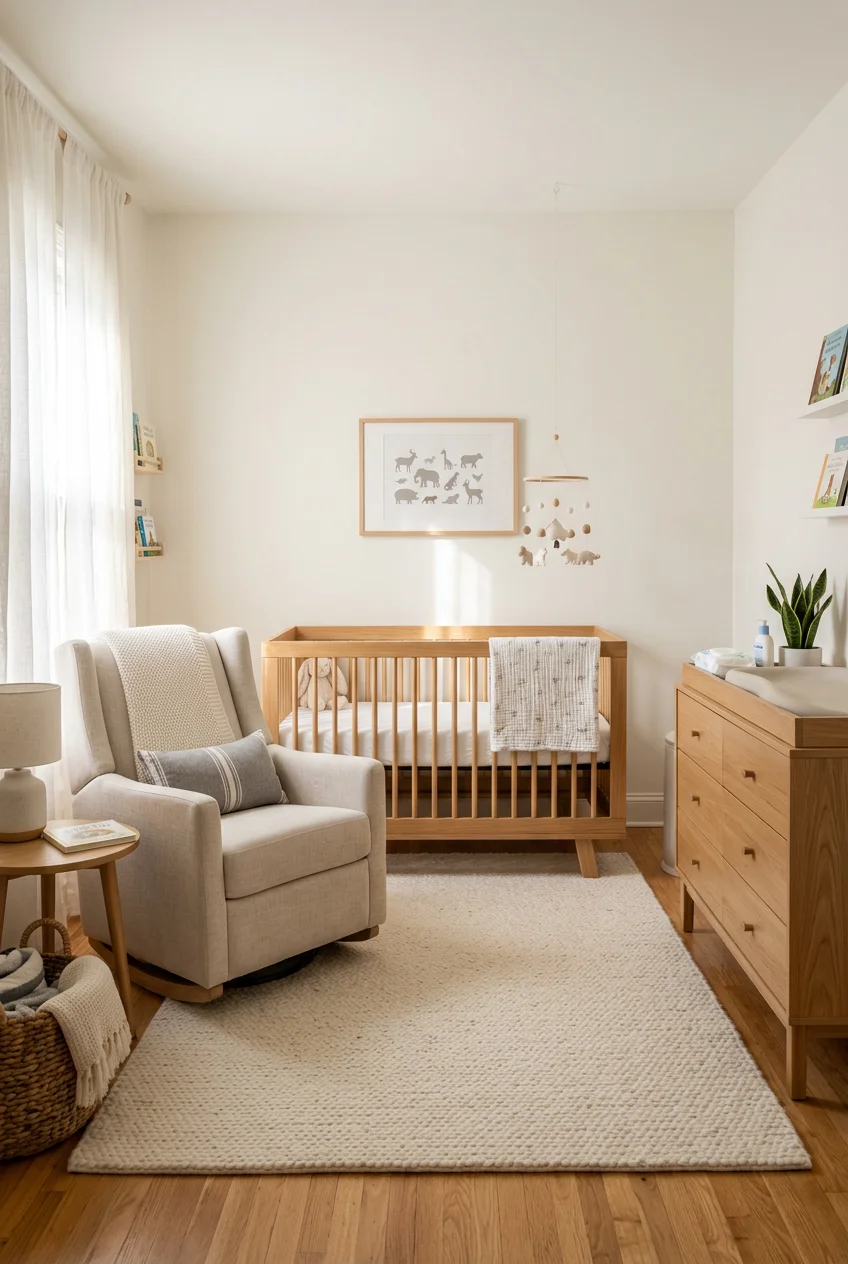
What’s Inside
- Prioritize Safety with Crib Placement in Your Nursery Furniture Layout
- Adhere to Strict Crib Safety Standards
- Invest in Multifunctional, Convertible Furniture
- Optimize Changing Station Efficiency
- Create a Comfortable and Well-Lit Feeding Nook
- Embrace Vertical and Hidden Storage Solutions
- Plan for Future Growth (Avoid the “Baby Phase” Trap)
- Anchor All Heavy Furniture to the Wall
- Implement Layered and Adjustable Lighting
- Maintain Clear Pathways for Easy Movement
- Trend Alert 2026: Embrace Biophilic Design
- Position the Crib Perpendicular to the Wall
- Utilize Mirrors Strategically in Your Nursery Furniture Layout
- Avoid Overcrowding the Space
- Consider a Mini Crib for Compact Nurseries
Most people shove the crib against the window, toss a rug on the floor, and call it a day. That’s a mistake. Your nursery layout dictates how you function at 3 a.m. on zero sleep. If the flow is off, you’re tripping over chairs and waking the baby every time you open the door. Setting up a nursery takes exact measurements, smart lighting, and a blunt look at what you actually need versus what looks cute online. If you only try one thing from this list, make it #12. Positioning the crib perpendicular to the wall changes the room’s flow and gives you back usable space. Trust me.
Skip this if: You’re following a Montessori floor bed philosophy or planning to co-sleep for the first three years. These layouts assume you’re using a standard or mini crib in a dedicated nursery.
1. Prioritize Safety with Crib Placement in Your Nursery Furniture Layout

The most common error is putting the crib under a window. It looks great, but it’s a volatile spot. Windows mean cold drafts in winter and baking sunlight in summer. Even with heavy blackout curtains from Target ($30 to $50), the temperature shift near the glass is too much for an infant. Always pick a solid interior wall. This keeps the baby away from radiators, drafts, and the strangulation hazards of blind cords. A solid wall also anchors the room, making the furniture arrangement fall into place. You’re building around the sleep space. The catch: interior walls often dictate where the door or closet sits. If your only solid wall is by the door hinge, you might startle the baby every time you peek in.
2. Adhere to Strict Crib Safety Standards

A beautiful crib is useless if it’s not safe. Ensure your choice meets JPMA, ASTM, and CPSC standards. The math here is non-negotiable. Slats shouldn’t be more than 2 3/8 inches (6 cm) apart to prevent head entrapment. The mattress must fit snugly. If you can fit more than two fingers between the mattress and the frame, the gap is too big and poses a suffocation risk. Also, the mattress shouldn’t be thicker than 6 inches. High-end breathable options like the Newton Baby mattress ($250 to $350) or firm options from Walmart both need to follow these dimensions. The catch: safe infant mattresses feel like bricks. This leads many parents to add soft pads. Don’t do it.
3. Invest in Multifunctional, Convertible Furniture

Buying furniture that lasts only twelve months drains your budget. Choose pieces that grow with the child. A convertible crib is the smartest anchor. The DaVinci Charlie 4-in-1 (roughly 54.75″ x 30.5″ x 43.75″) or the Graco Benton 4-in-1 can turn from a crib to a toddler bed, a daybed, and eventually a full-size bed. You can find these at Amazon or Wayfair in the budget to mid-range tier. Planning for a convertible piece means you won’t have to overhaul the room when your toddler learns to climb out. Best for: budget-conscious planners. The catch: the toddler rail and bed conversion kits are almost always sold separately. If you don’t buy them early, they often go out of stock by the time you actually need them.

Beautiful Wooden Baby Closet Dividers Set of 7
If you want something that just works, Beautiful Wooden Baby Closet Dividers Set of 7 – Double-Sided Organize is a safe bet (11 reviews, 4.5 stars).
4. Optimize Changing Station Efficiency

A changing station needs to function like an operating table. Everything must be within reach because you can’t step away while the baby is on the pad. Put the changing table or a wide dresser next to the crib. Using a secure topper like the Skip Hop Nursery Style Wipe Clean Changing Pad (30.3″ x 15.75″ x 2.75″) on an IKEA Hemnes dresser works well. Keep diapers, wipes, and a 4 oz tube of cream in the top drawer or a basket on the surface. You’ll do this ten times a day early on. Efficiency saves your sanity. The catch: wipe-clean pads are practical, but they get freezing cold in winter. Putting a sleepy baby on a cold surface at 2 a.m. will wake them up fast. You might also like: 17 Church Nursery Ideas for Every Budget
5. Create a Comfortable and Well-Lit Feeding Nook

The feeding nook needs more space than people think. Dedicate a corner for a wide, comfortable glider or rocker. Brands like Nurture&, Babyletto, or DaVinci offer GREENGUARD Gold certified options ($300 to $600). You need a side table, maybe a metal tray table from Costco, for a 32 oz water bottle, snacks, and burp cloths. Layered lighting is key. A harsh overhead light will wake the baby, so use a dimmable wall sconce or a shaded floor lamp. The catch: modern gliders with wide armrests eat up square footage. In a 10×10 room, a plush recliner often blocks the closet or crowds the dresser. You might also like: 15 Gender Neutral Nursery Themes for Every Budget
6. Embrace Vertical and Hidden Storage Solutions

Babies are tiny, but their gear is massive. If you only use floor baskets, the room will feel cluttered. Use vertical storage by installing bookcases or wall-mounted shelves. Upsimples Clear Acrylic Shelves are great for displaying books without adding visual weight. Use soft bins like Pehr Canvas Storage Containers or IKEA FLÅDIS baskets. These fit into IKEA KALLAX units (usually under $100) to keep swaddles and toys hidden. A dresser with deep drawers hides bulky items like winter blankets. Best for: nurseries under 100 square feet. The catch: deep, opaque bins become black holes. Socks and pacifiers sink to the bottom, forcing you to dump the whole bin to find one item.
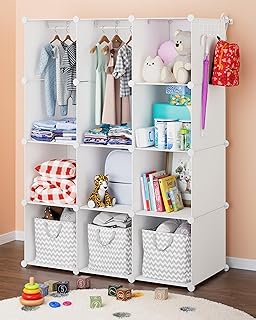
CUBEDIY Baby Closet Organizer for Nursery: Durable Baby
CUBEDIY Baby Closet Organizer for Nursery: Durable Baby Wardrobe for C punches above its price — 342 buyers rated it 4.5 stars. The kind of pick people reorder.
7. Plan for Future Growth (Avoid the “Baby Phase” Trap)

Designing a room full of cartoon elephants is a trap. Kids outgrow themes before they can talk. Design for longevity with a neutral base. Use paint colors like warm beige, soft sage, or muted terracotta. Choose a washable area rug, like a Ruggable low-pile option (mid-range pricing), in a classic pattern rather than a novelty print. You can add personality with cheap, swap-able accessories like crib sheets and framed art. When your two-year-old decides they only care about construction vehicles, you’re just swapping a $20 poster, not repainting a mural. The catch: neutral rooms can feel cold if you don’t layer textures like chunky knit blankets and woven shades to add warmth. You might also like: 18 Baby Girl Room Decorating Ideas for Every Budget
8. Anchor All Heavy Furniture to the Wall

This is a non-negotiable safety rule. You must anchor heavy furniture to wall studs. This includes dressers and changing tables. Once a baby becomes a toddler, they’ll pull out drawers and use them as a ladder. A 6-drawer dresser can crush a child in seconds. Buy heavy-duty anti-tip kits, like the steel cables from Hangman at Home Depot (under $20), and install them before the baby arrives. Don’t rely on the cheap plastic zip-ties that come with flat-pack furniture; they get brittle and snap. Best for: homes with active toddlers or large dogs. The catch: proper anchoring means drilling holes through your drywall into the studs. You’ll have to patch and paint whenever you rearrange the room.
9. Implement Layered and Adjustable Lighting

Lighting dictates the mood. A single ceiling fixture is useless for infant care. Start with blackout curtains to help with naps. Next, put the main light on a dimmer. Finally, add a soft bedside lamp or a smart nightlight like the Hatch Rest (about $60 to $70) near the chair. You need enough amber light at 2 a.m. to see a diaper without waking the baby up fully. The catch: smart lights and Wi-Fi sound machines have a habit of disconnecting or running forced updates exactly when you’re holding a screaming baby at 3 a.m.

Criusia Drawer Organizer Clothes
If you want something that just works, Criusia Drawer Organizer Clothes is a safe bet (12 reviews, 4.5 stars).
10. Maintain Clear Pathways for Easy Movement

A beautiful room is useless if you can’t walk through it in the dark. Ensure there’s space for movement, especially when you’re carrying a sleeping baby. Aim for pathways at least 24 to 31 inches wide between furniture. Keep the line between the door, crib, and changing table clear. Don’t place poufs or thick rugs from Target in these traffic lanes. They’re tripping hazards. The catch: keeping a 30-inch clearance usually means pushing all furniture against the walls. This creates a boxy, uninspired layout that looks more like a waiting room.
11. Trend Alert 2026: Embrace Biophilic Design

Biophilic design is big for 2026, focusing on bringing outdoor elements inside. Ditch the glossy white furniture for natural materials. Look for solid woods, like the New Zealand pinewood in DaVinci cribs, alongside rattan and bamboo. Pair these with earthy tones like sage, terracotta, cocoa, and alabaster. You can source rattan wall baskets from Crate & Kids (premium pricing) to add texture above the dresser. It creates a calming environment. The catch: natural rattan splinters easily. It also features tiny crevices that collect dust, so you’ll need to vacuum the furniture weekly.
12. Position the Crib Perpendicular to the Wall

If the room allows, stop pushing the long side of the crib against the wall. Positioning the crib perpendicular to the wall (with only the short end touching) changes the space. It feels more open and makes the crib the focal point. Practically, having access to both long sides makes changing fitted sheets much easier. It also provides space to hang a mobile, like a felted wool option from West Elm, over the center of the bed. Best for: square rooms over 12×12 feet. The catch: a perpendicular layout eats up the center of the room. It reduces the open floor area available for tummy time or crawling.

Criusia Over the Door Organizer
If you want something that just works, Criusia Over the Door Organizer is a safe bet (336 reviews, 4.5 stars).
13. Utilize Mirrors Strategically in Your Nursery Furniture Layout

Nurseries are often the smallest room in the house. A well-placed mirror makes the space feel larger by bouncing light around. An arched brass mirror from Target (budget to mid-range) above the dresser adds style and keeps babies entertained during changes. Ensure the mirror is bolted to the studs—not just hung on a nail—and placed out of reach. Best for: dark, north-facing rooms. The catch: if you place a mirror opposite a window, it can catch the afternoon sun and bounce a blinding glare into the crib while the baby is napping.
14. Avoid Overcrowding the Space

Resist the urge to fill every corner. An overcrowded room feels chaotic and increases the risk of accidents. You don’t need a massive floor lamp, a giant giraffe from Pottery Barn Kids, a teepee, and a bookshelf all in one room. Prioritize the essentials: sleep space, changing station, feeding chair, and storage. Leave the rest open. Negative space allows the room to breathe. The catch: minimalism requires constant decluttering. You have to rotate out clothes and find ways to hide the brightly colored plastic toys that relatives inevitably send you. I learned that the hard way.
15. Consider a Mini Crib for Compact Nurseries

If you’re in a room under 10 by 10 feet, a standard crib will dominate the floor. A mini crib is a practical, space-saving solution. The DaVinci Kalani Mini Crib (about 40″ x 28.75″ x 38.25″) or the DaVinci Emily Mini Crib offer the same safety features as standard cribs but with a smaller footprint. You can find these on Amazon or Wayfair in the budget to mid-range tier. They support children up to 35 lbs or roughly 18 to 20 months. Best for: apartment renters or master bedroom sharers. The catch: standard mattresses and sheets won’t fit. You’re forced to buy specialized bedding, which is harder to find and comes in fewer patterns. No exaggeration.
How we chose these ideas: We evaluated these layouts based on renter-friendliness, everyday flow, and strict adherence to pediatric safety guidelines. Cost and effort were weighted to ensure these setups work for realistic budgets and standard room sizes, prioritizing function over staging.
Setting up a room for a baby is an exercise in practical engineering. Focus on the measurements, secure the heavy items, and protect your walking paths. Save this guide and reference it when you’re standing in an empty room with a tape measure, trying to figure out where the dresser actually fits.

Vailando 6-Shelf Hanging Closet Organizer with 3 Drawers
If you want something that just works, Vailando 6-Shelf Hanging Closet Organizer with 3 Drawers is a safe bet (35 reviews, 4.5 stars).
Frequently Asked Questions
Where is the safest place to put a crib in a nursery?
The safest place for a crib is on a solid interior wall, completely away from windows, radiators, and blind cords. This placement protects the infant from temperature drafts, direct sunlight, and the severe strangulation hazards associated with window treatments.
How much space do I need between nursery furniture?
You should maintain pathways that are at least 24 to 31 inches (60 to 80 cm) wide between all major furniture pieces. This ensures you can walk through the room safely in the dark while carrying a baby without tripping.
Can I put a changing table next to the crib?
Yes, placing a changing table or a dresser with a secure changing topper directly adjacent to the crib is highly efficient. It allows you to move a soiled baby quickly to the changing pad, minimizing mess and streamlining late-night diaper changes.
Does a mini crib save enough space to matter in a nursery furniture layout?
Yes. A mini crib is typically 10 to 14 inches shorter in length than a standard crib. In a small room under 100 square feet, that extra foot of clearance can be the difference between fitting a comfortable feeding glider or having to stand.
