What’s Inside
- Embrace Earthy Neutrals and Biophilic Design
- Invest in a GREENGUARD Gold Certified Crib
- Snag an Ergonomic Glider with Performance Fabric
- Choose Zero-VOC Paint and Ventilate Properly
- Layer Your Lighting with Warm-Toned Bulbs
- Pick the Right Rug Size for Safety
- Maximize Storage with Dresser Combos
- Anchor Absolutely Every Piece of Furniture
- Skip the Strict Themes for Modern Boys Nursery Ideas
- Swap Cool Metals for Warm Hardware
- Try Limewash or Venetian Plaster Walls
- Build a Mobile Diaper Station Cart
- Install Blackout Curtains and Cordless Blinds
- Paint a Subtle Ceiling Mural
- Buy Furniture That Grows With Them
- Incorporate Sensory Textures for Creative Boys Nursery Ideas
- Organize the Closet by Clothing Size
Last Tuesday at Target, I watched a very pregnant mom burst into tears in the baby aisle while holding a neon blue crib sheet. I get it. When I was pregnant with my first, I painted the entire room a blinding primary blue that smelled like cheap nail polish for three weeks, completely ruining my first batch of boys nursery ideas. I had to sand it all down and start over. Figuring out boys nursery ideas doesn’t have to end in a meltdown near the diaper pails. Let’s skip the overly themed cartoon explosions. I’ve put together a list of practical, stunning setups you can actually pull off this weekend. These are the exact strategies I use with my design clients.
1. Embrace Earthy Neutrals and Biophilic Design

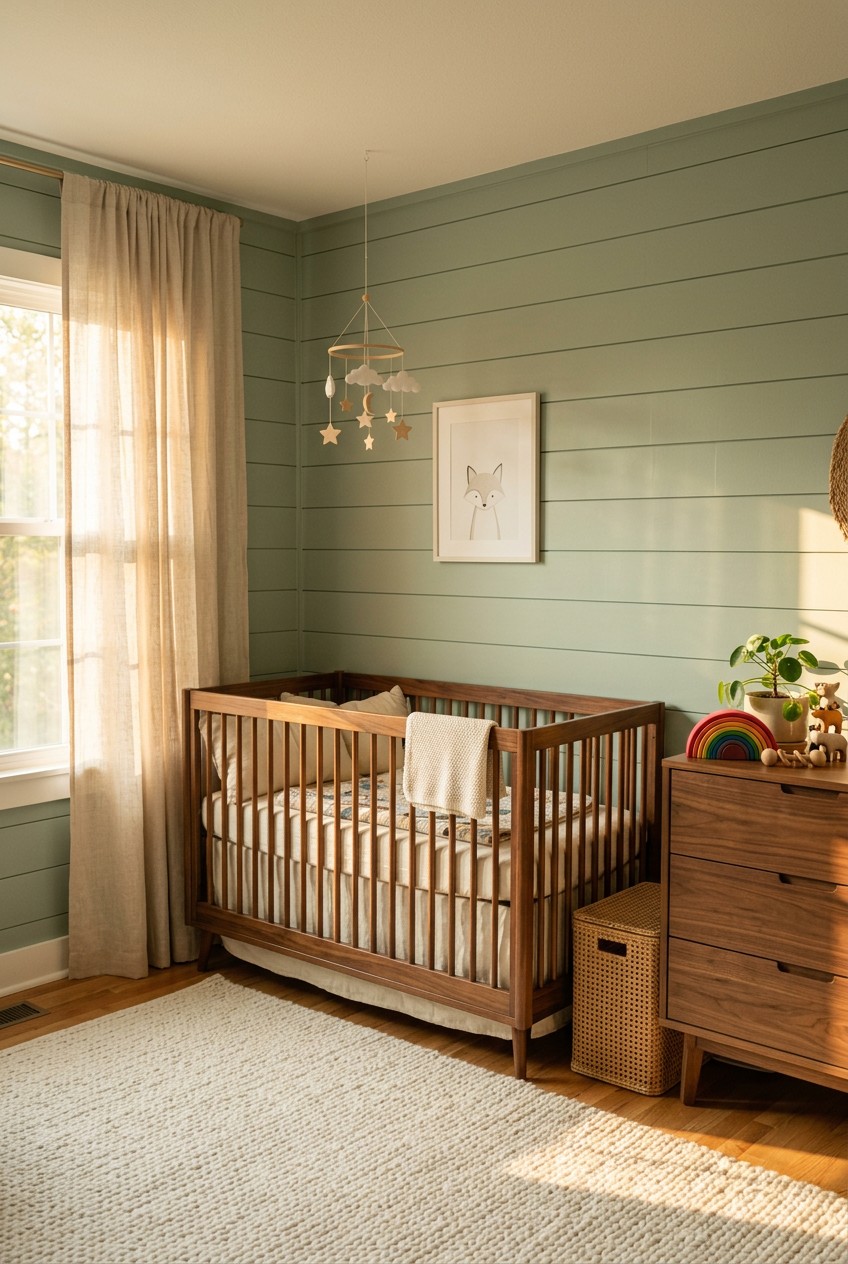
Skip the stark hospital white. I’m obsessed with bringing warm, grounding colors into a space. Think sage green, terracotta, cocoa brown, hazelnut, and creamy alabaster. I tried a stark white room once for a client in Seattle, and the echoey, cold vibe felt exactly like a sterile dentist’s office. Never again. Now I lean heavily into biophilic design. This means natural materials like rough-hewn wood, woven rattan, bamboo, and scratchy jute. You want the room to feel like a deep breath in a forest. For the centerpiece, I highly recommend the Nurture& Newport Crib. It costs $799.00 and is made from sustainably harvested wood. It’s JPMA certified and meets strict ASTM safety standards. I ran my hands over the smooth, raw wood finish at a trade show last month, and the buttery texture is incredible. Add a woven jute basket in the corner for storing heavy blankets. It instantly warms up the room and adds much-needed texture.
2. Invest in a GREENGUARD Gold Certified Crib

You absolutely need a GREENGUARD Gold certified crib. I can’t stress this enough. These specific cribs are rigorously tested for over 10,000 chemicals and VOCs. Babies chew on the wooden rails. They breathe the air right next to the mattress for twelve hours a day. I once bought a cheap, uncertified crib from a discount site, and the sour chemical smell gave me a raging headache for two days. I dragged it straight to the curb. Instead, grab something reliable like the Babyletto Hudson 3-in-1 Convertible Crib for $699.00. If you’re on a tighter budget, the DaVinci Charlie 4-in-1 Convertible Crib is fantastic at $449.00. Both options convert to toddler and daybeds later. I set up the DaVinci Charlie for my nephew last summer, and the solid pine feels incredibly sturdy. Plus, knowing it won’t off-gas toxic junk into his tiny lungs gives me major peace of mind.
3. Snag an Ergonomic Glider with Performance Fabric

Don’t buy a vintage wooden rocking chair. I repeat, don’t do it. I bruised my tailbone sitting in a stiff antique rocker for a 3 AM feeding session with my oldest son. Learned that the hard way. You want a high-quality, ergonomic glider covered in thick performance fabric. Babies spit up. A lot. You need a fabric that wipes completely clean when covered in 4 oz of warm, sour-smelling formula. The Babyletto Kiwi Swivel Glider Recliner is my absolute favorite piece of furniture. It usually runs around $799.00. It features a built-in USB charging port and a smooth 270-degree swivel. I also love the Nurture& The Glider Plus, which sits in the $1,000+ range but offers incredible lumbar support. The performance fabric feels like soft linen but repels liquid like a heavy-duty raincoat. Trust me on this, when you’re exhausted and covered in milk, a plush, reclining glider is worth every single penny.

Beautiful Wooden Baby Closet Dividers Set of 7
Beautiful Wooden Baby Closet Dividers Set of 7 – Double-Sided Organize punches above its price — 11 buyers rated it 4.5 stars. I would buy it again.
4. Choose Zero-VOC Paint and Ventilate Properly

A massive mistake I see parents make is ignoring harsh paint fumes. Regular paint releases Volatile Organic Compounds (VOCs) that smell terrible and are awful for tiny, developing lungs. I painted a client’s accent wall with standard latex paint once, and the sharp chemical odor lingered for an entire month. Now, I strictly use zero-VOC paints. AFM Safecoat, ECOS Paints, and Benjamin Moore Eco Spec are my go-to brands. A gallon of Benjamin Moore Eco Spec costs about $55.99. Paint the nursery several weeks before your due date. Open all the windows and set up a loud box fan to ensure good ventilation for at least 24 to 48 hours after painting. The off-gassing process is very real. You want the room smelling like fresh laundry, not a dusty auto body shop, by the time your baby finally sleeps there. Don’t rush this step.
5. Layer Your Lighting with Warm-Toned Bulbs

Harsh overhead lighting is the absolute enemy of infant sleep. I made the mistake of leaving a bright, 5000K daylight bulb in my nursery ceiling fan. Flipping that switch at 2 AM was like staring directly into the midday sun. The baby screamed. I cried. It was completely awful. Instead, create a serene environment with layered lighting. You need a soft overhead fixture, a warm-glow table lamp on the dresser, and a plug-in sconce near the glider. Put absolutely everything on dimmers. Buy warm white bulbs with a color temperature of 2700K to 3000K. I grab 4-packs of Philips LED warm glow bulbs at Kroger for about $14.99. This specific color temperature mimics a soft sunset. It supports natural circadian rhythms and cues your baby’s brain that it’s time to sleep. A soft, warm glow makes the room feel like a cozy, safe little cave. You might also like: 15 Charming Safari Nursery Lighting Ideas for Every Budget
6. Pick the Right Rug Size for Safety

Most people buy rugs that are way too small. A tiny 3×5 rug floating in the middle of the room looks ridiculous and creates a massive tripping hazard for exhausted parents. For a standard 100 to 120 square foot nursery, a 4×6 foot rug is the absolute minimum, but I usually push for a 5×8. You want the front legs of the crib, the heavy changing table, and your rocking chair to sit firmly on the edges of the rug. This anchors the furniture safely. Look for a pile height between 0.75 and 1.25 inches. I bought a super shaggy Moroccan rug once, and it trapped every single dropped pacifier and fuzzy dust bunny. Plus, it was impossible to vacuum. A medium pile height gives you that plush, sink-your-toes-in feeling without turning into a crumb catcher. I found a gorgeous 5×8 washable wool rug at Costco last month for $149.99 that fits these specs perfectly. You might also like: 20 Clever Daycare Nursery Room Ideas You Can Try Today

Criusia Drawer Organizer Clothes
A dependable everyday pick — Criusia Drawer Organizer Clothes pulls in 1 ratings at 4.5 stars. Not flashy, just solid.
7. Maximize Storage with Dresser Combos

Babies require an insane amount of stuff. Tiny socks, damp burp cloths, swaddles, and endless tubes of thick diaper cream. Skip the standalone changing table. It’s a massive waste of money and precious floor space. Instead, buy a wide, sturdy dresser and secure a contoured changing pad to the top. I use the IKEA HEMNES 8-drawer dresser, which costs $299.00. It’s the absolute perfect height for changing diapers without wrecking your lower back. Utilize your vertical space to keep things organized. I hang simple floating wooden shelves from local hardware stores directly above the dresser for heavy board books and cute decor. Also, consider a crib with built-in drawers underneath. I stash extra cotton crib sheets and heavy winter blankets down there. Keeping the visual clutter hidden behind closed drawers makes the room feel significantly larger and much more relaxing to sit in during long nights. You might also like: 15 Inspiring Rustic Nursery Room Ideas to Inspire Your Next Project
8. Anchor Absolutely Every Piece of Furniture

This isn’t just a fun design tip. It’s a non-negotiable safety mandate. You must anchor your heavy dressers, tall bookshelves, and any freestanding furniture directly to the wall. I used to think my heavy solid oak dresser was safe because it weighed a ton. Then my toddler pulled out the bottom three drawers, tried to climb them like stairs, and the whole thing violently tipped forward. I caught it just in time, but my heart totally stopped. Buy heavy-duty metal anti-tip kits immediately. You can get a 4-pack of Safety 1st furniture straps at Walmart for $9.98. Drill them directly into the wooden wall studs. Do not rely on cheap drywall anchors for heavy furniture. Babies are surprisingly strong once they start pulling up and cruising along furniture edges. Securing everything tightly to the wall takes twenty minutes and guarantees your baby’s room is actually a safe space.
9. Skip the Strict Themes for Modern Boys Nursery Ideas

I strongly dislike rigid, matching nursery themes. You don’t need matching dinosaur curtains, dinosaur rugs, and dinosaur lamps. It looks like a cheap catalog spread. When brainstorming modern boys nursery ideas, aim for a vibe like Storybook Whimsy or Playful Heritage. Embrace subtle, quiet storytelling. For a woodland feel, I love using the Chasing Paper Woodland Tan Peel and Stick Wallpaper for a single accent wall. It costs $45.00 per panel. The black-and-white sketch design looks highly sophisticated, not cartoonish. Pair that wallpaper with warm wood tones, soft earth-tone muslin crib sheets, and a vintage leather pouf. I did this exact setup for a client in Austin, and the room felt incredibly curated and peaceful. It gives the room deep character without boxing you into a loud theme your kid will definitely outgrow in two short years. I always tell my clients to decorate for a five-year-old, not a newborn. The baby won’t care, but you’ll appreciate the mature aesthetic.

Delta Children Nursery Storage 48 Piece Set
A dependable everyday pick — Delta Children Nursery Storage 48 Piece Set – Easy Storage/Organizatio pulls in 17 ratings at 4.5 stars. Not flashy, just solid.
10. Swap Cool Metals for Warm Hardware

Brushed nickel and shiny chrome look incredibly cold and sterile in a baby’s room. I used to use standard silver hardware on all my vintage dresser flips, but the rooms always felt a bit chilly and unwelcoming. Now, I swap out all the basic factory hardware for warm metals. Think antique brass, champagne bronze, or soft matte gold. You can buy a heavy 10-pack of champagne bronze drawer pulls on Amazon for about $24.99. Swap the cheap knobs on your dresser, the metal base of your table lamp, and the basic curtain rods. These warm tones blend beautifully with earthy paint palettes like sage green and dusty terracotta. They catch the dim evening light and add a timeless, cozy glow to the entire room. It’s a twenty-dollar fix that instantly makes a basic flat-pack IKEA dresser look like a high-end custom piece of furniture.
11. Try Limewash or Venetian Plaster Walls

Flat latex paint is fine, but if you want real, touchable texture, try limewash or authentic Venetian plaster. I am currently obsessed with Portola Paints limewash. A single gallon costs around $65.00. It creates this gorgeous, cloudy, suede-like texture on the walls that looks incredibly high-end. Besides looking stunning, finishes from brands like Romabio or Vasari are actually much healthier for the room. They are entirely natural, zero-VOC, and highly breathable. They naturally regulate moisture in the air. Some authentic lime plasters even absorb carbon dioxide as they cure. I spent a Saturday brushing a warm beige limewash onto my youngest son’s walls. My right arm felt like it was going to fall off from the repetitive cross-hatch brush strokes, but the soft, mottled finish was totally worth the intense sweat equity. If you’re tired of flat, boring drywall, this is the best weekend project you can tackle. Just make sure to buy the special masonry brush they recommend.
12. Build a Mobile Diaper Station Cart

You don’t need dedicated changing stations in every single room of your house. That just creates more expensive clutter. Instead, build a highly mobile diaper and nursing station. I rely heavily on the metal RÅSKOG utility cart from IKEA. It costs $39.99 and the caster wheels roll incredibly smoothly over rugs and hardwood. I stock the top tier with a large sleeve of diapers, a heavy pack of water wipes, and a 4 oz tube of thick Aquaphor. The middle tier holds tightly rolled-up burp cloths and extra clean onesies. The bottom tier is my personal nursing stash: a giant 40 oz insulated water bottle, sticky nipple cream, and crunchy granola bars. I roll this cart from the nursery to the living room to my bedroom. I tried carrying a flimsy felt diaper caddy around for weeks, and I constantly spilled things or forgot the wipes entirely. The rolling cart fixes all of that instantly.

Criusia Over the Door Organizer
If you want something that just works, Criusia Over the Door Organizer is a safe bet (208 reviews, 4.5 stars).
13. Install Blackout Curtains and Cordless Blinds

Dangling window blind cords are a massive strangulation risk for babies and toddlers. Cut them, tie them up high out of reach, or completely replace them with safe cordless cellular shades. Once the vital safety aspect is handled, you desperately need blackout curtains. Babies are terrible at napping in bright rooms. I bought cheap, unlined cotton curtains for my first baby, and he woke up crying at 5:15 AM every single morning when the sun rose. It was completely brutal. I quickly switched to heavy, lined blackout curtains. Brands like Nicetown or Eclipse are fantastic and affordable. You can grab a set of two Nicetown blackout panels for $34.99. Hang the metal curtain rod high and wide above the window frame to block harsh light from leaking in the sides. A pitch-black room during daytime naps is the ultimate secret to getting a baby to sleep past thirty minutes.
14. Paint a Subtle Ceiling Mural

Most people completely ignore the ceiling, which is crazy because babies spend ninety percent of their early life flat on their backs looking straight up. Don’t leave them staring at a blank, flat white square. I love adding a subtle, nature-inspired mural directly to the ceiling. You don’t need to paint the Sistine Chapel. I used a cheap sea sponge and some leftover pale blue and gray paint to dab soft, fluffy clouds onto my client’s nursery ceiling. It took two hours and cost zero extra dollars. Alternatively, hang a visually interesting but calming light fixture. A large woven rattan pendant light provides gentle visual stimulation and casts beautiful, soft shadows around the room at night. Just avoid hanging anything too busy or high-contrast right above the crib, or they’ll stare at it for hours instead of actually sleeping. Keep the ceiling design soft, muted, and dreamy to encourage heavy eyelids.
15. Buy Furniture That Grows With Them

Stop buying tiny, baby-specific furniture. That miniature plastic wardrobe might look cute today, but it becomes completely useless when your kid hits three years old and wears larger clothes. Plan for long-term longevity. Select furniture with clean lines and solid wood construction that transitions easily into a big kid room. I bought a cheap, flimsy changing table with open shelves from a big box store, and it looked awful within a year because the thin shelves sagged under the weight of heavy baby wipes. Invest in a standard, high-quality dresser. Invest in a comfortable reading chair instead of a stiff, narrow nursing rocker. When I shop at Sprouts for baby snacks, I constantly hear moms talking about totally redoing a nursery at age two. If you buy classic, neutral staples right now, you only have to swap out the framed artwork and the rug later on.

SNSLXH 5 Pack Stackable Closet Storage Basket
A dependable everyday pick — SNSLXH 5 Pack Stackable Closet Storage Basket pulls in 39 ratings at 4.5 stars. Not flashy, just solid.
16. Incorporate Sensory Textures for Creative Boys Nursery Ideas

When brainstorming boys nursery ideas, people focus way too much on paint colors and totally forget about textures. Babies learn by touching absolutely everything. I highly recommend layering different tactile experiences throughout the room. Toss a chunky knit cotton throw blanket over the back of the glider. Add a smooth, faux-leather ottoman. I found a great faux-leather pouf at Target for $50.00 that doubles as a footrest and a loud drum for a noisy toddler. Hang a soft, woven macrame piece on the wall, completely out of reach of the crib, obviously. I once designed a room with only flat cotton fabrics and painted wood, and the space felt completely flat and lifeless. Layering chunky textures brings a room to life. It gives the space visual depth and provides a rich sensory environment for your baby to explore as they start crawling around the floor.
17. Organize the Closet by Clothing Size

Baby clothes are impossibly tiny, and you will receive them in six different confusing sizes before the baby even arrives. If you just toss them all into a deep drawer, you’ll end up putting a 3-month onesie on a chunky 6-month-old, and the plastic snaps will literally pop open. I learned this the hard way at a crowded family dinner. To avoid this embarrassing mess, buy a set of plastic closet dividers. You can get a sturdy 8-pack on Amazon for $9.99. Label them clearly: Newborn, 0-3M, 3-6M, 6-9M, and so on. Hang everything up by size. I also use clear plastic bins from Whole Foods. They sell great home organization stuff in their household aisle for about $14.99 each. I use these to store the larger sizes that don’t fit yet. Place the bins on the top shelf of the closet. This keeps the current rotation easily accessible and prevents massive clothing avalanches.
Honestly, setting up a nursery should feel exciting, not like a deeply stressful chore. Start with a solid, safe crib, grab that incredibly comfortable glider, and don’t forget the heavy blackout curtains. Everything else is just fun icing on the cake. I personally swear by the rolling diaper cart. It totally saved my sanity during those blurry, exhausted first weeks. If you found these tips helpful, definitely pin this post to your nursery inspiration board so you can reference the exact paint colors and brand names when you hit the stores this weekend. You’ve got this!
Frequently Asked Questions
What are the best colors for boys nursery ideas?
Move away from stark primary colors. Earthy neutrals like sage green, terracotta, cocoa brown, and warm alabaster are incredibly popular. They create a calming environment and transition easily as your baby grows into a toddler.
How much should I spend on a nursery glider?
Expect to spend between $500 and $1,000 for a high-quality, ergonomic glider. It’s worth the investment. Look for performance fabrics that wipe clean easily and smooth swivel features for late-night feeding sessions.
What size rug is best for a baby boy’s nursery?
For a standard 100 to 120 square foot nursery, a 5×8 foot rug is ideal. It anchors the crib, changing table, and glider safely. Stick to a pile height of 0.75 to 1.25 inches to avoid a tripping hazard.
How can I make a boy’s nursery look modern without a strict theme?
Skip the matching cartoon bedding sets. Instead, focus on a “Storybook Whimsy” vibe. Use a subtle peel-and-stick wallpaper accent wall, warm brass hardware, and layer textures like chunky knits and faux leather for a curated, sophisticated look.

1 thought on “17 Boys Nursery Ideas That Actually Work”