What’s Inside
- Choose Earthy, Gender-Neutral Paint Colors for Baby Room Ideas Early Years
- Buy a Convertible Crib That Actually Lasts for Baby Room Ideas Early Years
- Pick a Glider with Performance Fabric
- Stick to Zero-VOC Paints to Protect Air Quality
- Use Cube Shelves for Smart, Scalable Storage
- Hang Wall Art Safely and Proportionally
- Install a Dimmer Switch on the Main Light
- Position Your Sound Machine Strategically
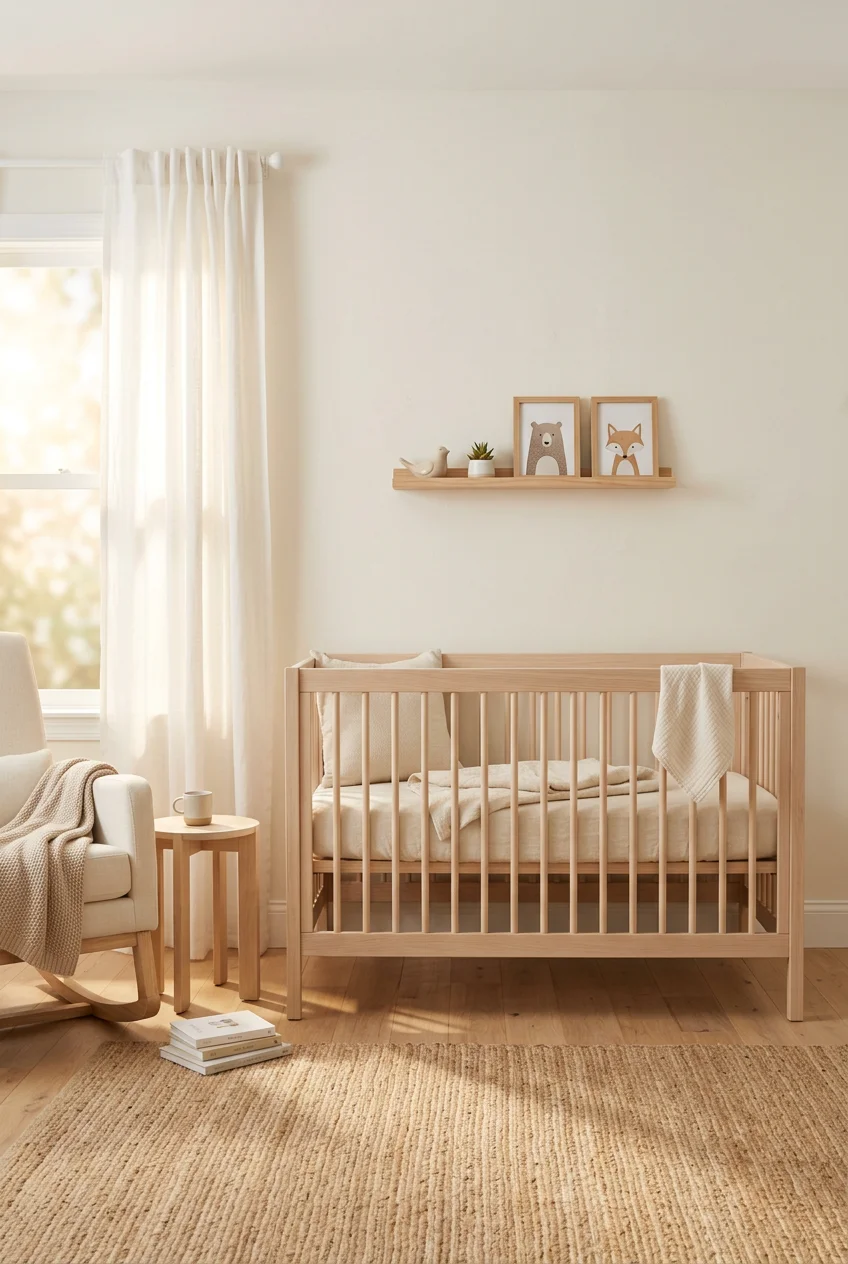
- Incorporate Natural Materials Like Jute and Wood
- Leave Enough Empty Floor Space
- Anchor Every Single Piece of Furniture
- Monitor the Air Quality with a Smart Device
- Choose Timeless Wallpaper Over Cartoon Decals
- Use a Second Sound Machine Outside the Door
- Build a Highly Functional Changing Station
- Invest in True Blackout Curtains
- Buy a Washable Rug for the Center of the Room
I spent four weeks staring at a pile of unassembled flat-pack boxes from Target before realizing my plan was a hazard zone. When you start looking for baby room ideas, the internet shows you giant stuffed giraffes and massive chandeliers that just collect dust and trap pet hair. The reality of a nursery is much less glamorous and requires a lot more practical math. I painted my first nursery a blinding shade of coral. The afternoon sun hit it, and the room looked like the inside of a grapefruit. My baby wouldn’t sleep in there. You don’t need a perfectly staged magazine cover. You need a room that functions at 3 AM when you’re running on two hours of sleep and eating a leftover Trader Joe’s frozen waffle over the changing pad. Here are the actual, functional setups that work. Trust me on this.
1. Choose Earthy, Gender-Neutral Paint Colors for Baby Room Ideas Early Years

I tried the bright, stimulating color route first. It failed miserably. I painted three walls a vibrant teal, thinking it looked modern. Instead, it made the room feel like a cramped aquarium, and the color reflected weirdly on my baby’s skin during photos. Now, I strictly use warm, grounded hues like sage green, soft cocoa, or muted mushroom. These shades create a sense of calm when you walk in. I recommend Behr Pro i300. It costs about $20 a gallon at Home Depot, and it’s a zero-VOC option that goes on smoothly. If you want an accent wall, Clare Paint makes a beautiful terracotta color for $64 a gallon. Muted tones hide small scuffs better than stark white, and they don’t overstimulate a tired infant. A soft neutral background means you won’t have to repaint when your two-year-old suddenly decides they hate pastel yellow. I grabbed a few paint swatches from Walmart last week to compare, and the earthy tones always look more expensive. They don’t bounce harsh light around the room.
2. Buy a Convertible Crib That Actually Lasts for Baby Room Ideas Early Years

I bought a gorgeous, highly specific acrylic bassinet for my first child. It cost $400, and she outgrew it in exactly 11 weeks. It was a massive waste of money. A convertible crib is the only logical choice for the center of the room. The Babyletto Hudson 3-in-1 Convertible Crib runs around $719. It transitions from an infant crib to a toddler bed and then a daybed. It’s Greenguard Gold certified, so it won’t off-gas weird chemical smells into your baby’s sleeping space. The wood feels solid, and the spindle design lets you see your baby from across the room. If you need something cheaper, the Delta Children Emery 4-in-1 is usually around $200 at Target and offers similar safety certifications. Skip the standalone bassinets unless you have a specific medical need. Put that money toward a high-quality crib mattress instead. I’ve used the Babyletto for two years now, and the finish hasn’t chipped despite constant use. The hardware is hidden, which looks sleek.
3. Pick a Glider with Performance Fabric

Don’t buy a velvet rocking chair. I repeat, don’t buy velvet. I bought a beautiful emerald green velvet rocker. Last Tuesday, my six-month-old aggressively spit up half a bottle of formula right onto the armrest. The sour milk smell never fully came out, and the fabric got stiff and crunchy. You need performance fabric. This usually means synthetic fibers like polyester that repel liquid. The Nurture& Glider Plus costs about $1,099. It has a power recline and a built-in USB port. That port matters when you’re trapped under a sleeping baby for two hours and your phone is at 4 percent. If you want a budget option, the DaVinci Gabby Swivel Glider is under $400. It doesn’t have the power recline, but the fabric wipes clean with a damp cloth. You’ll spill coffee, milk, and water on this chair. Plan for it. I keep a pack of water wipes nearby just for immediate fabric triage. It saves you from scrubbing stains at midnight.

Modanais Baby Diaper Caddy Organizer Cart
Honestly, Modanais Baby Diaper Caddy Organizer Cart – 3 Tier Rolling Storage Car surprised me — sturdier than it looks in the photos, and over 315 buyers gave it 4.5 stars.
4. Stick to Zero-VOC Paints to Protect Air Quality

Regular interior paint smells terrible. That sharp, chemical smell is Volatile Organic Compounds (VOCs) off-gassing into the air. I painted a bookshelf with standard gloss paint once, and the fumes gave me a headache for three days. Learned that the hard way. Babies have tiny, developing lungs. You can’t put them in a room that smells like a chemical factory. ECOS Paints Lullaby line is my standard recommendation. It costs about $75 a gallon. It has zero odor. You can paint the room in the morning and sleep in it that night without smelling a thing. Benjamin Moore Eco Spec is another solid choice, usually around $50 a gallon. When you’re rolling it on, it feels slightly thicker than standard paint, but it covers well. Don’t let a hardware store employee talk you into the standard stuff just because it’s $10 cheaper. The lack of toxic fumes is worth the extra cost. I’ve strictly used zero-VOC formulas since that first headache. I’ve never regretted spending the extra money on clean air.
5. Use Cube Shelves for Smart, Scalable Storage

Babies require a ridiculous amount of stuff. I used to keep diapers in a cute little woven basket on the floor. Then I did a massive Costco run, bought a box of 192 diapers, and realized I had nowhere to put them. The IKEA Kallax shelf unit is the most functional piece of furniture you can buy. A 2×2 unit starts around $35. You can fit heavy canvas bins into the cubes. Pehr makes excellent, structured canvas bins for about $40 each. They hold their shape even when empty. You can dedicate one bin to burp cloths, one to swaddles, and two to bulk diaper storage. When your child hits the toddler stage, those same bins hold wooden blocks and plastic dinosaurs. It keeps the visual clutter hidden. A room full of tiny, mismatched baskets just looks messy. I’ve had my Kallax unit for four years, and it survived two moves without a single scratch. You won’t have to buy new furniture when they grow.
6. Hang Wall Art Safely and Proportionally

Most people hang nursery art way too high. I did this in my own house. I hung a set of three animal prints so high they looked like they were floating near the ceiling. It made the room feel disjointed. When you hang art above a standard 54-inch wide crib, the bottom edge of the frame should be exactly 6 to 10 inches above the top rail. The total width of the art should span about two-thirds of the crib’s width. Aim for about 36 to 40 inches of visual space. More importantly, never hang heavy wooden frames or real glass over the crib. If there’s an earthquake or a structural shift, you don’t want glass falling. I buy cheap, lightweight plastic frames from Target for $10 each and replace the glass with clear acrylic sheets. It looks identical to glass but won’t shatter. I swapped all my heavy frames out last year after reading a safety report. It takes the stress out of decorating the crib wall. You might also like: 20 Stunning Layout Small Nursery Ideas That Are Totally Worth It

Modanais Baby Diaper Caddy Organizer Cart
A dependable everyday pick — Modanais Baby Diaper Caddy Organizer Cart – 3 Tier Rolling Cart with D pulls in 635 ratings at 4.5 stars. Not flashy, just solid.
7. Install a Dimmer Switch on the Main Light

I tried using three different decorative table lamps in my first nursery. They took up valuable surface space, the cords were a tripping hazard, and the tiny turn-switches were always hard to find in the dark. I finally hired an electrician to install a Lutron dimmer switch on the main overhead light. The switch cost $30 at Home Depot, and the installation took twenty minutes. This setup allows you to turn the light on to a barely-there 5 percent glow at 3 AM. You can see enough to change a diaper without shocking your baby’s system into thinking it’s morning. When you need to vacuum or find a lost pacifier, you slide it up to 100 percent. Skip the expensive, cutesy nightlights that plug into the wall. They usually cast weird shadows anyway. I’ve relied on this dimmer switch every single night for the past three years. It completely improved our nighttime feeding routine. You might also like: 20 Cozy Whimsical Nursery Lighting Ideas You Haven’t Thought Of
8. Position Your Sound Machine Strategically

A sound machine is necessary, but where you put it matters. I initially placed our sound machine right on the edge of the crib. My pediatrician gently informed me I was probably damaging my baby’s hearing. You need to place the device at least 7 feet away from the baby’s head. Keep the volume at or below 60 decibels. You can download a free decibel meter app on your phone to check. It should sound like a running shower, not a jet engine. The Hatch Rest 2nd Gen costs about $70. I control it from my phone, so I don’t have to sneak into the room to turn it down. If you want a mechanical option, the Dohm Classic is $45. It uses an actual internal fan to create white noise. It’s bulkier, but the sound is incredibly rich and natural. I switched to the Dohm after finding the digital loops on cheaper machines irritating. Protecting their hearing is worth the minor aesthetic sacrifice.
9. Incorporate Natural Materials Like Jute and Wood

I bought a cheap synthetic rug from an online discounter for $40. It smelled like burnt plastic for a month, and the fibers felt scratchy under my bare feet. Now, I prioritize natural materials. They don’t off-gas, and they add a layer of texture to the room. I use a 5×8 chunky jute rug from Rugs USA that cost about $120. Jute is tough, it hides stains brilliantly, and it gives the room an earthy, grounded feel. I also look for furniture made from FSC-certified wood, which ensures the wood was harvested sustainably. A solid pine dresser might cost a bit more upfront than particleboard, but it won’t sag in the middle after holding heavy baby clothes for six months. Natural materials warm up the space without relying on loud, obnoxious colors. I’ve noticed the room stays significantly less dusty since ditching the cheap synthetic carpets. The texture adds a nice visual weight to the floor. You might also like: 15 Lovely Nursery Lighting Ideas to Transform Your Space

JolyWell Night Light for Kids
A dependable everyday pick — JolyWell Night Light for Kids pulls in 45 ratings at 4.5 stars. Not flashy, just solid.
10. Leave Enough Empty Floor Space

It’s tempting to fill every corner. I crammed a crib, a dresser, a glider, a bookshelf, and a large decorative pouf into a 10×10 room. The first night I tried to rock my baby to sleep, I tripped backwards over the pouf and bruised my tailbone. You need empty floor space. Babies don’t stay in their cribs forever. By six months, they need a safe, clear area to roll and practice crawling. Stick to the absolute essentials. If a piece of furniture doesn’t serve a daily, functional purpose, get it out of the room. I ended up moving the bulky bookshelf to the hallway. The room immediately felt twice as large, and I could walk from the door to the crib without navigating an obstacle course in the dark. I’ve kept the center of the room completely bare ever since that fall. You’ll thank yourself when you’re pacing the floor at night.
11. Anchor Every Single Piece of Furniture

This is the most critical step, and people skip it because it’s annoying. I used to think a heavy, solid wood dresser wouldn’t tip over. Then I watched my toddler pull out all three bottom drawers and try to climb them like stairs. The entire unit lurched forward. I caught it, but it terrified me. You have to anchor everything. I buy the Safety 1st furniture straps for $15 a pack on Amazon. They screw directly into the wall studs and the back of the furniture. Don’t rely on the cheap plastic zip-ties that come free with flat-pack furniture; they can snap under pressure. Anchor the dresser, anchor the bookshelf, and anchor the changing table. It takes twenty minutes with a power drill. Do it before you put a single piece of clothing in the drawers. I’ve anchored every piece of furniture in my house since that day. It’s a non-negotiable safety step for any child’s bedroom.
12. Monitor the Air Quality with a Smart Device

This sounds excessive until you actually use one. I bought an Awair Element monitor for $150. It tracks temperature, humidity, and VOC levels. I realized that every time I used a specific cleaning spray I bought at Whole Foods, the VOC spike in the nursery was massive. I also learned the humidity in the room was dropping to 20 percent at night, which explained why my baby kept waking up with a dry, congested nose. We added a basic cool-mist humidifier, and the sleep issues resolved in two days. The monitor sits quietly on a high shelf. It gives you actual data instead of making you guess why the room feels stuffy. It’s especially useful in older houses where dust and poor ventilation are constant battles. I’ve checked the app on my phone every morning for the past year to ensure the humidity stays balanced. It operates silently, so it won’t disturb their sleep cycle.
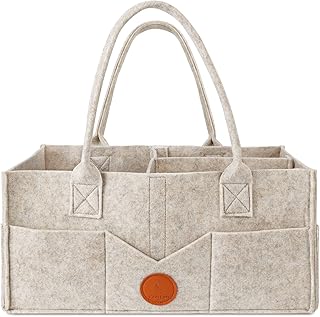
Maliton Baby Diaper Caddy Organizer for Changing Table
A dependable everyday pick — Maliton Baby Diaper Caddy Organizer for Changing Table pulls in 32 ratings at 4.5 stars. Not flashy, just solid.
13. Choose Timeless Wallpaper Over Cartoon Decals

Peeling cheap vinyl decals off drywall is a miserable task. I spent three hours scraping tiny adhesive stars off a wall with a plastic putty knife, ruining the paint underneath. Skip the temporary, highly themed character decals. Instead, invest in a high-quality, timeless wallpaper. Fancy Walls makes a gorgeous, muted woodland print for about $45 a roll. It’s a peel-and-stick woven fabric, not cheap vinyl. It doesn’t stretch or tear when you apply it. A classic gingham or a subtle botanical print works for a newborn, but it also looks completely appropriate for a seven-year-old. You want the room’s base layer to last at least five years. You can always add specific character themes later through cheap items like bedsheets or framed posters that are easy to swap out. I’ve had the same botanical print up for three years, and it hasn’t peeled at the corners once. It provides a sophisticated backdrop that grows with your family.
14. Use a Second Sound Machine Outside the Door

I live in a house with creaky hardwood floors and a dog that barks at every package delivery. One sound machine inside the nursery wasn’t cutting it. The baby kept waking up every time the front door opened. A sleep consultant gave me this tip, and it works perfectly. I bought a second Dohm Classic sound machine for $45. I plug it into the hallway outlet right outside the nursery door. It creates an acoustic barrier. The hallway machine muffles the sharp household noises before they even reach the bedroom door. This means I don’t have to crank the internal nursery sound machine up to a dangerous decibel level. I can vacuum the living room and unload the dishwasher while the baby naps peacefully. I’ve used this double-machine strategy for over a year, and it drastically reduced mid-nap wakeups. It’s the best sleep hack I’ve discovered so far.
15. Build a Highly Functional Changing Station

You’ll change around 2,500 diapers in the first year. Your setup needs to be flawless. I used to keep the diaper cream in a drawer. I’d have a squirmy, messy baby on the pad, and I’d have to take one hand off him to yank the drawer open. It was stressful. Now, I use a Vasagle small round side table right next to the changing dresser. It costs $65. I keep a heavy wipe dispenser, a stack of diapers, and a tub of Aquaphor right on top. I usually grab a giant tub during my weekly Kroger grocery run. Everything is exposed and within a three-inch reach. I never have to take my hand off the baby. Function beats aesthetics every single time when it comes to the changing table. I’ve avoided so many near-accidents just by having everything sitting out on that side table. You can keep your eyes on the baby the entire time.

Kipcush White Noise Machine with Night Light
Kipcush White Noise Machine with Night Light – Nursery Sound Machine w has been one of the most consistently praised picks in this category. 28 reviewers averaged 4.5/5.
16. Invest in True Blackout Curtains

I bought some cheap room darkening panels from a discount store. They were practically sheer. When the sun came up at 5:30 AM in June, my baby woke up thinking it was time to play. You need actual, heavy-duty blackout curtains. I buy the Pottery Barn Kids blackout panels. They run about $100 per panel, which hurts the wallet, but they are thick, heavy, and block 100 percent of the light. I pair them with a wraparound curtain rod that lets the fabric curve all the way to the wall, blocking the light from bleeding out the sides. A pitch-black room triggers melatonin production. If you want your baby to sleep past dawn, you have to eliminate the sunlight completely. I’ve slept an extra hour every morning since I finally installed these properly. It makes naptime during the bright afternoon significantly easier.
17. Buy a Washable Rug for the Center of the Room

I used to think washable rugs were a gimmick. Then my toddler spilled a full cup of organic milk from Sprouts all over a cream-colored wool rug. I spent an hour scrubbing it with a toothbrush and carpet cleaner. The sour milk smell never left. Now, I only put Ruggable rugs in kids’ rooms. A 5×7 costs about $200. It comes in two pieces: a thick pad and a top cover. When the inevitable blowout, spilled milk, or muddy shoe incident happens, you peel the top layer off and shove it in your washing machine. I wash mine on cold with a little Tide detergent and hang it over a chair to dry. It saves so much frustration. You don’t have to panic when messes happen, because you know you can just wash the floor covering like a giant towel. I’ve washed mine six times this year, and the colors haven’t faded. It eliminates the stress of keeping a nursery pristine.
Finding the right functional layout doesn’t mean you have to sacrifice your personal style or spend your entire savings. It just requires prioritizing how the room actually functions on a daily basis. I’ve learned the hard way that a safe, easy-to-clean space will bring you much more peace than a perfectly styled, impractical one. Stick to the zero-VOC paints, anchor your heavy furniture, and please, skip the velvet chairs. No exaggeration. If you found these practical tips helpful, save this post to your nursery planning board on Pinterest so you can reference the specific paint colors and product names when you’re ready to start shopping.
Frequently Asked Questions
What are the best paint colors for a baby room?
Stick to earthy, gender-neutral tones like sage green, soft cocoa, or muted mushroom. These shades create a calming environment and won’t overstimulate your baby. Always use zero-VOC paints like ECOS Paints to protect their developing lungs from harsh chemical fumes.
How far should a sound machine be from the crib?
Place your sound machine at least 7 feet away from your baby’s head. Keep the volume at or below 60 decibels, which sounds similar to a running shower. This protects their hearing while still blocking out disruptive household noises.
What kind of nursery chair is easiest to clean?
Avoid velvet or heavily textured fabrics. Choose a glider made with performance fabrics, typically synthetic blends like polyester, that repel liquids. This ensures you can easily wipe away spilled milk or coffee with a damp cloth without leaving permanent stains or sour smells.
Do I really need to anchor nursery furniture?
Yes, anchoring furniture is an absolute necessity. Use heavy-duty straps that screw directly into the wall studs and the back of the furniture. Don’t rely on cheap plastic zip-ties. This prevents dressers and bookshelves from tipping over when your toddler eventually tries to climb them.
