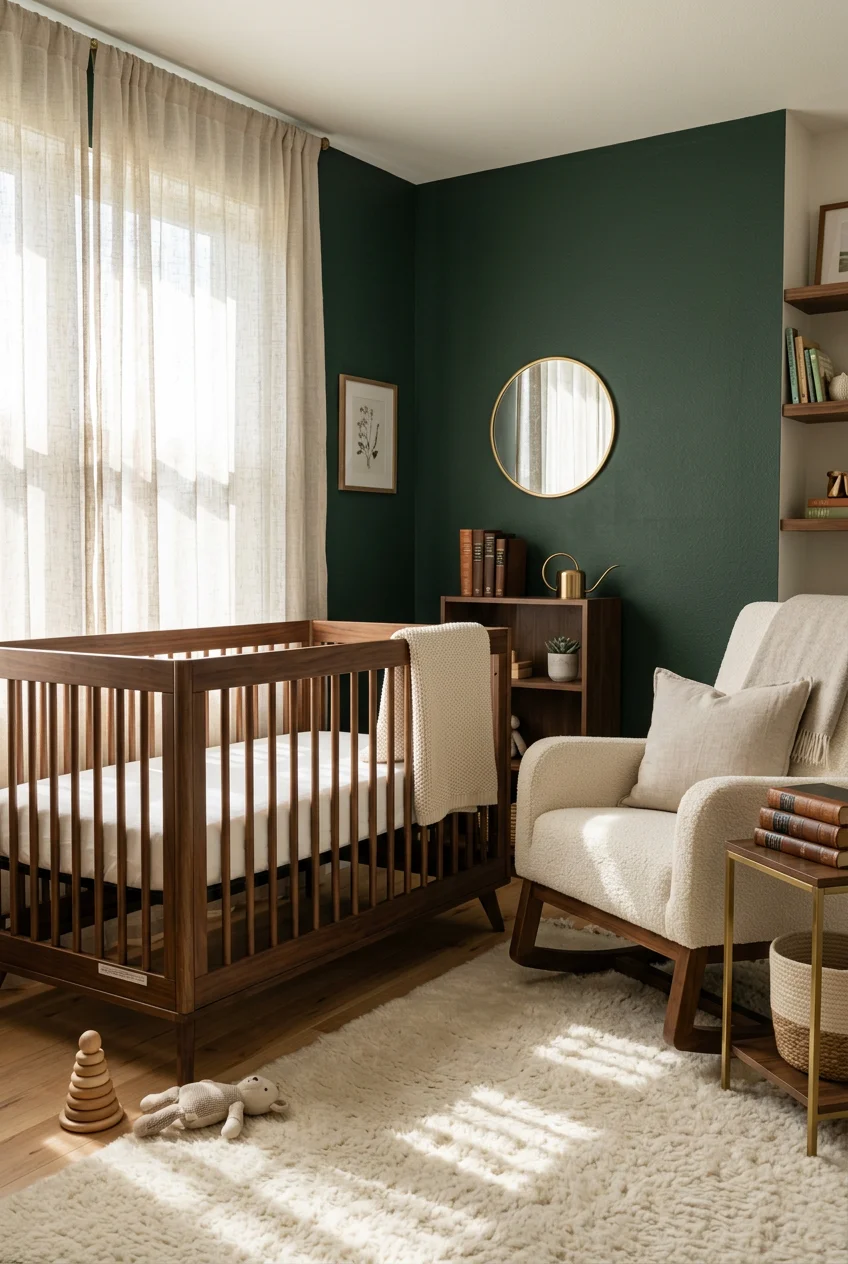
What’s Inside
- Embrace the Modern Woodland Theme with Layered Textures
- Opt for a Sophisticated Space Explorer Theme
- Design a Tailored Heritage Nursery with Classic Patterns
- Create a Refined Safari Organic Nursery
- Go for a Vintage Sports Theme with Muted Tones
- Prioritize Functional and Convertible Furniture
- Avoid Overcrowding by Sticking to Essentials
- Implement Layered Lighting for Optimal Functionality
- Incorporate Sensory-Rich Textures for Stimulation
- Utilize Wall Space Creatively to Avoid Clutter
- Choose a Neutral Color Palette with Purposeful Accents
- Invest in a High-Quality Glider You Actually Like
- Personalize Unique Baby Boy Nursery Themes with Wood Signs
- Paint Ahead of Time with Zero-VOC Formulas
- Keep the Crib Bedding Completely Minimal
- Build a Moody Coastal Room with Muted Greens
- Try a Desert Oasis Design with Terracotta Tones
- Use Subtle Geometric Shapes for Unique Baby Boy Nursery Themes
I ruined my first son’s room. I painted the walls a dark, glossy navy blue thinking it’d look chic, but it ended up feeling like the inside of a damp cave. The smell of cheap paint hung around for weeks, and the dark walls swallowed all the natural light from the single tiny window. When clients ask me for unique baby boy nursery themes, I always tell them about that blue cave. You don’t need heavy, dark colors to make a space feel distinctly designed for a boy. In fact, the best setups for 2026 lean into warmth, breathable textures, and refined simplicity. I’m sharing eighteen specific layouts and rules I use with my design clients. These aren’t just pretty concepts. They’re functional rooms that survive 3 AM blowouts, spilled bottles, and toddler tantrums. Let’s look at the exact products, paint colors, and furniture pieces that actually work for a busy parent.
1. Embrace the Modern Woodland Theme with Layered Textures

When clients ask for unique baby boy nursery themes, modern woodland is my first suggestion. I’m not talking about bright orange cartoon foxes. The current version focuses on soft earth tones, mossy greens, and hand-drawn details. Start with a black-and-white woodland wallpaper on an accent wall. I use the Forest Friends pattern from Spoonflower. It costs between $8.50 and $12.00 per square foot for the peel-and-stick version. I tried applying this stuff over a textured wall last year. It peeled off within three days and left a sticky residue. Learned that the hard way. Always sand your walls flat first. Once your wallpaper is up, layer in warm wood tones with a natural oak crib. Add a bouclé glider for cozy softness. The bumpy, looped fabric hides milk stains surprisingly well. I bought a cheap velvet chair initially, but it showed every single speck of dust. Bouclé gives you texture without constant maintenance.
2. Opt for a Sophisticated Space Explorer Theme

You can build a space theme without making the room look like a science museum gift shop. Move beyond literal rocket ship wallpaper by focusing on clean interpretations of planets and stars. I look for smooth, rounded cribs and cylindrical storage units to mimic planetary shapes. A great focal point is the Celestial Wonders mobile from Pottery Barn Kids. It runs between $49 and $79 depending on sales. The brass and wood elements reflect light beautifully. I hung one of these too low in a client’s house once, and her six-month-old nearly pulled it down. Always measure 16 inches above the mattress at its lowest setting. To finish the room, frame some vintage constellation maps. I found a set of four digital downloads on Etsy for $12. I printed them on heavy matte cardstock. The matte finish prevents glare from overhead lights, keeping the room looking expensive.
3. Design a Tailored Heritage Nursery with Classic Patterns

This design emphasizes warmth, nostalgia, and a storybook feel. Begin with a heritage plaid wallpaper in soft greens and maroons. I frequently use the Tartan Plaid wallpaper from Graham & Brown. It costs around $60 to $80 per roll. The thick paper covers minor wall imperfections nicely. Pair this heavy pattern with a warm walnut crib and a matching dresser to ground the space. I used to think matching furniture sets looked outdated, but in a room with loud wallpaper, the consistency gives your eyes a place to rest. Last Tuesday, I was at Target picking up diapers when I spotted a heavy cable-knit throw blanket for $35. It was the exact shade of maroon as the Graham & Brown wallpaper. I tossed it over the glider, and it pulled the room together. Small, tactile additions make a heritage room feel lived-in.

JolyWell Night Light for Kids
A dependable everyday pick — JolyWell Night Light for Kids pulls in 51 ratings at 4.5 stars. Not flashy, just solid.
4. Create a Refined Safari Organic Nursery

Instead of cartoonish jungle animals, focus on lush textures and muted earth tones like clay, sage, beige, and ivory. I incorporate faux taxidermy animal heads for a touch of adventure. Crate & Kids makes a fantastic plush giraffe head that usually costs between $30 and $60. The felt material is soft, and the stitching is detailed. I’ve got to warn you about these wall mounts, though. They collect dust on top of their heads quickly. You have to run a lint roller over them twice a month, or they start looking dingy. Keep the rest of the room grounded with natural materials. A large jute rug adds excellent texture to the floor. Just buy a thick rug pad to go underneath it. Jute is notoriously scratchy on bare knees, and you’re going to spend hours crawling around looking for pacifiers.
5. Go for a Vintage Sports Theme with Muted Tones

A vintage sports room offers a nostalgic charm without the neon colors of modern team logos. You utilize muted tones in sepia or black-and-white sports prints. I buy the Neutral Sports Boy Gallery Wall Set from Etsy. It includes 25 digital prints for around $20 to $40. I pick my favorite six and frame them in cheap black frames. Incorporate vintage-inspired decor like wool felt pennants. You can find custom ones on Etsy for $10 to $30 each. I ordered a custom name pennant for my nephew, and the stiff wool felt looked sharp against a plain white wall. Add a baseball-themed night light from Pottery Barn Kids for around $49. The ceramic base feels heavy and substantial. I made the mistake of buying a cheap plastic sports lamp once. The bulb got so hot it melted the plastic shade within a week. No exaggeration. You might also like: 20 Lovely Space Saving Small Nursery Ideas for Every Budget
6. Prioritize Functional and Convertible Furniture

A common mistake new parents make is not planning for a child’s physical growth. Babies grow out of standard mini cribs in months. Invest in a convertible crib right from the start. I recommend the Graco Solano 4-in-1 Convertible Crib. It costs around $200 to $300 and transitions into a toddler bed, a daybed, and eventually a full-size bed. The solid pine wood holds up against teething toddlers who chew on the rails. I bought a delicate acrylic crib for my first design project. It looked stunning in photos, but it scratched immediately when the baby threw toys against it. Wood is much more forgiving. Last month, I was at Costco and saw a family arguing over buying a second toddler bed because their original crib didn’t convert. You save money and stress by buying a 4-in-1 model and the conversion kit together.

Criusia Drawer Organizer Clothes
Honestly, Criusia Drawer Organizer Clothes surprised me — sturdier than it looks in the photos, and over 11 buyers gave it 4.5 stars.
7. Avoid Overcrowding by Sticking to Essentials

It’s tempting to fill the room with baby gear, but too much furniture makes a nursery feel cramped. You only need three main pieces. Focus on a crib, a changing unit with deep drawers, and a comfortable glider. I use the Delta Children Abby 3-Drawer Dresser with Changing Top for most budget-conscious clients. It runs between $150 and $250. The drawers are deep enough to hold two rows of folded onesies. I used to pack nurseries with toy chests, bookshelves, and decorative side tables. I quickly learned that once a baby starts walking, every extra piece of furniture is just another sharp corner they’ll inevitably run into. Keep the floor space open. If you need more storage, use the closet. I spent a Saturday installing a cheap wire shelving system in a closet, and it doubled the storage capacity without taking up floor space.
8. Implement Layered Lighting for Optimal Functionality

Poor lighting choices will ruin your nighttime routine. An overhead light on a standard switch is blinding at 2 AM. You need layered lighting. Use dimmable LED ceiling lights for adjustable brightness during the day. Then, add a task lamp by the changing table for soft, focused light during nighttime diaper changes. A dedicated night light is non-negotiable for gentle check-ins. I use a small, amber-tinted plug-in light from Amazon that costs about $12. The amber hue doesn’t disrupt melatonin production the way blue or bright white light does. I tried using my phone flashlight for middle-of-the-night feedings for the first three weeks of my son’s life. I dropped my phone on his head twice because I was so sleep-deprived. A simple tap-on table lamp next to the glider solves this problem completely. Choose a lamp with a heavy base so it won’t tip over. You might also like: 20 Creative Crib Bedding Ideas to Transform Your Space
9. Incorporate Sensory-Rich Textures for Stimulation

Expert Karen Aronian emphasizes exposing infants to different textures for sensory processing development. A visually beautiful room means nothing if everything feels like flat plastic. Include a variety of fabrics in your design. I always add a faux fur rug next to the crib. Target sells a machine-washable version for $20 to $50. The soft fibers give babies a tactile experience during tummy time. I pair this with woven storage baskets from The Container Store, which cost between $15 and $40 each. The rough water hyacinth material provides a sharp contrast to the soft rug. I once bought cheap fabric bins for toy storage. They collapsed the second my toddler leaned on them, spilling wooden blocks everywhere. Rigid woven baskets hold their shape and add necessary visual weight to the corners of the room. Mixing these textures creates a room that feels complex and interesting. You might also like: 20 Cozy Whimsical Nursery Lighting Ideas You Haven’t Thought Of

Criusia Over the Door Organizer
Honestly, Criusia Over the Door Organizer surprised me — sturdier than it looks in the photos, and over 231 buyers gave it 4.5 stars.
10. Utilize Wall Space Creatively to Avoid Clutter

Hanging heavy wooden shelves directly above a crib is a massive safety hazard. If you live in an earthquake zone, or if you just have a toddler who likes to throw heavy objects, those shelves are dangerous. Instead of bulky shelving, use wall decals, painted patterns, or flat, well-mounted letters to add visual interest. I frequently use a Mountain Range Wall Decal from Etsy. It costs around $30 to $70 depending on the size of your wall. The matte vinyl looks exactly like a custom mural, but it takes thirty minutes to install. I was eating pretzels from Trader Joe’s while helping a client peel off an old, shiny decal from a big-box store. The cheap vinyl tore into a hundred tiny pieces and took hours to scrape off. Always spend the extra twenty dollars for high-quality, removable matte vinyl. It won’t peel your paint off.
11. Choose a Neutral Color Palette with Purposeful Accents

While bold, saturated colors might look great online, overstimulating decor makes it hard for babies to relax and sleep. Opt for soothing muted tones like soft grays, pale greens, or creamy beiges as your base layer. You introduce pops of color through easily changeable items like throw pillows, crib sheets, or a mobile. I was grabbing an iced coffee at Whole Foods last week after spending three hours staring at paint swatches with a client. She wanted to paint the entire room fire-engine red. I finally convinced her to paint the walls a soft, warm oatmeal color and use red exclusively in the picture frames and a single throw rug. A neutral base gives you flexibility. When your child inevitably decides they hate dinosaurs and only want construction trucks, you don’t have to repaint the entire room. You just swap out the $20 art prints.
12. Invest in a High-Quality Glider You Actually Like

You’re going to spend hundreds of hours sitting in the nursery glider. A cheap, stiff chair will destroy your back. Interior designer Andi Morse advocates for upholstered chairs that are fully skirted. They look better in the room and are much easier to move into a living room or den once the baby outgrows the nursery. Expect to spend between $300 and $800 for a quality piece. I recommend the Babyletto Kiwi Glider Recliner. The electronic recline button is silent. I bought a manual recliner for my own nursery to save money. Every time I kicked the footrest down, it made a loud mechanical clunk that instantly woke up my sleeping baby. I spent months manually lowering the footrest with my hands while holding a newborn just to avoid the noise. Took me years to figure out that silent is better. Spend the money on a silent, power-reclining glider. The stain-resistant fabric wipes clean easily.
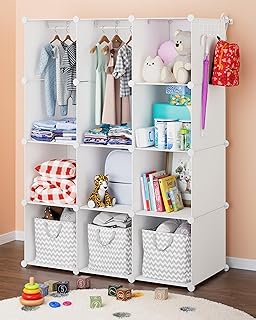
CUBEDIY Baby Closet Organizer for Nursery: Durable Baby
Honestly, CUBEDIY Baby Closet Organizer for Nursery: Durable Baby Wardrobe for C surprised me — sturdier than it looks in the photos, and over 316 buyers gave it 4.5 stars.
13. Personalize Unique Baby Boy Nursery Themes with Wood Signs

One of the strongest trends for 2026 is personalizing the space with custom name signs instead of generic word art. A wooden wall sign with the baby’s name adds a unique focal point above the dresser. You can order these from Etsy for $30 to $100 depending on the width. I prefer the unpainted birch wood options because they stand out beautifully against painted walls. I ordered a massive 40-inch painted sign for a client once. It was so heavy that we had to use toggle bolts to secure it to the drywall. If you buy a lightweight 1/4-inch thick birch sign, you can hang it securely with heavy-duty double-sided mounting tape. This prevents you from drilling massive holes in your walls. A custom sign makes unique baby boy nursery themes feel intentional. Just mount it high enough that a toddler can’t reach it.
14. Paint Ahead of Time with Zero-VOC Formulas

You can’t paint a nursery with traditional latex paint the week before your baby arrives. The chemical fumes linger long after the paint dries. To avoid inhaling these fumes, paint the nursery at least a month in advance using a zero-VOC formula. Brands like Behr offer excellent zero-VOC options. I use their Premium Plus line, which costs around $40 to $60 per gallon. A color I use constantly is Teton Blue. It’s a calming, muted blue-gray that works perfectly for a neutral baby boy nursery. I painted a room with a cheap, high-VOC paint early in my career because I was trying to stay under a budget. The room smelled like a chemical factory for two weeks. The Behr zero-VOC paint goes on smoothly, covers dark colors in two coats, and has no odor.
15. Keep the Crib Bedding Completely Minimal

Beyond a tightly secured fitted sheet, most crib bedding is a safety hazard. Blankets, pillows, and padded bumpers aren’t recommended for infant sleep. Don’t waste your money on a $150 matching bedding set. You’ll end up storing the quilt in a closet for two years. Instead, invest your budget in two or three high-quality fitted crib sheets. I buy the Aden + Anais Essentials Fitted Crib Sheet. They cost around $20 to $30 each. The 100% cotton muslin gets softer every time you wash it. I bought a cheap polyester blend sheet once. It felt scratchy, and it made my son sweat profusely during his afternoon naps. Cotton muslin is highly breathable and regulates temperature beautifully. Make sure the elastic goes entirely around the bottom edge of the sheet, not just on the corners. You want that sheet pulled drum-tight.

Beautiful Wooden Baby Closet Dividers Set of 7
Beautiful Wooden Baby Closet Dividers Set of 7 – Double-Sided Organize has been one of the most consistently praised picks in this category. 11 reviewers averaged 4.5/5.
16. Build a Moody Coastal Room with Muted Greens

A coastal theme doesn’t require anchors and bright navy stripes. You can create a sophisticated coastal room using muted sea glass greens and weathered oak furniture. I paint the walls with Sherwin Williams Sea Salt. It costs about $55 a gallon. Depending on the time of day, the color shifts between a soft green, a pale blue, and a light gray. I was grabbing a sandwich at Sprouts last month and noticed their canvas reusable bags were the exact same muted green color. It inspired me to use heavy green canvas curtains in my next project. I hang the curtain rod six inches above the window frame to make the ceilings look taller. I tried using cheap, unlined linen curtains in a coastal room once. The streetlights shone right through them, and the baby woke up at 5 AM every morning. Always buy thick blackout curtains.
17. Try a Desert Oasis Design with Terracotta Tones

If you want a truly warm environment, a desert oasis layout is perfect. This relies on terracotta tones, warm sands, and muted sage greens. I frame vintage prints of saguaro cacti and desert landscapes. I found a great set of thin oak picture frames at Walmart for $14 each. They look identical to custom frames that cost five times as much. You bring in the terracotta color through textiles. A rust-colored crib sheet or a burnt orange throw pillow on the glider adds visual warmth. I bought a real terracotta clay lamp for a nursery last year. It was gorgeous, but it was incredibly heavy and fragile. I bumped it with my elbow while holding a stack of diapers, and it shattered into dozens of sharp pieces on the hardwood floor. Stick to resin or wood lamps that merely look like clay.
18. Use Subtle Geometric Shapes for Unique Baby Boy Nursery Themes

Geometric designs provide a clean, modern look that ages well. Instead of painting harsh chevron stripes on the walls, bring geometric patterns in through the textiles. I use a subtle, diamond-patterned wool rug from West Elm that costs around $150 for a 5×8 size. The geometric lines give the room structure without overwhelming the eye. I was buying apples at Kroger a few weeks ago and found a small, geometric woven basket in their seasonal aisle for $12. It was perfect for holding rolled-up swaddles on the changing table. I prefer simple triangles and diamonds over complex, busy patterns. I once wallpapered a room in a tight, repeating hexagonal pattern. After staring at it for an hour, it gave me a headache. Wide, spaced-out geometric lines look much more sophisticated and won’t cause eye strain. Let the rug and baskets do the heavy lifting.
Designing a nursery shouldn’t feel like a high-stakes exam. I spent months stressing over my first nursery, only to realize that babies don’t care about perfectly matched furniture. They care about a comfortable temperature, a soft rug for tummy time, and a dark room for sleeping. If you focus on functional pieces like a silent glider and breathable muslin sheets, the aesthetics will fall into place. Pick one of these unique baby boy nursery themes, buy the zero-VOC paint, and keep the layout simple. Save this article to your nursery Pinterest board so you have all the exact brand names and paint colors handy when you finally head to the hardware store.
Frequently Asked Questions
What are the best colors for a unique baby boy nursery?
Skip the bright primary colors. The best unique baby boy nursery themes rely on muted, earthy tones like sage green, terracotta, soft navy, and warm oatmeal. These shades promote better sleep and won’t cause visual fatigue as your child grows.
How much should I spend on a nursery glider?
You’re going to spend hundreds of hours in that chair, so budget between $300 and $800 for a high-quality, power-reclining model. I’d highly recommend fully skirted, upholstered gliders because they’re silent and transition easily into a living room later.
When should I paint the baby’s nursery?
You need to paint the room at least a month before your due date. Always use a zero-VOC paint formula, like Behr Premium Plus, to ensure there aren’t any lingering chemical fumes when the baby finally comes home.
Is a convertible crib worth the extra money?
Absolutely. A 4-in-1 convertible crib costs around $200 to $300 upfront but saves you from buying a separate toddler bed and daybed later. Just make sure you buy the toddler rail conversion kit at the same time so it doesn’t sell out.
