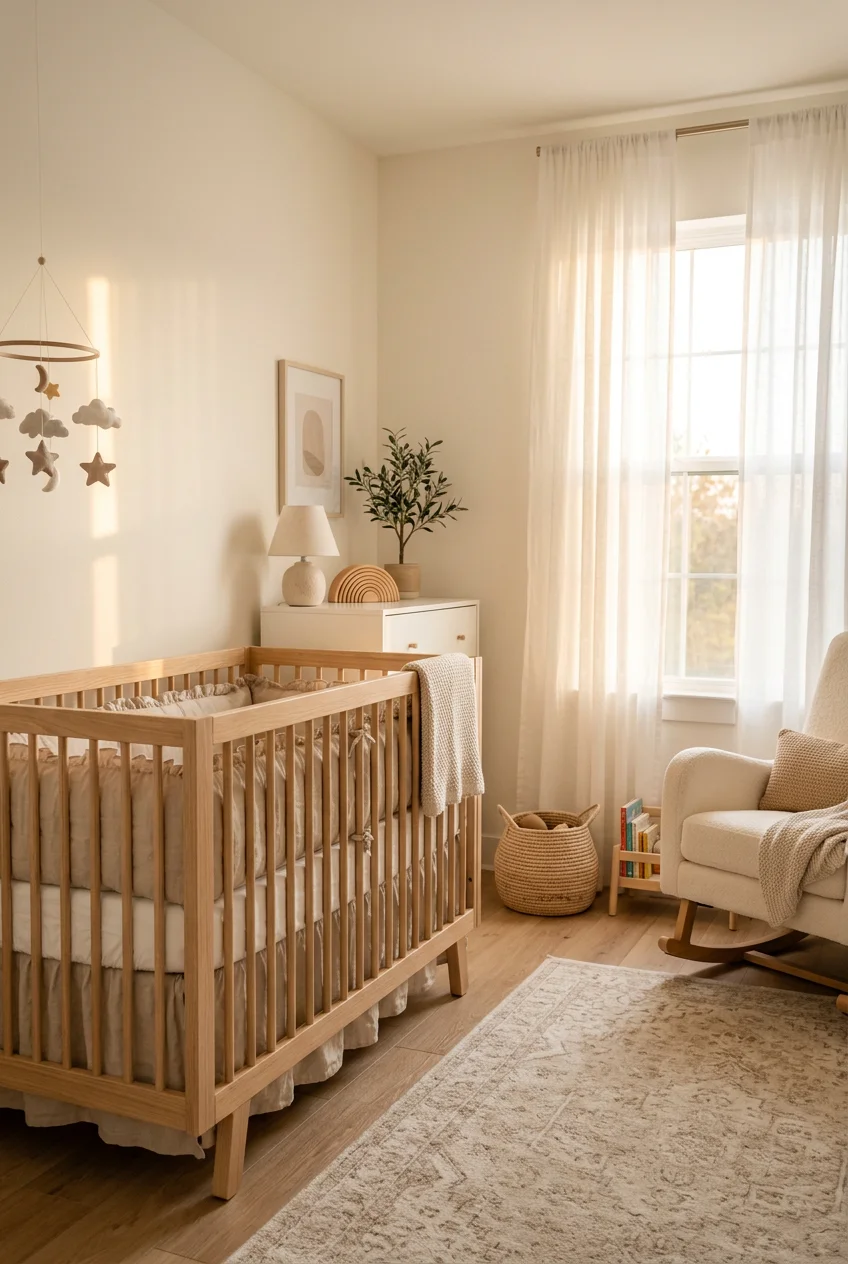
What’s Inside
- Prioritize Zero-VOC Paint for Your Baby Boy Neutral Nursery
- Invest in a Greenguard Gold Certified Crib with Natural Wood Tones
- Select a Comfortable, CertiPUR-US Certified Glider
- Implement Strategic Soundproofing with Curtains and Rugs
- Incorporate a HEPA Air Purifier for Optimal Air Quality
- Embrace Montessori-Inspired Low Shelving and Mirrors
- Layer Textures with Organic, GOTS-Certified Bedding
- Utilize a Dresser as a Changing Table with Smart Organization
- Incorporate Natural Elements and Botanical Art
- Install Dimmable, Warm-White LED Lighting (2700K)
- Anchor All Furniture to the Wall
- Conceal Cords and Use Outlet Covers
- Avoid Over-Themed Decor in a Baby Boy Neutral Nursery
- Choose Timeless, Multi-Functional Storage Solutions
- Incorporate a Sensory Basket with Natural Materials
I painted my first son’s room a blinding construction-cone orange because Pinterest said bright colors boosted brain development. Three months later, sitting in that neon box at 3 AM with a screaming infant, I understood why everyone’s opting for a neutral nursery these days. The smell of that cheap paint still haunts me, and the harsh color bouncing off the walls made it impossible for either of us to relax. I spent the next four years as a nursery consultant fixing my own mistakes and helping other moms skip the headache. A calm, earthy space isn’t just about looks; it’s a functional tool for infant sleep. Let’s walk through how to build a space that actually lets you rest, using materials that hold up to real life. I’ve tested hundreds of products, ruined a few dressers, and wasted money on useless decor so you don’t have to. It took me years to learn that less is always more.
1. Prioritize Zero-VOC Paint for Your Baby Boy Neutral Nursery

I tried saving money on standard hardware store paint back in 2018. The chemical smell lingered for six weeks, giving me a headache every time I walked past the door. The EPA notes indoor air holds 2 to 5 times more VOCs than outdoor air, which is terrifying when you’re putting a newborn in there with tiny lungs. Now, I only use Zero-VOC, Greenguard Gold Certified paints. For a neutral nursery, Benjamin Moore’s Saybrook Sage HC-114 is my top pick. It’s a soft, dusty green that looks like dried eucalyptus leaves. If you want something warmer, Sherwin-Williams’ Creamy SW 7012 brightens up gloomy north-facing rooms without looking yellow. Expect to pay between $40 and $70 per gallon for the premium stuff. It’s pricey, but you won’t get that chemical smell. A pro tip: buy exactly two gallons for a standard 10×12 foot room. I bought three gallons last time, and the extra one is still sitting in my garage turning into a solid block.
2. Invest in a Greenguard Gold Certified Crib with Natural Wood Tones

My biggest mistake with my second baby was buying a heavily painted, dark gray crib off a sketchy discount site. The paint chipped within a month, and I caught my teething son chewing on the rail. That panic sent me straight to natural wood. You want a crib finished with non-toxic stains and Greenguard Gold Certification. The Babyletto Hudson 3-in-1 Convertible Crib in natural wood costs around $300 to $400. The pale pine color warms up a room without feeling dated. The conversion kit means you aren’t buying a toddler bed in two years, saving you money. When you set it up, do the two-finger test. If you can fit more than two fingers between the mattress and the crib frame, it’s a hazard. I learned that the hard way when I bought a cheap mattress from Walmart that was half an inch too short. I had to return it the next day for a snug-fitting size.
3. Select a Comfortable, CertiPUR-US Certified Glider

You’ll spend hundreds of hours in this chair, mostly in the middle of the night. I bought a stiff, wooden rocking chair for my first nursery because it looked vintage. My lower back still hasn’t forgiven me. You need thick, supportive foam—specifically CertiPUR-US Certified—so you aren’t breathing in heavy flame retardants. The Nurture& The Glider Plus starts around $499. The power recline and adjustable headrest save your neck when you’re trapped under a sleeping baby for two hours. It even has a built-in USB port. I use that to charge my phone while I order groceries from Kroger at 4 AM. If your room is tiny, look at the DaVinci Gabby Swivel Glider. It usually runs under $400 and has a smaller 30-inch footprint. The fabric is a bit rougher against bare skin, but throw a soft 50×60 inch muslin blanket over the back and you’re fine.

Criusia Over the Door Organizer
Honestly, Criusia Over the Door Organizer surprised me — sturdier than it looks in the photos, and over 231 buyers gave it 4.5 stars.
4. Implement Strategic Soundproofing with Curtains and Rugs

Most people get this wrong. They focus on how the room looks and ignore the acoustics. Hardwood floors and bare windows turn a 10×10 foot room into an echo chamber. Every time you step on a creaky floorboard, the sound bounces off the walls and wakes the baby. I fix this by layering textiles. First, install thick soundproof curtains. The ones from Quiet Curtains are heavy and can reduce outside noise by up to 20 decibels. They cost about $120 per panel, but they block the sharp sound of the neighbor’s dog perfectly. Next, put down a thick 8×10 foot wool rug. I found a great cream-colored one at Target for $150. Wool absorbs noise beautifully and feels great under bare feet. Just be warned that cheap wool rugs shed like crazy for the first three months. I was vacuuming up white fuzz every day until the fibers settled.
5. Incorporate a HEPA Air Purifier for Optimal Air Quality

Babies have sensitive respiratory systems. I didn’t realize how dusty our house was until the sun hit the nursery window and I saw particles floating over the crib. You need an air purifier with a True HEPA filter to trap dust and mold spores down to 0.3 microns. The Levoit Core 300 is my standard recommendation. It costs between $100 and $150 and handles rooms up to 219 square feet. The best part is the noise level. On the lowest setting, it runs at 24 decibels, which sounds like a soft whoosh. It doubles as a white noise machine. The Coway Airmega 150 is another solid choice for spaces up to 237 square feet. One negative with the Levoit is the bright blue light on top. I had to cover it with black electrical tape because it lit up the entire ceiling at night.
6. Embrace Montessori-Inspired Low Shelving and Mirrors

Tall bookcases make a room feel cramped and block natural light. They also become useless when your baby starts crawling and wants to grab toys. I switched to Montessori-style low shelving last year and it changed how my youngest plays. Install open wooden shelves that sit 24 to 36 inches off the ground. This keeps books and blocks right at their eye level. Next to the shelves, mount a 36×24 inch shatterproof acrylic mirror horizontally along the floor trim. Babies love looking at their reflections during tummy time. I bought a cheap acrylic mirror off Amazon for $45. The reflection is slightly warped, but the baby doesn’t care. Make sure you screw the mirror into the wall studs. Sticky tape won’t hold it once a nine-month-old uses the edge to pull themselves up. You might also like: 20 Baby Boy Room Decor Ideas Worth Trying
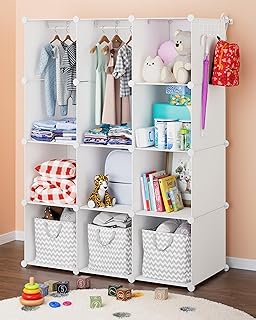
CUBEDIY Baby Closet Organizer for Nursery: Durable Baby
If you want something that just works, CUBEDIY Baby Closet Organizer for Nursery: Durable Baby Wardrobe for C is a safe bet (316 reviews, 4.5 stars).
7. Layer Textures with Organic, GOTS-Certified Bedding

When you skip bright colors, a room can look flat and sterile. You fix this by layering textures, not by adding gray paint. I stick to GOTS-certified organic cotton for anything that touches the baby’s skin. Standard cotton is heavily treated with pesticides. Burt’s Bees Baby makes fitted crib sheets for about $15 to $25 each. They feel like a worn-in, vintage t-shirt. I buy them in ‘Heather Grey’ and ‘Oatmeal’ to keep the neutral vibe. If you have a larger budget, Coyuchi offers organic sheets starting around $50. They are thicker and crisp, like hotel bedding. The tradeoff is that Coyuchi sheets wrinkle in the dryer. If you don’t pull them out the second the buzzer goes off, they look like a crumpled paper bag. Remember to keep the crib bare. No loose 30×40 inch blankets, no decorative pillows, and no padded bumpers. You might also like: 15 Lovely Nursery Lighting Ideas to Transform Your Space
8. Utilize a Dresser as a Changing Table with Smart Organization

Please don’t buy a standalone changing table. I bought a flimsy $100 one for my first baby. It had open shelves, and by the time he was a year old, he was pulling diaper cream and wipes onto the floor. It was a daily disaster. Instead, buy a sturdy, waist-high dresser. The IKEA Hemnes 6-drawer dresser costs $249.99 and is the perfect height. You just screw a wooden changing tray to the top and drop a waterproof pad inside. The solid drawers hide all the ugly packaging. I use $15 fabric drawer dividers to separate diapers from the Aquaphor. One mistake I made: putting the wipes in the top left drawer. When you’re holding down a messy baby with your right hand, you can’t reach across your body to open a drawer with your left. Keep the wipes on top. You might also like: 20 Brilliant Baby Nursery Themes Ideas You Can Try Today
9. Incorporate Natural Elements and Botanical Art

A neutral room shouldn’t feel like a waiting room. Add natural, earthy elements to bring life into the space. I like large, woven seagrass baskets. The Citizenry and Serena & Lily sell thick-woven baskets ranging from $50 to $150. I use a 16-inch basket for laundry and a 12-inch one for stuffed animals. They smell faintly of sweetgrass when you first unbox them. For the walls, skip the cartoon decals. I use framed botanical prints. I found a set of three 11×14 inch fern leaf prints on Etsy for $35 and put them in natural oak frames. It adds a punch of green without overwhelming the beige palette. Just don’t hang heavy glass frames over the crib. I hung a wooden sign over my first son’s crib and spent six months terrified it would fall.

JolyWell Night Light for Kids
A dependable everyday pick — JolyWell Night Light for Kids pulls in 51 ratings at 4.5 stars. Not flashy, just solid.
10. Install Dimmable, Warm-White LED Lighting (2700K)

Lighting dictates the mood. Most builder-grade lights use 4000K or 5000K bulbs, which mimic harsh, blue-toned hospital lighting. That blue light halts melatonin production, making it impossible to get your baby back to sleep after a 2 AM feeding. I swap every bulb for 2700K warm-white LEDs. They cast a soft, yellowish glow that feels like candlelight. You also need a dimmer switch. I bought a basic Lutron dimmer from Home Depot for $25 and wired it myself in ten minutes. It lets you keep the light at a 10% glow during night changes. I also keep a small, plug-in Himalayan salt lamp on the dresser. It gives off a faint orange light. The only negative: salt lamps sweat in high humidity. I ruined the finish on my dresser because the lamp leaked a puddle of salty water.
11. Anchor All Furniture to the Wall

This is the most critical safety step, and it’s non-negotiable. When babies hit ten months, they start pulling up on everything. A 100-pound dresser will tip forward if a toddler pulls out the bottom drawers and stands on them. I was at a friend’s house when her toddler pulled a bookshelf down. He wasn’t hurt, but the crash was terrifying. You must anchor everything. Buy heavy-duty metal anti-tip kits. They cost about $15 for a pack of four on Amazon. Drill one bracket into the wall stud using a 1/8 inch drill bit, attach the other to the furniture, then connect them with a steel cable. Don’t use the cheap plastic zip-ties that come in the box. They snap under pressure. I spent two hours anchoring a new storage cabinet. It’s annoying, but you won’t regret the peace of mind.
12. Conceal Cords and Use Outlet Covers

Electrical cords are a strangulation and shock hazard parents often overlook. You’ll have cords for the baby monitor, sound machine, air purifier, and floor lamp. I use rigid plastic cord covers that stick to the baseboards. You can buy a 150-inch kit for $20. Snap the cords inside and paint the cover to match your wall. I forgot about the monitor cord near the crib until I saw my son reaching through the slats to grab it. I moved the camera that same day. You also need outlet covers. Skip the little plastic plugs that push into the sockets. They’re annoying to remove and become a choking hazard if left on the floor. Instead, install sliding outlet covers. They cost $4 each and snap shut when you pull a plug out.

Beautiful Wooden Baby Closet Dividers Set of 7
Beautiful Wooden Baby Closet Dividers Set of 7 – Double-Sided Organize punches above its price — 11 buyers rated it 4.5 stars. I would buy it again.
13. Avoid Over-Themed Decor in a Baby Boy Neutral Nursery

When you’re pregnant, it’s tempting to buy everything in a matching theme. I had a client who spent $2,000 on a nautical theme. Two years later, her son hated boats and only wanted dinosaurs. She had to rip it all out. A neutral nursery prevents this trap. Keep the walls, rug, and furniture neutral. Bring in personality through cheap, swappable items. A $20 crib sheet with trucks is easier to replace than a $400 rug. Right now, I have a plain cream nursery, but I bought a few wooden dinosaur toys from Whole Foods for $12 each and lined them up on the shelf. The wood grain looks beautiful, and it gives the room a playful vibe without locking you into a permanent theme. You’ll save money when you aren’t redecorating every eighteen months.
14. Choose Timeless, Multi-Functional Storage Solutions

Babies come with an unbelievable amount of plastic junk. If you don’t have a strict storage system, the room will look like a bomb went off within days. I rely on hidden under-crib storage. Target sells 28-inch long zippered fabric bins for $15 each. They slide under a standard crib frame. I use them for out-of-season clothes and extra sleep sacks. The zippers are a bit flimsy, so don’t overstuff them. For wall storage, I install wooden peg rails. Pottery Barn Kids sells a beautiful 36-inch maple peg rail for $45. I hang it by the door. It’s perfect for holding damp towels, swaddles, or tiny sweaters. It keeps the floor clear and looks traditional. I used to throw everything over the back of the glider, which made the room look messy. The peg rail forces me to put things away.
15. Incorporate a Sensory Basket with Natural Materials

This is a fantastic Montessori trick. Instead of filling a toy box with loud, flashing plastic, create a simple sensory basket. I use a shallow 10-inch woven bowl and fill it with four or five natural items. Right now, my basket has a smooth 3-inch wooden teething ring, a soft 2-inch felted wool ball, a bumpy 10×10 inch waffle-knit cotton cloth, and a polished river stone I found outside. The textures are engaging for a six-month-old. They grab, taste, and bang the items together. It’s quiet, it looks beautiful, and it costs almost nothing. Just make sure the stone is larger than a golf ball so it isn’t a choking hazard. I bought a bag of cheap wool balls from Sprouts last month, but they smelled like vinegar, so I had to wash them by hand before letting the baby chew on them.
Building a calm space doesn’t require a massive budget, just intentional choices. I’ve seen too many parents stress over matching sets when all the baby really needs is a safe, quiet, and comfortable environment. Stick to natural woods, soft textures, and practical storage, and you’ll create a room you actually enjoy sitting in at 3 AM. If you found these tips helpful, pin this article to your nursery inspiration board so you have the exact paint colors and product dimensions handy when you head to the store! It’s a real help.

Criusia Drawer Organizer Clothes
If you want something that just works, Criusia Drawer Organizer Clothes is a safe bet (11 reviews, 4.5 stars).
Frequently Asked Questions
What colors work best for a baby boy neutral nursery?
Stick to warm, earthy tones rather than cold grays. I recommend soft sage greens, warm creamy whites, and mushroom taupes. These shades reflect natural light beautifully and provide a calming foundation that won’t overstimulate your newborn during late-night feedings.
How do I add personality to a neutral nursery without a theme?
Use rich textures and natural materials instead of loud prints. Layer a chunky wool rug, add woven seagrass baskets for storage, and hang simple botanical art. You can introduce small wooden toys on open shelves to add character without committing to a restrictive theme.
Is a glider really necessary for a nursery?
Yes, you’ll spend countless hours feeding and rocking your baby. Skip the stiff vintage rocking chairs and invest in a CertiPUR-US certified foam glider with a high back. Power recline features and wide armrests save your posture when you’re trapped under a sleeping infant.
How can I safely store items in a small nursery?
Maximize vertical and hidden space. Slide 28-inch fabric storage bins under the crib for extra blankets. Swap a traditional changing table for a sturdy 6-drawer dresser, and mount wooden peg rails on the walls to hold swaddles and lightweight items off the floor.
