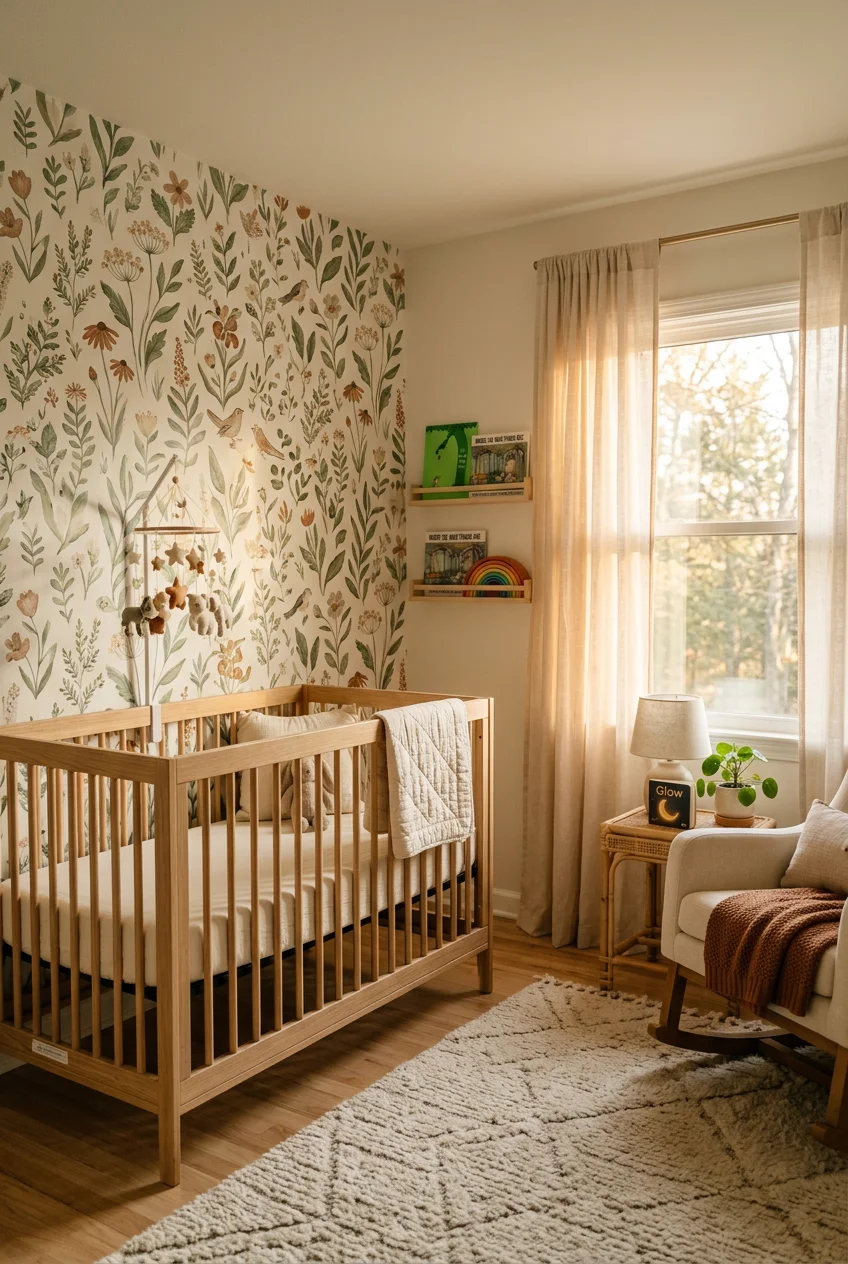
What’s Inside
- Prioritize Non-Toxic and Eco-Friendly Materials for Safety
- Embrace Peel-and-Stick Wallpaper for Flexibility and DIY Ease
- Plan for Longevity with “Grow-With-Me” Designs
- Create an Accent Wall with Toddler Room Wallpaper to Minimize Cost
- Don’t Skimp on Thorough Wall Preparation
- Always Order Samples to Assess Lighting and Color
- Accurately Measure and Account for Pattern Repeat
- Opt for Washable and Durable Wallpaper Materials
- Explore Trending Styles for 2026
- Don’t Overlook the Ceiling for a “Wow” Factor
- Avoid Overly Bright or Saturated Colors for Main Walls
- Hire a Professional for Complex Installations or Traditional Wallpaper
- Utilize Toddler Room Wallpaper in Unexpected Places
- Consider the Acoustic Benefits of Wallpaper
- Budget for Potential Wallpaper Removal and Wall Repair
Last Tuesday at Whole Foods, I watched an exhausted mom trying to soothe her screaming two-year-old with a $4.99 box of organic fruit snacks. It made me realize how chaotic this specific age gets. When you’re designing their bedroom, you need a calming anchor, and toddler room wallpaper is the best way to do it. I learned that the hard way with my first attempt about four years ago. I bought a cheap, shiny roll of paper off a random discount site, slapped it on the wall, and it bubbled up and peeled off the drywall within five days. It was a disaster. Now, I’m protective of my design choices and the materials I bring into a home. I’ve spent years figuring out what works, what fails, and what actually lasts through the messy, crayon-wielding years. You can’t just pick a cute pattern and hope for the best. You need a plan. Let’s talk about how to get this right without losing your mind, wasting your money, or ruining your security deposit.
1. Prioritize Non-Toxic and Eco-Friendly Materials for Safety

You know that sharp, plastic smell when you open a brand new vinyl shower curtain? I bought a $19.99 roll of discount wallpaper once, and my daughter’s room smelled like that for three weeks. It’s awful. You’re breathing in VOCs (Volatile Organic Compounds) and phthalates while you sleep. Skip the cheap stuff. It smells like a chemical factory and it’s terrible for indoor air quality. Instead, look for PVC-free options printed with water-based or Greenguard Gold certified inks. Brands like Livette’s Wallpaper have a gorgeous line starting around $48 per roll that feels safe. Nestig and Olive et Oriel also make eco-friendly options I swear by. Last month, I used a Nestig botanical print in a client’s home. The texture felt like thick, luxurious cotton paper, and there was zero chemical odor straight out of the box. You want your child sleeping in a safe environment, not a plastic bubble off-gassing toxins. Paying a little extra upfront for non-toxic materials saves you massive headaches and health worries later.
2. Embrace Peel-and-Stick Wallpaper for Flexibility and DIY Ease

I tried traditional paste wallpaper exactly once. It was a Tuesday night, I was exhausted, and I ended up with a sticky, gloopy mess that ruined my favorite $25 Target sweatpants. Never again. Peel-and-stick is the only way to go for nurseries unless you’re hiring a pro. Brands like Tempaper (about $42 a roll), Spoonflower, and Wall Blush offer incredible options. The backing feels like a giant sticker. You peel off the top 4 inches, align it with your ceiling, and smooth it down. If you mess up, you just pull it back and reposition it. It’s forgiving. I’m constantly changing my mind about decor, so knowing I can peel this off without ripping the drywall to shreds is a relief. I recently helped my sister install a Spoonflower design in her son’s room. We finished the entire wall in under two hours while drinking iced coffee. No messy buckets of paste, no toxic fumes, just a clean, smooth finish. It’s a lifesaver for busy parents who don’t have the time or patience for complicated DIY projects.
3. Plan for Longevity with “Grow-With-Me” Designs

When my oldest was two, I bought this specific, bright yellow construction truck wallpaper. It cost $150 and took hours to hang. By the time he was four, he hated trucks and only wanted dinosaurs. I was furious at myself. Interior designers Megan Unger and Ginger Curtis always warn against this mistake. You’re better off choosing versatile patterns like subtle botanicals, geometric shapes, or abstract designs. I’m a fan of soft, watercolor stripes or tiny, muted stars. These patterns age beautifully. You can transition them easily from a nursery to a big kid room without changing the walls. A few weeks ago, I was wandering through Costco picking up a giant pack of paper towels, and I saw they were selling these muted geometric rugs for $49.99. It reminded me that neutral foundations let you swap out cheap accessories instead of expensive wall coverings. Buy the $15 dinosaur blanket at Walmart. Don’t glue giant green dinosaurs to your freshly painted walls. You won’t regret playing it safe with the expensive base layers.

Premium Hypoallergenic Baby Crib Mattress and Toddler
A dependable everyday pick — Premium Hypoallergenic Baby Crib Mattress and Toddler Mattress – 52″ x pulls in 17 ratings at 4.5 stars. Not flashy, just solid.
4. Create an Accent Wall with Toddler Room Wallpaper to Minimize Cost

Covering an entire room in high-quality wallpaper gets expensive very quickly. If you’re on a budget, creating a single accent wall is the smartest move. Applying toddler room wallpaper to just one wall, usually the feature wall behind the crib or bed, changes the room without draining your bank account. I usually pick a bold pattern for the accent wall and take a tiny scrap of the paper to the hardware store. I have them color-match a muted background tone from the paper into a $35 gallon of Benjamin Moore paint for the remaining three walls. I was in the checkout line at Trader Joe’s last week holding a $5.99 bouquet of eucalyptus, and I realized that’s exactly how accent walls work. You have one focal point, and everything else just supports it quietly. Most people get this wrong by trying to make every wall scream for attention. Pick one wall. Make it beautiful. Paint the rest. It’s cheaper, faster, and it looks professional.
5. Don’t Skimp on Thorough Wall Preparation

This is the most boring step, but if you skip it, you’re going to cry later. A massive mistake I see constantly is neglecting proper wall preparation. Ensure your walls are clean, smooth, dry, and free of any tiny holes or cracks before applying anything, especially peel-and-stick paper. I once slapped a beautiful $80 roll of paper over a wall I hadn’t washed. Three days later, the edges were curling up because the adhesive stuck to a microscopic layer of dust instead of the paint. Now, I mix 1/2 cup of white vinegar and 2 tablespoons of mild dish soap into a bucket of warm water. I scrub the entire wall down with a sponge and let it dry for 24 hours. If there are nail holes, you must fill them with spackle and sand them perfectly flat. Even a tiny bump the size of a grain of rice will show through the paper and drive you crazy every time the light hits it. Don’t rush this part. It’s tedious, but it’s non-negotiable. You might also like: 20 Charming Small Nursery Ideas to Transform Your Space
6. Always Order Samples to Assess Lighting and Color

Never buy 10 rolls of wallpaper based on a tiny photo on your phone screen. The colors you see online are entirely different from how they look in your specific house. Always order 8×11.5 inch samples of your chosen wallpaper first. Nestig offers generous wallpaper samples for around $5, and it’s the best five bucks you’ll spend. Tape the sample to the wall and leave it there for a few days. You need to see how the pattern and colors appear in the room’s natural morning light, the harsh afternoon sun, and the warm artificial lighting at night. I once bought a paper that looked like a lovely soft cream online, but under my client’s LED ceiling lights, it looked like a sickly, glowing yellow. I had to return $400 worth of heavy boxes. I also recommend buying a small 4 oz sample pot of your coordinating paint color and painting a square right next to the wallpaper sample. You’ll instantly know if the undertones clash. Taking this one simple step prevents expensive design disasters. You might also like: 20 Brilliant Baby Nursery Themes Ideas You Can Try Today

Modanais Baby Diaper Caddy Organizer Cart
Honestly, Modanais Baby Diaper Caddy Organizer Cart – 3 Tier Rolling Cart with D surprised me — sturdier than it looks in the photos, and over 635 buyers gave it 4.5 stars.
7. Accurately Measure and Account for Pattern Repeat

Wallpaper math is the worst, but you can’t avoid it. You have to measure the exact height and width of each wall. Use an online wallpaper calculator (Spoonflower and Wallpapers To Go have great free ones) to determine the exact number of rolls needed. But here’s the critical part most people forget. You must account for the pattern repeat. When you line up the second strip of paper next to the first, you usually have to slide it up or down to make the flowers or geometric lines match perfectly. This wastes paper. Always add an extra 10-15% to your final calculations for this trimming and matching. For a standard 12×12 room with 9 ft ceilings, you might need approximately 16 rolls, covering about 432 square feet. I once miscalculated by a single roll. I was 90% done with a wall at midnight, realized I was short by two feet, and ended up crying on the floor. I had to wait two weeks for a new roll to ship, and the dye lot was different. Order extra. You can usually return unopened rolls. You might also like: 15 Clever Neutral Small Nursery Ideas for Every Budget
8. Opt for Washable and Durable Wallpaper Materials

Toddlers are sticky, messy, unpredictable creatures. Nurseries and toddler rooms are high-traffic areas prone to spilled milk, muddy fingerprints, and art projects. You must select washable and scrubbable wallpaper materials. Look for vinyl or coated options that are resistant to stains and fading. Brands like Love vs. Design offer scratch-resistant and wipeable vinyl wallpapers designed for active kids’ rooms, starting around $65 a roll. I learned this lesson when my son found a stray red crayon and drew a massive, jagged circle right in the middle of his expensive, uncoated paper wall. I tried to wipe it off with a damp cloth, and the paper just absorbed the water and tore. It was ruined. Now, I only install paper that I can aggressively scrub with a soapy sponge. If you’re putting this in a room where a two-year-old lives, durability isn’t just a nice feature; it’s a requirement. Skip the delicate grasscloths and untreated papers. They won’t survive the toddler years.
9. Explore Trending Styles for 2026

If you want a room that feels fresh, pay attention to the upcoming trends. The nursery trends for 2026 are moving away from stark, cold minimalism and leaning into warm, inviting textures. We’re seeing a surge in boho-inspired interiors and sophisticated botanical details. Think ditsy florals, vintage rose patterns, or soft watercolor flowers. The color palettes are shifting to warm neutrals like sage green, dusty peach, lavender mist, and soft taupe. I was running through Sprouts last week grabbing oat milk, and I noticed even the trendy organic baby food packaging is using these dusty, muted colors. The Japandi style is also huge right now, blending cozy Scandinavian minimalism with warm Japanese aesthetics. It’s all about natural textures and calming environments. I’m currently obsessed with a dusty peach abstract arch pattern I found online. It adds warmth to a room without feeling like a traditional, overly sweet baby space. Incorporating these 2026 trends ensures the room feels modern and intentional, rather than dated and themed.
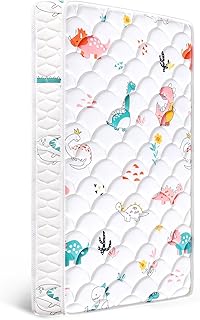
Letmxiu Premium 5" Crib Mattress and Toddler Mattress
Honestly, Letmxiu Premium 5″ Crib Mattress and Toddler Mattress surprised me — sturdier than it looks in the photos, and over 15 buyers gave it 4.5 stars.
10. Don’t Overlook the Ceiling for a “Wow” Factor

This is my favorite design trick, though I’ll admit it’s a physical workout. Interior designers like Malka Helft suggest using wallpaper on the ceiling as an unexpected accent. It draws the eye upward, makes the room feel taller, and adds a touch of whimsy. When a toddler is lying in their crib or bed, they spend a lot of time staring straight up. Why not give them something beautiful to look at? I installed a subtle gold star pattern on a navy blue ceiling last year. I spent five hours on a ladder, and my neck was sore for two days, but the result was breathtaking. It looked like a magical night sky. If you’re going to attempt this, you definitely need two people. One person holds the heavy roll while the other smooths it out. It’s tricky to fight gravity, but applying paper to the ceiling is the best way to create a high-end, custom look without cluttering the walls with heavy art. It’s worth the sore neck.
11. Avoid Overly Bright or Saturated Colors for Main Walls

While vibrant, primary colors might seem fun in the store, covering all four walls in highly saturated hues is a mistake. Overly bright colors can make a room feel frantic and actually overstimulate a toddler when they’re supposed to be winding down for sleep. Designers call this a “transitory palette” because kids outgrow it immediately. I once let a client talk me into a neon pink wallpaper for her daughter’s room. It looked like the inside of a bubblegum factory. Three months later, she called me begging to change it because her toddler wouldn’t sleep and the room gave her a headache. It’s like going to Kroger on a Sunday afternoon when the fluorescent lights are buzzing and everyone is rushing around; it’s just too much sensory input. Instead, opt for muted tones, soft pastels, or warm neutrals for larger wall areas. You can easily introduce bolder, brighter colors through throw pillows, art prints, or a colorful rug. Keep the walls calm, and let the accessories bring the energy.
12. Hire a Professional for Complex Installations or Traditional Wallpaper

While peel-and-stick is generally very DIY-friendly, traditional unpasted wallpaper is a different beast. It requires specific skills, immense patience, and specialized tools to get a flawless finish. If you’re buying expensive traditional paper, just hire a professional. Professional installation for a standard nursery can range from $250 to $1,200, or roughly $2 to $7 per square foot. I know it sounds like a lot of money, but it’s cheaper than ruining the paper. I once tried to hang a very expensive, heavy traditional paper by myself. I mixed the paste wrong, the paper stretched while it was wet, and when it dried, the seams pulled apart leaving a visible white gap down the middle of the wall. I ruined $300 worth of materials in an hour. A pro knows how to handle tricky corners, uneven ceilings, and precise pattern matching. They bring their own laser levels and smoothing tools. If you’re investing in high-end traditional paper, factor the installation cost into your budget from day one. You won’t regret paying for perfection.

Baby Sound Machine, Momcozy White Noise Machine for Baby
Baby Sound Machine punches above its price — 71 buyers rated it 4.5 stars. I would buy it again.
13. Utilize Toddler Room Wallpaper in Unexpected Places

You don’t always have to commit to a massive wall to make a huge impact. Using wallpaper in smaller, unexpected areas is one of my favorite ways to add creative touches to a room. Consider applying a bold pattern to the backs of plain white bookcases, inside closet doors, or even on the drawer fronts of a simple dresser. It adds depth and dimension without overwhelming the entire space. I recently took a $40 plain wooden bookshelf and lined the back panels with a leftover scrap of floral wallpaper. It changed the piece of furniture from boring to custom-made. Here’s a pro tip. Don’t glue the paper directly to the back of the bookshelf. Instead, cut a piece of 1/4 inch plywood to size, wrap the wallpaper around the wood, and secure it with a staple gun. Then, just pop the wood into the back of the shelf. When you get tired of the pattern, you just pull the wood out. It’s a low-commitment way to introduce fun patterns.
14. Consider the Acoustic Benefits of Wallpaper

This is something very few people think about, but it’s important in a nursery. While not its primary function, some wallpapers can subtly contribute to sound dampening. Nurseries often have hard floors and minimal furniture, which creates an echo chamber. I noticed this in my own house; every time I closed the door, the click of the latch would echo and wake the baby up. Thick, textured wallpapers, or papers made from heavier vinyl materials, actually absorb some of that bouncing sound, helping to create a calmer and more peaceful environment. It’s not going to soundproof the room like a recording studio, but it softens the sharp noises. You can enhance this cozy, quiet effect by layering the room with soft textiles like a thick wool rug, heavy blackout drapes, and plush floor cushions. When you combine textured paper with thick fabrics, the room feels warmer and sounds quieter. It’s a subtle change, but it makes a difference when you’re trying to keep a toddler asleep during nap time.
15. Budget for Potential Wallpaper Removal and Wall Repair

Nobody wants to think about taking the paper down before they’ve even put it up, but you have to plan for the future. If you’re using traditional pasted wallpaper, or if you apply peel-and-stick over poorly prepped walls, removing it in a few years can be a challenging and costly nightmare. Professional removal services typically range from $1 to $3 per square foot. On top of that, you’ll likely have additional expenses for patching damaged drywall, skim-coating, and resurfacing the walls before you can paint again. I once spent an entire weekend with a steamer and a metal scraper trying to remove old paper from a client’s room. We ended up gouging the drywall so badly we had to hire a drywaller for $500 to fix our mess. Factor these potential future costs into your long-term planning. This is exactly why I push for high-quality peel-and-stick options on properly prepped walls. It saves you from this exact nightmare when your child decides they’re too old for the pattern.
Honestly, choosing the right wallpaper changes the feel of a room from a basic storage space for toys into a cozy retreat. I’ve made every mistake in the book so you don’t have to. Stick to non-toxic materials, prep your walls like a professional, and always order samples before you buy. I highly recommend checking out Spoonflower or Nestig for your first project; their quality is unmatched. Pin this article for later when you’re ready to start measuring, and don’t rush the process. You’re going to create a beautiful space!

Modanais Baby Diaper Caddy Organizer Cart
Honestly, Modanais Baby Diaper Caddy Organizer Cart – 3 Tier Rolling Storage Car surprised me — sturdier than it looks in the photos, and over 315 buyers gave it 4.5 stars.
Frequently Asked Questions
Is peel-and-stick wallpaper safe for a toddler room?
Yes, but you must check the labels. Always choose peel-and-stick toddler room wallpaper that is explicitly PVC-free, VOC-free, and printed with water-based or Greenguard Gold certified inks to ensure a safe, non-toxic environment.
How much wallpaper do I need for an accent wall?
It depends on your wall size and the pattern repeat. Measure the height and width, use an online calculator, and always add 10-15% extra to account for trimming and matching the design seamlessly.
Can I put wallpaper over textured walls?
It’s highly discouraged. Wallpaper, especially peel-and-stick, requires a completely smooth, clean surface to adhere properly. Applying it over heavy texture will cause bubbling, poor adhesion, and the bumps will visibly show through the paper.
What are the best wallpaper trends for 2026?
Current trends heavily favor warm, inviting styles like boho-inspired botanicals, Japandi minimalism, and muted color palettes featuring sage green, dusty peach, and soft taupe, moving away from overly bright or themed designs.
