What’s Inside
- Embrace Earthy Neutrals For Toddler Room Ideas For Boys
- Invest In Certified Sleep Structures
- Implement A Floor Bed System
- Prioritize Low Open Shelving For Toy Rotation
- Choose Highly Washable Paint Finishes
- Install True Blackout Curtains
- Select Child-Safe LED Lighting
- Incorporate A High-Efficiency Air Purifier
- Create A Floor-Level Reading Nook
- Install Wall-Mounted Hooks At Child Height
- Choose Adaptable Furniture Over Themed Pieces
- Involve Your Child Within Strict Limits
- Prioritize Heavy-Duty Furniture Anchors
- Incorporate Grounding Nature Elements
- Restrain Your Use Of Bold Patterns
- Layer Soft, Washable Floor Rugs
- Set Up An Accessible Morning Station
- Implement Rigid Cord Concealment Systems
- Add Oversized Floor Cushions For Rough Play
Most people paint a nursery pale blue, shove a crib in the corner, and call it a day. Then the child turns two, starts climbing everything, and those sweet baby aesthetics suddenly become a massive safety hazard. If you’re hunting for functional toddler room ideas for boys, the transition requires a completely different approach to space planning. You need unbreakable surfaces, anchored furniture, and layouts that encourage independence without causing a daily mess. I’ve seen too many parents waste money on expensive, highly themed decor that their kid outgrows in six months. If you only try one idea from this list, make it #3. Moving the mattress directly to the floor eliminates climbing injuries instantly and gives a toddler complete autonomy over their sleep schedule. It’s a massive shift, trust me on this.
Skip this list if you want a hyper-themed, floor-to-ceiling character room. These concepts focus on longevity, muted palettes, and functional independence rather than plastering cartoon characters over every square inch. If you want a bedroom that looks like a loud theme park ride, these specific design principles won’t work for your space.
1. Embrace Earthy Neutrals For Toddler Room Ideas For Boys

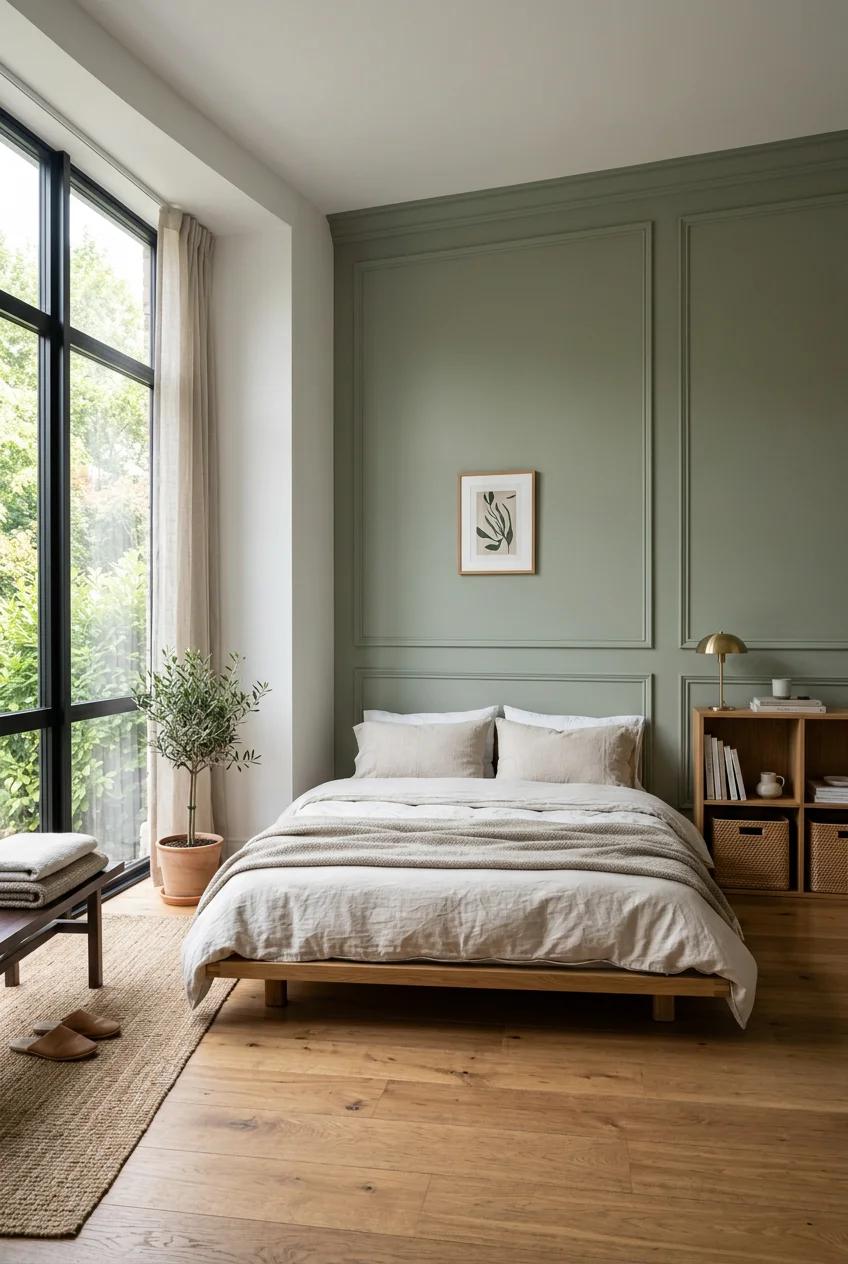
Most people slap bright primary colors on the walls and wonder why the room feels chaotic. When curating toddler room ideas for boys, earthy neutrals provide a necessary visual anchor. Opt for calming palettes like sage green, dusty blue, warm beige, or soft taupe. These tones create a soothing environment that absorbs the visual clutter of brightly colored plastic toys. Sherwin Williams’ “Delft” is a mid-toned blue with a subtle gray undertone that designers frequently specify for its longevity. It pairs beautifully with natural wood furniture and won’t feel juvenile when the child turns eight. A gallon of premium paint typically runs between $60 and $80. Let’s be honest, repainting every three years is a massive waste of time. Choosing a muted foundation means you only need to swap out cheap accessories as their interests change. It’s simple.
Best for: homes with large windows and plenty of natural light.
The catch: muted colors show scuffs and dirty handprints much faster than deeper, highly saturated tones.
2. Invest In Certified Sleep Structures

Safety certifications aren’t just marketing fluff. Prioritize safety and air quality by choosing a toddler bed that meets stringent JPMA and GREENGUARD Gold certifications. The Dream On Me Classic Design Toddler Bed is a solid example, usually priced in the budget to mid-range tier (typically under $100). It’s made from solid wood with non-toxic finishes and screened for over 10,000 chemicals and VOCs. You don’t want a toddler breathing in off-gassing formaldehyde while they sleep. These frames sit incredibly low to the ground, usually leaving just a 5-inch gap, making it easy for clumsy toddlers to climb in and out independently. The hardware feels sturdy, not like the flimsy aluminum frames that rattle every time the kid rolls over. They often include two attached guardrails for restless sleepers.
The catch: the weight limit on most standard toddler beds caps out around 50 pounds, meaning you’ll need to upgrade to a twin bed sooner than you think.
3. Implement A Floor Bed System

If you want to skip the traditional toddler bed entirely, a Montessori-inspired floor bed is the most functional alternative. The Little Seeds Maverick Montessori Toddler Floor Bed costs roughly $80 to $110 and encourages complete autonomy. Placing a firm crib mattress directly inside a low wooden frame allows a toddler to safely access their sleep space without climbing over high rails. It’s a simple setup that prevents dangerous falls in the middle of the night. You’ll need a standard 52-inch by 28-inch crib mattress to fit snugly inside the frame. This approach forces you to view the entire bedroom as a safe sleep space, completely changing how you arrange the furniture. I learned that the hard way.
Best for: tight budgets and parents practicing Montessori methods.
The catch: since the child can get out of bed freely, you have to baby-proof the entire room with extreme precision, securing every outlet and heavy piece of furniture.

Beautiful Wooden Baby Closet Dividers Set of 7
If you want something that just works, Beautiful Wooden Baby Closet Dividers Set of 7 – Double-Sided Organize is a safe bet (11 reviews, 4.5 stars).
4. Prioritize Low Open Shelving For Toy Rotation

Dumping toys into a massive chest is a guaranteed way to break plastic parts and overwhelm a toddler. Instead, use low, open shelves to display exactly 6 to 8 activities at a time. This specific Montessori approach reduces visual noise and encourages independent play. Brands like Sprout Kids and Piccalio offer excellent front-facing bookshelves. Piccalio’s version measures exactly two feet high with three tiers of deep shelving, usually priced in the mid-range tier around $150 to $200. Rotate toys weekly to maintain interest. Store the out-of-rotation items in a hallway closet using opaque bins from Target. When a toddler can see exactly what they have, they actually play with it instead of just dumping bins on the floor.
The catch: this system requires daily maintenance from you to keep the shelves looking tidy and inviting.
5. Choose Highly Washable Paint Finishes

A common mistake involves using flat or matte paint in a kid’s room. Flat paint absorbs oils from sticky fingers and is notoriously difficult to clean. You must opt for semi-gloss or satin finishes for high-traffic areas. Benjamin Moore Regal Select in a satin finish provides a durable, wipeable surface that withstands aggressive scrubbing. A gallon runs between $70 and $90. You can literally wipe off stray crayon marks with a damp microfiber cloth without removing the paint color. The chalky matte finish of cheap paint scuffs if you look at it wrong. Alternatively, install washable vinyl wallpaper treated for marker pens on the lower half of the walls. Kids will touch the walls constantly. Planning for it saves your sanity.
Best for: homes with highly active kids or pets.
The catch: glossy finishes reflect light harshly and will highlight every single dent, nail pop, and imperfection in your drywall. You might also like: 16 Baby Girl Nursery Themes You Need to See
6. Install True Blackout Curtains

Naps are essential, and daylight is the enemy of a sleeping toddler. Ensure the room is pitch dark by installing heavy, true blackout curtains. Pottery Barn Kids offers premium blackout panels ranging from $120 to $170 per panel. Don’t fall for “room darkening” labels; you need a thick, heavy lining that blocks 100 percent of UV rays. The heavy canvas drapes instantly muffle street noise, creating a quiet cocoon. Most people hang these way too low. Mount the curtain rod at least 4 to 6 inches above the window frame to make the ceiling look higher. For a highly effective trick, apply heavy-duty Velcro strips along the edges of the curtains and the window frame to seal out the light completely. You might also like: 16 Toddler Boy Room Decor for Every Budget
The catch: thick blackout fabrics are heavy and prone to collecting dust, requiring frequent vacuuming with an upholstery attachment. You might also like: 20 Clever Daycare Nursery Room Ideas You Can Try Today

Babelio Memory Foam Crib Mattress Dual-Sided Baby Toddler
Babelio Memory Foam Crib Mattress Dual-Sided Baby Toddler Mattress Sta punches above its price — 598 buyers rated it 4.5 stars. The kind of pick people reorder.
7. Select Child-Safe LED Lighting

Floor lamps with exposed cords and wobbly bases are massive tipping hazards. Toddlers will pull on cords. Instead, use ceiling-mounted fixtures, wall sconces, or table lamps with heavy, weighted bases (at least 10 pounds) and fully concealed cords. Always use LED bulbs. Philips Hue LED bulbs cost roughly $40 to $60 for a starter pack and stay completely cool to the touch, hovering around 80°F. Traditional incandescent bulbs can exceed 200°F and cause severe burns if a curious child touches them. Choose a warm white light setting (2700K to 3000K) to create a calming atmosphere before bedtime. The warm amber glow signals to the brain that it’s time to sleep.
The catch: smart LED bulbs will default to their brightest setting if your house loses power and the electricity kicks back on in the middle of the night.
8. Incorporate A High-Efficiency Air Purifier

Indoor air is consistently more polluted than outdoor air, which matters heavily when developing lungs are sleeping for 12 hours a day. Place a compact air purifier with a true HEPA filter in the corner of the room. The Levoit Core 300 is a standard choice for nurseries, typically priced between $100 and $150. It features a 3-stage filtration system that traps dust mites, pet dander, and pollen. It emits a low, steady hum that doubles as a white noise machine. It operates quietly, registering under 40 decibels in sleep mode. Keep it at least 15 inches away from the wall to ensure proper airflow around the intake vents.
Best for: older homes with poor ventilation or families with indoor pets.
The catch: the replacement filters cost around $30 each, and you’ll need to swap them out every six months to maintain efficiency.
9. Create A Floor-Level Reading Nook

If books are shoved on a high shelf, they won’t get read. Designate a specific 3-foot by 3-foot corner for reading. Use a low, front-facing bookshelf that displays covers prominently, encouraging independent selection. The Humble Crew 4-Tier Kids Book Rack is highly functional, made from 100% nylon with four deep fabric pockets, and usually costs under $40. Pair it with a heavily padded floor cushion or a small, structured foam chair. Add a soft 5×7 foot rug to define the space visually. When books are accessible at a 24-inch height, toddlers naturally gravitate toward them during quiet time without needing adult intervention.
The catch: the fabric pockets on cheap book racks stretch out over time, especially if your child shoves heavy hardcover books into them.

Rattan Divided Scalloped Basket
If you want something that just works, Rattan Divided Scalloped Basket is a safe bet (16 reviews, 4.5 stars).
10. Install Wall-Mounted Hooks At Child Height

Most closets are designed for adults, leaving toddlers completely dependent on you to hang up a jacket. Maximize vertical space and encourage independence by installing wooden peg hooks exactly 30 to 36 inches from the floor. This specific height allows a two-year-old to grab their own backpack, hoodie, or bath towel. Command Heavy-Duty Hooks are a cheap, temporary solution, but screwed-in wooden pegs from West Elm (around $30 to $50) look much more polished. Teaching a toddler to hang up their own belongings reduces the amount of clothing left in piles on the floor. It’s a small structural change that yields massive behavioral results.
The catch: toddlers will inevitably try to pull down on the hooks or hang from them, so they must be anchored directly into a wall stud, not just drywall.
11. Choose Adaptable Furniture Over Themed Pieces

Buying a dresser shaped like a race car is a terrible financial decision. Avoid furniture that caters to a specific age or fleeting obsession. Opt for timeless, solid wood pieces that adapt over a decade. A standard 6-drawer dresser from Delta Children (ranging from $250 to $400) with a removable changing topper easily transitions into a regular bedroom dresser once diapers are done. Multi-functional furniture prevents you from hauling heavy pieces to the dump every few years. Stick to natural wood tones, crisp white, or matte black for large case goods. You can add personality through cheap, easily replaceable drawer pulls shaped like animals or geometric shapes.
The catch: removing a changing topper after two years of use often reveals deep scratch marks and uneven UV fading on the top surface of the dresser.
12. Involve Your Child Within Strict Limits

It’s a huge mistake to let a three-year-old dictate the entire design scheme. Their favorite color will change by Tuesday. However, involving them in highly controlled decisions gives them a sense of ownership. Present them with exactly two pre-approved options. Ask them to choose between two specific Minted art prints (budget around $40 to $80 each) or let them pick the color of their new bedsheets from a curated pile. This strategy makes them feel valued without compromising the room’s overall aesthetic or longevity. Never ask open-ended questions like “What color do you want your room?” unless you’re prepared to paint it neon orange. No exaggeration.
The catch: even with limited choices, a toddler might throw a tantrum if they suddenly decide they hate both options you provided.

Criusia Over the Door Organizer
A dependable everyday pick — Criusia Over the Door Organizer pulls in 247 ratings at 4.5 stars. Not flashy, just solid.
13. Prioritize Heavy-Duty Furniture Anchors

This is non-negotiable. Toddlers pull out dresser drawers to use them as stairs. Secure every single heavy piece of furniture to the wall using steel anti-tip kits. Safety 1st offers metal bracket anchors that you can easily grab at Walmart or Target for under $15. Do not rely on the cheap plastic zip-ties that come free in the furniture box; they snap under pressure. Locate the wooden wall studs using a magnetic stud finder and drive a 2-inch screw directly through the bracket. Ensure all electrical cords are routed behind the anchored furniture or safely tucked inside hard plastic cord covers.
The catch: properly anchoring furniture requires drilling large holes into your walls, which means you’ll be patching and painting drywall whenever you rearrange the room.
14. Incorporate Grounding Nature Elements

Rooms filled entirely with synthetic plastics and bright screens feel highly stimulating. To counter this, bring in organic textures and nature-inspired elements. This grounds the space and creates a calming sensory experience. Use a woven jute basket for stuffed animals, hang realistic canvas prints of forest animals, or dress the bed in breathable linen sheets from Crate & Kids (mid-range pricing around $80 to $120). The rough, nubby texture of woven jute contrasts nicely against smooth cotton. Add a small, non-toxic snake plant on a high shelf completely out of reach. Incorporating wood grain, natural fibers, and muted greens lowers the visual temperature of the room.
The catch: real linen sheets wrinkle terribly in the wash and shed a massive amount of lint during the first few drying cycles.
15. Restrain Your Use Of Bold Patterns

Covering all four walls in a busy, high-contrast pattern is visually exhausting. Excessive patterns overstimulate a child’s brain right when they need to wind down for sleep. Follow a strict “less is more” principle. If you want to use a bold print, confine it to a single accent wall behind the bed or use it sparingly on window treatments. Spoonflower offers peel-and-stick removable wallpaper in thousands of designs, usually costing around $40 per roll. A single wall of a subtle geometric or gentle woodland print adds character without turning the bedroom into a funhouse. Keep the adjacent walls a solid, soothing neutral.
The catch: installing peel-and-stick wallpaper perfectly requires two people, a laser level, and an agonizing amount of patience to line up the seams.

Modanais Baby Diaper Caddy Organizer Cart
If you want something that just works, Modanais Baby Diaper Caddy Organizer Cart – 3 Tier Rolling Storage Car is a safe bet (325 reviews, 4.5 stars).
16. Layer Soft, Washable Floor Rugs

Hardwood floors are practical for cleaning but terrible for little knees. Toddlers spend 80 percent of their play time directly on the floor. You need a large, padded surface that can survive spilled milk and potty-training accidents. A 5×7 foot Ruggable washable rug (typically $150 to $250) is highly practical. The two-piece system features a grippy pad and a top layer that peels off and fits inside a standard washing machine. Choose a low-pile option so toy cars can roll smoothly over the surface. A soft rug absorbs sound, which is crucial if the bedroom is on the second floor above your living room.
Best for: renters who need to protect existing carpets or hardwood floors from permanent stains.
The catch: after a dozen trips through the washing machine, the edges of the rug cover often begin to curl upward, creating a minor tripping hazard.
17. Set Up An Accessible Morning Station

If you want an extra 30 minutes of sleep on a Saturday, give your toddler safe access to morning essentials. Set up a small, low station with a spill-proof water bottle, like a 12-ounce Yeti Rambler Jr. (around $25). You might also keep a small, sealed snack basket in the room. Stocking it with dry cereal from Trader Joe’s, organic puffs from Whole Foods, or simple graham crackers from Sprouts or Kroger keeps the morning peace. Store these dry goods in airtight OXO containers so they don’t go stale. When a toddler can grab a drink and a snack without screaming for you, everyone’s morning improves drastically.
The catch: allowing food in the bedroom inevitably leads to crushed cracker crumbs embedded in the rug and an increased risk of attracting ants.
18. Implement Rigid Cord Concealment Systems

Dangling baby monitor cords and lamp wires are serious strangulation hazards. You can’t just tuck them behind a curtain and hope for the best. Implement rigid, wall-mounted cord concealers. D-Line Cord Covers, easily found at Costco or Home Depot in multi-packs for under $30, snap shut securely. They feature an adhesive backing that sticks directly to the baseboard or wall. Run the tracks straight down from the camera or lamp, keeping the wire entirely encased until it reaches the outlet. Paint the plastic track the exact same color as your wall so it completely disappears from view.
The catch: the heavy-duty adhesive on the back of the cord covers will absolutely rip the paint and top layer of drywall off when you eventually remove them.
19. Add Oversized Floor Cushions For Rough Play

Toddlers need a safe place to burn off physical energy indoors, especially during winter months. Instead of letting them destroy your living room sofa, put dedicated crash pads in their bedroom. The Nugget Couch is a popular modular play couch made of four foam pieces, usually priced around $250 to $300. The microsuede covers are removable and machine washable. Kids can stack them into forts, use them as reading chairs, or jump on them safely. It provides heavy-work sensory input, which helps regulate a toddler’s nervous system before bedtime. The firm foam blocks hold their shape remarkably well over years of abuse.
The catch: these foam blocks take up a massive amount of floor space, making them completely impractical for bedrooms under 100 square feet.
How we chose these ideas: Our selection process focused heavily on renter-friendliness, overall cost, and long-term visual impact. We prioritized solutions that require minimal structural changes while maximizing a child’s safety and daily independence.
Transitioning out of the nursery phase doesn’t mean sacrificing your home’s aesthetic. You just have to design with strict intention. Focus on low shelving, anchored furniture, and muted colors, and you’ll create a functional space that actually works. I’d highly recommend starting with the floor bed concept and building the room’s layout from there. Pin this list to your favorite home design board so you have these exact measurements and brands handy when you’re ready to start painting.
Frequently Asked Questions
What are the best paint colors for a toddler boy’s room?
Opt for earthy neutrals like sage green, dusty blue, warm beige, or soft taupe. These muted tones create a calming environment, hide minor scuffs better than stark white, and age gracefully so you won’t need to repaint in a few years.
How do you transition a room from a nursery to a toddler room?
Focus on lowering the scale of the furniture. Swap the crib for a floor bed, install low open shelving for accessible toy rotation, and mount hooks at 30-36 inches high so your toddler can reach their own clothes.
Are floor beds safe for toddlers?
Yes, floor beds eliminate the risk of falling from a high crib or standard bed. However, because the child has free access to the room, you must rigorously baby-proof the entire space by anchoring furniture and covering all outlets.
How do you organize toys in a toddler boy’s room?
Avoid large toy chests where items get buried and broken. Use low, front-facing shelves to display 6 to 8 toys at a time. Rotate the available toys weekly to keep them engaged and reduce visual clutter.
