What’s Inside
- The Long-Term Convertible Crib Investment
- Maximizing the Standard Toddler Mattress
- Grounded Earthy Color Palettes for a Toddler Girl Room
- The Montessori Floor Bed Approach
- Low Open Shelving for True Independence
- Cozy Reading Nooks with Natural Fibers
- Layered Lighting Beyond the Ceiling Fixture
- Eco-Friendly Non-Toxic Wall Decals
- The Ruthless Toy Rotation System
- Decorating the Ceiling for Visual Calm
- Ditching the Princess Theme for a Timeless Look
- Letting Your Toddler Pick the Accents
- Vertical Storage Solutions for Small Footprints
- Installing a Child-Height Shatterproof Mirror
- Adding a Whimsical Fancy Light
- Non-Negotiable Wall Anchors and Cord Management
- Washable Rugs for Inevitable Messes
- True Blackout Curtains for Better Sleep
Most people design a toddler girl’s room like a life-size dollhouse, then wonder why their kid won’t sleep. The secret isn’t stuffing the space with more pink tulle and plastic toys; it’s creating a functional environment that actually makes sense for a two-year-old brain. A well-designed room prevents climbing hazards, encourages independent play, and doesn’t require a total overhaul when she turns five. If you only try one idea from this list, make it #4. Here’s why: getting the bed height right solves 90 percent of bedtime battles before they even begin.
Skip this list if you’re renting a fully furnished apartment where you can’t change the layout, swap out the bed, or drill into the walls. These ideas rely heavily on tweaking furniture height, adding heavy-duty wall anchors, and making structural layout shifts that strict landlords simply won’t allow.
1. The Long-Term Convertible Crib Investment

Most parents rush out to buy a tiny, plastic toddler bed the second their kid swings a leg over the crib rail. That’s a massive waste of money. The smarter move is using a 3-in-1 or 4-in-1 convertible crib right from the start. Models like the Babyletto Lolly or the Hudson 3-in-1 Convertible Crib transition easily from an infant space to a toddler bed, a daybed, and eventually a full-sized bed. You’re looking at an initial investment ranging from $200 to over $800 depending on the wood finish, but it completely eliminates the need to buy new bed frames every two years. The visual weight of a solid wood crib also grounds the room much better than a flimsy temporary frame. You don’t have to deal with the smell of off-gassing plastic, either. The catch: conversion kits are almost always sold separately, and brands discontinue paint colors constantly. If you don’t buy the toddler rail on day one, you might be left with a useless crib later.
2. Maximizing the Standard Toddler Mattress

There’s a persistent myth that toddlers need a completely different type of mattress once they leave the infant stage. A standard toddler mattress is exactly 27 1/4 inches wide by 51 5/8 inches long, the exact same dimension as a standard crib mattress. This allows you to reuse your current crib mattress, provided it’s still firm, clean, and in good condition. You want a mattress depth of 4 to 6 inches, though some models go up to 8 inches for a snugger fit against the bed rails. Retailers like Target and Walmart carry basic options typically under $100, while premium washable options from Newton Baby sit in the higher price brackets. Reusing the mattress frees up your budget for better lighting or storage. Best for: tight budgets. The catch: dual-sided crib mattresses often have an infant side that is rock-hard, so you must remember to flip it to the slightly softer toddler side, or your kid will complain about the stiff surface. Learned that the hard way.
3. Grounded Earthy Color Palettes for a Toddler Girl Room

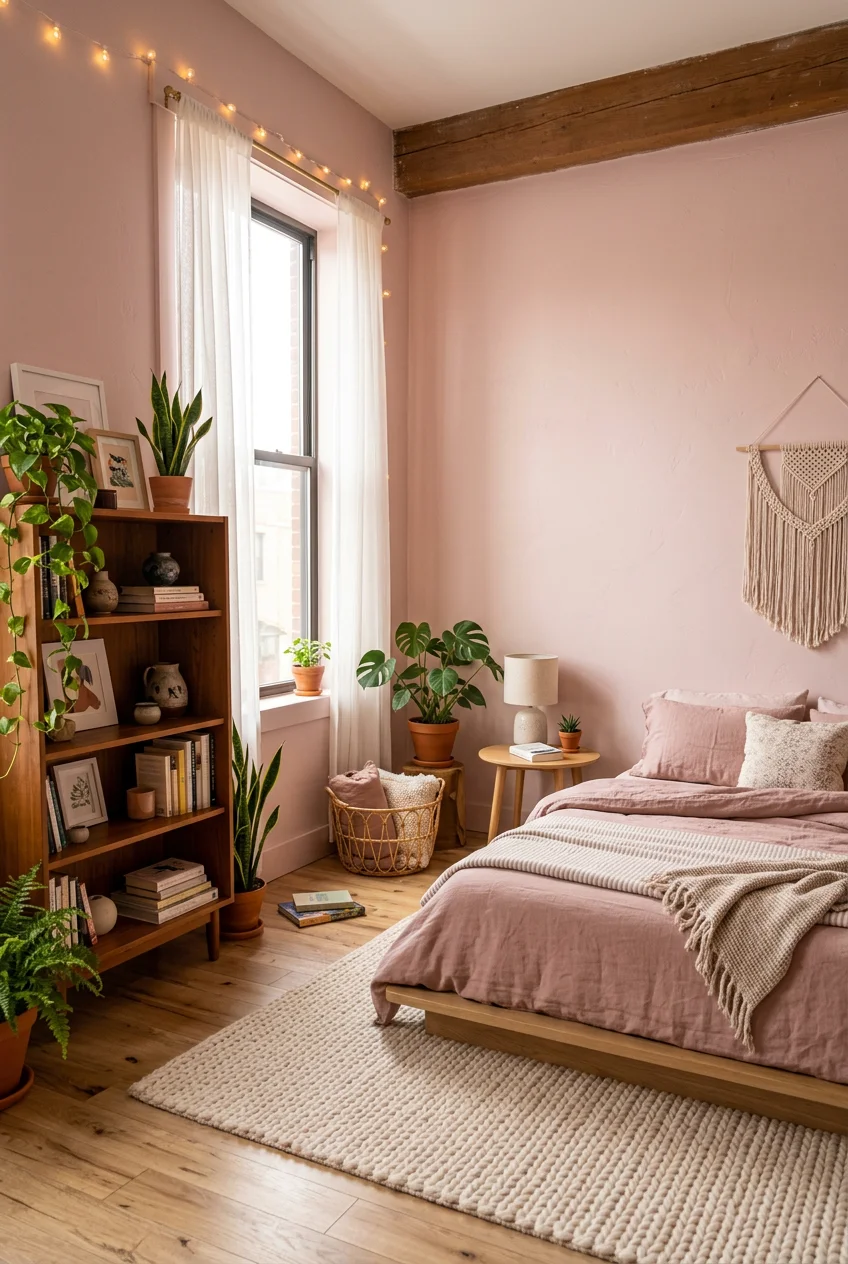
Move away from the overly bright, aggressive primary colors that dominate children’s marketing. The current approach favors grounded, earthy neutrals and muted pastels that actually promote rest. Think sage greens, terracotta, muted olive, warm beige, blush, peach, light lavender, and ivory. Paint shades like Sherwin-Williams Universal Khaki or Valspar Warm Eucalyptus create a soothing backdrop that doesn’t scream ‘baby room’. These muddy, nature-inspired tones look incredible against natural wood furniture and woven cotton textiles. You avoid that jarring visual shock when you walk in from the hallway. A muted palette also hides smudges and fingerprints much better than a stark, bright white wall. The catch: dark earthy tones like deep terracotta absorb a massive amount of light. If the room only has one small window, these colors will make the space feel like a gloomy cave instead of a cozy retreat.

Beautiful Wooden Baby Closet Dividers Set of 7
If you want something that just works, Beautiful Wooden Baby Closet Dividers Set of 7 – Double-Sided Organize is a safe bet (11 reviews, 4.5 stars).
4. The Montessori Floor Bed Approach

Designing a room from your toddler’s physical perspective changes everything. This means ditching the high mattress and using a floor bed or a very low bed frame, like the BabyRest Amara junior bed. The goal is allowing them to climb in and out completely independently without the risk of a four-foot drop. When a toddler can access their bed on their own terms, it removes the physical barrier of feeling trapped, which often reduces nighttime crying. You can find simple wooden floor frames on Amazon or Etsy ranging from budget to mid-range prices. Pair it with a soft, breathable cotton quilt so they can practice making the bed themselves. The catch: floor beds mean you have to completely baby-proof the entire room with zero exceptions. Because they will absolutely get out of bed at 2 AM to play with whatever is left on the floor. Trust me on this. Best for: beginners to the Montessori method.
5. Low Open Shelving for True Independence

Toy boxes are essentially black holes where toys go to break and gather dust. Toddlers operate best when they can see their options clearly. Install low, open shelving units for toys and books. Brands like Suteki offer modular solutions that sit right at a two-year-old’s eye level. The trick is displaying only 6 to 8 activities at a time. When you limit the visual clutter, kids actually engage with their toys for longer periods instead of dumping a massive bin onto the floor and walking away. Keep the shelves shallow (around 10 to 12 inches deep) so small hands can reach the back easily. The catch: open shelving looks incredibly messy very quickly if you don’t enforce a strict clean-up routine. It requires daily maintenance to keep that minimalist, calming aesthetic intact.
6. Cozy Reading Nooks with Natural Fibers

Even in a tiny 10×10 room, you need defined functional zones. Creating a specific corner just for reading signals to your toddler that it’s time to slow down. You don’t need much. A child-sized bookshelf, a few floor cushions, and a soft rug made from natural fibers like wool or cotton are plenty. Crate & Kids has excellent, durable cotton floor cushions that usually run in the mid-range price tier. Natural fibers breathe better than synthetic polyester and don’t trap weird odors over time. The tactile experience of running their hands over a chunky wool rug while looking at a picture book is great for sensory development. The catch: natural wool rugs shed aggressively for the first six months. You will be vacuuming up tiny wool tumbleweeds constantly until the fibers finally settle down.

Modanais Baby Diaper Caddy Organizer Cart
Modanais Baby Diaper Caddy Organizer Cart – 3 Tier Rolling Cart with D has been one of the most consistently praised picks in this category. 654 reviewers averaged 4.5/5.
7. Layered Lighting Beyond the Ceiling Fixture

Relying solely on a harsh overhead ceiling light is a rookie mistake that ruins the mood of any bedroom. You need to layer your lighting for both functionality and atmosphere. Combine the natural window light with dimmable LED ceiling lights for playtime. Then, add a soft task lamp by the changing table or dresser, and a gentle amber night light for comfort during nighttime check-ins. Cloud pendant lights or fairy light canopies provide a dreamy, calming atmosphere right before bed. You can find plug-in pendant options at IKEA for typically under $40, which avoids the need for hardwiring. The warm glow signals to the brain that sleep is coming. The catch: adding multiple plug-in lamps means dealing with multiple power cords. You have to be meticulous about hiding every single wire behind heavy furniture to prevent strangulation hazards. You might also like: 18 Simple Nursery Ideas Worth Trying
8. Eco-Friendly Non-Toxic Wall Decals

Paint is permanent, but wall decals give you flexibility without the commitment. With a strong emphasis on indoor air quality, choose decals made from eco-friendly and non-toxic materials. Brands like Eliza Doodle Designs offer PVC-free vinyl wall stickers printed with non-solvent inks. This ensures a safe environment for little lungs, free from the harsh chemical smells associated with cheap plastic stickers. Decals are perfect for adding large-scale art, like a forest scene or oversized florals, without the expense or permanence of traditional wallpaper. They peel off easily when your kid decides they hate flowers next year. Best for: renters who want high visual impact without losing their security deposit. The catch: eco-friendly, PVC-free decals do not stick well to heavily textured walls. If you have orange peel or knockdown drywall, they will likely curl at the edges within a week. You might also like: 16 Nursery Bookshelf Ideas You Need to See
9. The Ruthless Toy Rotation System

Instead of displaying every single toy your child owns at once, adopt a strict rotation approach. Store the bulk of their toys in opaque bins in a closet or garage. The Container Store sells heavy-duty latching bins that are perfect for this. Every two weeks, swap out the 6 to 8 toys on their low open shelves for a ‘new’ batch from the closet. This prevents overstimulation and encourages deeper, more focused play. Old toys suddenly feel brand new again when they haven’t been seen in a month. It also cuts your evening cleanup time down to about three minutes. The catch: this system requires serious parental discipline. It’s exhausting to drag bins out of the closet every other Sunday, and it’s easy to just get lazy and leave everything out. You might also like: 20 Stunning Childcare Nursery Room Ideas Worth Trying This Year

Night Light for Kids, Baby Night Light with Sound Machine
A dependable everyday pick — Night Light for Kids pulls in 50 ratings at 4.5 stars. Not flashy, just solid.
10. Decorating the Ceiling for Visual Calm

Your toddler spends a significant amount of time lying on their back staring straight up. Leaving the ceiling as a blank, stark white void is a missed design opportunity. Decorate the ceiling with a simple painted pattern, soft contrasting colors, twinkling star decals, or hanging paper clouds. This provides a soothing visual experience while they are trying to fall asleep. A soft lavender or pale blue ceiling draws the eye upward and actually makes the room feel taller. You can find lightweight paper lanterns or cloud mobiles on Amazon for budget-friendly prices. The catch: painting a ceiling is physically exhausting, messy, and requires moving every single piece of furniture out of the room first. It’s a weekend-ruining chore if you aren’t prepared for the neck strain.
11. Ditching the Princess Theme for a Timeless Look

While a full-blown princess or unicorn theme might be appealing right now, a toddler will outgrow that specific interest by their next birthday. Avoid buying heavy furniture or expensive wallpaper featuring licensed characters. Instead, opt for timeless designs with neutral walls and classic wood furniture. Introduce playful, thematic elements through easily changeable accessories. Target’s Pillowfort line is excellent for grabbing themed throw pillows, cotton bedding, or cheap canvas art that you won’t feel guilty tossing in a year. When she moves on from unicorns to dinosaurs, you only have to swap out a $20 blanket instead of repainting the entire room. The catch: neutral bases can look incredibly sterile and boring if you don’t layer enough textures. You need chunky knits, woven baskets, and varied fabrics to keep the room feeling warm.
12. Letting Your Toddler Pick the Accents

Toddlers are desperate for control over their environment. Allowing your child to choose some decor items fosters a sense of ownership and connection to their space. This doesn’t mean letting them design the whole room. Curate three acceptable options (like three different colors of a throw blanket, or three different animal prints) and let them make the final call. They feel empowered, and you don’t end up with a room that hurts your eyes. When they feel like it’s truly their space, they are often more willing to spend independent time playing there. The catch: toddlers are notoriously fickle. The yellow pillow they absolutely demanded on Tuesday might be the reason they are screaming on Thursday. Don’t spend big money on the items they pick.

5"x52"x27.5" Premium Toddler Mattress
A dependable everyday pick — 5″x52″x27.5″ Premium Toddler Mattress pulls in 122 ratings at 4.5 stars. Not flashy, just solid.
13. Vertical Storage Solutions for Small Footprints

If you’re dealing with a standard 10×10 bedroom, floor space is your most valuable commodity. Maximize storage by utilizing vertical space. Tall, narrow bookshelves or wall-mounted floating shelves pull toys and books off the floor. The IKEA Billy bookcase is a classic, budget-friendly option that holds an immense amount of stuff. Always look for shelves with rounded edges for safety, or sand down sharp corners yourself. Using vertical space draws the eye up and makes a cramped room feel significantly larger. Best for: small dark rooms where bulky dressers block the natural light. The catch: you absolutely must drill directly into the wall studs to anchor tall furniture. Drywall anchors aren’t strong enough to stop a determined climbing toddler from pulling a tall bookcase down on themselves.
14. Installing a Child-Height Shatterproof Mirror

A mirror mounted at your toddler’s exact eye level is a fantastic developmental tool. It supports self-awareness, coordination, and independent dressing as they grow. You can find highly reflective, shatterproof acrylic mirrors at most craft stores or online, typically under $50. Mount it horizontally near their floor bed or vertically in their dressing area. Watching themselves play helps them understand spatial relations and body mechanics. Plus, mirrors bounce natural light around the room, making the space feel brighter and more open. The catch: acrylic mirrors aren’t glass, meaning they warp and distort reflections slightly. From across the room, it’ll look like a cheap funhouse mirror, even if it looks fine up close.
15. Adding a Whimsical Fancy Light

Swapping out the standard builder-grade dome light for a fancy fixture completely changes the tone of the room. A small, safely installed chandelier or a unique pendant light adds a touch of whimsy and elegance. For example, a Modern Brass Globe Pendant Light with an Opal White Glass Shade (often found at West Elm or similar mid-range retailers) provides a warm, cozy glow that makes the space feel special. It makes the room feel intentionally designed rather than just a holding pen for toys. Ensure the fixture is mounted flush or high enough that a jumping child can’t reach it. The catch: glass shades in a child’s room are always a shattered-bulb risk if a stray wooden block gets thrown during a tantrum. You have to weigh the aesthetic against your kid’s throwing arm.

Dual Sided Baby Crib Mattress
If you want something that just works, Dual Sided Baby Crib Mattress is a safe bet (27 reviews, 4.5 stars).
16. Non-Negotiable Wall Anchors and Cord Management

This isn’t a fun design tip, but it’s the most important one. You must anchor heavy furniture like dressers, bookshelves, and changing tables to the wall. Toddlers use pulled-out drawers as ladders. Lowe’s and Home Depot sell heavy-duty anti-tip kits for just a few dollars. Furthermore, ensure all electrical cords are completely out of reach. Conceal them behind heavy furniture or use hard plastic cord covers along the baseboards. Dangling wires pose severe strangulation risks and look terrible visually anyway. Getting the cords off the floor instantly makes the room look cleaner and more organized. The catch: finding the wooden wall studs is incredibly frustrating in older homes with thick plaster walls. You’ll likely make three or four mistake holes before you hit wood.
17. Washable Rugs for Inevitable Messes

Toddlers spill water, track in mud, and have diaper leaks. Putting an expensive, dry-clean-only rug in their bedroom is asking for a headache. Washable rugs have improved drastically in the last few years. Brands like Ruggable offer 5×7 sizes in gorgeous, muted patterns that look like high-end vintage rugs but can be shoved directly into your washing machine. Target also carries budget-friendly washable options. The ability to pull up the top layer and wash it on a Tuesday night after a stomach bug incident is priceless. Best for: homes with kids or pets prone to accidents. The catch: the edges of two-piece washable rugs tend to curl up after a dozen trips through the washing machine, creating a minor tripping hazard.
18. True Blackout Curtains for Better Sleep

Thin, unlined curtains are the enemy of a good nap schedule. If the room gets direct afternoon sun, you need true blackout curtains. Pottery Barn Kids sells fantastic, heavy-duty blackout panels that block 100 percent of UV light and also help muffle street noise. The thick fabric adds a beautiful, luxurious texture to the windows, making the room feel softer and more soundproof. When the room is pitch black, your toddler’s body naturally produces melatonin, making nap time a breeze instead of a wrestling match. The catch: true blackout lining makes the curtain panels incredibly heavy. You can’t use a cheap tension rod; you have to install heavy-duty metal rods anchored deeply into the drywall, or the whole thing will crash down.
How we chose these ideas: We prioritized renter-friendliness, overall cost, and actual visual impact. The selections focus on practical design shifts and low-effort weekend projects that don’t require hiring a general contractor.
Designing a space for a two-year-old doesn’t mean sacrificing your home’s aesthetic. Focus on safety first, keep the toys accessible but minimal, and choose colors that actually let you breathe when you walk in the door. Pin this list for your next weekend project, and start by tackling that furniture layout.
Frequently Asked Questions
What is the best bed for a toddler girl room?
A low Montessori floor bed or a convertible crib transitioned with a toddler rail are the best options. These keep the child safe from high falls and promote independence by allowing them to get in and out easily.
How do I organize toys in a toddler room?
Use low, open shelving to display 6 to 8 toys at a time, and keep the rest hidden in opaque bins in a closet. Rotate the toys every few weeks to prevent visual clutter and overstimulation.
What colors are best for a toddler girl room?
Earthy neutrals and muted pastels like sage green, warm beige, light lavender, and terracotta are ideal. These grounded shades promote rest and relaxation better than highly stimulating, bright primary colors.
Are wall decals safe for a toddler room?
Yes, provided you choose eco-friendly, PVC-free vinyl decals printed with non-solvent inks. These avoid harsh chemical off-gassing, making them safe for indoor air quality and perfect for easy, renter-friendly decorating.
