What’s Inside
- Optimize Sleeping Arrangements for Toddler and Infant Shared Room Small Nursery Ideas
- Use Vertical Space for Diaper Storage
- Ditch the Freestanding Changing Table
- Implement a Dual Sound Machine Strategy
- Create Visual Zones with Washable Rugs
- Utilize the Back of the Door
- Maximize Under-Crib Storage
- Install Floating Acrylic Bookshelves
- Choose a Slim Glider or Skip It Entirely
- Divide the Closet Vertically
- Wall-Mounted Lighting Saves Floor Space
- Use Rolling Carts for Shared Supplies
- Opt for a Toddler Floor Bed
- Strategic Blackout Curtains for Different Sleep Schedules
- Soft Storage Baskets Instead of Toy Chests
- Wall Decals Over Framed Art in a Shared Room
- Consolidate Clothing into One Dresser
- Choose Neutral Base Furniture for Toddler and Infant Shared Room Small Nursery Ideas
- Install a Tension Rod Window Nook
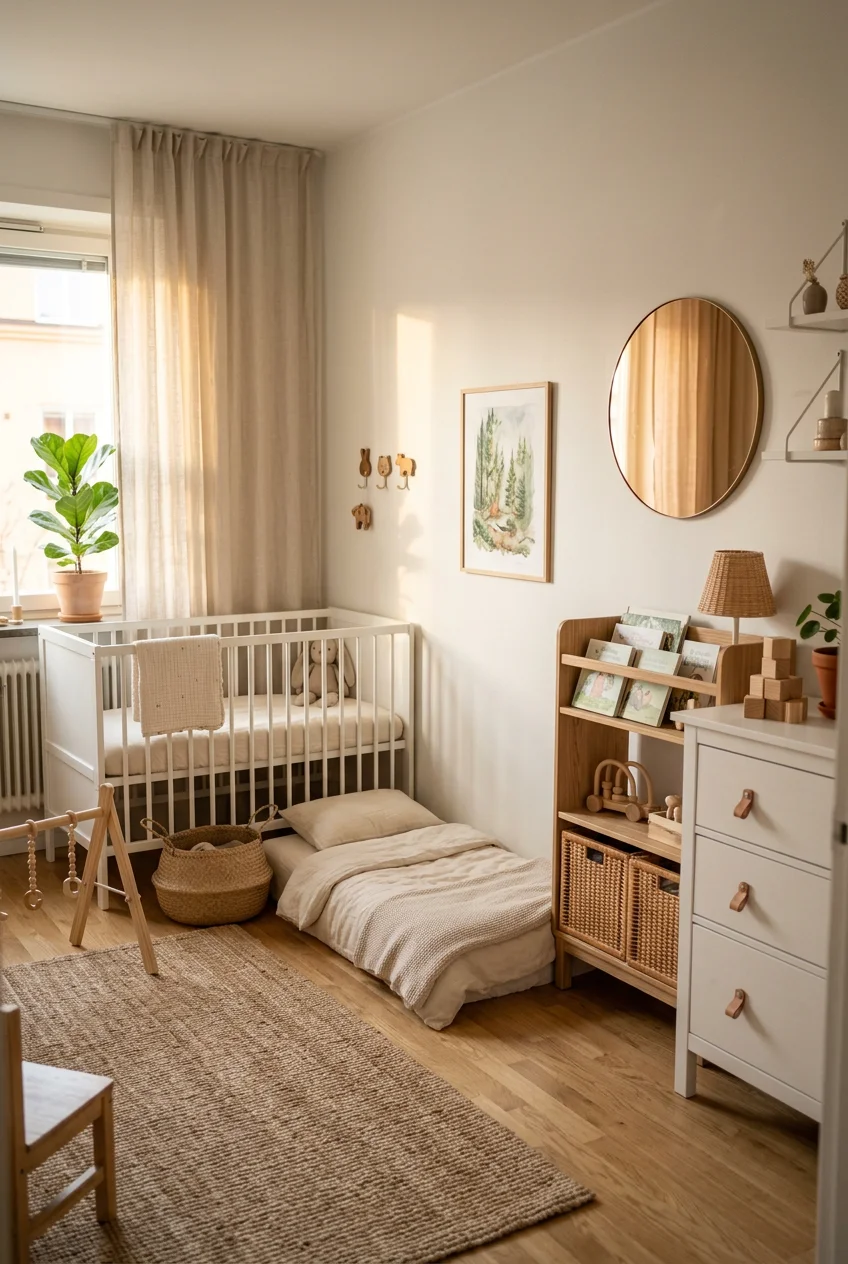
Most parents shove two full-sized beds into a 10×10 space and wonder why they can’t open the closet door. Figuring out how to share a small nursery between a toddler and an infant isn’t about buying matching furniture. It’s about ruthless floor planning. A standard crib and a toddler bed will eat 60 percent of a small room’s footprint before you even add a changing table or a single basket of toys. You’re left with a cramped, frustrating space that smells like old milk and frustration. Trust me. If you only try one idea from this list, make it #1. Swapping a standard crib for a mini crib reclaims enough square footage for an actual walkway. Here’s why.
Skip this if you have a room larger than 12×12 or if your toddler is already transitioning to a twin bed. These strategies are built strictly for tiny, cramped footprints where every square inch matters. If you have the luxury of open floor space, you won’t need these aggressive space-saving hacks.
1. Optimize Sleeping Arrangements for Toddler and Infant Shared Room Small Nursery Ideas

Most people cram a massive crib into a tiny room and wonder why they can’t open the closet. A standard crib eats up roughly 28 by 52 inches of floor space. Swap it out. For the infant, opt for a mini crib to conserve precious square footage. The Babyletto Origami Mini Crib measures exactly 24 inches wide by 38 inches long. That 14-inch length difference is the exact width of a standard diaper pail. You’re buying back actual walking room. Mini cribs usually fall in the mid-range price tier, typically under $300 depending on the finish. You can easily find fitted sheets for this exact size at Target or BuyBuyBaby. The catch: your baby will outgrow a mini crib by 18 months instead of three years, meaning you’ll need a toddler bed sooner. But in a shared space, you’re usually moving them to a bottom bunk or floor bed by that age anyway.
2. Use Vertical Space for Diaper Storage

Best for: renters.
Leaving diapering supplies on a dresser top wastes valuable surface area. Instead, mount an IKEA SKÅDIS pegboard directly above the changing station. This keeps 4 oz tubes of diaper cream, wipes, and fresh diapers completely off the furniture but within an arm’s reach. You can customize the pegboard with small acrylic bins and hooks. A basic setup runs well under $50. It keeps the toddler from grabbing the barrier cream and painting the walls, which happens more often than you’d think. Learned that the hard way. The catch: plaster walls don’t hold the standard anchors well, so you’ll need heavy-duty toggle bolts to keep the board from ripping out of the drywall when fully loaded with heavy wipe warmers.
3. Ditch the Freestanding Changing Table

Buying a standalone changing table for a shared room is a rookie mistake. It’s a bulky piece of furniture with a lifespan of roughly two years. Instead, convert the top of a low, wide dresser into a changing station. A contoured, wipeable mat like the Keekaroo Peanut Changer grips the dresser surface without needing permanent hardware. It typically prices out in the mid-to-high range, but it wipes clean with a damp cloth and a 1/2 cup of warm soapy water. You won’t need a washing machine for soiled fabric covers. The catch: it monopolizes the entire top of the dresser, meaning you won’t have room for a cute lamp or framed photos on that surface.

Criusia Drawer Organizer Clothes
Criusia Drawer Organizer Clothes is sturdier in person than the photos suggest — over 12 buyers gave it 4.5 stars.
4. Implement a Dual Sound Machine Strategy

Putting a toddler and a newborn in the same room guarantees sleep disruptions. A single sound machine across the room won’t mask a newborn’s 3 AM cries. You need a localized sound strategy. Place a Hatch Rest+ directly between the two sleep zones. It provides a dense wall of white noise that buffers the sound of a waking infant. These usually run in the mid-range price tier. The app allows you to control the volume from the hallway without opening the creaky bedroom door. The catch: it requires a dedicated electrical outlet right in the middle of the room, which usually means running an ugly extension cord under a rug or along the baseboards.
5. Create Visual Zones with Washable Rugs

When two kids share a tiny footprint, the room easily feels like a chaotic jumble of toys and blankets. Define the separate sleeping areas using small 3×5 area rugs. Placing a distinct rug next to the toddler bed creates a specific play zone. Ruggable offers 3×5 washable options that usually sit in the budget to mid-range tier. If someone spills a 4 oz bottle of formula, you peel off the top layer and throw it in the wash. The catch: the edges on these washable rugs tend to curl up after a few trips through the dryer, creating a tripping hazard for clumsy toddlers.
6. Utilize the Back of the Door

The back of the bedroom door is essentially free real estate. Most people leave it blank. Install an Elfa over-the-door rack from The Container Store. It requires zero drilling and holds deep wire baskets perfect for swaddles, burp cloths, and toddler socks. A full setup usually lands in the mid-range price bracket. You can fit an entire week’s worth of pajamas in these baskets, freeing up two full dresser drawers. The catch: once loaded with bulky items, the door won’t open completely flush against the wall, which slightly narrows the entryway clearance.

Beautiful Wooden Baby Closet Dividers Set of 7
Beautiful Wooden Baby Closet Dividers Set of 7 – Double-Sided Organize is sturdier in person than the photos suggest — over 11 buyers gave it 4.5 stars.
7. Maximize Under-Crib Storage

Best for: tight budgets.
That six-inch gap under the crib is a dust trap, but it’s also prime storage space. Use long, shallow plastic bins to store out-of-season clothes or extra crib sheets. Sterilite makes 32-quart under-bed boxes that fit perfectly beneath standard and mini cribs. You can grab a set of four at Walmart for under $50. Toss a 1/2 cup of baking soda in a small cloth pouch inside each bin to keep stored clothes smelling fresh. The catch: you have to pull the bins out entirely to vacuum, and they collect massive dust bunnies along the plastic ridges. You might also like: 15 Sage Green Nursery Ideas That Actually Work
8. Install Floating Acrylic Bookshelves

Bulky floor bookcases eat up a massive amount of space and create a tipping hazard. Wall-mounted acrylic ledges hold a surprising number of board books while maintaining a visually light footprint. You can find sets of four clear ledges on Amazon for budget-friendly prices. Mount them behind the bedroom door or in a tight corner. The clear plastic makes the colorful book covers pop, acting as cheap wall art. The catch: if you mount them low enough for the toddler to reach, they will absolutely try to use them as a ladder, so you have to anchor them directly into the wall studs. You might also like: 15 Lovely Nursery Lighting Ideas to Transform Your Space
9. Choose a Slim Glider or Skip It Entirely

A traditional plush nursing chair takes up a 36-inch square footprint. In a shared room, that’s impossible. If you must have seating, choose a slim-profile chair with straight arms. The Babyletto Toco Swivel Glider has a narrow 26-inch width, saving you nearly a foot of floor space. It prices out in the mid-to-high range depending on the fabric. Alternatively, skip the glider entirely and use a supportive pillow on the toddler’s floor bed for night feedings. The catch: slim gliders have shorter backrests, making them incredibly uncomfortable for parents over six feet tall who want to rest their heads during 2 AM feedings. You might also like: 18 Nursery Classroom Decoration Ideas That Actually Work

Criusia Over the Door Organizer
Criusia Over the Door Organizer has been one of the most consistently praised picks in this category. 336 reviewers averaged 4.5/5.
10. Divide the Closet Vertically

Best for: small closets.
A standard single closet rod wastes three feet of empty space below hanging baby clothes. Install a vertical divider down the middle of the closet. Use a ClosetMaid wire system from Home Depot to create two distinct sides. Give the toddler the left side with lower rods they can reach, and use the right side for infant clothes and a stack of wire drawers. These modular systems are usually budget-friendly. The catch: installing wire shelving requires drilling dozens of holes into the closet drywall, making it a frustrating weekend project that leaves a mess behind.
11. Wall-Mounted Lighting Saves Floor Space

Floor lamps are a disaster in a shared nursery. Toddlers knock them over, and the heavy bases take up precious floor space. Swap them for wall-mounted plug-in sconces. West Elm sells sleek, plug-in options in the mid-range price tier that require no hardwiring. Mount one near the changing station and one near the toddler’s bed for a reading light. The catch: plug-in sconces mean you have an electrical cord dangling down the wall, which you’ll need to hide inside a rigid plastic cord cover so the baby doesn’t yank it.
12. Use Rolling Carts for Shared Supplies

When you’re dealing with two kids, you need supplies to be mobile. An IKEA RÅSKOG metal utility cart holds an impressive amount of gear in a 13 by 17-inch footprint. Dedicate the top tier to infant items like a 4 oz bottle of lotion and wipes, the middle to toddler pajamas, and the bottom to shared books. It costs well under $50. Roll it next to the changing pad during the day, then tuck it into the closet at night. The catch: the wheels don’t lock securely, meaning a curious toddler will inevitably use it as a push-toy and ram it into the drywall.
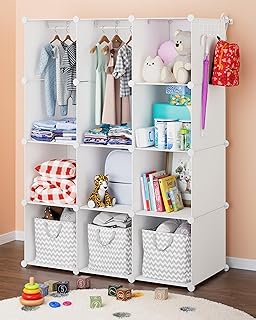
CUBEDIY Baby Closet Organizer for Nursery: Durable Baby
CUBEDIY Baby Closet Organizer for Nursery: Durable Baby Wardrobe for C is sturdier in person than the photos suggest — over 342 buyers gave it 4.5 stars.
13. Opt for a Toddler Floor Bed

Best for: Montessori-style parenting.
A bulky toddler bed with guardrails visually dominates a small room. A simple floor bed frame keeps the sightlines open and makes the ceiling feel higher. Sprout Kids makes a minimalist wooden floor bed frame that sits right on the carpet. It typically falls in the mid-range price category. Because it lacks high sides, it doesn’t block the flow of the room. The catch: a floor bed gives your toddler unrestricted access to the entire room at night, meaning you have to baby-proof the space flawlessly to prevent them from getting into the infant’s supplies.
14. Strategic Blackout Curtains for Different Sleep Schedules

Infants nap multiple times a day; toddlers usually nap once. You need aggressive light control to make this work. Target’s Room Essentials blackout panels are budget-friendly and block a surprising amount of sunlight when paired with a wraparound curtain rod. Hang the rod close to the ceiling to make the small room feel taller. The catch: cheap blackout curtains often have a stiff, plastic-like backing that smells faintly of chemicals when first unboxed, and they make the room feel like a gloomy cave during waking hours.
15. Soft Storage Baskets Instead of Toy Chests

Wooden toy chests are heavy, take up permanent floor space, and crush tiny fingers. Soft canvas storage bins are flexible and can be shoved into corners or closets when not in use. Pehr makes durable canvas bins with thick handles, usually priced in the mid-range. You can fit two dozen wooden blocks or a massive stack of swaddles into a single medium bin. The catch: because they lack a rigid internal frame, these soft baskets look slouchy and messy when they are only half full.

SNSLXH 5 Pack Stackable Closet Storage Basket
SNSLXH 5 Pack Stackable Closet Storage Basket is sturdier in person than the photos suggest — over 43 buyers gave it 4.5 stars.
16. Wall Decals Over Framed Art in a Shared Room

Best for: homes with kids or pets.
Framed art requires nails, creates a hazard if it falls, and visually clutters a cramped space. Wall decals add personality without taking up a single millimeter of physical space. Urban Walls offers large-scale, removable vinyl decals that sit in the mid-range price tier. You can create a distinct visual theme for the toddler’s side of the room and a different, softer theme for the infant’s side without hanging heavy glass frames. The catch: these decals adhere poorly to heavily textured walls, often peeling at the edges within a few months of installation.
17. Consolidate Clothing into One Dresser

You don’t have room for two dressers. Period. Buy one wide, sturdy dresser and split the drawers. The IKEA HEMNES 8-drawer dresser is a classic choice for under $400. It offers enough width for a changing pad on top while holding clothes for both kids below. Assign the top drawers to the infant for easy access during diaper changes, and the bottom drawers to the toddler so they can pick out their own socks. The catch: the drawers are incredibly deep, so folding tiny newborn onesies inside them requires buying rigid fabric organizers, or it turns into a chaotic fabric soup.
18. Choose Neutral Base Furniture for Toddler and Infant Shared Room Small Nursery Ideas

When you mix a white crib, a cherry wood toddler bed, and a gray dresser, the room looks like a cluttered thrift store. Stick to a single neutral finish for all heavy furniture to create visual cohesion. Delta Children offers matching wood finishes across their crib and dresser lines at Target. Keeping the large pieces unified makes the tight space feel intentional rather than haphazard. The catch: painted neutral finishes, especially crisp white or matte black, show scratches and teeth marks instantly when your teething infant decides to gnaw on the crib rail.
19. Install a Tension Rod Window Nook

If you have recessed windows, you have dead space. Turn it into a tiny, functional reading nook. Install a heavy-duty tension rod from Lowe’s directly inside the window frame and hang a short curtain panel. Toss a floor cushion underneath. It creates a tiny, dedicated hideaway for the toddler when the baby is sleeping. This setup costs under $30. The catch: this strictly works if you have deep, recessed window frames; if your windows sit flush with the wall, a tension rod has nothing to grip.
How we chose these ideas: Selections prioritize renter-friendliness, low-cost modifications, and high visual impact without structural changes. We focused on strategies that maximize vertical storage and minimize bulky furniture footprints to ensure realistic utility in tight spaces.
Making a tiny room work for two kids is completely doable if you stop trying to replicate the massive nurseries you see on social media. Stick to the essentials, use your walls, and measure everything twice. Pin this list for your next weekend project, and start reclaiming your floor space. No exaggeration.
Frequently Asked Questions
How do you fit a crib and a toddler bed in a small room?
Swap a standard crib for a mini crib to save up to 14 inches of floor space. Place the beds on opposite walls to create distinct zones, and use a low-profile toddler floor bed to keep sightlines open and make the room feel larger.
Where should you put the changing table in a shared nursery?
Skip the freestanding changing table entirely. Use a contoured, wipeable changing pad on top of a wide dresser. This combines clothing storage and diapering into one piece of furniture, freeing up valuable square footage.
How do you manage sleep schedules in a shared room?
Place a high-quality sound machine directly between the infant and toddler beds to buffer waking noises. Install heavy-duty blackout curtains to keep the room dark during overlapping nap times and early mornings.
What is the best way to store clothes for two kids in one room?
Consolidate all clothing into a single, wide 8-drawer dresser. Use the top drawers for infant items and the bottom drawers for the toddler. Add vertical wire dividers to the closet to double the hanging space.
