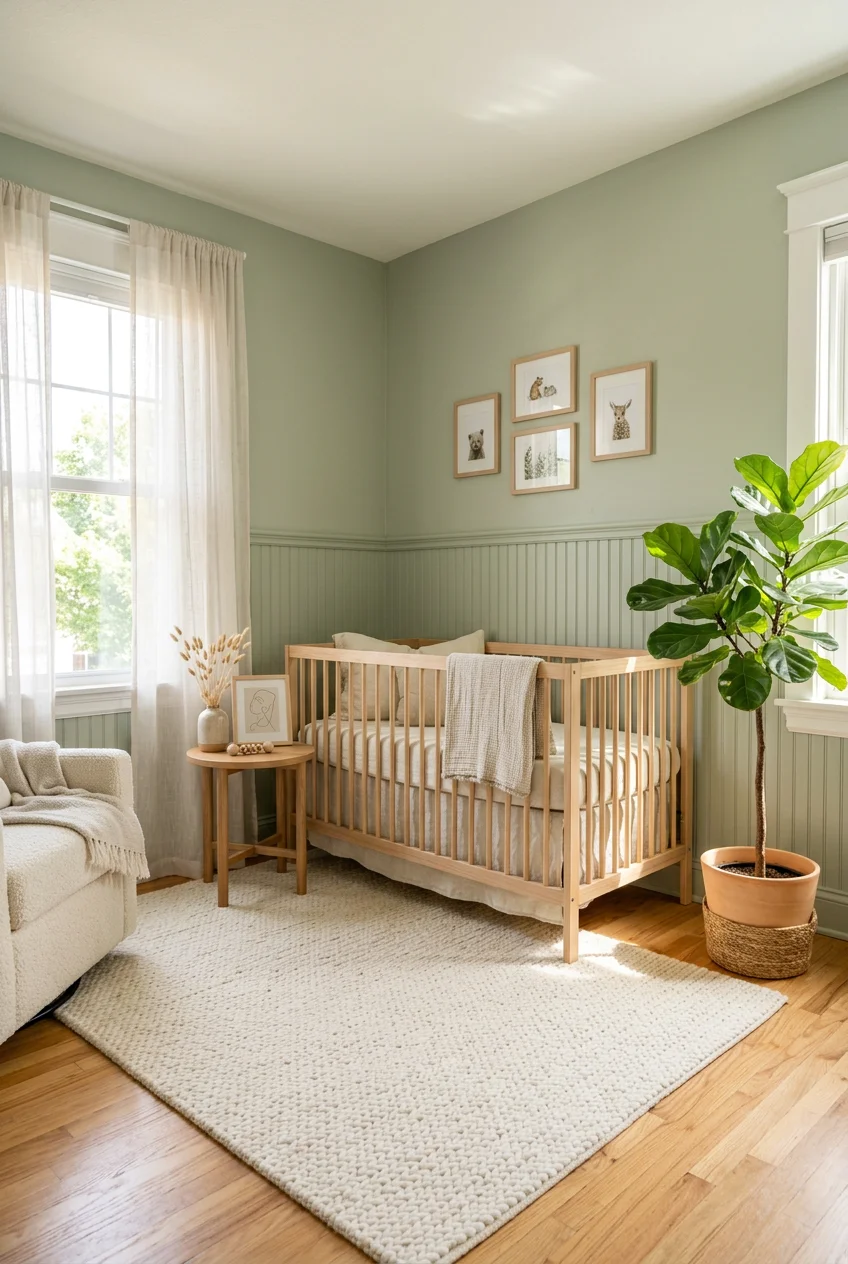
What’s Inside
- Prioritize GREENGUARD Gold Certified Cribs
- Choose FSC-Certified Solid Wood Dressers
- Invest in a GOTS and MADE SAFE Certified Mattress
- Paint with Zero-VOC, GREENGUARD Gold Formulas
- Select GOTS Certified Organic Cotton Bedding
- Utilize Multi-Functional, Space-Saving Furniture
- Maximize Space with Vertical Storage Solutions
- Integrate Natural Air-Purifying Plants
- Use an Ozone-Free Air Purifier with HEPA Filtration
- Maintain Optimal Nursery Humidity Levels
- Embrace Earthy, Muted Color Palettes
- Incorporate Natural Textures and Biophilic Design
- Clean with Fragrance-Free Products and a HEPA Vacuum
- Swap Plastic Hangers for Velvet or Bamboo
- Install Blackout Curtains with Natural Linen Blends
- Use Woven Belly Baskets for Floor Storage
- Opt for a Wool Area Rug Over Synthetic Blends
- Choose a Low-Profile Glider for Tight Corners
- Implement Smart LED Bulbs for Circadian Lighting
Most folks jam a massive crib into a 10×10 room, paint it mint green, and wonder why it feels like a cramped hospital ward. Getting a small nursery right means balancing non-toxic materials with ruthless space planning. A tight floor plan leaves zero room for error. Bringing in cheap, off-gassing materials concentrates indoor pollutants right where your baby sleeps. I learned that the hard way. If you only try one idea from this list, make it #6. Here’s why: convertible multi-purpose furniture literally cuts your footprint in half. It’s the only way a tiny room survives a growing baby.
Skip this list if you’re outfitting a massive master-suite-sized room or if you’re renting a place where you can’t swap out the main pieces. These strategies rely on picking specific furniture and making permanent or semi-permanent wall changes to maximize a tight footprint.
1. Prioritize GREENGUARD Gold Certified Cribs

When you’re working with a tiny room, the crib is the focal point. It’s also the biggest offender for indoor air pollution if you aren’t careful. Prioritize GREENGUARD Gold certified furniture. This certification guarantees the piece meets strict chemical emission standards, which matters because a baby’s lungs are highly sensitive. Brands like Romina Furniture and Babyletto offer solid options. Romina uses 100 percent solid beechwood with zero formaldehyde emissions. Expect to spend $699 to $1,700 depending on the finish and conversion features. Common mistake: Buying a certified crib but pairing it with a cheap, off-gassing mattress. You’ve just defeated the purpose. The catch: Solid wood, certified cribs are heavy, making them a pain to assemble alone in a cramped space.
2. Choose FSC-Certified Solid Wood Dressers

Composite wood often relies on glues that release VOCs into the air for months. Instead, go for FSC-certified solid wood. This certification guarantees the wood is sustainably sourced and processed without the toxic load found in particleboard. Pottery Barn Kids and Oeuf stock dressers and cribs that fit perfectly into tight floor plans. You get the durability of solid wood without the chemical headache. These pieces usually hit the mid-to-high price tier. Best for: Renters who need sturdy furniture that survives multiple moves. The catch: Solid wood often comes with longer shipping delays than flat-pack alternatives, so don’t order it at the last minute.
3. Invest in a GOTS and MADE SAFE Certified Mattress

Infants spend up to 16 hours a day on their mattress, so the internal composition is critical. Look for the Global Organic Textile Standard (GOTS) label, which mandates at least 95 percent organic materials and bans chemical flame retardants. You also want the MADE SAFE label, which screens for over 6,500 harmful substances. Brands like Avocado Organic Crib Mattress and Naturepedic offer great models, ranging from $300 to over $1,000. These use organic latex and wool instead of polyurethane foam. Best for: Eco-conscious budgets prioritizing safe sleep. The catch: Organic mattresses feel firmer than standard foam, which surprises some parents, though pediatricians actually prefer that firmness.

Criusia Drawer Organizer Clothes
Criusia Drawer Organizer Clothes punches above its price — 12 buyers rated it 4.5 stars. The kind of pick people reorder.
4. Paint with Zero-VOC, GREENGUARD Gold Formulas

Traditional paints release VOCs that irritate lungs long after they dry. Choose zero-VOC or ultra-low VOC options to keep the air clean. KILZ KOLOR IT is designed for nurseries, while Benjamin Moore Eco Spec and Clare Paint are excellent alternatives. Common mistake: Painting right before the due date. Experts advise painting several weeks, or even months, before the baby arrives to allow for proper curing. You’ll spend $40 to $70 per gallon for these. The catch: Zero-VOC paints lack the heavy chemical binders of traditional paint, so you’ll likely need three coats to cover dark walls.
5. Select GOTS Certified Organic Cotton Bedding

Make sure all bedding, including fitted sheets, is GOTS-certified organic cotton. This guarantees the cotton is grown without toxic pesticides or dyes. Skipping synthetic blends prevents skin irritation. Affordable options like Burt’s Bees Baby offer crib sheets starting around $20, while brands like Coyuchi, Boll & Branch, and Naturepedic provide thicker weaves. For safe sleep, stick to a firm mattress and a tight sheet, skipping blankets or bumpers. The catch: True organic cotton without anti-wrinkle treatments will wrinkle in the wash. You’ll have to accept a rumpled look or spend time ironing, which, let’s be honest, nobody wants to do.
6. Utilize Multi-Functional, Space-Saving Furniture

In small nurseries, pick furniture that does double duty. A convertible crib, like Babyletto’s 8-in-1, transitions from a mini crib to a toddler bed and eventually a full-size bed, saving floor space and money. A dresser with a removable changing topper (like those from Babyletto or Nestig) works as clothing storage and a changing station. This kills the need for a standalone changing table, which is a massive waste of square footage. Best for: Tiny apartments where every inch counts. The catch: Conversion kits are almost always sold separately, adding a hidden cost down the line.

Criusia Over the Door Organizer
A dependable everyday pick — Criusia Over the Door Organizer pulls in 336 ratings at 4.5 stars. Not flashy, just solid.
7. Maximize Space with Vertical Storage Solutions

Reclaim floor space by forcing your storage onto the walls. Install wall-mounted shelves or hanging organizers for books and diapers. IKEA LACK shelves are a staple, usually running $15 to $20 each. They offer a clean, floating look that doesn’t clutter a small room. For mobile storage, rolling utility carts like the IKEA RÅSKOG (around $30 to $40) hold diapering essentials and slide into a closet when guests arrive. Target also sells similar metal carts. The catch: Open shelving means everything is on display. Dust piles up quickly, so you’ll need to wipe down books and toys weekly. You might also like: 16 Small Nursery Layout You Need to See
8. Integrate Natural Air-Purifying Plants

Introduce non-toxic, baby-safe plants to filter the air and add some life to the room. Excellent choices include the Parlor Palm, Spider Plant, Peperomia, and Prayer Plant. Place them in hanging macrame planters or on high shelves, well out of reach. You can find a healthy Spider Plant at Trader Joe’s or local nurseries for $15 to $30. Plants add warmth and make a space feel less sterile. Pro tip: Always check the ASPCA toxic plant list before buying. The catch: Live plants need light and water, which is easy to forget when you’re sleep-deprived.
9. Use an Ozone-Free Air Purifier with HEPA Filtration

Babies are vulnerable to dust, pet dander, and VOCs. A true HEPA purifier removes 99.97 percent of particles as small as 0.3 microns. Ensure the model is strictly ozone-free. The Levoit Core 300S (around $100 to $150) or Core 600S (around $200 to $300) are solid, compact options. These double as white noise machines on their highest settings. Best for: Homes with pets or older HVAC systems. The catch: The upfront cost isn’t the real expense. You’ll need to replace the HEPA filters every six months. You might also like: 16 Toddler Boy Room Decor for Every Budget
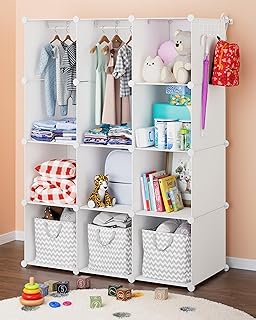
CUBEDIY Baby Closet Organizer for Nursery: Durable Baby
CUBEDIY Baby Closet Organizer for Nursery: Durable Baby Wardrobe for C has been one of the most consistently praised picks in this category. 342 reviewers averaged 4.5/5.
10. Maintain Optimal Nursery Humidity Levels

High humidity causes mold, while low humidity causes dry skin and nasal irritation. Experts suggest keeping nursery humidity between 35 and 50 percent. Use a cheap digital hygrometer ($10 to $30) to monitor levels. Depending on your climate, you’ll need a clean humidifier or dehumidifier to stay in this zone. Target and Walmart carry compact, cool-mist humidifiers that fit on a small dresser. The catch: Humidifiers are notorious breeding grounds for bacteria. You can’t just fill them and forget them. They need a weekly cleaning with vinegar and water. You might also like: 19 Butterfly Nursery Baby Girl You Need to See
11. Embrace Earthy, Muted Color Palettes

Current nursery trends favor calming, earthbound neutrals over loud primary colors. Think soft sage, muted terracotta, warm creams, and hazelnut. These colors promote sleep and keep a small room from feeling tiny. Instead of a bold, dark accent wall that sucks up light, use these calming tones on the main walls and add deeper color through curtains or rugs. Best for: North-facing rooms that lack direct sunlight. The catch: Earthy tones can look muddy in rooms with poor artificial lighting, so you might need to upgrade your bulbs.
12. Incorporate Natural Textures and Biophilic Design

Biophilic design uses organic textures to ground a small room so it doesn’t feel like a plastic toy box. Use linen, organic cotton, rattan, bamboo, and jute to create a tactile space. A small 3×5 jute rug (around $30 to $50 at Target) anchors a reading nook, while a rattan bassinet adds immediate warmth. These materials contrast beautifully against smooth walls. The catch: Natural fibers like jute shed for the first few months, and the rough texture isn’t great for a baby learning to crawl on bare knees.

Beautiful Wooden Baby Closet Dividers Set of 7
Beautiful Wooden Baby Closet Dividers Set of 7 – Double-Sided Organize is sturdier in person than the photos suggest — over 11 buyers gave it 4.5 stars.
13. Clean with Fragrance-Free Products and a HEPA Vacuum

Avoid harsh chemical cleaners that leave synthetic fragrances and VOCs behind. Opt for simple solutions like mixing 1/2 cup of white vinegar with 16 oz of water in a glass spray bottle. For floors, use a vacuum with a true HEPA filter to trap dust mites. The Dyson V8 Animal (around $300 to $400) is a compact, cordless option that handles small nursery rugs perfectly. You can also find natural, fragrance-free detergents at the store for washing soft toys. The catch: Vinegar is a great cleaner, but the salad-dressing smell sticks around for about an hour.
14. Swap Plastic Hangers for Velvet or Bamboo

Standard plastic baby hangers are bulky and waste precious rod space. Swap them for slim-profile velvet or bamboo hangers. The thin design lets you fit roughly 30 percent more clothing into a tiny closet. You can buy bulk packs at Costco or online for under $25. The velvet also stops slippery cardigans from falling. The catch: Velvet hangers are fragile. If you yank a piece of clothing off without unbuttoning it, the plastic neck of the hanger will snap instantly.
15. Install Blackout Curtains with Natural Linen Blends

Quality sleep needs a dark room, but cheap polyester blackout curtains look like shower curtains. Look for heavy linen-blend blackout curtains instead. Pottery Barn Kids offers linen options that block all light while maintaining a soft drape. Hang the rod close to the ceiling and extend it past the window frame to make the room feel taller and wider. The catch: These curtains are heavy. You can’t just screw the rod into drywall; you’ll need heavy-duty anchors or direct stud mounting so the rod doesn’t rip out.

Vailando 6-Shelf Hanging Closet Organizer with 3 Drawers
Vailando 6-Shelf Hanging Closet Organizer with 3 Drawers punches above its price — 35 buyers rated it 4.5 stars. The kind of pick people reorder.
16. Use Woven Belly Baskets for Floor Storage

When you’re out of closet space, floor storage is your only move. Woven seagrass belly baskets add natural texture while hiding plastic toys, extra blankets, or laundry. You can fold the top half inward to create a bowl or pull it up for more volume. Sprouts and Whole Foods often carry these for $20 to $40. Grouping two or three in a corner provides storage that doubles as decor. Best for: Homes without pets looking for soft storage. The catch: Cats treat woven seagrass like expensive scratching posts and will shred them in a week.
17. Opt for a Wool Area Rug Over Synthetic Blends

Synthetic rugs made from polypropylene are cheap, but they off-gas VOCs and create static. A 100 percent wool area rug is a much better choice. Wool is naturally flame-resistant, water-repellent, and durable. It provides a soft, non-toxic surface for tummy time. Brands like Hook & Loom offer undyed wool rugs that skip the chemical dyeing process entirely. The catch: Natural wool sheds constantly for the first six months. You’ll be emptying your vacuum canister frequently as the loose fibers work their way out.
18. Choose a Low-Profile Glider for Tight Corners

Massive, overstuffed recliners swallow small nurseries. To save space, choose a low-profile glider with a slim track arm. Target and Babyletto offer modern, streamlined gliders that tuck into tight corners without blocking walkways. Look for performance fabrics that wipe clean. Best for: Short parents who don’t need massive seat depth. The catch: Slim gliders usually sacrifice back height. Taller parents won’t get any neck support during late-night feeds, which gets uncomfortable quickly.
19. Implement Smart LED Bulbs for Circadian Lighting

Harsh overhead lighting makes middle-of-the-night feedings a nightmare. Swap standard bulbs for smart LED bulbs like Philips Hue. You can program them to emit a dim, warm amber glow after 7 PM, signaling to your baby that it’s time for sleep. During the day, switch them to a crisp, cool white to mimic daylight. They use minimal energy and fit any lamp. The catch: Smart bulbs need a constant Wi-Fi connection and a hub. If your internet goes down, you’re stuck using them like standard bulbs.
How we chose these ideas: We picked these based on their realistic application in tight spaces and their adherence to low-tox standards. We prioritized solutions that balance renter-friendliness, cost, and visual impact without needing a contractor. The focus stayed on verified material certifications and smart planning.
Designing a small nursery doesn’t mean compromising on aesthetics or safety. By focusing on multi-functional furniture and certified materials, you build a space that looks beautiful and supports your baby’s health. I’d highly recommend pinning this list to your nursery mood board so you don’t lose track of these requirements when you start shopping. Trust me on this.
Frequently Asked Questions
What are the best colors for a green small nursery?
Soft, earthy neutrals work best in small spaces. Opt for muted sage greens, warm terracottas, and hazelnut tones. These colors promote a calming environment and make the room feel grounded without absorbing all the natural light.
How do I maximize space in a tiny nursery?
Focus on vertical storage and multi-functional furniture. Use wall-mounted shelves for books and a dresser with a removable changing topper instead of a standalone changing table. Convertible cribs also save space as your baby grows.
Why is GREENGUARD Gold certification important?
GREENGUARD Gold certification ensures that furniture and materials meet strict chemical emission limits. This prevents harmful volatile organic compounds (VOCs) from off-gassing into the nursery, protecting your baby’s developing respiratory system.
What are safe plants for a baby’s room?
Safe, non-toxic plants include the Spider Plant, Parlor Palm, and Peperomia. They help naturally purify the air and add visual warmth. Always keep plants on high shelves or in hanging planters out of a baby’s reach.
