What’s Inside
- Embrace a Playful, Yet Calming Base Palette
- Prioritize Safety with Certified, Anchored Furniture
- Layer Lighting for Mood and Functionality
- Smart Storage Solutions to Combat Clutter
- Incorporate Biophilic Design Elements
- Create a Prepared Environment with Montessori Principles
- Integrate Smart Nursery Technology Thoughtfully
- Design for Growth with Flexible, Convertible Furniture
- Engage Senses with Safe, Simple Elements
- Wall Decor for Wonder, Not Overstimulation
- Future-Proof with Cordless Window Treatments
- Don’t Neglect the Ceiling’s Potential
- Avoid Over-Theming for Longevity
- Create a Dedicated Calm Corner for Parents
- Invest in High-Quality, Non-Toxic Materials
Most folks paint four walls a saturated mustard yellow, slap up some cartoon decals, and wonder why their newborn won’t sleep. Getting toca boca nursery room ideas right means walking a fine line between playful visuals and total sensory overload. You want that quirky, modern game aesthetic without turning the bedroom into a chaotic amusement park. I’ll walk you through the exact paint colors, furniture specs, and layout rules to nail this look. I’ve seen too many parents buy heavy, unsafe vintage furniture just to match a vibe, ignoring modern safety standards. We aren’t doing that here. You need specific textures, measured layouts, and anchored pieces. If you only try one idea, make it #3. Why? Layered lighting dictates the entire mood. Fixing overhead glare solves half your nursery problems before you buy a single piece of furniture. Took me years to learn that.
Skip this list if you’re looking for a traditional, pastel-heavy, or formal nursery design. The Toca Boca aesthetic relies on quirky geometry, asymmetrical layouts, and muted brights. If you prefer matching wooden bedroom sets or strictly beige minimalism, these concepts won’t align with your vision. This is for parents who want structured, functional playfulness.
1. Embrace a Playful, Yet Calming Base Palette

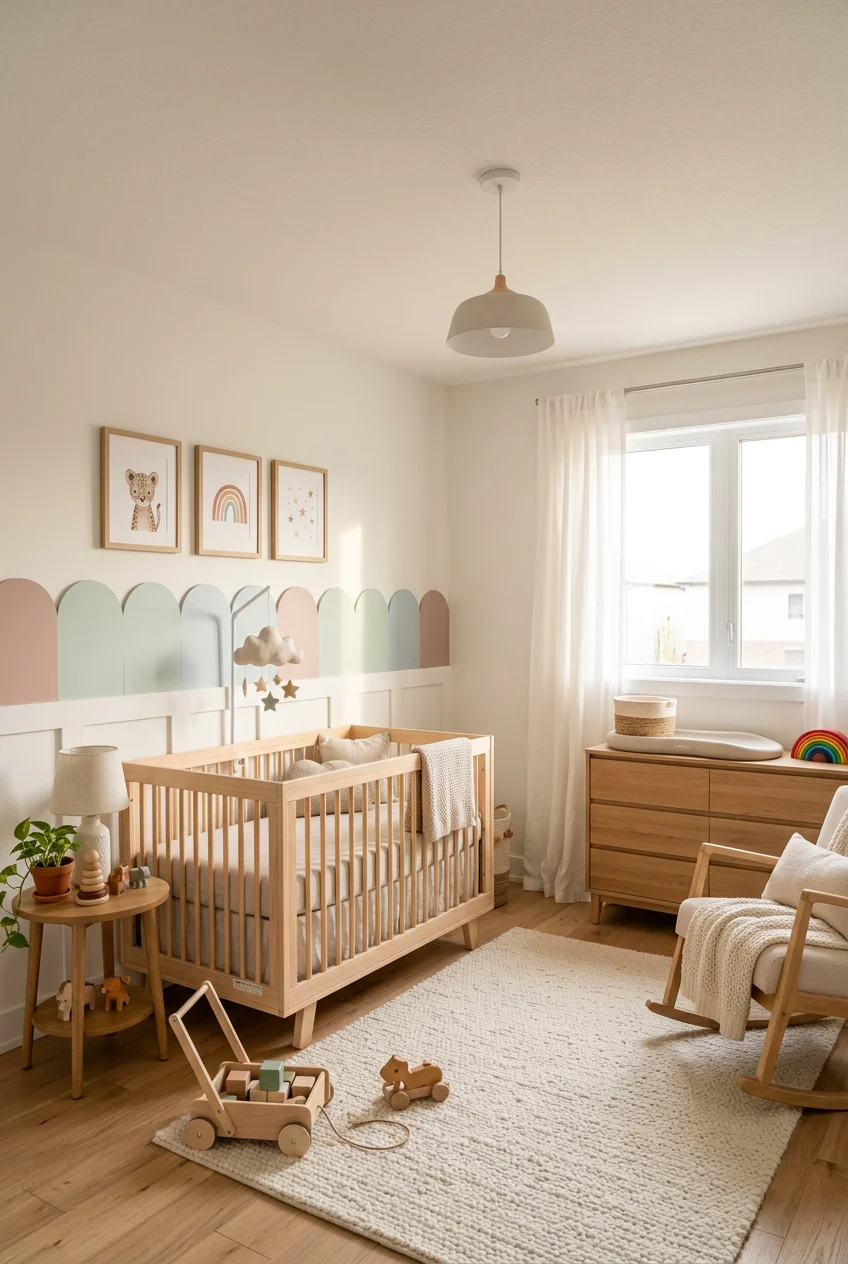
Let’s talk paint. A common mistake is going too dark or too saturated on all four walls. Babies need visual rest. Opt for a base of warm, earthy neutrals to ground the space. Paint three walls in a creamy shade like “Cloud Dancer” by Ponderosa Paints. Then, introduce a single accent wall in a muted sage green. You want a zero-VOC paint for a nursery so you aren’t breathing in chemical fumes. Benjamin Moore Eco Spec or ECOS Paints’ Lullaby line are solid choices, typically ranging from $50 to $80 per gallon. This gives you that playful toca boca nursery room ideas vibe without the chaotic energy of primary colors. The flat finish hides drywall imperfections beautifully. The catch: zero-VOC paints often require an extra coat for full, opaque coverage, so you’ll need to budget for more paint than standard formulas require. Best for: small dark rooms that need a brightening, reflective base.
2. Prioritize Safety with Certified, Anchored Furniture

Nursery aesthetics don’t matter if the room isn’t safe. Always choose nursery furniture that meets current safety standards. A vintage crib might look charming, but it’s a massive risk. Select a crib manufactured after 2011, ensuring the wooden slats are no more than 2 3/8 inches (about 6 cm) apart. This is the strict recommendation from the Juvenile Products Manufacturers Association. The Toca Boca look favors chunky, modern furniture, which is visually great, but those heavy dressers are severe tipping hazards. Anchor dressers, tall bookshelves, and changing tables directly to the wall studs. Anti-tip kits are often included in the box, or you can grab heavy-duty metal ones at Target or Walmart for under $15. The catch: finding the actual wooden wall studs behind drywall is frustrating, and basic plastic drywall anchors alone aren’t strong enough to hold a loaded dresser if a toddler tries to climb the open drawers. Learned that the hard way.
3. Layer Lighting for Mood and Functionality

Soft lighting changes the way a nursery feels more than almost anything else. It turns the room into a haven of calm. Relying solely on a bright overhead flush-mount light is a rookie error. You need a layered lighting scheme with dimmable options to support those 3 AM feeding routines. Install dimmable LED ceiling lights with warm 2700K bulbs. The Philips Hue White Ambiance smart bulbs run about $25 to $35 each and sync with a smartphone app. Supplement this overhead light with a soft-glow ceramic table lamp on the dresser and a gentle plug-in night light near the baseboards. You want soft pools of light, not a sterile hospital glare. The catch: smart bulbs require a constant Wi-Fi connection, and if your router drops the signal, you’re stuck fumbling in the dark or dealing with blinding default brightness. Best for: tech-savvy parents who want phone-controlled dimming from the hallway.

Beautiful Wooden Baby Closet Dividers Set of 7
Beautiful Wooden Baby Closet Dividers Set of 7 – Double-Sided Organize is sturdier in person than the photos suggest — over 11 buyers gave it 4.5 stars.
4. Smart Storage Solutions to Combat Clutter

Toca Boca spaces look clean and intentional, not buried under piles of plastic toys. You need smart, vertical storage. Opt for a wide dresser that doubles as a changing table. Just add a removable changing pad like the Skip Hop Wipe-Clean Changing Pad, which usually sits in the $80 to $100 range. Next, utilize the vertical wall space. Install floating shelves above the changing station for easy access to bulk diaper boxes you grab from Costco. IKEA LACK shelves cost about $15 to $20 each and fit the chunky, modern aesthetic perfectly. Group smaller items in wicker baskets from Pottery Barn Kids (budget $30 to $70) or clear Lucite bins from The Container Store (around $10 to $40) so you can actually see what’s inside. The catch: floating shelves have strict weight limits, so you can’t load them up with heavy glass jars or massive stacks of thick board books. You might also like: 20 Creative Crib Bedding Ideas to Transform Your Space
5. Incorporate Biophilic Design Elements

Bringing the natural world indoors softens the stark geometric shapes typical of the Toca Boca style. Choose a crib made from solid wood or sustainable bamboo. Anchor the room with a washable jute or wool area rug. Lorena Canals makes excellent machine-washable rug options that run between $150 and $400. Instead of a mobile covered in shiny plastic characters, hang one featuring matte wooden beads, felt leaves, or wool pom-poms. You can even add pet-safe, air-purifying houseplants. A small Boston Fern or Spider Plant in a 6-inch ceramic pot looks fantastic sitting on a high shelf. The organic textures contrast beautifully with the painted walls. The catch: live indoor plants drop dry leaves and require consistent watering, which is just one more chore to remember when you’re already sleep-deprived from newborn care. You might also like: 18 Vintage Baby Boy Nursery You Need to See
6. Create a Prepared Environment with Montessori Principles

Designing for independence is key. A prepared environment makes items visually accessible to the child. Install low, open shelving at the baby’s future eye level. The classic white IKEA KALLAX unit starts at around $35 and works perfectly for displaying a rotating selection of books and age-appropriate wooden toys. Don’t stuff every toy they own onto the shelves. Keep it sparse and intentional. Place a small, soft play mat on the floor as a designated work area. The Gathre Mini Mat (roughly $40 to $60) is wipeable, non-toxic, and fits the modern aesthetic beautifully. This gives the baby a specific zone to safely interact with materials. The catch: open shelving means the clutter is always visible, requiring you to actively tidy and curate the display every single day to maintain that minimalist look. Best for: toddlers and older babies who are starting to crawl and explore. You might also like: 15 Beautiful Baby Room Organization Ideas You Haven’t Thought Of

Criusia Over the Door Organizer
If you want something that just works, Criusia Over the Door Organizer is a safe bet (247 reviews, 4.5 stars).
7. Integrate Smart Nursery Technology Thoughtfully

Modern smart tech offers serious peace of mind, but it’s easy to go overboard and clutter the nightstand with tangled black cords. Invest in a Wi-Fi video monitor with sleep analytics. The Nanit Pro Smart Baby Monitor tracks breathing patterns and provides detailed sleep reports, typically costing in the $250 to $300 range. Pair this with a smart humidifier and air purifier combo. The LEVOIT Smart Humidifier runs $60 to $100 and monitors room temperature and humidity levels. You can control it via voice assistants when your hands are full of baby bottles. These devices keep the room comfortable and safe without disrupting the visual design. The catch: relying heavily on Wi-Fi-dependent gadgets means you lose functionality during internet outages, and daily sleep analytics can sometimes cause more parental anxiety than they relieve.
8. Design for Growth with Flexible, Convertible Furniture

Buying single-use baby furniture is a quick way to burn through your design budget. Select pieces that adapt as your child grows. A convertible crib is the smartest purchase you’ll make for this space. The Graco Benton 4-in-1 Convertible Crib sits in the $200 to $300 range and transitions from a crib to a toddler bed, a daybed, and eventually a full-size bed. Choose a glider or rocking chair in a durable, neutral fabric like performance linen or stain-resistant velvet. When the nursery phase ends, you can repurpose that chair into a cozy reading nook in the living room or an older child’s bedroom. The catch: convertible cribs require specific wooden conversion kits to turn into full-size beds, and parents often forget to buy the kit upfront, only to find it completely discontinued five years later.
9. Engage Senses with Safe, Simple Elements

Sensory development doesn’t require loud, flashing plastic toys. You can build sensory elements directly into the room’s design. Create a custom texture board. Take a 12×12 inch wooden board and adhere 4-inch square swatches of different fabrics. Think ribbed corduroy, smooth silk, faux fur, and nubby cotton. Sand the wood edges until they’re perfectly smooth and ensure every fabric piece is glued down securely with non-toxic wood glue. For supervised activities later on, you can introduce taste-safe finger paints made from 1/2 cup of plain yogurt (grab a large tub from Trader Joe’s or Kroger) mixed with two drops of food coloring. The catch: DIY sensory boards require strict supervision, as frayed fabric threads or loose glue chunks can quickly become choking hazards for a curious baby. Trust me on this.

Criusia Drawer Organizer Clothes
Criusia Drawer Organizer Clothes has been one of the most consistently praised picks in this category. 11 reviewers averaged 4.5/5.
10. Wall Decor for Wonder, Not Overstimulation

Most people hang nursery art way too high and wonder why the room feels visually disconnected. Wall decor should inspire imagination without overwhelming the space. Skip the complex, floor-to-ceiling painted murals. Choose a single, large piece of art or a set of three coordinating 16×20 inch prints. Minted offers fantastic independent artist prints ranging from $50 to $200, depending on the frame style. Look for whimsical, abstract shapes that nod to the Toca Boca style. Alternatively, use removable vinyl wall decals from brands like Chasing Paper (around $40 to $80 per sheet). Decals let you update the room easily as your child’s interests evolve. The catch: removable decals require perfectly smooth, flat walls. If you have textured plaster or orange-peel drywall, the adhesive won’t stick properly and the edges will peel within a week. Best for: renters who can’t drill holes or paint walls.
11. Future-Proof with Cordless Window Treatments

Window safety is non-negotiable. Traditional blinds with long pull cords are a severe strangulation hazard. Prioritize cordless window treatments from day one. Opt for cordless blackout cellular shades. You can order custom-cut sizes from Blinds.com for roughly $50 to $150 per window. These shades ensure a pitch-black sleep environment for daytime naps and completely eliminate dangling cords. They also provide a clean, minimalist look that fits perfectly with modern toca boca nursery room ideas. Mount them inside the window frame for the sleekest, most integrated appearance. The catch: cellular shades are notoriously difficult to clean. Dust and dead bugs tend to accumulate deep inside the honeycomb cells, requiring you to carefully vacuum them out with a specialized brush attachment every few months.
12. Don’t Neglect the Ceiling’s Potential

The ceiling is the most overlooked surface in a nursery. Your baby spends a massive amount of time on their back staring straight up. Give them something interesting to look at. Apply glow-in-the-dark star decals to the ceiling directly above the crib. RoomMates sells high-quality vinyl packs for $10 to $20 that won’t damage the ceiling paint. If you want something more sophisticated, paint a subtle, calming geometric pattern using a non-toxic stencil and a contrasting zero-VOC paint. A soft mustard yellow stencil over a creamy white ceiling adds that playful Toca Boca touch without cluttering the main walls. The catch: painting or stenciling a ceiling is physically exhausting work that requires a sturdy ladder, miles of painter’s tape, and a lot of painful neck strain.

Baby Closet Divider, Baby Wardrobe Organizer
If you want something that just works, Baby Closet Divider is a safe bet (371 reviews, 4.5 stars).
13. Avoid Over-Theming for Longevity

Committing to a rigid, highly specific character theme is a financial trap. Your child will outgrow it in two years. While the Toca Boca universe has a distinct style, you shouldn’t plaster specific characters on every available surface. Focus on the underlying aesthetic instead. Use the playful color palette, chunky furniture, and asymmetrical geometric shapes that define the look. Introduce specific character elements through easily changeable, low-cost items. Grab a few quirky throw pillows from Etsy in the $20 to $50 range, or frame a small, inexpensive print for the bookshelf. The catch: avoiding a strict theme means you have to work harder to make the room feel cohesive. It’s easy for an eclectic room to just look messy if you don’t stick to a strict, limited color palette.
14. Create a Dedicated Calm Corner for Parents

The nursery isn’t just for the baby. You’re going to spend countless hours in this room during late-night feedings and fussy evenings. You need a dedicated calm corner. Place an ergonomic, supportive glider in the quietest corner of the room. The Babyletto Kiwi Electronic Recliner and Glider is a popular choice, usually priced between $600 and $800. Pair it with a small, sturdy side table within arm’s reach. The Target Threshold Round Wood End Table runs $40 to $60 and is the perfect size for a water bottle, a dimmable reading light, and some organic snacks you grab from Sprouts or Whole Foods. The catch: electronic recliners must be positioned near a wall outlet, which limits your furniture layout options and adds a thick power cord that you’ll eventually need to hide from a crawling baby.
15. Invest in High-Quality, Non-Toxic Materials

Indoor air quality matters immensely in a nursery. Babies are far more sensitive to chemical off-gassing than adults. Choose materials that contribute to a healthier indoor environment. Select organic cotton crib sheets and breathable blankets. Burt’s Bees Baby makes excellent, durable fitted sheets in the $20 to $40 range. Opt for solid wood furniture with non-toxic, water-based finishes rather than cheap particleboard held together with formaldehyde-heavy glues. For any DIY painting projects, stick strictly to zero-VOC brands like AFM Safecoat or KILZ KOLOR IT to prevent lingering fumes. The catch: solid wood furniture and certified organic textiles are significantly more expensive upfront than their synthetic counterparts, requiring a much larger initial budget. Best for: families prioritizing eco-friendly, chemical-free living environments.
How we chose these ideas: We evaluated these design concepts based on renter-friendliness, overall material cost, and long-term adaptability. The focus remained on balancing strong visual impact with strict nursery safety guidelines and practical daily function.
Designing a space that captures the Toca Boca energy doesn’t mean sacrificing calm or practicality. Stick to the muted brights, prioritize hidden storage, and keep the layout functional for those exhausting 3 AM wake-ups. I’d highly suggest pinning this article to your nursery inspiration board so you have the specific paint colors and safety measurements handy when you’re ready to start shopping.

SNSLXH 5 Pack Stackable Closet Storage Basket
SNSLXH 5 Pack Stackable Closet Storage Basket is sturdier in person than the photos suggest — over 41 buyers gave it 4.5 stars.
Frequently Asked Questions
What colors work best for a Toca Boca nursery?
Warm earthy neutrals like creamy alabaster paired with muted brights like sage green, mustard yellow, and dusty rose create the perfect balance. Avoid painting all four walls in highly saturated primary colors.
How do I add Toca Boca elements without overwhelming the room?
Focus on the underlying geometry and color palette rather than large character murals. Use removable decals, textured fabrics, and asymmetrical throw pillows to introduce the playful aesthetic subtly.
Are floor beds safe for a Toca Boca toddler room?
Yes, if the room is fully child-proofed according to Montessori principles. Ensure all heavy furniture is properly anchored to the wall studs and electrical outlets are securely covered.
What is the best lighting for a modern nursery?
Layered lighting is essential. Combine dimmable 2700K warm LED overhead lights with a soft ceramic table lamp and a low-wattage plug-in night light near the baseboards.
