What’s Inside
- Embrace “Grow-With-Me” Furniture with the SNIGLAR Crib
- Utilize the KALLAX Unit for Adaptable Storage
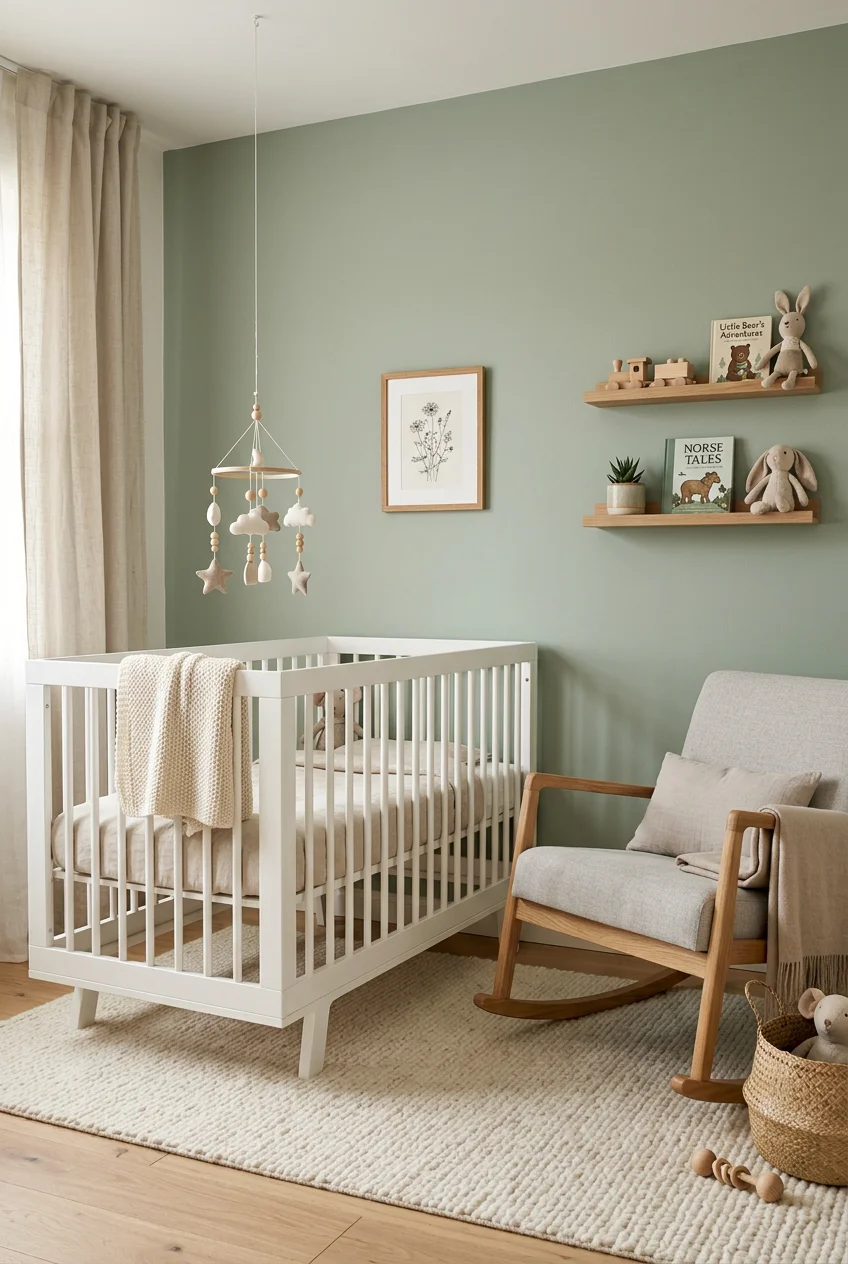
- Ground the Space with Earthy Color Palettes
- Prioritize Natural Materials and Textures
- Create a Mobile Station with the RÅSKOG Cart
- Maximize Vertical Storage with SKÅDIS Pegboards
- Invest in a Washable Nursery Rug
- Avoid Rigid Themes for Subtle Storytelling
- Choose Adaptable Decor and Textiles
- Install Serious Blackout Blinds or Curtains
- Anchor All Freestanding Furniture Securely
- Utilize Drawer Organizers for Tiny Clothes
- Repurpose Spice Racks as Bookshelves
- Build a Cozy Feeding Nook
- Avoid Harsh Minimalism with Layered Textures
- Future-Proof with the TROFAST Storage System
Most folks start a nursery by painting the walls a loud pastel and buying a massive, matching furniture set that costs as much as a used car. That’s the quickest way to guarantee you’ll be redoing the room in exactly three years. When you’re searching for ikea nursery room ideas, the smartest approach is treating the space like a functional puzzle rather than a life-sized dollhouse. You need deep storage that hides the chaos of 3 a.m. blowouts, flat surfaces that wipe clean, and modular furniture that won’t look ridiculous when your baby turns into a toddler with strong opinions. Nursery design shouldn’t be about creating a pristine museum exhibit. It’s about building a room that actually works for exhausted parents. If you only try one idea from this list, make it #5. Here’s why: it cuts out the need for a bulky, single-purpose changing table and rolls exactly where the mess is happening. Trust me.
Skip this list if you’re looking for heirloom-quality, hand-carved mahogany furniture to pass down for generations. These concepts prioritize budget-friendly adaptability and modular function over luxury craftsmanship. If you hate assembling flat-pack furniture or prefer a strictly traditional, heavily themed aesthetic, this modular approach won’t work for you.
1. Embrace “Grow-With-Me” Furniture with the SNIGLAR Crib

A common mistake new parents make is blowing their entire budget on a massive, heavy crib that the baby will outgrow in two years. Instead, you need a convertible option that adapts as your child develops. The IKEA SNIGLAR crib is built from solid beech wood, offering a sturdy, minimalist frame that blends into almost any design. It typically runs in the budget-friendly $119 to $120 range. The dimensions sit at approximately 124 cm in length, 66 cm in width, and 80 cm in height, which perfectly accommodates a standard 27.5-inch by 52-inch crib mattress. You can easily find fitted sheets during your weekly run to Target or Walmart that fit this size perfectly. Once your child is old enough to climb in and out safely, you simply remove one side to convert it into a toddler bed. The raw beech wood has a smooth, matte texture that doesn’t off-gas harsh chemical smells like heavily painted particleboard. To keep the raw wood looking fresh and prevent it from drying out, rub it down with 4 oz of food-safe mineral oil every few months.
The catch: the raw wood finish is extremely plain and lacks the polished look of more expensive nursery furniture, meaning it requires thoughtful styling to not look unfinished.
2. Utilize the KALLAX Unit for Adaptable Storage

Most people buy a dedicated changing table, use it for eighteen months, and then struggle to figure out what to do with a piece of furniture that looks exactly like a changing table. A 2×2 or 2×4 KALLAX shelving unit solves your storage problems instantly. Simply secure a standard contoured changing pad to the top surface and use the deep cubbies below for massive amounts of storage. You can customize the open squares with specific inserts, solid doors, or fabric boxes to organize diapers, wipes, and tiny socks. When the diaper phase ends, remove the pad, and it instantly reverts to a standard bookshelf or toy organizer. It provides flexible, child-friendly organization that evolves right alongside your family.
Best for: tight budgets.
The catch: the standard height of a 2×2 KALLAX is quite low for taller parents, which can cause serious lower back strain during late-night diaper changes.
3. Ground the Space with Earthy Color Palettes

Bright primary colors and aggressive cartoon themes are out. They overstimulate babies and make a room feel chaotic. Instead, anchor the room with calming, nature-inspired hues. Think muted greens, soft browns, warm creams, sage green, or gentle terracotta. You can apply these tones to the walls or introduce them through larger furniture pieces. These earthy shades create a soothing, grounded environment that promotes rest for both the baby and exhausted parents. Walking into a room painted in soft sage feels like taking a deep breath. A soft terracotta accent wall paired with natural wood tones warms up a sterile room. Mix 1/2 cup of mild liquid detergent with warm water to easily wipe down these painted walls when inevitable sticky messes happen. No exaggeration.
The catch: dark earthy tones absorb a lot of natural light, which can make a small nursery feel like a gloomy cave if you don’t have large windows.

Beautiful Wooden Baby Closet Dividers Set of 7
Beautiful Wooden Baby Closet Dividers Set of 7 – Double-Sided Organize has been one of the most consistently praised picks in this category. 11 reviewers averaged 4.5/5.
4. Prioritize Natural Materials and Textures

Nursery design is leaning into sustainable, natural materials rather than glossy, brightly colored plastics. Incorporate raw wood, woven rattan, bamboo, and chunky jute into the space. You can easily do this by using natural wood storage units or placing large woven baskets in the corners for toy and blanket storage. Choosing organic cotton or wool for bedding ensures a breathable environment and reduces potential allergens. The tactile difference between a cheap synthetic rug and a natural wool blend is massive when you’re spending hours on the floor. Woven baskets slide quietly across the floor, unlike heavy plastic bins that scrape and bang. You can pick up organic nursery water at Kroger and keep the empty gallon jugs to mix up natural cleaning solutions for these delicate materials.
The catch: natural jute and wool rugs shed heavily for the first few months, leaving itchy fibers all over your baby’s clothes and requiring daily vacuuming.
5. Create a Mobile Station with the RÅSKOG Cart

Not having essentials within arm’s reach during a messy diaper change is a rookie mistake. You can’t step away from a rolling baby to grab wipes from across the room. The IKEA RÅSKOG utility cart, typically priced right around the $39.99 mark, is a functional, portable solution. It features three deep, metal shelves that hold diapers, wipes, barrier creams, and a fresh change of clothes. You can roll this cart directly next to the changing pad, the crib, or even out into the living room if that’s where you’re spending the afternoon. The bottom tier perfectly holds bulky boxes of wipes you’d grab at Costco. Once you’re done with diapers, it transitions perfectly into an art supply or book cart. You might also like: 18 Unique Nursery Themes You Need to See
Best for: renters.
The catch: the open shelving means all your brightly colored plastic diaper packaging and half-empty lotion tubes are constantly on display, creating visual clutter. You might also like: 18 Baby Girl Room Decorating Ideas for Every Budget
6. Maximize Vertical Storage with SKÅDIS Pegboards

People complain about small nurseries while leaving their walls blank. You need to utilize your vertical space. IKEA SKÅDIS pegboards are brilliant for customizable organization right above the changing station. Attach hooks, small bins, and clips to hang tiny outfits, pacifiers, nail clippers, and diapering essentials. It keeps dangerous or messy items up high and out of reach of grasping toddler hands. Adding a few sleek floating shelves nearby gives you a spot to display rigid board books and small decor. This approach transforms unused vertical space into functional storage, which is critical in compact rooms. You might also like: 15 Clever Neutral Small Nursery Ideas for Every Budget
The catch: installing these pegboards and shelves securely requires drilling multiple heavy-duty anchors into the drywall, which is a headache to patch and paint later.

Criusia Drawer Organizer Clothes
If you want something that just works, Criusia Drawer Organizer Clothes is a safe bet (11 reviews, 4.5 stars).
7. Invest in a Washable Nursery Rug

Nurseries are messy. Spit-up, diaper leaks, and spilled bottles are daily occurrences. A thick, dry-clean-only rug is a terrible idea for a baby’s room. You need a washable rug made from durable, stain-resistant fibers that are easy to care for and free from harmful chemicals. The IKEA LEN series offers options like their dotted grey rug, measuring 133×160 cm, and typically landing in the €49.99 or $50 range. The dotted grey pattern hides minor stains, while the low-pile texture feels smooth under bare feet during late-night pacing. These rugs provide a soft, hygienic play surface that you can actually clean. Just spot clean with 2 tablespoons of enzyme cleaner and water, or toss smaller versions right into the washing machine.
Best for: homes with kids or pets.
The catch: washable rugs are inherently very thin, meaning they offer almost no cushioning for a baby learning to crawl or walk on hard wood floors unless you buy a separate, expensive rug pad.
8. Avoid Rigid Themes for Subtle Storytelling

Overly themed rooms plastered with giant cartoon characters feel dated and trap you into a specific look. You’ll be sick of it in six months, and changing it requires a massive overhaul. Instead of a rigid theme, rely on subtle elements that tell a quiet story. The IKEA BLÅVINGAD collection is inspired by the ocean and offers soft toys, like their massive blue whale plush (typically under $40), alongside bedding made from recycled materials. This creates a gentle, nature-inspired environment without screaming “underwater theme park.” It allows the room to feel timeless and calm. You can mix these subtle pieces with a fresh bouquet of eucalyptus from Trader Joe’s to bring real natural elements and a fresh scent into the space.
The catch: subtle storytelling requires a very restrained eye, and it’s easy for the room to end up looking completely disconnected and random if you don’t stick to a strict color palette.
9. Choose Adaptable Decor and Textiles

Buying decor specifically labeled “for babies” usually means paying a premium for items that look juvenile very quickly. Select textiles that can grow with your child. The IKEA LEN series includes baby blankets made from 100% organic cotton, generally priced between $14.99 and $19.99. They feature soft, gender-neutral patterns that look just as appropriate draped over a toddler bed as they do folded in a newborn nursery. Swapping out blankets, curtains, and throw pillows is the cheapest and fastest way to refresh the room’s entire look without painting or buying new furniture. The organic cotton feels soft against sensitive newborn skin.
The catch: organic cotton textiles wrinkle severely in the wash, and if you don’t iron them, they can make the nursery look rumpled and unkempt.

Criusia Over the Door Organizer
A dependable everyday pick — Criusia Over the Door Organizer pulls in 247 ratings at 4.5 stars. Not flashy, just solid.
10. Install Serious Blackout Blinds or Curtains

You won’t sleep if your baby doesn’t sleep, and babies don’t sleep well in bright rooms. If your nursery windows let in streetlights or early morning sun, you absolutely must install blackout blinds or heavily lined curtains. IKEA offers various thick curtains that you can layer over basic blinds to achieve a pitch-black environment. This contributes directly to a soothing, sleep-inducing atmosphere. You want the room dark enough that you can’t read a book in the middle of the day. Heavy curtains also muffle street noise, dampening the sound of passing cars or barking dogs, creating a quiet cocoon for naps.
Best for: small dark rooms.
The catch: true blackout curtains are incredibly heavy, meaning cheap tension rods will collapse under their weight. You must drill heavy-duty brackets directly into the window frame or wall studs.
11. Anchor All Freestanding Furniture Securely

This isn’t an aesthetic choice. It’s a non-negotiable safety requirement. Once your baby starts rolling, crawling, and eventually pulling up on things, every single piece of furniture becomes a climbing wall. You must anchor dressers, shelving units, and wardrobes firmly to the wall to prevent fatal tip-overs. Whether you’re using the massive IKEA PAX system for closet storage or a smaller BRIMNES wardrobe, use the provided anti-tip hardware. Do not skip this step because you think the furniture feels heavy enough on its own. A toddler pulling on a fully loaded top drawer shifts the center of gravity instantly.
The catch: if you have older plaster walls instead of modern drywall, the standard plastic anchors included in the box will rip right out, forcing you to buy specialized toggle bolts.
12. Utilize Drawer Organizers for Tiny Clothes

Baby clothes are comically small. If you just toss them into a large dresser drawer, they will become a tangled, disorganized mess. You’ll spend ten minutes hunting for a matching sock while a baby screams on the changing pad. Using drawer organizers, like the IKEA SKUBB boxes, fixes this completely. You can grab a set of three for around $4.99 or a set of six for roughly $6.99. Use them to separate onesies, pants, socks, and accessories. It keeps the drawers meticulously tidy and makes middle-of-the-night outfit changes significantly less stressful. I learned that the hard way.
The catch: the SKUBB boxes are made of a thin fabric stretched over plastic inserts, meaning they can’t be washed in a machine if a leaky bottle or diaper cream spills inside them.

Baby Closet Divider, Baby Wardrobe Organizer
Baby Closet Divider is sturdier in person than the photos suggest — over 371 buyers gave it 4.5 stars.
13. Repurpose Spice Racks as Bookshelves

Traditional nursery bookshelves take up a massive amount of floor space and often display books spine-out, which isn’t helpful for toddlers who choose books by the cover. A classic, inexpensive hack is repurposing IKEA BEKVÄM wooden spice racks (typically just a few dollars each) as narrow, front-facing wall bookshelves. You can mount three or four of them at a low height so your child can easily reach their favorites as they grow. You can leave the raw wood natural or paint them to match the room’s trim. It creates a beautiful, colorful display using the books themselves as art.
The catch: each spice rack only holds about three to four thick board books, so if you have a large library, you’ll end up covering an entire wall with them just to fit everything.
14. Build a Cozy Feeding Nook

You’re going to spend hundreds of hours sitting in this room, feeding, rocking, and comforting your baby. A cheap, stiff chair will destroy your back. You need to build a dedicated feeding nook around a genuinely comfortable armchair, like the IKEA VEDBO high-back armchair, which typically sits in the £279 or $300 mid-range. The high back provides crucial neck support during 2 a.m. feedings. Pair it with a small, sturdy side table to hold a water bottle, burp cloths, and your phone. You can keep a stash of healthy snacks from Sprouts or Whole Foods in a basket right next to the chair for when you get trapped under a sleeping baby.
The catch: the armrests on this specific chair are quite low and firm, meaning you will absolutely need to buy a thick nursing pillow to elevate the baby to a comfortable feeding height.
15. Avoid Harsh Minimalism with Layered Textures

Modern minimalism is popular, but a nursery shouldn’t look like a sterile hospital room. Aim for “warm minimalism” by aggressively layering different textures. Mix soft, washable rugs with crinkly muslin blankets, heavy knitted throws, and woven wall hangings. This adds critical visual interest and tactile stimulation for the baby while making the room feel inviting and cozy. A room with just painted walls and hard wooden furniture feels cold and echoes loudly. Layering textiles absorbs sound, making it easier for the baby to sleep through household noise.
The catch: layering dozens of blankets, throws, and soft wall hangings creates a massive amount of extra laundry and surfaces that constantly trap dust and pet hair.

SNSLXH 5 Pack Stackable Closet Storage Basket
SNSLXH 5 Pack Stackable Closet Storage Basket has been one of the most consistently praised picks in this category. 41 reviewers averaged 4.5/5.
16. Future-Proof with the TROFAST Storage System

When looking for ikea nursery room ideas, you have to think about the toddler years. Babies accumulate toys at an alarming rate. The IKEA TROFAST toy storage system features sturdy pine frames and lightweight, sliding plastic bins. In the nursery phase, you can use the smaller bins to sort swaddles, burp cloths, and extra wipes. As your child grows, those exact same bins become the perfect sorting system for wooden blocks, toy cars, and eventually Legos. It’s a modular system that legitimately transitions through every phase of childhood without needing to be replaced.
Best for: beginners.
The catch: the plastic bins can easily crack or shatter if a toddler pulls them completely out of the track and drops them heavily onto a hard floor.
How we chose these ideas: The selections in this guide prioritize renter-friendliness, modular adaptability, and low overall cost. We focused on pieces that serve multiple functions and can transition out of the nursery phase easily, evaluating them strictly based on storage capacity, safety features, and visual impact.
Creating a functional nursery doesn’t mean emptying your savings account on single-use furniture. Stick to modular basics, prioritize hidden storage, and keep the decor adaptable. Save this list and pin your favorite concepts before you head to the store to start building your floor plan.
Frequently Asked Questions
Can I use an IKEA KALLAX as a safe changing table?
Yes, a 2×2 or 2×4 KALLAX unit works perfectly as a changing table. You must secure a contoured changing pad to the top surface using non-slip grips or mounting hardware, and always anchor the heavy shelf directly to the wall studs to prevent tipping.
What are the best IKEA nursery room ideas for small spaces?
Maximizing vertical storage is critical in small nurseries. Using SKÅDIS pegboards above the changing station keeps small items organized without taking up floor space. The RÅSKOG rolling cart is also excellent because it holds essential diapering supplies and tucks away into tight corners easily.
Are IKEA cribs safe for newborns?
Yes, IKEA cribs like the SNIGLAR and GULLIVER models meet strict federal safety standards. They feature precise slat spacing and non-toxic finishes. You must ensure you use a firm, properly fitted mattress and follow all assembly instructions carefully, checking the hardware tightness every few months.
How can I make an IKEA nursery look expensive?
Swap out the standard hardware on dressers and cabinets for brushed brass or matte black pulls. Layering heavy textures, like chunky knit throws and organic cotton curtains, adds visual weight. Sticking to a cohesive, earthy color palette also prevents the room from looking cheap or cluttered.
