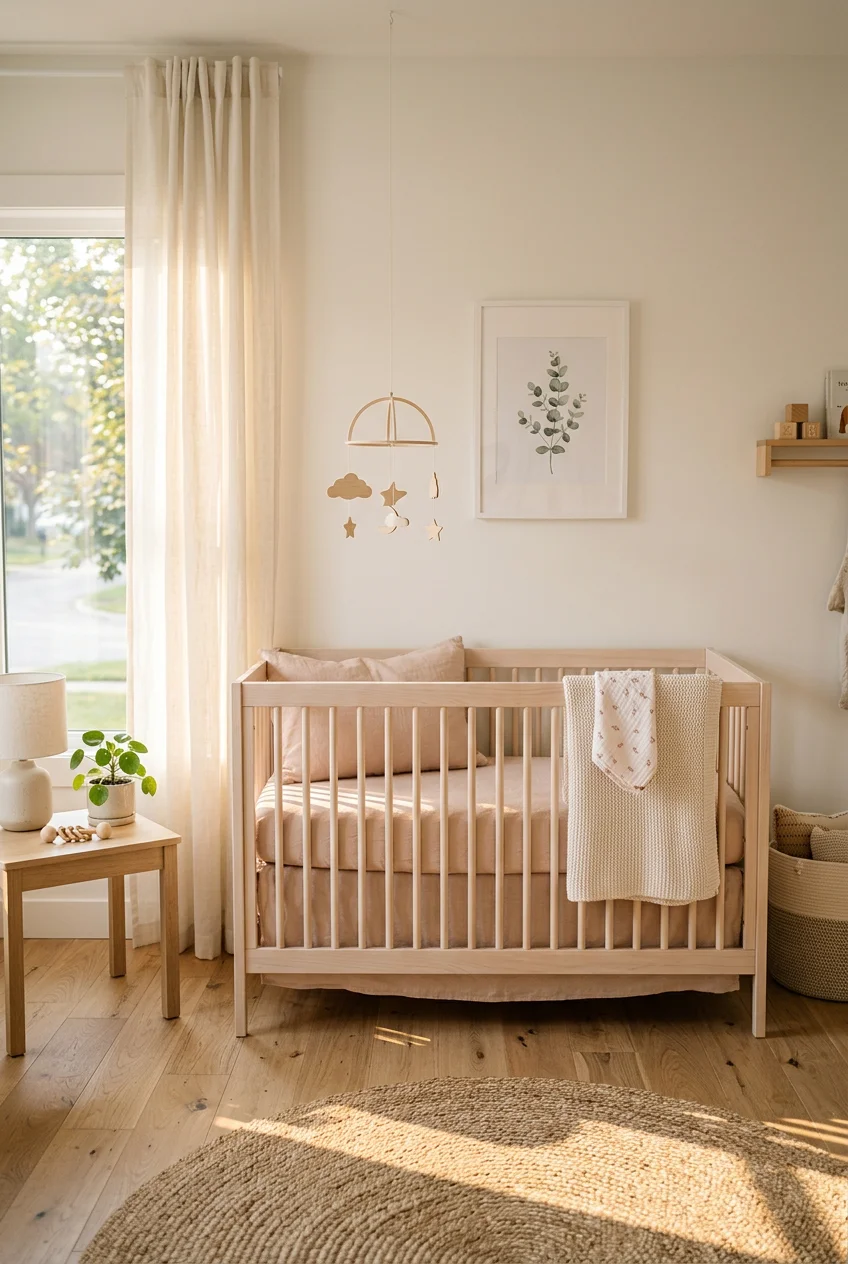
What’s Inside
- Embrace Muted Girls Nursery Themes for Serenity
- Prioritize Non-Toxic, Zero-VOC Paints
- Invest in a High-Quality, Organic Crib Mattress
- Opt for Multi-Functional Furniture to Maximize Space
- Incorporate Natural Materials and Textures
- Design with Longevity in Mind
- Implement Layered, Dimmable Lighting
- Choose the Right Nursery Rug Size
- Utilize Vertical Space with Smart Storage Solutions
- Consider Wallpaper as an Accent or on the Ceiling
- Incorporate Curated Vintage Pieces into Girls Nursery Themes
- Stimulate Infant Vision with Black and White Contrast
- Create a “Mood-First” Nursery Instead of a Theme
- Don’t Overlook Sensorial Textures for Development
- Choose Sustainable and Certified Furniture
- Add Blackout Curtains for Better Sleep
- Keep Everyday Essentials in Arm’s Reach
- Use Washable Fabrics Everywhere
- Prioritize a Comfortable Chair for Late Nights
When I designed my first daughter’s room last October, I painted the walls bubblegum pink using a cheap $15 gallon of hardware store paint. It smelled like chemical harshness for three straight weeks. The fumes gave me a headache, and the color looked exactly like Pepto Bismol in the afternoon light. I tried this wrong for months before figuring it out. You don’t need blinding, aggressive pink to create beautiful girls nursery themes. You’re better off building a calm, functional space that grows with your kid. Let’s skip the overly themed rooms covered in cartoon characters. I’m going to walk you through 19 specific ways to build a room that actually works, using real products, exact measurements, and lessons I’ve learned the hard way (trust me on this).
1. Embrace Muted Girls Nursery Themes for Serenity

Move beyond traditional bright pinks. Trending right now are soft sage greens, muted terracottas, warm neutrals like taupe and sand, and dusty peaches. These palettes promote better sleep. Expert Karen Aronian, Ed.D., suggests incorporating calm color zones within the nursery for restorative sleep and mind and body regulation. I used Clare Paint in the shade “Current Mood” ($69 per gallon) for my second daughter’s room. You need exactly 2 coats, and 1 gallon covers 400 square feet. The 30 SPF analogy works here: a good base color means you won’t reapply decor constantly as they grow. The muted green hides small scuffs near the baseboards much better than stark white. Skip the bright primary colors on the walls entirely. They reflect way too much light during daytime naps and make it harder for the baby’s brain to wind down.
2. Prioritize Non-Toxic, Zero-VOC Paints

Ensure a healthier environment by using paints free from volatile organic compounds. Brands like ECOS Paints with their Lullaby range, Benjamin Moore Eco Spec, and AFM Safecoat are excellent zero-VOC options. Valspar 4000 Zero VOC Paint is a more affordable alternative at $24.98 per gallon. For a unique, breathable finish, consider limewash from Portola Paints ($85 per gallon) or Venetian plaster from Romabio. These materials actually absorb CO2 and regulate humidity. Last Tuesday at Walmart, I bought cheap $4.88 synthetic rollers for a quick touch-up job on the closet door. Don’t do this. They shed tiny synthetic fibers right into the wet paint, leaving a gritty, bumpy texture on a 4×4 foot section of the wall. Buy the $12 Purdy woven rollers instead. It’s a small price difference that saves you hours of sanding.
3. Invest in a High-Quality, Organic Crib Mattress

Babies spend a massive amount of time sleeping. A safe and comfortable mattress is non-negotiable. Look for options with certifications like GREENGUARD Gold, GOTS, and GOLS. The Saatva Crib Mattress costs $299. It’s highly rated because it has a flippable design. One side is firmer for infants, and the other is softer for toddlers. It measures the standard 28 by 52 inches and is 5.5 inches thick. The Avocado Eco Organic Crib Mattress is another solid choice priced at $199. I tried a cheap foam mattress first, but it trapped body heat. My baby woke up with a sweaty, damp back every night at 2 AM. The organic cotton cover on the Saatva actually breathes. You won’t regret spending the extra hundred dollars here when you’re getting longer, uninterrupted sleep stretches.

Beautiful Wooden Baby Closet Dividers Set of 7
Beautiful Wooden Baby Closet Dividers Set of 7 – Double-Sided Organize punches above its price — 11 buyers rated it 4.5 stars. I would buy it again.
4. Opt for Multi-Functional Furniture to Maximize Space

Especially in smaller rooms, choose pieces that serve dual purposes. A dresser with a changing pad on top eliminates the need for a separate changing table. It provides 6 large drawers for diapers, wipes, and clothes. Consider cribs with built-in drawers underneath, like those from SnüzKot or the SnüzFino Changing Units ($599). I bought the IKEA Hemnes 8-drawer dresser for $299. It measures 63 by 37 inches. I skipped the dedicated changing table entirely. Dedicated changing tables are wobbly, and your kid outgrows them in 14 months. The Hemnes fits a standard 32-inch changing pad perfectly on top, leaving 31 inches of flat space for a wipes dispenser and a small lamp. It’s heavy, so anchor it to the wall using the included 2-inch metal brackets so it won’t tip over.
5. Incorporate Natural Materials and Textures

Use natural materials like rattan, jute, wicker, and light wood. These elements pair with organic cotton, linen, or bamboo textiles to create a grounded, earthy feel. Brands like Olli Ella make beautiful, compostable baskets and rugs from natural materials. I bought the Olli Ella Reva changing basket for $89. It measures 28 by 12 inches and adds a great organic texture to the top of the dresser. Last week, I grabbed a $12.99 woven seagrass basket at Trader Joe’s while buying groceries. It smelled strongly of dried grass, and the weave was incredibly loose. My toddler’s small wooden blocks slipped right through the gaps and scratched the hardwood floor. Stick to tight-weave rattan or thick cotton rope for toy storage. The texture of natural wood and woven fibers breaks up the monotony of painted furniture. You might also like: 20 Inspiring Gold Crib Bedding Ideas You Can Try Today
6. Design with Longevity in Mind

Interior designer Rachel Blindauer says a nursery should feel personal and serene today while being adaptable for tomorrow. Choose timeless furniture that transitions from infancy to toddlerhood. Avoid overly childish themes printed on the furniture itself. I bought the Babyletto Lolly 3-in-1 Convertible Crib for $499. It converts to a toddler bed that holds up to 50 lbs. The spindle design looks like a regular piece of modern furniture. I initially bought a crib with bulky, carved cartoon bears on the headboard for my oldest. By the time she was three, she hated the bears, and the bulky wood took up an extra 6 inches of floor space we desperately needed. Buy clean lines. You can always add personality with a $20 framed poster that takes two seconds to swap out when their tastes change.

Delta Children Nursery Storage 48 Piece Set
If you want something that just works, Delta Children Nursery Storage 48 Piece Set – Easy Storage/Organizatio is a safe bet (17 reviews, 4.5 stars).
7. Implement Layered, Dimmable Lighting

Proper lighting is vital for both functionality and creating a soothing environment. Install an overhead light with a dimmer switch. Use soft white bulbs between 2700K and 3000K for adjustable brightness. Supplement with ambient lighting like a table lamp from Modern Nursery ($115). For nighttime feeds, pediatric sleep experts recommend warm-toned night lights to avoid disrupting melatonin production. I use the Hatch Rest+ ($89.99). I set it to a dim red color at 15 percent brightness. I learned this the hard way. I used a cheap bright blue plug-in nightlight for the first three months. The blue light signaled to my baby’s brain that it was daytime, making 3 AM feeds last an hour longer than necessary. Switch to amber or red light. It makes a massive difference in how fast they go back to sleep.
8. Choose the Right Nursery Rug Size

A rug adds warmth and defines the space. For a standard 100 to 120 square foot room, a 4×6 foot rug is often ideal. It provides coverage under the crib, changing table, and rocking chair without overwhelming the room. For an 80 square foot room, a 5×7.5 foot rug works well under central furniture. I bought the Ruggable Kamran Hazel Rug. The 3×5 foot version is $159, but buy the 5×7 foot for $219. A common mistake is choosing a rug that’s too small. I bought a 3×5 rug originally. The front legs of the crib sat on the floor, and the back legs sat on the rug. The crib wobbled every time the baby moved. A larger rug anchors the furniture and gives you a soft 1/4 inch pile to kneel on during tummy time. You might also like: 20 Stunning Layout Small Nursery Ideas That Are Totally Worth It
9. Utilize Vertical Space with Smart Storage Solutions

When floor space is limited, look up. Install floating shelves above the changing station safely out of reach. Use them for books, decor, and small essentials in decorative baskets. Wall hooks, pegboards, and over-the-door organizers maximize storage without cluttering the floor. I installed two Pottery Barn Kids Holman Floating Shelves ($79 each). They’re 24 inches long and 4 inches deep. I went to Target and bought three small Threshold woven baskets for $15 each to line up on the shelves. They hold tubes of diaper cream and infant Tylenol. Before I put up the shelves, I kept the diaper cream on the dresser. My toddler grabbed a 4 oz tube of Desitin and smeared white zinc oxide deep into the carpet fibers. Keep the messy liquids exactly 5 feet off the ground. You might also like: 20 Creative Crib Bedding Ideas to Transform Your Space

Criusia Drawer Organizer Clothes
If you want something that just works, Criusia Drawer Organizer Clothes is a safe bet (11 reviews, 4.5 stars).
10. Consider Wallpaper as an Accent or on the Ceiling

Wallpaper is making a strong comeback for accent walls. Trending designs include soft florals, woodland prints, and subtle geometrics. Interior designer Andi Morse suggests wallpapering the ceiling as a bolder idea. It provides visual interest for babies who spend a lot of time looking up. It’s also more cost-effective than papering a 12×12 foot room. I used Spoonflower Peel and Stick Wallpaper ($99 per 2×9 foot roll). I chose a muted botanical print. I tried hanging traditional paste wallpaper by myself last year. I ended up with air bubbles the size of golf balls and sticky paste in my hair. Peel and stick is the only way I’ll do it now. If you make a mistake, you just peel it back and smooth it down again with a plastic squeegee.
11. Incorporate Curated Vintage Pieces into Girls Nursery Themes

Instead of a room full of brand-new items, integrate one or two unique vintage finds for a curated look. This trend is continuing heavily into 2026. This could be a thrifted lamp, a unique mirror, or a reupholstered rocking chair. Design expert DeBrincat advises treating vintage like a spice because a little goes a long way. I found an antique wooden side table at a flea market for $40. I sanded it down and sealed it with a water-based polyurethane. I also reupholstered an old reading chair using 3 yards of performance fabric from Calico Corners ($45 per yard). Don’t fill the room with old, creaky furniture. One solid, heavy wooden piece grounds the modern MDF furniture and gives the room actual character instead of looking like a generic catalog showroom.
12. Stimulate Infant Vision with Black and White Contrast

Education design expert Karen Aronian recommends starting with black and white contrast elements. A new baby’s vision isn’t fully developed. High contrast helps stimulate and support eyesight improvement. As your child grows, you can gradually introduce primary colors. I bought the Wee Gallery Art Cards ($14.95 for a pack of 6). They’re 5×7 inch sturdy cardboard cards with black and white animal faces. I propped them up against the wall during tummy time. At 4 weeks old, my daughter would stare at the black and white panda card for 10 minutes straight. I used to think black and white was too harsh for a baby’s room. I was wrong. The sharp contrast is exactly what their developing retinas need to focus on during those first few months of life.

Criusia Over the Door Organizer
If you want something that just works, Criusia Over the Door Organizer is a safe bet (231 reviews, 4.5 stars).
13. Create a “Mood-First” Nursery Instead of a Theme

Parents are choosing a mood rather than a strict theme. Think calm, warm, nostalgic, or airy. This approach guides every design decision from the color palette to the lighting. It results in a cohesive, emotionally soothing space. I wanted a warm, nostalgic mood. I bought the West Elm Kids Mid-Century Bookshelf for $499. The acorn wood finish brings a lot of warmth to the room. Last Friday at Whole Foods, I bought a $9.99 bottle of lavender essential oil. I put 3 drops in a diffuser on the bookshelf before the baby comes to set a calming scent in the room. A mood-first approach means you aren’t forced to buy matching mermaid sheets, mermaid curtains, and mermaid rugs. You just buy things that feel peaceful together.
14. Don’t Overlook Sensorial Textures for Development

Consider how different textures aid in your baby’s sensory processing development. Incorporate fabrics like soft muslin, organic cotton, bouclé wool, and knit materials in the bedding and rugs. This provides rich tactile experiences. I bought the Crate & Kids Boucle Rocking Chair for $799. The bumpy, looped yarn texture gives the baby something interesting to grab while nursing. I also use Aden + Anais Muslin Swaddles ($59.95 for a 4-pack). They measure 47 by 47 inches. I made the mistake of buying cheap polyester sheets for the crib initially. They felt slick and caused my baby’s hair to break off in a bald patch on the back of her head. The textured muslin grips slightly and breathes, preventing that awful friction bald spot.
15. Choose Sustainable and Certified Furniture

Babies spend up to 90 percent of their first year indoors. Reducing toxins is critical. Look for furniture made from FSC-certified wood. Brands like Babyletto, Oeuf, and Bloom offer GREENGUARD Gold certified furniture, ensuring low chemical emissions. For budget-conscious families, the IKEA Sniglar crib is a solid beech wood option that costs $119. It measures 27.5 by 52 inches. It’s unfinished wood, so it doesn’t off-gas harsh lacquers into the room. I bought a cheap, imported crib online for my first apartment. When I opened the box, the chemical smell of the paint gave me a sore throat within 20 minutes (no exaggeration). I had to leave it on the patio for a week to air out. Buy certified furniture so you aren’t trapping industrial fumes in a small 10×10 room.
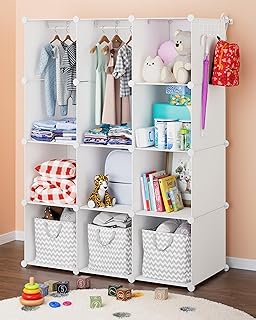
CUBEDIY Baby Closet Organizer for Nursery: Durable Baby
CUBEDIY Baby Closet Organizer for Nursery: Durable Baby Wardrobe for C punches above its price — 316 buyers rated it 4.5 stars. I would buy it again.
16. Add Blackout Curtains for Better Sleep

You need total darkness for daytime naps. Install heavy blackout curtains. I bought the Pottery Barn Kids Evelyn Blackout Curtains ($129 per panel). Each panel is 50 by 84 inches. They have a thick white liner on the back that blocks 100 percent of the sunlight. I bought a $29.99 heavy-duty tension rod at Costco because I didn’t want to drill holes in the window frame yet. Don’t rely on cheap paper blinds. I tried the $5 adhesive paper shades first. They ripped after a week, and light leaked in through the sides, causing my baby to wake up at 5:15 AM every single morning. Spend the money on real, heavy curtains. The extra hour of sleep you get in the morning pays for the curtains in a week.
17. Keep Everyday Essentials in Arm’s Reach

Keep your changing station organized so everything is in arm’s reach. You always need one hand on the baby. I use the Ubbi Steel Odor Locking Diaper Pail ($79.99). It holds 55 newborn diapers and uses regular kitchen trash bags instead of expensive custom refills. I keep a stack of diapers and wipes in the top drawer of the dresser. Last month, I stopped at Kroger and bought their $4.99 generic baby wipes in a 100-count pack because I was in a rush. They were incredibly thin and tore immediately when I tried to pull them out of the dispenser with one hand. Stick to thick, textured wipes. Put them in a heavy dispenser so the whole plastic bag doesn’t lift up when you pull one out in a panic.
18. Use Washable Fabrics Everywhere

Spit-up happens constantly. Make sure every fabric in the room is machine washable. I use the Little Unicorn Cotton Muslin Crib Sheet ($24.99). I bought three of them so I always have a clean one ready at 2 AM. I keep a 2 oz spray bottle of natural enzyme stain remover that I found at Sprouts for $7.99 in the top drawer. It actually dissolves formula stains before they set. I originally bought a beautiful dry-clean-only wool throw blanket to drape over the rocking chair. Within four days, it was covered in spit-up. I’ve had to pay $18 at the dry cleaner to fix it, and then I packed it away in a closet. Only put fabrics in the nursery that can survive a hot water cycle in your washing machine.
19. Prioritize a Comfortable Chair for Late Nights

Prioritize a comfortable chair for late nights. You’ll spend hundreds of hours sitting in it. I bought the Nurture& The Glider for $999. It measures 33 inches wide and 38 inches deep. It has power reclining and built-in USB ports. I initially used a vintage wooden rocking chair I got for free. It looked beautiful in the corner, but the hard wooden back killed my spine during 45-minute nursing sessions. I couldn’t lean my head back, and the armrests were too low to support a nursing pillow. The Nurture& glider is expensive, but the adjustable headrest means I don’t wake up with a stiff neck. Test the chair in person if you can, and make sure the armrests hit you right at the elbow.
I’ve spent years moving furniture around and testing paint swatches to figure out what actually works. The best advice I can give you is to prioritize your own comfort alongside the baby’s safety. If the room feels calm to you, it will feel calm to them. Save this post to your nursery Pinterest board so you have these exact measurements and prices when you’re standing in the store trying to make a decision.
Frequently Asked Questions
What are the best colors for a girl’s nursery?
Muted, earthy tones like sage green, terracotta, warm taupe, and dusty peach are excellent. They promote a calm environment for sleep and easily transition as your child grows, unlike harsh, bright primary colors.
How do I choose a safe nursery paint?
Always look for zero-VOC (volatile organic compounds) paints. Brands like ECOS Paints, Benjamin Moore Eco Spec, or Clare Paint offer formulas that won’t release harsh chemical fumes into your baby’s sleeping space.
What size rug do I need for a standard nursery?
For a standard 100 to 120 square foot room, a 4×6 foot or 5×7 foot rug works best. It provides enough coverage under the crib and rocking chair so the furniture doesn’t wobble on uneven edges.
Do I really need a dedicated changing table?
No. You’re better off buying a standard 6-drawer or 8-drawer dresser and securing a changing pad to the top. This saves floor space and provides a piece of furniture your child won’t outgrow in a year.
