What’s Inside
- Implement Clear Zoning for Optimal Flow and Supervision
- Prioritize Multi-functional Furniture that Grows with the Child
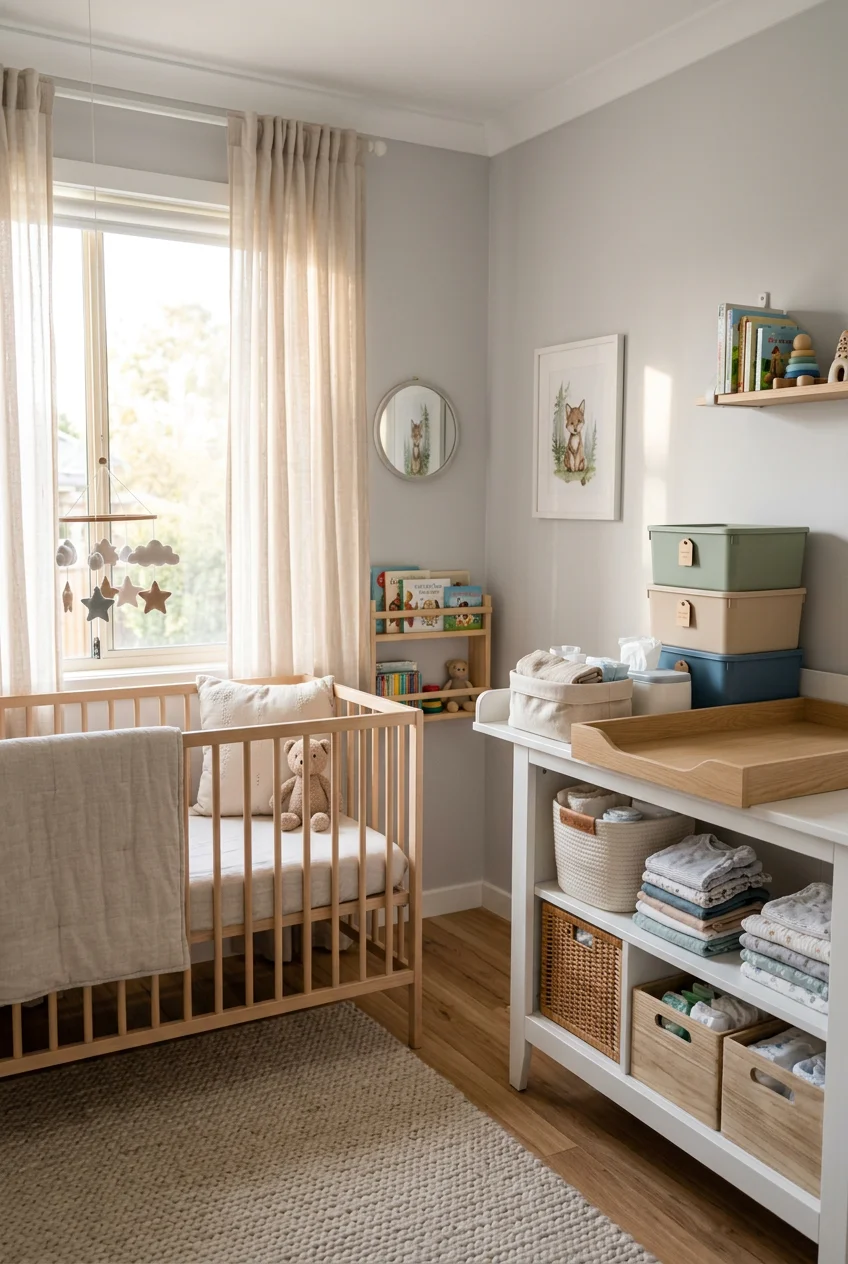
- Create an Ultra-Efficient Diaper Changing Station with Vertical Storage
- Implement a Montessori-Inspired Toy Rotation System
- Utilize Clear, Labeled Storage Bins for Easy Identification
- Maximize Vertical Space with Creative Wall-Mounted Solutions
- Organize Clothing by Size and Season with Drawer Dividers
- Designate a Calm and Comfortable Feeding Zone
- Prioritize Safety with Anchored Furniture
- Streamlined Daycare Baby Room Organization for Cubbies
- Rolling Carts for Art and Sensory Supplies
- Dedicated Sleep Sack and Blanket Storage
- Efficient Bottle Prep Station
- Low Profile Book Ledges for Forward-Facing Display
- Hidden Storage Ottomans for Caregivers
- Master Your Daily Daycare Baby Room Organization Routine
Most folks walk into a nursery and notice the cute wallpaper. The real test? Seeing what happens when three infants start crying at once. Effective daycare baby room organization decides whether you leave your shift feeling competent or totally drained. Piles of mismatched swaddles, scattered pacifiers, and overflowing bins create a chaotic mess that spikes cortisol for caregivers and babies alike. Stale milk smells trapped in bad hampers only makes it worse. A functional space needs ruthless editing and specific storage that handles the reality of childcare, not some idealized Pinterest board. We need systems that survive daily wear. If you only try one idea here, make it #3. A hyper-efficient, vertical diaper station saves you hundreds of steps a day and keeps your hands free. That’s the point of good design. Trust me.
Skip this if you’re a parent designing a purely aesthetic, minimalist room for one child who rarely makes a mess. These strategies prioritize high-volume functionality, durability, and strict safety over delicate trends. If your priority is a magazine-cover look rather than handling six blowouts before noon, this list isn’t for you.
1. Implement Clear Zoning for Optimal Flow and Supervision

Most people push furniture against the walls to leave a massive empty space in the middle. It’s a huge mistake. A cavernous center invites chaos and makes it hard to separate loud play from quiet rest. Instead, divide the room into distinct zones for sleep, feeding, diapering, and play. Low shelving units like the IKEA KALLAX ($35 to $100) create physical boundaries without blocking your view. You can see over a 30-inch tall shelf perfectly while sitting on the floor. This keeps sightlines clear, letting you supervise everyone at once. It also helps children understand expectations. When they crawl into the sleep zone, the visual cues signal quiet time, which cuts down on overstimulation. The catch: dividing the room this way eats up floor space, making the room feel smaller. Best for: large, square rooms that lack definition.
2. Prioritize Multi-functional Furniture that Grows with the Child

Stop buying single-use plastic gear you’ll toss in six months. Invest in versatile pieces like convertible cribs or dressers that double as changing tables. For example, the IKEA HEMNES 3-drawer chest ($199 to $249) serves as a heavy, sturdy changing table when you add a contoured pad on top. Later, it’s just a regular dresser. This aligns with the trend of adaptable furniture designed to reduce waste and prioritize long-term value over fast furniture. The solid pine construction absorbs sound better than cheap particleboard, so it doesn’t echo when you shut a drawer while a baby sleeps. You get a station that holds 50 plus diapers in the top drawer alone. The catch: solid wood is heavy to move once built, so be certain about your floor plan first. I learned that the hard way.
3. Create an Ultra-Efficient Diaper Changing Station with Vertical Storage

A changing table covered in loose cream and stray wipes is a disaster waiting to happen. You need a dedicated area with everything in reach, using the wall space above the table. Install wall-mounted shelves or a pegboard. IKEA BEKVÄM spice racks (under $10 each) work beautifully as narrow shelves to hold 4 oz tubes of diaper cream like Boudreaux’s Butt Paste. The wooden rail keeps small items from falling onto the baby. Keep one pack of current-size diapers, two packs of wipes, and one tube of cream ready, storing the rest elsewhere. This forces you to stay organized. The catch: you have to drill into the studs, which requires tools and patching later if you move the station. Best for: tight spaces where surface area is limited.

YACHANCE Kids Sound Machine with Night Light Projector
YACHANCE Kids Sound Machine with Night Light Projector punches above its price — 71 buyers rated it 4.5 stars. The kind of pick people reorder.
4. Implement a Montessori-Inspired Toy Rotation System

Dumping 50 toys into a massive chest guarantees that children will pull everything out, play with nothing, and leave a mess. Instead, display only 8 to 10 age-appropriate toys on low, accessible shelves. The IKEA EKENABBEN open shelf ($30 to $50) works perfectly because the design forces you to keep it tidy. Rotate toys every 1 to 2 weeks to keep kids engaged. Experts know less is more; it encourages deeper play. Avoiding the mistake of overwhelming children with too many options changes the noise level in the room. You’ll notice babies focus longer on a single wooden puzzle when it isn’t competing with loud plastic electronics. The catch: this requires weekly labor from staff to clean and rotate the inventory from a storage closet. You might also like: 15 Unisex Nursery Ideas You Need to See
5. Utilize Clear, Labeled Storage Bins for Easy Identification

Opaque bins are where daycare supplies go to die. If you can’t see what’s inside, you’ll end up buying duplicates. Store less-used toys or seasonal items in clear plastic. Sterilite 15 Qt Clear Latch Boxes ($5 to $8 at Walmart or Target) are the right size for grouping cars or wooden puzzles. Label each bin with words and a picture. This allows quick identification and helps toddlers participate in cleanup. For rotation, group items logically so you can grab a bin and refresh a shelf instantly. The visual consistency of matching bins calms the look of a closet. The catch: adhesive labels peel off plastic over time in humid environments, so you’ll need to re-label them every few months. Best for: staff who share duties and need to find items quickly. You might also like: 15 Girl Toddler Room That Actually Work
6. Maximize Vertical Space with Creative Wall-Mounted Solutions

Leaving the upper half of your walls empty while the floor is cluttered is a waste of real estate. Install floating shelves like the IKEA LACK ($15 to $20) high up for fragile books or decorative items out of reach. For a practical addition, install an IKEA SUNNERSTA rail system ($10 to $15) with hooks under cabinets. You can hang clean bibs, pacifier clips, or cleaning cloths. Keeping these off the counters maximizes workspace and lets wet bibs air dry instead of mildewing. The catch: wall rails have weight limits. If a caregiver pulls down too hard on a hanging towel, the anchors can rip out of the drywall. You might also like: 15 Nursery Themes Girl You Need to See

Modanais Baby Diaper Caddy Organizer Cart
A dependable everyday pick — Modanais Baby Diaper Caddy Organizer Cart – 3 Tier Rolling Storage Car pulls in 347 ratings at 4.5 stars. Not flashy, just solid.
7. Organize Clothing by Size and Season with Drawer Dividers

Digging through a pile of 0-3 month and 6-9 month onesies while holding a crying baby is infuriating. You need strict categorization. Use closet dividers with clear labels on the rods. Inside dressers, use rigid, adjustable dividers. OXO Tot Drawer Organizers ($15 to $25) lock into place and separate socks and hats into neat rows. If you have the space, the IKEA BRIMNES wardrobe ($199) offers great adjustable shelves and hanging space that grows with the children. Folding clothes using the file-folding method lets you see every edge at a glance, saving time. The catch: adjustable spring-loaded dividers can shift or snap back if you stuff the drawer too full of thick sweaters.
8. Designate a Calm and Comfortable Feeding Zone

Feeding time shouldn’t happen in the middle of the play zone where other babies are crawling over your feet. Create a cozy, dedicated area with supportive seating. A glider from Costco or Target ($200 to $400) with lumbar support is non-negotiable for staff spending hours bottle-feeding. Position this near a sink for easy handwashing. Keep a stack of burp cloths, bibs, and a 4 oz bottle of hand sanitizer in a rolling caddy next to the chair. Use a wipeable performance material, not velvet. The catch: spills are inevitable, and even performance fabrics stain if formula isn’t treated immediately with an enzyme cleaner. Best for: infant rooms with multiple babies on staggered schedules.
9. Prioritize Safety with Anchored Furniture

This isn’t a design choice. It’s a mandate. People underestimate how easily a climbing toddler can tip a dresser. Anchor all heavy furniture, including dressers and changing tables, to the wall studs using heavy-duty anti-tip kits. You can find steel cable kits at Home Depot for under $15. This applies to IKEA KALLAX units even if they’re horizontal. Store heavy items like bulk wipes or cleaning supplies on the bottom shelves to lower the center of gravity. Keep top drawers light with clothing. The catch: drilling heavy-duty anchors leaves holes that require patching and painting if you ever rearrange the room.

Modanais Baby Diaper Caddy Organizer Cart
If you want something that just works, Modanais Baby Diaper Caddy Organizer Cart – 3 Tier Rolling Cart with D is a safe bet (688 reviews, 4.5 stars).
10. Streamlined Daycare Baby Room Organization for Cubbies

Cubbies easily become a dumping ground for half-eaten snacks and muddy shoes. Proper organization requires standardizing what goes into each child’s space. Assign each child a bin. The Container Store’s Multi-Purpose Bins ($10 each) slide into standard slots and are made of washable plastic. Require parents to keep exactly two backup outfits, one sun hat, and one pair of indoor shoes. Anything extra goes home at the end of the week. This prevents the area from smelling like dirty socks and sour milk. The catch: toddlers love to dump these bins on the floor, meaning staff will spend time re-sorting items if the cubbies are too low.
11. Rolling Carts for Art and Sensory Supplies

Art supplies like finger paints and large paper rolls take up massive cabinet space and are heavy to haul. A mobile solution fixes this. Use a 3-tier metal rolling cart, like the Michaels Lexington or IKEA RÅSKOG ($30 to $40), to house sensory materials. Keep paint on the bottom, brushes in the middle, and paper on top. Roll the cart to the high chairs during art time and back into a locked closet when finished to keep hazards away from infants. The catch: small caster wheels catch on thick rugs, making them hard to push unless you have hard floors.
12. Dedicated Sleep Sack and Blanket Storage

Sleep sacks are bulky and take up too much drawer space. Storing them in a pile means digging for the right size. Instead, use the back of the room’s interior doors. Install an over-the-door organizer with clear pockets (Amazon, under $20). Roll each sack and slot it into a pocket. Label them by size or TOG rating for different room temperatures. This keeps textiles aired out and off the floor. The catch: hooks can scrape the door frame or prevent the door from closing if the gap at the top is less than 1/4 inch.

Night Light for Kids, Baby Night Light with Sound Machine
Night Light for Kids has been one of the most consistently praised picks in this category. 57 reviewers averaged 4.5/5.
13. Efficient Bottle Prep Station

A disorganized bottle prep area leads to contamination and lost parts. You need a structured zone near the sink. Use a vertical drying rack like the OXO Tot Space Saving Drying Rack ($25). Its tall, narrow profile holds 9 bottles and nipples without taking up the whole counter. Keep a labeled basin in the sink strictly for soaking dirty bottles in hot, soapy water. Store clean bottles in a clear cabinet above the sink to protect them from dust. This ensures clean and dirty items never mix. The catch: vertical racks have small drip trays that collect stagnant water, requiring you to scrub them daily to prevent mold. Best for: rooms with limited counter space.
14. Low Profile Book Ledges for Forward-Facing Display

Traditional bookcases hide covers, making it impossible for babies to choose what they want. They just pull everything off the shelf. Install low-profile acrylic or wooden ledges, like Pillowfort ledges from Target ($15 to $25), roughly 12 inches off the ground. Displaying books forward-facing invites interaction and makes the room look like a boutique, not a messy library. The shallow depth (3 to 4 inches) means they don’t protrude into the play space. The catch: forward-facing ledges hold fewer books than a deep bookcase, so you have to store your overflow in a closet and rotate titles frequently.
15. Hidden Storage Ottomans for Caregivers

Caregivers need a place to sit on the floor level with the babies, but cushions add clutter. Swap pillows for wipeable faux-leather storage ottomans. You can find basic cube ottomans at Target or Wayfair for under $40. These provide a firm seat during floor play. More importantly, the hollow inside is a great place to stash bulky items like extra Boppy pillows, soft blocks, or staff belongings like purses and water bottles. The catch: lids on cheap ottomans often lack soft-close hinges, so be careful not to pinch your or a baby’s fingers when closing them.

PeraBella Baby Diaper Caddy Organizer with Handle
PeraBella Baby Diaper Caddy Organizer with Handle is sturdier in person than the photos suggest — over 23 buyers gave it 4.5 stars.
16. Master Your Daily Daycare Baby Room Organization Routine

No bin or shelf will save you if you don’t have a rigid daily reset protocol. Organization is an ongoing verb, not a one-time setup. Implement a visual schedule board (a dry-erase board from Staples, $15) detailing the exact tasks at naptime and closing. Break it down: wipe the changing pad, sanitize plastic toys, empty the pail, and restock warmers. When staff know what’s expected, the room stays functional. The act of checking boxes ensures nothing is missed during a hectic handover. The catch: a schedule only works if management enforces it; otherwise, it’s just ignored wall decor that gathers dust. No exaggeration.
How we chose these ideas: We evaluated these strategies based on safety standards, the actual cost for childcare budgets, and durability in high-traffic environments. We prioritized solutions that offer visual impact while requiring low daily maintenance from exhausted caregivers.
Implementing even three of these strategies will lower the stress levels in your childcare space. Start with the zones that cause the most daily friction—usually the changing table or toy shelves. Pin this article to your nursery planning board so you have these measurements and brand recommendations handy when you’re ready to overhaul your space.
Frequently Asked Questions
How do you organize toys in a daycare baby room?
Use a Montessori-inspired rotation system. Display only 8 to 10 age-appropriate toys on low, open shelves. Store the rest in clear, labeled plastic bins in a closet, and rotate them weekly to keep babies engaged and minimize floor clutter.
What is the best way to store diapers and wipes?
Utilize vertical wall space directly above the changing table. Install narrow shelves or pegboards to hold creams, wipes, and exactly one pack of diapers. This keeps essentials within arm’s reach while keeping your hands free and eyes on the baby.
How can I maximize space in a small daycare nursery?
Invest in multi-functional furniture, like a sturdy dresser that doubles as a changing table. Use over-the-door organizers for bulky items like sleep sacks, and install wall rails with hooks under upper cabinets to hang bibs and small items.
How do you keep baby room cubbies organized?
Assign each child a rigid, easily washable plastic bin that fits perfectly into their cubby slot. Strictly limit the contents to essentials: two backup outfits, one hat, and indoor shoes. Send any non-essential items home weekly.
