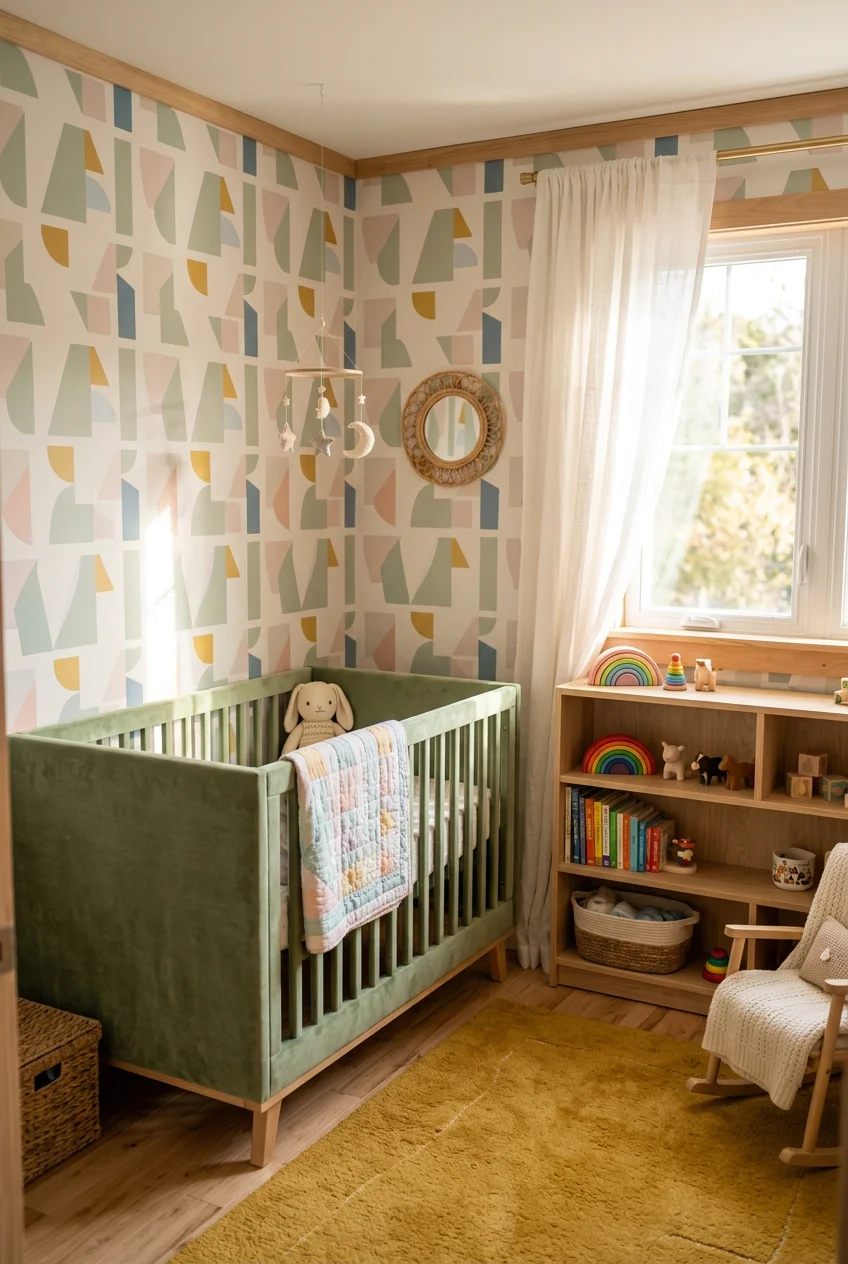
What’s Inside
- Embrace Strategic Color with a Neutral Base
- Invest in a Multi-Functional Mini Crib
- Optimize Storage with Under-Crib Drawers
- Choose a Washable 4×6 Rug for Comfort
- Layer Dimmable 2700K Lighting
- Ground the Space with Earthbound Neutrals
- Use Removable Wallpaper for Colourful Small Nursery Ideas
- Install Wall-Mounted Pegboards for Gear
- Choose a Narrow, Tall Dresser Profile
- Swap Bulky Bookcases for Floating Ledges
- Bring in Colourful Small Nursery Ideas with Bedding
- Utilize Woven Rattan Baskets for Toy Rotation
- Hang Blackout Curtains High and Wide
- Skip Heavy Framed Art for Fabric Decals
- Opt for a Compact, Armless Glider
- Maximize Closet Space with Double Hanging Rods
- Add Color with Wipeable Changing Pad Covers
Most folks cram a tiny room full of bright primary colors and wonder why the baby won’t sleep. Finding the right colorful small nursery ideas means balancing visual interest with actual rest. You’re dealing with maybe 100 square feet. It’s tight. The air feels stuffy, the walls close in, and a massive crib makes the door unable to open fully. Every single inch has to work hard. I’ve seen too many cramped rooms to ignore the basics. If you only try one idea from this list, make it #2. Here’s why: a massive standard crib eats the entire floor plan, leaving zero room for a glider or storage, which makes the whole space dysfunctional from day one.
Skip this list if your nursery is larger than 12×12 feet or if you’re hiring a custom cabinet maker for built-ins. These strategies are specifically engineered for tight, awkward floor plans where budget and square footage are the main constraints.
1. Embrace Strategic Color with a Neutral Base

Instead of painting all four walls in a loud, aggressive mustard yellow, start with a calming neutral base. Benjamin Moore’s Saybrook Sage (HC-114) or Sherwin-Williams’ Creamy (SW 7012) are excellent zero-VOC, Greenguard Gold certified options. A 1-gallon can of premium paint usually runs between $70 and $90. These shades bounce natural light around a cramped room instead of swallowing it whole. You introduce the vibrant hues later through textiles, window treatments, and smaller accessories. A common mistake is going too dark on the walls in a room that only has one tiny window. It makes the space feel like a closet. With a soft sage or creamy white, the room breathes. The paint goes on smooth, doesn’t leave that lingering chemical smell, and acts as a versatile backdrop. Best for: small dark rooms. The catch: neutral walls show smudges and sticky fingerprints much faster than darker colors, meaning you’re going to be wiping them down with a damp sponge frequently once your baby starts walking (I learned that the hard way).
2. Invest in a Multi-Functional Mini Crib

For small spaces, a standard crib is a massive footprint hog. You need something that scales. The Babyletto Yuzu 8-in-1 Convertible Crib transitions from a bassinet to a midi-size crib (measuring approximately 39.75” x 26” x 35”), then to a standard crib, toddler bed, and junior bed. It often comes with rolling casters for mobility. A more budget-friendly alternative is the Delta Children Classic Mini Crib, which typically starts around the $130 to $150 mark and eventually converts to a twin bed. The midi size is crucial here. It gives you back precious floor space for a rug or a small chair. The wood finish adds a warm, tactile element to the room. Most parents buy a massive sleigh crib and immediately regret it when they can’t open the closet door all the way. The catch: mini cribs require specific mini crib mattresses and fitted sheets, which means you won’t be able to use standard hand-me-down bedding from friends or family.
3. Optimize Storage with Under-Crib Drawers

When floor space is non-existent, you have to look down. Utilizing the 6-inch gap under the crib is a basic survival tactic for small nurseries. The Carter’s by daVinci Colby 4-in-1 Convertible Mini Crib features two large built-in drawers right at the base. This completely eliminates the need for a bulky standalone toy chest. You stash extra blankets, out-of-season clothes, and heavy sleep sacks down there. If you already have a crib, slide some low-profile rolling bins underneath. You can usually find sturdy canvas or plastic under-bed bins at Target in the $20 to $40 range. The visual clutter disappears, keeping the room looking clean and intentional. A major design mistake is leaving that under-crib space empty while stuffing the closet to the brim. The catch: floor-level drawers are dust magnets, so you’re required to vacuum out the tracks and wipe down the bins at least once a month to keep allergens away from the baby’s sleeping area.

Baby Closet Divider, Baby Wardrobe Organizer
Baby Closet Divider is sturdier in person than the photos suggest — over 371 buyers gave it 4.5 stars.
4. Choose a Washable 4×6 Rug for Comfort

Hardwood floors are loud. Every footstep echoes, which is the last thing you want when sneaking away from a sleeping infant. A soft, plush, washable rug from a brand like Lorena Canals adds crucial sound dampening and warmth. For a room under 8 square meters, a 120×180 cm (roughly 4×6 ft) rug placed just under the front legs of the crib anchors the space perfectly. These rugs usually sit in the mid-to-high price tier but save you money on professional cleaning. The texture is soft enough for tummy time, and the colorful patterns hide minor stains. People often buy cheap, stiff synthetic rugs that off-gas a terrible plastic smell for weeks. A cotton washable rug avoids that entirely. Best for: homes with kids or pets. The catch: washable rugs are inherently thinner and lack a stiff backing, meaning they’ll bunch up and slide around constantly unless you also purchase a high-quality, thick rug pad to anchor it.
5. Layer Dimmable 2700K Lighting

Overhead builder-grade lighting is harsh and casts terrible shadows. Layered lighting is mandatory. Start with a safe, dimmable central ceiling fixture—like a flush mount or semi-flush design—so it stays completely out of reach. Then, supplement with soft wall sconces for 2 AM check-ins and an adjustable task lamp right by the changing table. You want bulbs with a warm color temperature, specifically in the 2700K to 3000K range. This mimics sunset and tells the baby’s brain it’s time to sleep. Anything over 3500K looks like a dentist’s office and disrupts melatonin production. You can find decent plug-in wall sconces at IKEA in the budget range. The warm glow makes the colorful accents in the room look rich and inviting rather than flat and washed out. The catch: installing hardwired dimmers and sconces requires basic electrical knowledge or hiring a professional, which instantly adds a couple hundred dollars to your room budget.
6. Ground the Space with Earthbound Neutrals

Bright neon colors cause visual fatigue. Instead, lean into earthy tones like terracotta, warm ochre, and mushroom taupe. These shades provide plenty of color without screaming at you. Pair these tones with natural materials like a light FSC-certified wood dresser, rattan accessory baskets, and organic cotton curtains. This creates a grounded environment. The textures matter here. The rough weave of a jute basket against the smooth finish of a wooden crib adds depth to a tiny room. You can find gorgeous terracotta-colored linen curtains at West Elm in the mid-range price bracket. This approach gives the room a sophisticated edge that doesn’t feel overly babyish, meaning the design easily lasts into the toddler years. Best for: tight budgets, since you don’t need to constantly redecorate. The catch: natural materials like raw wood and untreated rattan are notoriously difficult to clean if baby food or diaper cream gets smeared into the porous grain. You might also like: 16 Purple Nursery Ideas Worth Trying

Criusia Drawer Organizer Clothes
If you want something that just works, Criusia Drawer Organizer Clothes is a safe bet (11 reviews, 4.5 stars).
7. Use Removable Wallpaper for Colourful Small Nursery Ideas

Permanent wallpaper is a massive commitment, especially in a small room where a heavy pattern can quickly become suffocating. Non-toxic, peel-and-stick wallpaper is the smarter route for adding a vibrant focal point. Instead of doing a whole wall, apply it to the ceiling or inside the closet for a hidden pop of color. Target offers some great peel-and-stick options in the $30 to $50 per roll range. A subtle 2-inch rainbow pattern in beige, brown, and sage adds personality without dominating the limited square footage. It feels smooth to the touch and wipes clean easily. Most people try to wallpaper a window wall and end up with messy cuts and peeling edges. Stick to a solid, flat accent area. The catch: peel-and-stick wallpaper requires perfectly smooth, flat walls to adhere properly; if you have heavy orange peel or popcorn texture, it’ll bubble and fall down within days. You might also like: 16 Toddler Boy Room Themes That Actually Work
8. Install Wall-Mounted Pegboards for Gear

When floor space is tight, the walls are your best friend. A wall-mounted pegboard is a highly functional way to store daily essentials while adding a customizable splash of color. The IKEA Skadis pegboard system is a classic, usually priced under $30 for the board itself. You hang it above the changing table to hold 4 oz bottles of lotion, thermometers, and burp cloths. You can paint the pegboard a bright ochre or soft terracotta before hanging it to tie into your room’s palette. The visual is neat, organized, and keeps dangerous items completely out of a toddler’s reach. It’s infinitely better than cluttering up the top of a dresser with plastic organizer bins that constantly get knocked over in the middle of the night. The catch: standard pegboard hooks are infamous for falling out when you grab an item quickly, requiring you to use zip-ties or specialized locking pegs to secure them firmly in place. You might also like: 16 Winnie The Pooh Nursery Ideas You Need to See
9. Choose a Narrow, Tall Dresser Profile

A wide, 60-inch double dresser is a luxury most small nurseries simply can’t accommodate. Instead, opt for a tall, narrow dresser to maximize vertical storage. You want something with a small footprint but deep drawers. Look for solid wood or high-quality MDF construction. A narrow 30-inch profile leaves enough wall space for a small glider or a laundry hamper. You can find solid options at Walmart or Wayfair in the budget to mid-range tier. Paint the wooden knobs a contrasting bright color to add a playful touch. The physical act of opening a smooth-gliding drawer with one hand while holding a baby in the other is a detail you’ll appreciate daily. Don’t buy a dresser with cheap plastic tracks; they won’t hold up under the weight of heavy winter clothes. The catch: tall dressers are a severe tipping hazard in a child’s room and absolutely must be anchored to a wall stud with heavy-duty metal brackets, not cheap plastic zip ties.

Criusia Over the Door Organizer
Criusia Over the Door Organizer is sturdier in person than the photos suggest — over 247 buyers gave it 4.5 stars.
10. Swap Bulky Bookcases for Floating Ledges

Traditional bookcases eat up at least a foot of floor depth and look incredibly heavy in a 10×10 room. Swap them out for slim, floating wall ledges. These keep books facing outward, which doubles as colorful wall art. You can find simple white or natural wood 24-inch ledges at Target for typically under $25 each. Mount them low enough for a toddler to reach eventually, or high up to display fragile keepsakes. The books add a rotating gallery of bright greens, blues, and reds, without requiring a permanent paint job. The room instantly feels wider because the floor area remains completely clear. Most people cram a heavy particle-board bookshelf in the corner and wonder why the room feels claustrophobic. Best for: renters. The catch: shallow picture ledges can only hold two or three books deep, meaning you’ll still need a secondary storage solution in a closet or bin for the bulk of your child’s library.
11. Bring in Colourful Small Nursery Ideas with Bedding

The easiest way to inject personality into a neutral room is through the crib sheets. Organic cotton fitted sheets in bright ochre, deep sage, or even a bold floral print instantly draw the eye. Pottery Barn Kids sells excellent organic cotton sheets in the mid-range price tier that hold their color through hundreds of hot water washes. They feel crisp and cool to the touch. When you use colorful bedding, you don’t have to commit to painting a wall or buying an expensive colored rug. You just swap the sheet. It’s a low-stakes design choice. Most people buy plain white sheets and then struggle to make the room look interesting. A vibrant sheet does the heavy lifting for you. The catch: brightly colored cotton sheets are prone to fading if exposed to direct sunlight every day, so you’ll need to keep the blinds drawn during peak afternoon sun to maintain the vibrant hue.
12. Utilize Woven Rattan Baskets for Toy Rotation

Plastic toy bins look cheap and visually clutter a small space. Woven rattan or water hyacinth baskets add a beautiful, natural texture while hiding the chaos of brightly colored plastic toys. You can usually score high-quality, large 14-inch woven baskets at HomeGoods or Marshalls for under $40. Use them to implement a toy rotation system. Keep one basket out with a few toys, and store the rest in the closet. The natural brown and tan tones of the rattan complement a sage green or creamy white wall perfectly. The room stays serene, and the baby doesn’t get overwhelmed by seeing fifty toys at once. It smells faintly of natural grass, adding to the biophilic vibe. The catch: the rough, woven edges of natural rattan baskets can snag delicate knit clothing or scratch a crawling baby’s knees if they rub against the side too aggressively.

Beautiful Wooden Baby Closet Dividers Set of 7
Beautiful Wooden Baby Closet Dividers Set of 7 – Double-Sided Organize has been one of the most consistently praised picks in this category. 11 reviewers averaged 4.5/5.
13. Hang Blackout Curtains High and Wide

Window treatments are critical for infant sleep, but they also offer a massive canvas for color. Hang heavy-duty blackout curtains as close to the ceiling as possible, and extend the rod a few inches past the window frame on each side. This creates the optical illusion of a much larger window and a taller ceiling. Crate & Kids offers fantastic 84-inch blackout panels with colorful pom-pom trims or bold color-blocked borders in the mid-to-high price range. The heavy fabric dampens street noise and blocks out the 5 AM sunrise. The mistake here is hanging a short, flimsy curtain right inside the window frame. It looks cheap and lets light leak in around the edges, ruining nap time. The catch: true, heavy blackout curtains are incredibly heavy, meaning you’ll need to drill heavy-duty anchors into the drywall to support the weight of the fabric.
14. Skip Heavy Framed Art for Fabric Decals

Hanging heavy glass frames over a crib is a major safety hazard, especially if you live in an earthquake zone or near train tracks. Instead, use high-quality fabric wall decals to create a colorful focal point. Brands on Etsy or Project Nursery sell beautiful, non-toxic fabric decals that look like hand-painted murals. A large floral or geometric set usually runs between $50 and $100. They add zero physical depth to the wall, preserving your space. The matte fabric finish looks high-end, unlike cheap, glossy vinyl stickers that reflect the overhead light. You can peel them off and move them around without damaging the paint. Best for: renters who can’t drill holes. The catch: large, intricate fabric decals require extreme patience to apply smoothly, and if they fold over and stick to themselves during installation, they’re nearly impossible to unstick without tearing the material.
15. Opt for a Compact, Armless Glider

A massive, overstuffed rocking chair will completely choke a small nursery. You need a compact glider with a slim profile. Look for models with narrow, straight armrests or even a sleek, armless design. You can find modern, space-saving gliders at West Elm or Wayfair in the mid-range tier. Choose a performance velvet or a stain-resistant weave in a rich color like navy or forest green to ground the room. The fabric should feel soft but durable against your skin. A compact 28-inch-wide glider allows you to actually walk around the crib without turning sideways. People buy giant recliners and then realize the door hits the footrest every time it opens. It’s a rookie mistake. The catch: compact gliders often have lower backrests, meaning taller parents won’t have adequate neck or head support during long, middle-of-the-night feeding sessions, which leads to stiff shoulders.
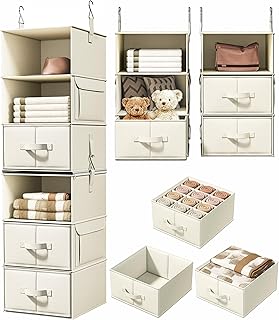
Vailando 6-Shelf Hanging Closet Organizer with 3 Drawers
Vailando 6-Shelf Hanging Closet Organizer with 3 Drawers punches above its price — 35 buyers rated it 4.5 stars. The kind of pick people reorder.
16. Maximize Closet Space with Double Hanging Rods

Baby clothes are tiny. Hanging them on a single, standard-height closet rod wastes three feet of empty space underneath. Install a second hanging rod halfway down. You can find adjustable metal closet rod extenders at The Container Store or Amazon for typically under $20. This instantly doubles your hanging capacity. Use the top rod for larger sizes and jackets, and the bottom rod for current onesies. Paint the inside of the closet a bright, surprising color like a warm 1/2 pint of mustard yellow or soft pink. Every time you open the door, you get a hit of color without it dominating the main room. It makes the closet feel like a designed space rather than an afterthought. The catch: adding a lower hanging rod completely eliminates your ability to store tall items like large diaper boxes or a full-size laundry hamper on the floor of the closet.
17. Add Color with Wipeable Changing Pad Covers

The changing table is a high-traffic zone. Instead of a standard foam pad with cloth covers that you have to wash daily, look into wipeable, solid-surface changing pads. While the Keekaroo Peanut is popular, you can find budget-friendly, colorful wipeable pads at Target or Walmart in the mid-range tier. They come in soft grays, blush pinks, and sage greens. The surface feels slightly rubbery and soft against the baby’s skin. If a blowout happens, you just wipe it down with a sanitizing wipe. No laundry required. It adds a sleek, modern block of color to the top of the dresser. It’s a massive time-saver compared to wrestling a fitted sheet onto a foam pad at 3 AM. Best for: beginners. The catch: these solid rubbery pads feel extremely cold to the touch during the winter months, which can easily startle a sleeping baby awake during a middle-of-the-night diaper change.
How we chose these ideas: I evaluated these nursery strategies based on renter-friendliness, overall cost, required effort, and maximum visual impact in tight square footage. The focus was heavily placed on space-saving functionality and non-permanent color applications that won’t require major renovations (trust me on this, it’s a lifesaver).
Designing a tiny nursery doesn’t mean you’re stuck with a boring, sterile white box. You just have to be strategic about where the color goes and how the furniture functions. I’d strongly suggest measuring your room twice before buying any crib or glider. Pin this list for later when you’re standing in the paint aisle trying to make a decision, and remember to keep the heavy furniture small and the colorful accents flexible.
Frequently Asked Questions
What are the best colourful small nursery ideas for renters?
Renters should focus on non-permanent solutions like peel-and-stick wallpaper, brightly colored organic cotton crib sheets, and fabric wall decals. These add significant color without damaging the walls or requiring a repainting fee when you move out.
How do I add color to a nursery without it being overstimulating?
Stick to a calming neutral base like creamy white or soft sage for the walls, and introduce earthy tones like terracotta and ochre through textiles and accessories. Avoid bright neon primary colors, which cause visual fatigue.
What size rug is best for a small nursery?
For a nursery under 8 square meters, a 120×180 cm (roughly 4×6 ft) washable rug is ideal. Place it just under the front legs of the crib to anchor the space without overwhelming the floor plan.
How can I maximize storage in a tiny baby room?
Utilize vertical space with wall-mounted pegboards and floating ledges. Additionally, take advantage of the 6-inch gap under the crib by using low-profile rolling bins or investing in a mini crib with built-in base drawers.
