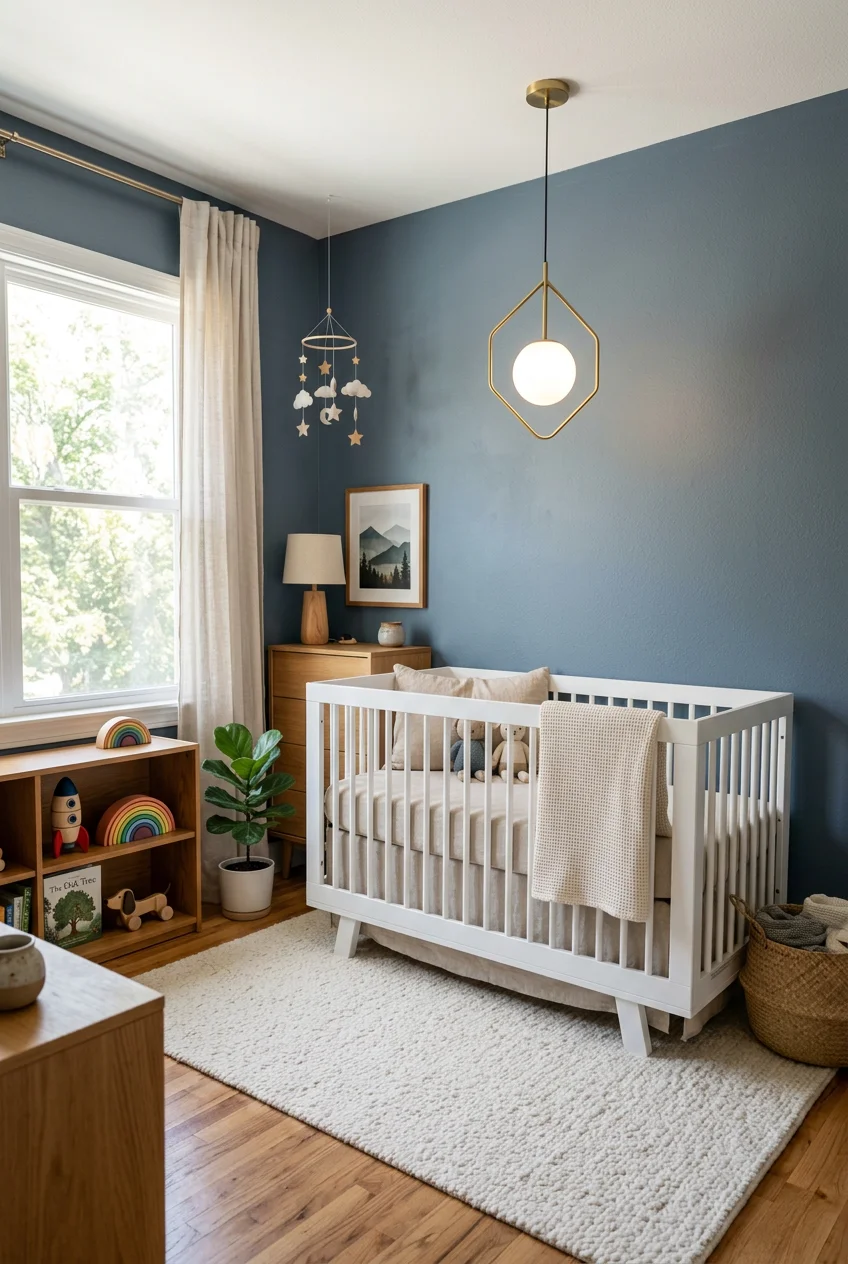
What’s Inside
- Embrace Muted, Earthy Blues for Walls
- Prioritize Zero-VOC, GREENGUARD Gold Paint
- Incorporate Biophilic Design Elements
- Invest in a Convertible, GREENGUARD Gold Crib
- Select Neutral, Multi-Functional Furniture
- Layer Textures for Depth and Warmth
- Choose Nature-Inspired Art Prints
- Install Blackout Curtains for Optimal Sleep
- Utilize a Smart Sound Machine Strategically
- Avoid Crib Clutter for Safety
- Consider Wallpaper Drenching for an Immersive Feel
- Opt for Easy-to-Clean Materials
- Integrate a Portable Growth Chart as Decor
- Don’t Overlook the Ceiling
- Future-Proof with a Japandi Aesthetic
- Install Layered Lighting with Amber Bulbs
- Use Soft, Washable Storage Baskets
- Pick a Performance Fabric Glider
Most folks start a nursery by splashing the walls with loud, chalky pastels, then wonder why the room feels like a pediatric waiting area. Nailing a blue gender-neutral nursery takes restraint. Especially when you’re factoring in the mountain of plastic gear that inevitably invades the space. You need a foundation that feels calming, practical, and highly functional for those brutal 3 AM wakeups. The goal isn’t just a pretty room. It’s a highly efficient sleep environment that won’t assault your senses. If you only try one idea from this list, make it #9. Here’s why: sleep is the only currency that matters for new parents, and proper acoustic control is non-negotiable. Trust me on this.
Skip this list if you’re renting a space with strict “no painting or wallpaper” clauses and a landlord who inspects monthly. These ideas rely on altering the room’s visual footprint through color drenching and wall treatments. If you’re stuck with landlord-special beige walls and can’t change them, focus purely on the furniture and textile tips instead.
1. Embrace Muted, Earthy Blues for Walls

Most parents default to a bright baby blue and regret it when the room looks like a cartoon. To nail a blue gender-neutral nursery, you need a sophisticated, muted shade. Benjamin Moore’s Misty Blue (820) is a soft, calming hue that pairs beautifully with natural wood tones. If you want something cooler, Sherwin-Williams’ Bathe Blue (6771) offers a refreshing, tranquil backdrop. These earthy blues provide a peaceful canvas without leaning masculine or feminine. You can grab a few sample pots at your local hardware store and test them on different walls. The way morning light hits these shades changes their depth. The catch: these muted, gray-leaning blues can look dreary in north-facing rooms that lack direct sunlight. You’ll need to compensate with warm artificial lighting to keep the space from feeling like a cave.
2. Prioritize Zero-VOC, GREENGUARD Gold Paint

Best for: beginners.
Standard paints off-gas chemicals for months after drying. For a baby’s health, choosing paints with zero volatile organic compounds (VOCs) and GREENGUARD Gold certification is a baseline requirement, not a luxury. Brands like Benjamin Moore and Sherwin-Williams offer these formulations. Infants spend 14 to 18 hours daily in their nursery, breathing that air. You can pick up basic painting supplies at Walmart, but don’t cheap out on the paint itself. The sharp, chemical smell of fresh paint might signal a finished project to you, but it signals poor indoor air quality for a newborn. The catch: zero-VOC paints typically cost significantly more per gallon and often require an extra coat to achieve full, opaque coverage over dark walls.
3. Incorporate Biophilic Design Elements

Biophilic design brings nature indoors to reduce stress. Integrate natural materials like a rattan changing basket. The Little Market makes a handwoven rattan changing basket that typically runs $80 to $120. Pair this with a natural bamboo mobile hanging above the crib. Adding live plants is another simple tactic. A small, non-toxic Pothos or Spider Plant from Sprouts or a local nursery can improve air quality and add a pop of organic green against the blue walls. The visual texture of natural woven fibers breaks up the monotony of flat painted drywall. The catch: rattan changing baskets have rough, woven edges that can easily snag delicate knit baby clothes or scratch a squirming infant if they aren’t lined with a thick, protective pad.
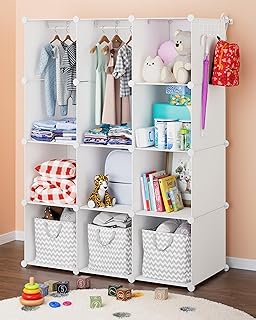
CUBEDIY Baby Closet Organizer for Nursery: Durable Baby
CUBEDIY Baby Closet Organizer for Nursery: Durable Baby Wardrobe for C is sturdier in person than the photos suggest — over 342 buyers gave it 4.5 stars.
4. Invest in a Convertible, GREENGUARD Gold Crib

A crib is the largest physical footprint in the room. Choose a crib that grows with your child, converting from an infant crib to a toddler bed and even a daybed. Brands like Oeuf and Babyletto offer stylish, safe options that anchor a room perfectly. The Oeuf Classic Crib ranges from $860 to $1,120 and holds a GREENGUARD Gold certification. Babyletto’s Hudson 3-in-1 Convertible Crib is a mid-range alternative priced around $499. Natural pale oak or solid white finishes work best against blue walls, keeping the space bright and airy. The catch: the toddler bed conversion kits for these specific cribs are almost always sold separately, and parents often find them out of stock by the time their child is ready to transition two years later.
5. Select Neutral, Multi-Functional Furniture

Best for: tight budgets.
Skip the dedicated changing table. They’re a massive waste of money and become useless after 18 months. Instead, opt for a wide, mid-century modern dresser from a store like Crate & Kids or Pottery Barn Kids. Top it with a removable changing pad like the Newton Baby Waterproof Changing Pad, which usually costs around $80. This setup serves as a functional changing station now and a long-term clothing storage solution for the next decade. Keep the dresser finish neutral in white, natural wood, or classic black to contrast with the blue walls. The catch: standard dressers are significantly deeper and wider than dedicated changing tables, meaning they eat up a lot more floor space in cramped, smaller nurseries.
6. Layer Textures for Depth and Warmth

A room painted entirely in muted blue can quickly feel cold and sterile if you don’t layer textures. You need physical depth to make the space inviting. Drape a thick, chunky knit blanket from West Elm over the back of the nursing chair. Place a soft, organic cotton rug on the floor. A 5×7 foot washable rug from Lorena Canals typically runs $200 to $400 and adds immediate softness underfoot for late-night pacing. Hang heavy linen curtains to soften the hard edges of the window frames. The contrast between smooth painted walls, rough linen, and soft cotton creates a sensory-rich environment. The catch: heavily textured items like chunky knits and woven cotton rugs attract and trap pet hair instantly, requiring constant vacuuming and lint-rolling. You might also like: 20 Stunning Layout Small Nursery Ideas That Are Totally Worth It

Criusia Over the Door Organizer
Criusia Over the Door Organizer has been one of the most consistently praised picks in this category. 336 reviewers averaged 4.5/5.
7. Choose Nature-Inspired Art Prints

Instead of gender-specific themes or aggressive cartoon characters, decorate with gender-neutral art featuring woodland animals, minimalist safari creatures, or abstract nature scenes. Look for sets of three or four cohesive prints. Brands like My Tommy Prints or Daisy and Bump offer muted tones and whimsical designs that typically cost $15 to $75 per print. Hang them in simple, thin oak frames above the dresser to draw the eye upward and break up the blue wall space. The subtle greens and browns in nature prints complement earthy blues perfectly. The catch: buying the prints is cheap, but custom framing odd-sized art pieces to make them look high-end will quickly drain your nursery budget. You might also like: 16 Toddler Room Ideas You Need to See
8. Install Blackout Curtains for Optimal Sleep

Best for: small dark rooms.
Blackout curtains are essential for establishing healthy sleep patterns. They help babies distinguish between day and night. Choose a neutral cream or soft gray color that complements your blue palette, or simply add blackout liners to existing decorative curtains. Ensure the panels cover the window completely, extending at least four inches past the window frame on all sides to block out 99% of external light. You can find highly effective, budget-friendly blackout panels at Target. Complete darkness signals to the infant’s brain that it’s time to produce melatonin. The catch: true blackout curtains make the room pitch black, which easily disorients sleep-deprived parents trying to navigate around a crib during a 3 AM feeding without tripping over a rug. You might also like: 15 Whimsical Nursery Ideas That Actually Work
9. Utilize a Smart Sound Machine Strategically

An expert tip from the AAP is to use a quiet infant sleep machine to mask environmental noises and promote sleep. The Hatch Rest, priced around $60 to $130, is a highly functional option that combines a sound machine, a customizable nightlight, and a time-to-rise function for the toddler years. Position the sound machine at least 7 feet away from the crib. Keep the volume strictly below 50 decibels, which is roughly the level of a quiet conversation. This creates a consistent auditory environment that drowns out the dog barking or doors closing. The catch: smart sound machines require a dedicated wall outlet and a stable Wi-Fi connection, meaning they become useless paperweights during a neighborhood power outage.

Criusia Drawer Organizer Clothes
A dependable everyday pick — Criusia Drawer Organizer Clothes pulls in 12 ratings at 4.5 stars. Not flashy, just solid.
10. Avoid Crib Clutter for Safety

A common mistake is treating the inside of the crib like a decorative display case. Until your baby turns one, keep all stuffed animals, decorative pillows, loose blankets, and padded crib bumpers entirely out of the crib to prevent severe suffocation hazards. Focus solely on a firm mattress and a tight, fitted sheet. An organic cotton crib sheet from Burt’s Bees Baby costs around $20 to $30 and provides a soft, breathable surface. Let the blue walls and textured rugs do the heavy lifting for the room’s aesthetic. The catch: a completely bare crib looks incredibly stark and boring for the first year, which often disappoints parents wanting a magazine-perfect nursery photo. I learned that the hard way.
11. Consider Wallpaper Drenching for an Immersive Feel

Best for: renters.
Wallpaper drenching is a highly effective approach where you cover an entire room, sometimes including the ceiling, in a subtle wallpaper pattern. Cloud patterns, soft geometrics, or botanical prints in muted blues or grays create a calming, immersive environment that paint alone can’t achieve. Removable peel-and-stick options from brands like Spoonflower or Chasing Paper typically run $50 to $100 per roll and offer great flexibility for changing tastes. It wraps the room in a continuous, soothing visual texture. The catch: peel-and-stick wallpaper is notoriously unforgiving during installation, and if your walls have any heavy texture, the adhesive won’t hold properly and the seams will start peeling within weeks.
12. Opt for Easy-to-Clean Materials

Life with a newborn involves bodily fluids ruining nice things daily. Choose items that are simple to sanitize. Select a 100% washable crib mattress. The Newton Baby Crib Mattress falls in the $300 to $400 range and allows you to wash the entire core in the shower. Pair this with a waterproof, machine-washable mattress pad. Look for low-pile rugs that are easy to spot-clean and furniture surfaces that can be wiped down with a damp cloth in seconds. Practicality must overrule aesthetics when dealing with baby gear. The catch: fully washable mattress cores are made from a woven polymer material that is surprisingly heavy and awkward to maneuver out of the crib frame during an emergency midnight sheet change.

Beautiful Wooden Baby Closet Dividers Set of 7
If you want something that just works, Beautiful Wooden Baby Closet Dividers Set of 7 – Double-Sided Organize is a safe bet (11 reviews, 4.5 stars).
13. Integrate a Portable Growth Chart as Decor

Marking a child’s height on a doorframe is a classic tradition, but it ruins the paint and stays behind when you move. A wooden or heavy canvas growth chart is a practical decor choice that solves this. Brands like Wee Gallery or The Land of Nod offer beautiful, minimalist options typically ranging from $40 to $80. Hang it on a narrow wall space to add vertical visual interest to the room. It acts as functional art and becomes a cherished, portable keepsake. The catch: solid wooden growth charts are heavy and require heavy-duty drywall anchors and screws to mount safely, meaning you can’t just slap them up with basic adhesive strips.
14. Don’t Overlook the Ceiling

Most people leave the ceiling flat white and miss a massive design opportunity. Treat the ceiling as the “fifth wall” of the nursery. A baby spends the vast majority of their time flat on their back staring straight up. A soft blue paint color, a subtle wallpaper pattern, or high-quality glow-in-the-dark star decals provide necessary visual interest for your baby during tummy time and while lying in the crib. It draws the eye up and makes the room feel taller and more cohesive. The catch: painting or wallpapering a ceiling is physically exhausting, messy work that requires a sturdy ladder and significantly more time than treating a standard vertical wall.
15. Future-Proof with a Japandi Aesthetic

For a blue gender-neutral nursery that grows gracefully, lean into a Japandi aesthetic. This style combines Japanese wabi-sabi minimalism with functional Scandinavian design. Use low-profile furniture in pale oak or solid ash. Stick to a palette of warm off-whites, stone, and the muted blue walls. Implement thoughtful, hidden storage solutions to keep the inevitable plastic clutter out of sight. This aesthetic promotes a calm, uncluttered space that prevents visual overstimulation for a developing baby’s senses. It feels intentional and grounded. The catch: low-profile minimalist furniture naturally provides significantly less hidden storage space underneath, forcing you to find alternative closet solutions for bulky items like diaper boxes and outgrown clothes.

StorageWorks Hanging Closet Organizer with Metal Rod
StorageWorks Hanging Closet Organizer with Metal Rod punches above its price — 18 buyers rated it 4.5 stars. The kind of pick people reorder.
16. Install Layered Lighting with Amber Bulbs

Best for: homes with kids or pets.
Overhead lighting is universally harsh and aggressive. A nursery requires layered lighting to function properly at all hours. Install a basic dimmer switch from Home Depot for the main overhead fixture. Then, add a small table lamp on the dresser equipped with a 40-watt amber bulb. Amber light provides enough visibility for a 2 AM diaper change without signaling to the baby’s brain that it’s daytime. It keeps the room feeling warm and sleepy, contrasting nicely with the cool blue walls. The catch: amber light heavily distorts paint colors, often making beautiful muted blue walls look slightly green or muddy yellow during the late-night hours.
17. Use Soft, Washable Storage Baskets

Hard plastic storage bins look cheap and crack easily. To maintain a cozy environment, use soft, washable storage baskets for toys, blankets, and laundry. Target sells excellent thick rope baskets, and you can often find large felt bins at Costco for under $50. Place them in the corners of the room or slide them onto open closet shelves. The soft textures absorb sound and add to the room’s overall warmth, while keeping daily clutter contained and easily accessible with one hand. The catch: soft rope and felt baskets inevitably lose their rigid shape over time, especially if you consistently overfill them with heavy books or tightly packed laundry.
18. Pick a Performance Fabric Glider

You’ll spend hundreds of hours sitting in the nursery glider. It needs to be wide, supportive, and completely stain-resistant. Choose a chair upholstered in a performance fabric. Pottery Barn Kids offers gliders in performance boucle and treated velvet that easily wipe clean. Look for a chair that’s at least 36 inches wide to accommodate a nursing pillow and a squirming infant comfortably. A light cream or soft gray glider pops beautifully against dark blue walls. The catch: high-end performance fabrics are treated with heavy chemical stain repellents, which often makes the material feel noticeably stiffer and less cozy than untreated, natural linen or cotton.
How we chose these ideas: The criteria for this list prioritized renter-friendliness, long-term cost efficiency, and practical daily effort. Visual impact matters, but a nursery must function flawlessly at 3 AM, so every recommendation balances aesthetic appeal with strict safety and maintenance standards.
Wrapping up, building a serene space doesn’t require a massive budget, just intentional choices regarding color, acoustics, and storage. Stick to muted tones and prioritize items that serve multiple functions. Pin this list for your next late-night scrolling session when you’re finalizing your layout and ordering those final pieces. No exaggeration, it took me years to figure out how to balance style and sanity.
Frequently Asked Questions
What is the best blue paint color for a gender neutral nursery?
Muted, earthy blues work best as they provide a calming backdrop without feeling overly bright. Benjamin Moore’s Misty Blue (820) and Sherwin-Williams’ Bathe Blue (6771) are excellent choices that pair well with natural wood and white furniture.
How do I make a blue nursery feel warm instead of cold?
Layer heavy textures throughout the room. Use chunky knit blankets, soft washable cotton rugs, and linen curtains. Incorporating natural wood furniture and woven rattan accessories also adds visual warmth to cool blue walls.
What kind of lighting is best for a nursery?
Layered lighting is essential. Use a dimmer on the main overhead light, and place a small lamp with a 40-watt amber bulb near the changing station. Amber light provides visibility for night wakeups without disrupting the baby’s sleep cycle.
Are changing tables necessary for a nursery?
No, dedicated changing tables are a poor long-term investment. A wide, mid-century modern dresser topped with a waterproof changing pad is a much better option. It serves as a changing station now and provides clothing storage for years.
