What’s Inside
- Embrace Earthy Color Palettes for a Modern Baby Boy Themes Nursery
- Prioritize Non-Toxic, Low-VOC Paints for Better Air Quality
- Invest in a GREENGUARD Gold Certified Crib and Mattress
- Choose a Versatile Glider with Stain-Resistant Fabric
- Opt for a Changing Table that Doubles as a Dresser
- Implement Strategic Storage Solutions to Combat Clutter
- Select a Washable Nursery Rug that is Appropriately Sized
- Incorporate Layered Textures and Natural Materials
- Design a Modern Woodland Baby Boy Themes Nursery
- Utilize Wallpaper for a Strategic Accent Wall
- Choose Dimmable Lighting and Multiple Light Sources
- Avoid Over-Decorating and Prioritize Functionality
- Secure All Furniture to the Wall to Prevent Tipping
- Position the Crib Safely Away from Windows and Cords
- Consider a Ceiling-Mounted Mobile for Enhanced Safety
- Install True Blackout Curtains for Better Daytime Naps
- Organize Tiny Clothes with Rigid Drawer Dividers
- Execute a Subtle Space Explorer Theme Without the Cheese
- Hide a Reliable Sound Machine on a High Shelf
- Display Books with Low-Profile Wall Shelves
When I designed my first son’s room in 2018, I painted the entire space a blindingly bright turquoise and bought a rigid wooden rocking chair that left my tailbone bruised for six months. Learned that the hard way. Figuring out baby boy themes nursery designs shouldn’t result in physical pain and a room that gives you a headache every time you walk in. I spent months staring at perfectly styled photos before realizing most of those pristine rooms aren’t actually functional for a crying infant at three in the morning. I tried doing the generic pastel blue thing for a while, but it felt cold and sterile, like a doctor’s waiting room. I’m sharing the exact strategies I use when consulting on nursery designs. I’ve learned these lessons the hard way, usually at two in the morning while tripping over a plastic toy. Let’s walk through twenty specific, factual, and practical ways to build a room that actually works for you and your baby.
1. Embrace Earthy Color Palettes for a Modern Baby Boy Themes Nursery

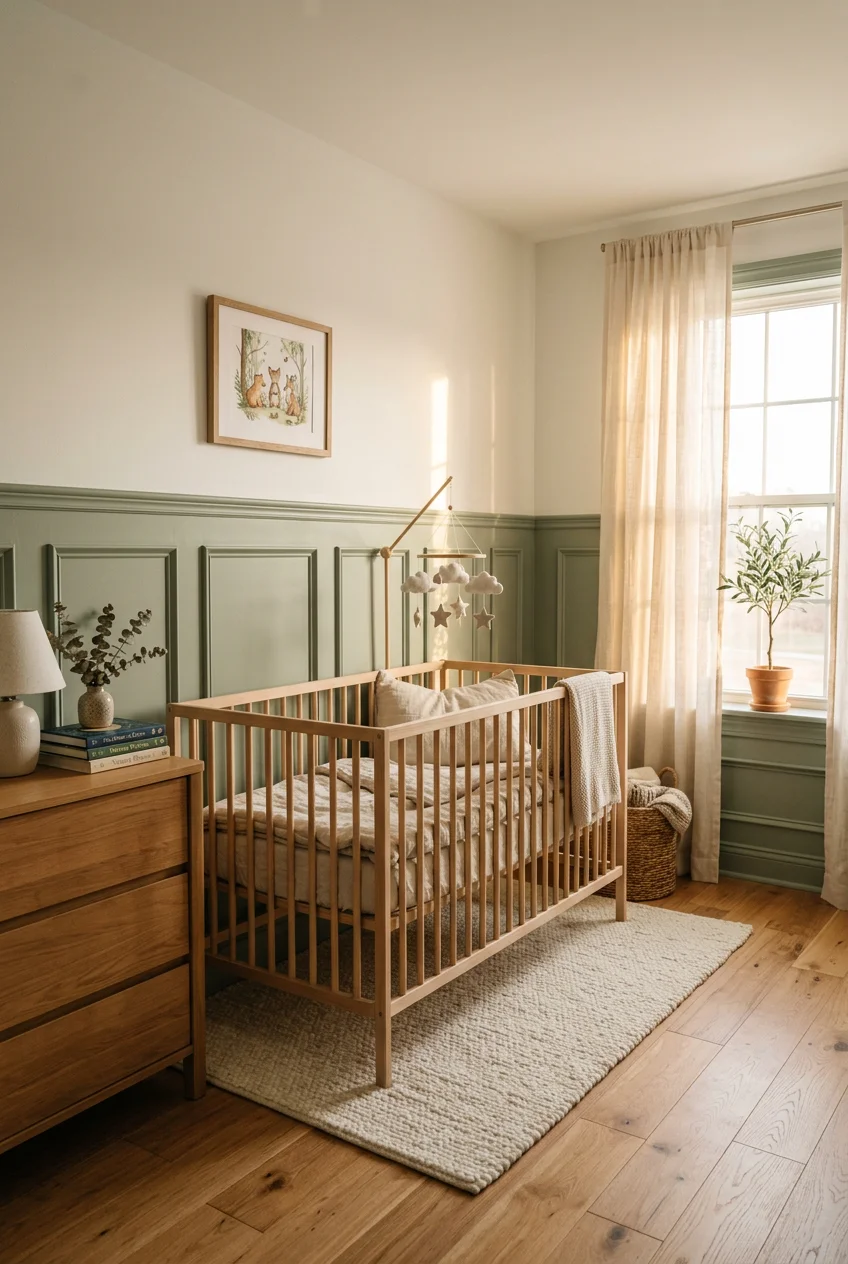
Move beyond stark neutrals and traditional baby blues by opting for warm, earthy tones like sage green, terracotta, slate blue, mustard, cocoa brown, or muted olive. These colors create a grounding, calm environment that doesn’t overstimulate a tired baby. I’ve used Benjamin Moore’s Saybrook Sage HC-114 in three different client homes this year. It costs about $75 per gallon and provides a calming, nature-inspired green that works exceptionally well in both north and south-facing rooms due to its subtle gray undertone. The gray keeps the green from looking like a neon lime when the afternoon sun hits the walls. You want the room to feel like a quiet forest, not a brightly lit candy store. If you’re nervous about dark colors, start by painting just the bottom half of the wall and adding a simple white chair rail to break up the visual weight.
2. Prioritize Non-Toxic, Low-VOC Paints for Better Air Quality

When selecting paint, always choose options with low or zero volatile organic compounds to ensure better indoor air quality for your baby. Babies spend up to sixteen hours a day sleeping in this room, so the air they breathe matters. Brands like ECOS Paints, specifically their Lullaby collection at $85 per gallon, and Benjamin Moore’s Eco Spec line offer excellent non-toxic options that don’t smell like a chemical factory. Cornish Milk Mineral Paint is another option I’ve tested with extremely low natural VOC content at just nine grams per liter. I once painted a small closet with standard high-gloss paint and the chemical smell lingered for three weeks. Don’t make that mistake in a room where an infant sleeps. The slight upcharge for premium low-VOC paint pays for itself in peace of mind and breathable air.
3. Invest in a GREENGUARD Gold Certified Crib and Mattress

Ensure the crib and mattress meet stringent safety standards regarding chemical off-gassing. Many brands offer GREENGUARD Gold certified cribs, meaning they have low chemical emissions. I bought the Babyletto Hudson 3-In-1 Convertible Crib at Target for $399, and it held up beautifully through two kids. A standard crib mattress should measure exactly between 27 1/4 inches and 28 inches wide by 51 5/8 inches and 52 3/8 inches long, with a maximum thickness of six inches. These strict measurements prevent dangerous entrapment and suffocation risks between the mattress and the crib slats. Don’t buy a used mattress from a garage sale just to save fifty bucks. The structural integrity breaks down over time, and you can’t verify how it was stored or if it meets current safety regulations.

Mr. Pen- Baby Diaper Caddy Organizer, Gray, Medium
A dependable everyday pick — Mr. Pen- Baby Diaper Caddy Organizer pulls in 4 ratings at 4.5 stars. Not flashy, just solid.
4. Choose a Versatile Glider with Stain-Resistant Fabric

A comfortable glider is essential for feeding and soothing. Look for models with features like recline, swivel, and easy-to-clean, stain-resistant performance fabrics. As I mentioned earlier, I bought a cheap vintage wooden rocker at a flea market for my first baby. It was a huge mistake that wrecked my posture. I eventually upgraded to the Nurture& The Glider Plus, which runs around $1099. It features a motorized recline and a built-in USB charging port. The Babyletto Kiwi Electronic Recliner at $799 is another solid option I’ve tested. You’ll spend hundreds of hours in this chair, often covered in spit-up or spilled milk. The performance fabric means you can wipe away a 4 AM milk spill with a damp cloth instead of paying for professional upholstery cleaning.
5. Opt for a Changing Table that Doubles as a Dresser

To avoid overcrowding the room and ensure the furniture grows with your child, select a changing table that converts into a standard dresser. The Pottery Barn Kids Kendall 7-Drawer Dresser And Topper Set costs $899 and provides massive amounts of storage. Once your child is potty trained, you just unscrew the wooden topper and you’re left with a beautiful piece of furniture they can use until high school. The Storkcraft Modern Convertible Baby Changing Table is a budget-friendly alternative around $180 that also offers removable tops. I’ve seen too many parents buy flimsy, open-shelf changing tables that just become a chaotic dumping ground for half-empty lotion bottles and loose diapers. Drawers hide the mess and keep the room looking intentional rather than cluttered.
6. Implement Strategic Storage Solutions to Combat Clutter

Babies come with a surprising amount of tiny, easily lost items. Utilize versatile storage like the IKEA KALLAX cube storage units. At $45 for a four-cube unit, they can be laid sideways to prevent tipping and used with bins for clothes or toys. I use Pehr canvas storage containers, which cost $36 each and fit standard cube bookcases perfectly. They hold their shape well when you’re stuffing them full of bulky winter blankets or wooden blocks. Last Tuesday at Whole Foods, I saw a mom wrestling with a cheap plastic bin that cracked right in her hands. Skip the brittle plastic. Canvas bins are flexible, forgiving, and don’t shatter when a toddler eventually throws them across the room. I also highly recommend rod dividers from The Container Store’s Elfa systems for organizing tiny clothes by size.

Parker Baby Diaper Caddy
Parker Baby Diaper Caddy – Nursery Storage Bin and Car Organizer for D has been one of the most consistently praised picks in this category. 171 reviewers averaged 4.5/5.
7. Select a Washable Nursery Rug that is Appropriately Sized

A rug adds warmth and provides a soft surface for eventual tummy time. For a standard 100-square-foot nursery, a 5×7 foot rectangular rug is usually ideal, providing coverage under the crib and changing table without overwhelming the floor space. I bought a dry-clean-only wool rug for my second son’s room. He immediately spit up a massive amount of formula on it, ruining a $400 investment. I replaced it with a Ruggable Kamran Hazel Washable Rug for $219. When it gets dirty, you just peel off the top layer and shove it in your washing machine. The 5×7 size connects the central furniture pieces visually. Don’t buy a tiny 3×5 rug and float it in the middle of the room. It makes the space look disjointed and smaller than it actually is. You might also like: 15 Inspiring Rustic Nursery Room Ideas to Inspire Your Next Project
8. Incorporate Layered Textures and Natural Materials


Layered textures and natural materials like bouclé fabrics, rattan, woven baskets, and natural wood accents create a soothing environment that feels collected rather than purchased all at once from a catalog. I installed a Target Opalhouse Rattan Pendant Light for $70 in a client’s room last month. The woven material casts beautiful, interesting shadow patterns on the ceiling at night, adding a subtle whimsical touch without requiring loud colors. You can mix a soft sheepskin throw over the back of the glider with a chunky knit cotton blanket folded over the crib railing. These tactile elements give the room depth. Avoid buying matching furniture sets where the crib, dresser, and side table are all the exact same shade of painted gray wood. It feels flat and uninspired. You might also like: 20 Creative Crib Bedding Ideas to Transform Your Space
9. Design a Modern Woodland Baby Boy Themes Nursery

Avoid overly specific themes that a child will quickly outgrow in two years. Instead, choose themes and decor that can evolve, such as a modern woodland theme. You can execute this with abstract tree forms, muted forest palettes, and high-quality wooden furniture. I bought the West Elm Kids Mid-Century Bookcase for $499 because its acorn wood finish fits the woodland vibe but looks sophisticated enough for a teenager’s room later. You don’t need cartoon bears painted on every wall. Instead, use a deep forest green paint, floating natural oak shelves, and framed vintage botanical prints. The goal is to select anchor pieces that feel at home in the rest of your house. If you wouldn’t put the dresser in your own bedroom, don’t put it in the nursery. You might also like: 20 Stunning Layout Small Nursery Ideas That Are Totally Worth It

PeraBella Diaper Caddy Organizer for Changing Table
Honestly, PeraBella Diaper Caddy Organizer for Changing Table surprised me — sturdier than it looks in the photos, and over 2 buyers gave it 4.5 stars.
10. Utilize Wallpaper for a Strategic Accent Wall

Wallpaper adds incredible texture and interest, but you should consider using it on a single accent wall to add depth without overwhelming the space. I once wallpapered an entire 10×10 nursery in a busy geometric print, and it made the room feel incredibly claustrophobic. I ended up peeling three walls of it down just a week later. Now, I stick to one focal wall, usually behind the crib. Spoonflower offers fantastic Peel and Stick Wallpaper for about $35 a roll. For a subtle theme, a wallpaper with a delicate flora and fauna pattern or simple birch tree illustrations works beautifully. Peel-and-stick options are incredibly forgiving if you make a mistake during installation, and they won’t destroy your drywall when you decide to change the room’s look five years down the road.
11. Choose Dimmable Lighting and Multiple Light Sources

A well-lit nursery needs both bright overhead lighting for tasks like cleaning up blowouts and ambient lighting for soothing a tired baby. Install a dimmer switch on your main light fixture immediately. I didn’t have one with my first baby, and turning on the bright ceiling light at 2 AM woke him up completely, turning a twenty-minute feed into a two-hour ordeal. Incorporate wall sconces for a softer glow. I use the Crate & Kids Scalloped Wall Sconces, which cost $129. I pair them with 2700K warm-white LED bulbs. This specific color temperature mimics a sunset and encourages melatonin production. A harsh, cool-toned 4000K bulb will signal to your baby’s brain that it’s daytime. Keep the lighting warm, low, and strictly controlled during night shifts.
12. Avoid Over-Decorating and Prioritize Functionality

A common mistake I see constantly is overcrowding the nursery with too many decorative items or choosing furniture based solely on aesthetics. Focus on the essential pieces first: a safe crib, a changing unit with deep drawers, and a comfortable chair. Everything else is secondary. I bought a beautiful, intricate wicker side table that looked amazing but had no storage and tipped over easily. I replaced it with a heavy wooden stool that could actually hold a bottle of water and my phone securely. Also, invest in a functional trash system. The Ubbi Steel Odor Locking Diaper Pail costs $79.99 and uses standard kitchen trash bags instead of expensive proprietary refills. The steel construction traps odors way better than porous plastic pails. Everything in the room must earn its spot through daily utility.

Modanais Baby Diaper Caddy Organizer Cart
Modanais Baby Diaper Caddy Organizer Cart – 3 Tier Rolling Cart with D punches above its price — 635 buyers rated it 4.5 stars. I would buy it again.
13. Secure All Furniture to the Wall to Prevent Tipping

This is a critical safety step you simply can’t skip. Anchor all dressers, bookshelves, and other tall furniture to the wall using heavy-duty anti-tip kits. Once your baby starts pulling up and climbing around nine months old, a heavy dresser with open drawers becomes a massive tipping hazard. I use the Safety 1st Furniture Wall Straps, which you can grab at Walmart for $14.99 for an eight-pack. They take ten minutes to install with a standard drill. I’ve heard too many terrifying stories from clients who thought their solid oak dresser was too heavy for a toddler to pull down. The physics of open drawers change the center of gravity entirely. Don’t wait until they start crawling to install these. Do it while you’re assembling the furniture.
14. Position the Crib Safely Away from Windows and Cords

Never place the crib directly under a window, near baseboard heaters, or where cords from blinds or baby monitors are accessible. I initially set up a crib right next to a beautiful bay window, only to realize the draft made the baby freezing cold at night, and the morning sun woke him up at 5 AM. Move the crib to an interior wall if possible. If you have window blinds with cords, install CordSafe Blind Cleats for $6.99 to wrap the cords tightly out of reach. Additionally, avoid hanging heavy framed artwork or bulky wooden shelves directly above the crib. If you live in an earthquake zone, or if a door slams hard enough, those heavy items can fall directly into the crib. Stick to lightweight canvas art or soft fabric tapestries over the sleeping area.
15. Consider a Ceiling-Mounted Mobile for Enhanced Safety

While plastic crib-mounted mobiles are cheap and common, a ceiling-mounted mobile provides added security against falling and completely removes the risk of a growing baby pulling it down and getting tangled in the strings. I use the Crane Baby Celestial Mobile, which costs $45. It hangs securely from a ceiling hook well out of reach. When selecting a mobile, look for high-contrast colors like black, white, and deep primary hues. A newborn’s vision is blurry, and they can’t distinguish soft pastel colors from a distance. The stark contrast of dark shapes against a light ceiling engages their developing optic nerves much better than a pale yellow stuffed bear. Just ensure you use a proper drywall anchor when screwing the hook into the ceiling.

Criusia Drawer Organizer Clothes
Honestly, Criusia Drawer Organizer Clothes surprised me — sturdier than it looks in the photos, and over 1 buyers gave it 4.5 stars.
16. Install True Blackout Curtains for Better Daytime Naps

You won’t get a baby to nap at noon in July if the room is flooded with sunlight. Flimsy cotton curtains won’t cut it. I rely on the Pottery Barn Kids Evelyn Blackout Panels, which run about $89 per panel. They have a thick, heavy lining that blocks out light entirely. To maximize their effectiveness, install a wrap-around curtain rod that curves back into the wall. This prevents that annoying halo of bright light from leaking out the sides of the window frame. I tried cheaping out with paper blackout shades taped to the glass once. They looked terrible from the street and fell down in the middle of the night, scaring me half to death. Invest in heavy fabric panels and a sturdy rod system from day one.
17. Organize Tiny Clothes with Rigid Drawer Dividers

Baby clothes are incredibly small and rarely stay folded in a wide open dresser drawer. Without dividers, you’ll end up with a tangled mess of onesies and missing socks within a week. I use The Container Store Elfa Drawer Dividers, which cost $18 per set. I organize everything strictly by size: newborn, 0-3 months, and 3-6 months. Don’t mix the sizes. When you’re frantically trying to find a clean outfit after a diaper blowout, you don’t want to accidentally grab a shirt that’s three sizes too small. I also recommend keeping a dedicated canvas bin in the closet specifically for clothes they’ve outgrown. The second a onesie feels too tight, toss it in the bin so it doesn’t clutter up your active rotation in the dresser drawers.
18. Execute a Subtle Space Explorer Theme Without the Cheese

If you want a specific theme, a space explorer concept is highly adaptable and transitions beautifully into a toddler room. However, skip the giant cartoon rocket ship decals. Instead, use subtle celestial elements. I bought the Crate & Kids Solar System Crib Fitted Sheet for $39. It features accurate, minimalist drawings of planets against a dark navy background. You can pair this with a dark blue accent wall, brass hardware on the dresser to mimic stars, and a framed vintage map of the constellations. This approach feels intentional and designer-led. When your child turns four and suddenly decides they hate space and only love dinosaurs, you just swap out the $39 crib sheet instead of having to scrape expensive rocket ship wallpaper off the walls.
19. Hide a Reliable Sound Machine on a High Shelf

A high-quality sound machine is non-negotiable for drowning out household noise like barking dogs, loud televisions, or delivery drivers ringing the doorbell during nap time. I bought the Hatch Rest 2nd Gen at Costco for $69.99. It connects to your phone via Bluetooth, so you can adjust the volume from the living room without opening the nursery door and risking a creaky hinge waking the baby. Place the sound machine on a high shelf across the room from the crib, not right next to the baby’s ear. The goal is to fill the room with a blanket of white noise, not blast a fan sound directly into their head. I keep mine set to a low rumble resembling a dryer or heavy rain.
20. Display Books with Low-Profile Wall Shelves

Standard deep bookshelves often end up holding a messy stack of books where you can only see the spines. For young children, seeing the colorful covers encourages them to engage with reading. I use the IKEA FLISAT Wall Displays, which are incredibly affordable at $19.99 each. I mount three of them vertically on the wall behind the glider. They hold the books facing outward and take up zero floor space. The solid pine wood looks great as is, or you can paint them to match your trim. Just make sure you mount the bottom shelf low enough that your toddler can eventually reach it themselves when they start walking. It creates a beautiful, colorful focal point that doubles as practical daily storage.
Designing a nursery shouldn’t feel like a high-stakes exam. If you focus on functional furniture, safe materials, and a calming color palette, you’ll create a room that serves both you and your baby during those exhausting first few months. I’ve learned that you won’t regret spending a little extra on a comfortable chair or decent blackout curtains. No exaggeration. Save this list, pin the ideas that fit your floor plan, and tackle the room one small project at a time.
Frequently Asked Questions
What are the best colors for a baby boy themes nursery?
Warm, earthy tones are highly recommended. Colors like sage green, terracotta, slate blue, and muted olive create a calming environment. These shades feel modern and prevent the room from looking overly stimulating or sterile.
How do I choose safe paint for a nursery?
Always look for paint labeled as zero-VOC or low-VOC. Brands like ECOS Paints and Benjamin Moore Eco Spec limit the release of harmful chemicals into the air, ensuring better indoor air quality for your sleeping infant.
What size rug is best for a standard nursery?
For a standard 100 to 120 square foot nursery, a 5×7 foot rectangular rug works perfectly. This size provides enough coverage under the front legs of the crib and dresser without overwhelming the limited floor space.
Why should I buy a dresser instead of a changing table?
A sturdy dresser with a removable changing topper offers significantly more enclosed storage for clothes and diapers. Once your child is potty trained, you can remove the topper and continue using the dresser for years.
