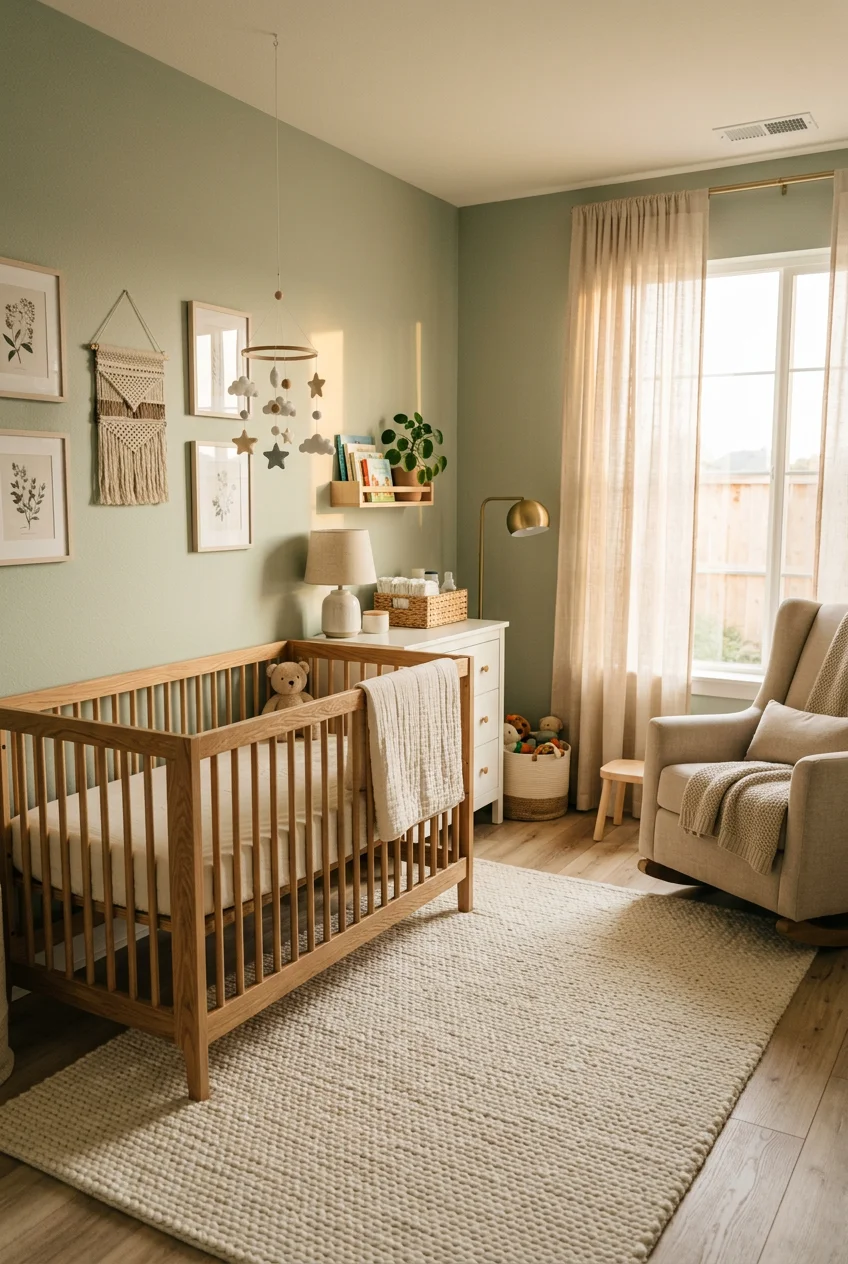
What’s Inside
- Prioritize Safe Sleep with a Bare Crib
- Anchor All Heavy Furniture
- Choose Low-VOC or Zero-VOC Paint
- Invest in a Quality Glider for Comfort and Function
- Strategically Place the Crib
- Layer Lighting with Dimmers and Warm Tones
- Opt for 100% Blackout Curtains
- Maintain Optimal Room Humidity
- Choose Non-Toxic, Non-Slip Rugs
- Monitor Air Quality at Crib Level
- Embrace Warm Neutrals for Baby Boy Rooms Nursery Layouts
- Incorporate a Statement Crib
- Plan for Smart Storage from Day One
- Install Smoke and Carbon Monoxide Detectors
- Consider Natural Mineral Plasters for Walls
- Use a Dedicated Continuous Sound Machine
- Organize the Closet with Size Dividers
- Add Washable Wallpaper to Baby Boy Rooms Nursery Walls
I spent three weeks painting my first son’s room a dark, moody navy blue, only to realize I hated it the second we brought him home from the hospital. The room felt like a cave, and I couldn’t see anything during 3 AM diaper changes without turning on the blinding overhead light. Designing baby boy rooms nursery spaces involves a lot of trial and error, but you don’t have to repeat my mistakes. I learned very quickly that aesthetics don’t matter if the room doesn’t function well at night. Let’s walk through 18 practical choices that actually matter when you’re running on two hours of sleep and just want your baby to settle down.
1. Prioritize Safe Sleep with a Bare Crib

Start with the American Academy of Pediatrics guidelines. Place your baby on his back on a firm, flat mattress with a tightly fitted sheet. No bumpers, pillows, or stuffed toys. I bought a $60 organic cotton crib bumper from Target before my first was born because I thought he’d hit his head on the wooden slats. My pediatrician told me to throw it in the trash at our two-week visit. It’s a massive suffocation risk. Instead, I use a basic Newton Baby mattress ($299.99) and a standard fitted sheet. That’s it. Keep the sleep area completely bare. It looks a little stark at first, but peace of mind is worth it. I also keep a little basket with organic cotton balls I get at Sprouts for $3.99 nearby for gentle cleaning during those early weeks. Trust me on this.
2. Anchor All Heavy Furniture

Tip-over accidents injure over 38,000 children annually in the US. I didn’t take this seriously until my toddler tried to climb his dresser to reach a plastic toy. We spent a Saturday afternoon securing every tall piece of furniture to the wall. I use the Safety 1st Furniture Wall Straps ($14.99 for a pack of eight at Walmart). They require drilling directly into a wall stud, but they hold up to 50 pounds of pressure. Do this before the baby arrives so you aren’t scrambling to install them when your child suddenly learns to pull up on the lower drawer handles. I tried using the cheap plastic zip-tie style anchors first, but they snapped under pressure. Stick to the woven nylon straps or heavy-duty metal L-brackets for real security.
3. Choose Low-VOC or Zero-VOC Paint

Babies have developing respiratory systems. Darker paint shades often require more pigment, which can add Volatile Organic Compounds (VOCs) back into even zero-VOC base paints. I learned that the hard way when that navy blue nursery smelled like harsh chemicals for a month. Now, I recommend brands like Benjamin Moore Eco Spec or the ECOS Lullaby paint line, which run about $40 to $80 per gallon. Specify zero-VOC pigments when mixing your colors at the hardware store. The air quality difference is noticeable immediately, and you won’t get that headache-inducing fresh paint smell lingering in the carpet. I painted my second son’s room with ECOS paint, and we were able to sleep in the adjacent room the very same night without any odor issues at all.

Beautiful Wooden Baby Closet Dividers Set of 7
Honestly, Beautiful Wooden Baby Closet Dividers Set of 7 – Double-Sided Organize surprised me — sturdier than it looks in the photos, and over 11 buyers gave it 4.5 stars.
4. Invest in a Quality Glider for Comfort and Function

You’ll spend hundreds of hours in this chair. I initially bought a cheap wooden rocker and my lower back paid the heavy price. I switched to the Babyletto Kiwi Swivel Glider Recliner ($799.00). It has a smooth swivel, a quiet electronic recline, and a built-in USB port. That USB port is crucial when you’re trapped under a sleeping baby for two hours and your phone is at two percent battery. Look for GREENGUARD Gold certified options to keep the air clean. I keep a basket of peanut butter pretzels from Trader Joe’s ($2.99) next to mine for midnight cravings. You need a chair with a high enough back to rest your head against when you’re exhausted. Don’t compromise on lumbar support just because a chair looks cute.
5. Strategically Place the Crib

Position the crib at least 3 feet away from windows, blinds, and curtains. This eliminates strangulation hazards from dangling cords and reduces SIDS risk from cold drafts or overheating from direct sunlight. I initially put my son’s crib right under a beautiful bay window because it looked symmetrical. A week later, I noticed the winter draft was making his hands freezing cold at night. We moved it to a blank interior wall. Ensure no heavy floating shelves, framed glass art, or heavy wooden letters are mounted directly above the crib either. A simple, bare wall behind the crib is the safest option. If you want to decorate that wall, opt for lightweight vinyl wall decals that can’t hurt the baby if they somehow peel off.
6. Layer Lighting with Dimmers and Warm Tones

Install a dimmer switch on your main overhead light. I tried this wrong for months before figuring it out. I’d flip the main switch, blind both of us with bright white light, and the baby would think it was playtime at 4 AM. Use bulbs with a warm color temperature (2700K to 3000K). For nighttime feedings, I use a Hatch Rest+ ($89.99). I set it to a soft red light at 15 percent brightness, which preserves my night vision and doesn’t disrupt the baby’s melatonin production. It makes settling back to sleep much easier for both of you. You can control it from your phone, which means you don’t have to fumble in the dark for buttons while holding a crying infant.

Criusia Over the Door Organizer
Criusia Over the Door Organizer punches above its price — 231 buyers rated it 4.5 stars. I would buy it again.
7. Opt for 100% Blackout Curtains

Proper sleep requires a genuinely dark room. I use the Sleepout portable blackout curtains ($99.00), which are GREENGUARD Gold certified and block 100 percent of external sunlight. If you want a more traditional fabric look, the NICETOWN Nursery Essential Grommet Curtains ($29.99 on Amazon) block up to 99 percent of light. I bought a cheap, sheer linen curtain first because I liked the aesthetic. My baby woke up with the sunrise at 5:15 AM every single day for a month. Total darkness extends those early morning sleep hours significantly. Make sure you mount the curtain rod high and wide so light doesn’t bleed through the edges of the window frame. I use a wrap-around curtain rod to pin the fabric flush against the wall. You might also like: 20 Cozy Whimsical Nursery Lighting Ideas You Haven’t Thought Of
8. Maintain Optimal Room Humidity

Keeping the nursery’s humidity between 30 and 50 percent helps soothe sensitive nasal passages and prevents dry, flaky skin. I use the Canopy Nursery Humidifier 2.0 ($150.00). It’s dishwasher-safe, which is a massive relief because cleaning standard humidifiers by hand with a tiny brush is miserable work. I buy gallon jugs of distilled water at Kroger for $1.29 each to keep the paper filter running cleanly without mineral buildup. If you want a budget option, the Levoit Classic 300S ($79.99) offers smart app features and very quiet operation. Proper humidity stopped my son’s winter nosebleeds completely. Just make sure you change the filter every 45 days. I set a recurring calendar reminder on my phone so I don’t forget and let mold grow inside the tank. You might also like: 16 Toddler Room Ideas You Need to See
9. Choose Non-Toxic, Non-Slip Rugs

Babies spend a massive amount of time rolling and crawling on the floor. Select rugs made from natural fibers like organic cotton or wool. I bought a cheap synthetic shag rug originally, and it shed tiny plastic fibers everywhere, sticking to my son’s sweaty hands. Now I use a Lorena Canals washable cotton rug ($239.00). It’s OEKO-TEX certified and completely free from chemical flame retardants. Ensure it has an anti-slip backing or use a thick felt rug pad underneath. I clean spit-up spots with a simple natural enzyme spray I pick up at Whole Foods for $6.99. Because the rug is machine washable, it handles major diaper blowouts easily. Just toss it in the washing machine on cold and let it air dry over a porch railing. You might also like: 16 Small Nursery Layout You Need to See

Criusia Drawer Organizer Clothes
Honestly, Criusia Drawer Organizer Clothes surprised me — sturdier than it looks in the photos, and over 11 buyers gave it 4.5 stars.
10. Monitor Air Quality at Crib Level

Volatile organic compound levels above 200 ppb can actually correlate with increased infant wake frequency. I keep an Airthings View Plus monitor ($299.99) right at crib height on a secured wall shelf. It tracks PM2.5, CO2, VOCs, temperature, and humidity. I noticed our CO2 levels spiked aggressively when the nursery door was closed all night. We started leaving the door cracked a few inches, and the baby actually slept longer stretches. It’s a pricey device, but the data it provides about the air your baby breathes is incredibly valuable. I check the app every morning. If the VOCs creep up, I just open the window for twenty minutes to flush the room with fresh air. It takes the guesswork out of room ventilation.
11. Embrace Warm Neutrals for Baby Boy Rooms Nursery Layouts

When designing baby boy rooms nursery layouts for 2026, we’re moving away from stark grays and bright primary blues. I lean heavily into warm browns, soft blues, taupes, creamy whites, and muted sage greens. Incorporate natural wood tones, rattan, and heavily textured fabrics. I bought a beautiful woven rattan storage basket from World Market ($49.99) that warms up the stark corner of the room perfectly. This palette creates a calm, grounded space that won’t feel overly childish when your son turns four. It’s much easier to update as he grows. You can swap out a few throw pillows or wall prints instead of repainting the entire room. I love using unbleached muslin crib sheets to add a subtle, organic texture to the crib.
12. Incorporate a Statement Crib

Make the crib the focal point of the room. I love the Babyletto Lolly 3-in-1 Convertible Crib ($399.00) with its natural wood spindle details against a painted frame. Pair a structural, visually interesting crib with very minimalist wall decor so the room doesn’t feel cluttered. I used to hang complex gallery walls above the crib, but it just looks messy and poses a physical falling risk if a frame gets knocked loose. Let the furniture do the heavy lifting visually. A strong, well-designed crib anchors the space and allows you to keep the rest of the walls relatively bare and safe. I recommend splurging slightly on the crib design and saving money by skipping expensive wall art that your baby won’t even notice anyway.

JolyWell Night Light for Kids
A dependable everyday pick — JolyWell Night Light for Kids pulls in 51 ratings at 4.5 stars. Not flashy, just solid.
13. Plan for Smart Storage from Day One

You’ll accumulate an absurd amount of tiny, easily lost items. I avoid standalone changing tables because they become useless after two years. Instead, I use a HEMNES 8-drawer dresser from IKEA ($399.99) with a Keekaroo Peanut Changer ($149.95) secured to the top. The dresser holds clothes, diapers, wipes, and burp cloths. I buy my Kirkland Signature baby wipes in bulk at Costco ($22.99 for a massive box), and they all fit perfectly in the deep bottom drawers. Vertical wall-mounted shelves, secured directly into the wall studs, are great for keeping fragile items like baby monitors and diaper creams out of reach. Use clear acrylic drawer organizers inside the dresser so you aren’t digging for tiny baby socks while holding a wriggling infant.
14. Install Smoke and Carbon Monoxide Detectors

Place combination smoke and carbon monoxide detectors within 10 feet of the nursery door. Working alarms reduce the risk of fire-related deaths by 50 percent. I use the Google Nest Protect ($119.00). It sends voice alerts to my phone, which is reassuring when I’m downstairs doing laundry and can’t hear the second floor clearly. Test the batteries on the first of every single month. I forgot to do this once, and the low-battery chirp started at 2 AM, waking the baby and terrifying the dog. Don’t skip this step. I also keep a small fire extinguisher in the hallway closet just outside the nursery. It’s an ugly piece of safety equipment, but I’d rather have it and never need it than the reverse.
15. Consider Natural Mineral Plasters for Walls

This is a design choice most people completely overlook. Instead of standard latex paint, look into natural mineral plasters like Venetian plaster from Romabio ($95.00 per gallon). These zero-VOC options actually absorb CO2 as they cure, actively improving the room’s air quality over time. They also naturally regulate humidity, which helps prevent gross mold growth behind dressers and bookshelves. I applied this in a client’s nursery last year, and the subtle, matte texture looks incredibly high-end while serving a real functional purpose for the baby’s health. It takes a little more effort to apply than standard paint, requiring a trowel instead of a roller, but the finish is stunning. It feels like a boutique European hotel room rather than a standard suburban bedroom.
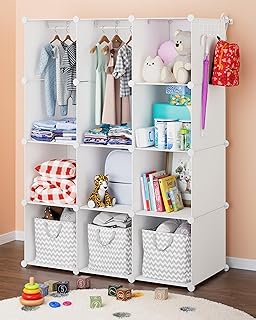
CUBEDIY Baby Closet Organizer for Nursery: Durable Baby
Honestly, CUBEDIY Baby Closet Organizer for Nursery: Durable Baby Wardrobe for C surprised me — sturdier than it looks in the photos, and over 316 buyers gave it 4.5 stars.
16. Use a Dedicated Continuous Sound Machine

A dedicated sound machine is non-negotiable for blocking out household noise. I tried using an old iPad with a Spotify white noise playlist, but the Wi-Fi dropped one night, the music stopped abruptly, and the baby woke up screaming. I switched to the Marpac Dohm Classic ($44.95). It uses a real internal fan to create continuous, mechanical white noise that doesn’t loop or cut out digitally. I place it near the door to muffle the sound of the television downstairs and our squeaky hallway floorboards. Keep the volume around 50 decibels, which is about the sound of a quiet shower. I’ve found that placing it across the room from the crib, rather than right next to the baby’s head, creates a much better sound buffer. It took me years to figure out that mechanical sound is superior.
17. Organize the Closet with Size Dividers

Baby clothes are tiny and genuinely impossible to keep organized on hangers. I used to just shove everything into drawers and constantly found cute outfits he had already outgrown before wearing them once. I bought a set of wooden closet size dividers from Etsy ($14.99). They separate clothes clearly from newborn up to 24 months. I keep a dedicated canvas bin on the top shelf for clothes he has grown out of. When the bin gets full, I take it down to the basement. It saves me ten minutes of frustrating digging every single morning. I also hang up anything that requires matching pieces, like overalls and shirts, so I aren’t hunting for the missing half of an outfit when we’re running late for the pediatrician.
18. Add Washable Wallpaper to Baby Boy Rooms Nursery Walls

If you want a bold pattern in your baby boy rooms nursery, use washable wallpaper. Babies touch the walls with sticky hands, and diaper changes can get surprisingly messy. I used a traditional paper wallpaper in my first house and had to scrub a formula stain off, which just tore the expensive paper right off the drywall. Now I use Chasing Paper’s washable peel-and-stick options (around $45.00 per 2×4 foot panel). If you get a smudge on it, you just wipe it with a damp microfiber cloth and a single drop of Dawn dish soap. It holds up beautifully against toddler wear and tear. Plus, because it’s peel-and-stick, you can easily remove it in a few years when he inevitably decides he wants a completely different room theme.
Designing a nursery doesn’t require a massive budget, but it does require intentional choices about safety and daily function. I’ve learned that investing in the right glider, proper blackout curtains, and non-toxic materials pays off tremendously at 3 AM. Save these tips for your own nursery planning, and remember that the most beautiful room is the one where you and your baby actually get some sleep. No exaggeration.
Frequently Asked Questions
What is the safest way to set up a crib in a baby boy nursery?
Keep the crib completely bare. Use a firm, flat mattress with a tightly fitted sheet. Never use crib bumpers, pillows, or stuffed toys, as they are severe suffocation hazards.
Where should I place the crib in the nursery?
Position the crib at least 3 feet away from windows, blinds, and curtains to prevent strangulation risks from cords and reduce drafts. Do not hang heavy shelves or art directly above the crib.
How can I improve the air quality in my baby’s room?
Use zero-VOC paints and natural fiber rugs. Keep humidity between 30 and 50 percent with a cool-mist humidifier, and consider an air quality monitor at crib level to track CO2 and VOCs.
What type of lighting is best for nighttime feedings?
Install a dimmer switch on your main light and use warm bulbs (2700K to 3000K). For 3 AM feedings, use a dedicated night light with a soft red glow to preserve night vision and melatonin.
