What’s Inside
- Embrace the Moody Heritage Aesthetic
- Invest in a Statement Wallpaper Accent Wall
- Prioritize Rich Walnut Wood Furniture
- Choose Organic Heirloom-Inspired Bedding
- Anchor Heavy Dressers Securely
- Incorporate Subtle Woodland Wall Decals
- Select Zero-VOC Earth-Toned Paints
- Create a Cozy Glider Reading Nook
- Layer Natural Fiber Rugs for Depth
- Opt for Soft Dimmable Night Lighting
- Incorporate Montessori-Inspired Floor Elements
- Choose Vintage Animal Art Prints
- Maintain Crisp Air Quality and Temperature
- Strategically Place Soft Storage Baskets
- Skip Heavy Over-Crib Mobiles
- Add Linen Blackout Curtains
- Install Floating Wood Shelves for Books
Most folks think a woodland nursery means neon green paint and a cheap plastic bear over the crib. It’s a common mistake that turns a room into a chaotic preschool classroom instead of a quiet place to sleep. I’ve seen hundreds of nurseries, and let me tell you, the smell of cheap plastic and bright primary colors isn’t soothing at 3 AM. Creating a nature-inspired space takes a focus on textures, muted tones, and raw materials. If you only try one idea here, make it #2. Why? A single high-quality wallpaper accent sets the whole color palette and saves you from buying dozens of tiny, cluttering decor pieces.
Skip this if: You love stark, ultra-modern minimalism or sterile white rooms. This style relies on layered textures, dark wood, and earthy tones that feel heavy to anyone craving a clinical look.
1. Embrace the Moody Heritage Aesthetic

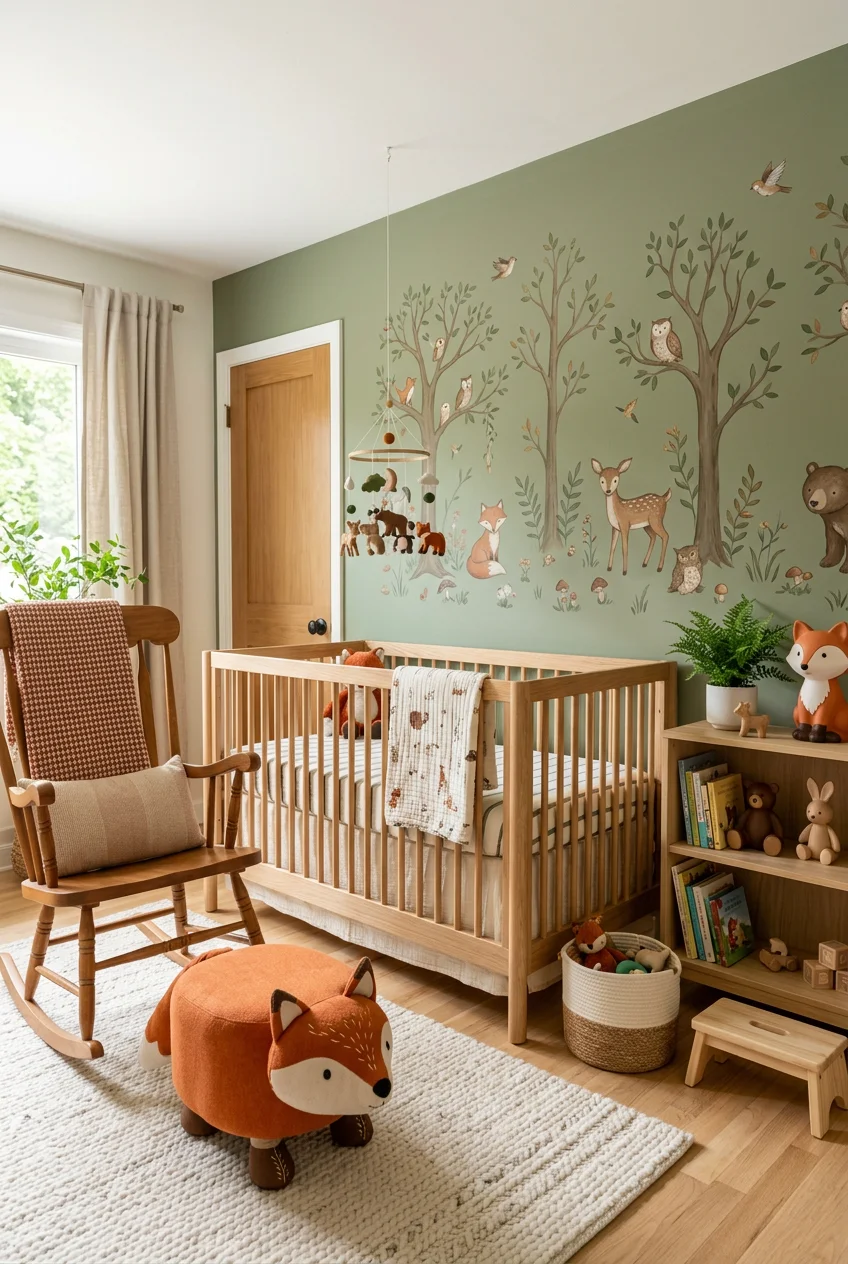
The 2026 approach to woodland themes ditches cartoonish brights for quiet luxury. Think less primary green and more muted olive, warm walnut, mushroom taupe, and dusty rose. A common mistake is painting walls a bright, artificial green, which bounces harsh light and overstimulates a tired baby. Anchoring the room with a deep, earthy tone creates a protective feel that helps them sleep. Brands like Sherwin-Williams offer shades like ‘Rosemary’ or ‘Dried Thyme’ (usually around $70 a gallon) that provide a rich backdrop. Pair dark walls with cream textiles so the room doesn’t feel like a cave. The contrast between a dark matte wall and a soft cream linen curtain looks sophisticated. The catch: dark paint shows drywall imperfections and dust faster than builder-grade white. I learned that the hard way. Prep your walls carefully before you even open the can.
2. Invest in a Statement Wallpaper Accent Wall

Wallpaper is a powerhouse for woodland themes, especially behind the crib. The Chasing Paper ‘Woodland Tan Peel’ design (typically $120 to $140 per panel) adds a vintage forest print without looking juvenile. It features delicate line drawings that look like an old botanical field guide. Just make sure your choice is labeled PVC-free and toxin-free to keep the air safe. A large-scale print does the heavy lifting, so you won’t need to clutter walls with distracting art. The tan and cream tones pair easily with walnut or oak furniture. Best for: renters who need a big design impact that peels off later. The catch: peel-and-stick wallpaper is unforgiving on textured walls. If your walls have an orange-peel texture, the adhesive will eventually fail and curl at the corners.
3. Prioritize Rich Walnut Wood Furniture

Dark and medium wood tones are replacing white painted MDF in modern design. A crib in espresso, walnut, or warm oak adds real visual weight. The daVinci Frem 4-in-1 Convertible Crib, usually in the mid-$300 range, looks like a vintage heirloom while meeting current safety standards. The grain of real wood brings the outdoors in, contrasting nicely against soft cotton. If you buy engineered wood from places like Target or IKEA, unbox it in the garage first. Let it air out for at least two weeks before assembly to get rid of the chemical off-gassing smell. The catch: dark wood shows every scratch, dent, and speck of dust. Trust me. Teething marks on the rail will stand out unless you use a fabric cover.

Modanais Baby Diaper Caddy Organizer Cart
Modanais Baby Diaper Caddy Organizer Cart – 3 Tier Rolling Storage Car has been one of the most consistently praised picks in this category. 347 reviewers averaged 4.5/5.
4. Choose Organic Heirloom-Inspired Bedding

Bedding should prioritize breathability over fussy aesthetics. For a woodland theme, 100% GOTS and OEKO-TEX certified organic cotton offers a crisp texture that softens with every wash. The Woodland Baby and Kids Bedding Set from Oilo Studio (47 by 55 inches, usually under $150) uses understated forest motifs that fit the heritage vibe perfectly. A common mistake parents make is stuffing the crib with bumpers, thick quilts, and decorative bears. Expert guidelines prohibit loose blankets, pillows, or plush toys in the crib because of SIDS risks. Keep the crib bare except for a tight organic cotton sheet. Drape a decorative piece, like the Roxy Marj Woodland Animal Baby Crib Quilt, over the back of a glider instead. The catch: true organic cotton wrinkles in the dryer. It rarely looks smooth unless you iron it.
5. Anchor Heavy Dressers Securely

Safety rules say every heavy piece of furniture must be bolted to the wall studs. A solid wood dresser, like the Storkcraft Casablanca 6-Drawer Dresser (typically $550 to $700), is great for storage but is a massive tip-over hazard once a toddler starts pulling up. Anti-tip kits usually come with the furniture, but heavy-duty metal brackets from a hardware store offer more peace of mind than plastic zip-ties. A beautiful dresser means nothing if it isn’t safe. Find the studs, drill pilot holes, and secure the straps so there’s zero forward give. Best for: homes with active toddlers or large pets. The catch: drilling into studs means you’ll have drywall patching to do whenever you rearrange the room.
6. Incorporate Subtle Woodland Wall Decals

If wallpaper feels like too much, high-quality wall decals are a flexible alternative. The Pastel Woodland Animal Wall Decals from Cool Kids Sticker Co. feature 69 individual stickers ranging from 1.7 to 7 inches. They feature watercolor-style deer, foxes, and birds that blend into the wall instead of popping out like glossy stickers. Brands like American Decals and IgiBee also make matte-finish vinyl that mimics a hand-painted mural. Scattering a few bird or leaf decals around the doorframe adds a whimsical touch without overwhelming the eye. The matte texture is key. Glossy stickers reflect light and look cheap. The catch: decals need a smooth, clean wall. If you apply them to flat paint, the adhesive often pulls the paint right off when you try to reposition them. You might also like: 16 Baby Nursery Themes That Actually Work
Maliton Baby Diaper Caddy Organizer for Changing Table
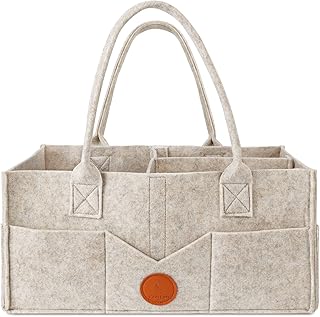
A dependable everyday pick — Maliton Baby Diaper Caddy Organizer for Changing Table pulls in 33 ratings at 4.5 stars. Not flashy, just solid.
7. Select Zero-VOC Earth-Toned Paints

The chemical smell of fresh paint is the last thing you want in a nursery. Traditional paints release Volatile Organic Compounds (VOCs) for months, which can irritate tiny lungs. Specifying zero-VOC or low-VOC paint from brands like Benjamin Moore or Sherwin-Williams is a non-negotiable step. Even with these, the tinting process can add trace chemicals, so ventilation is a must. Paint the room at least four to six weeks before the baby arrives. Keep windows open and run a box fan to pull stagnant air out. The earthy mushroom taupe or sage green is worth the effort. The catch: zero-VOC paints often lack the thick coverage of traditional ones. You’ll likely need three coats instead of two for a streak-free finish. You might also like: 19 Baby Boy Nursery Room Ideas Worth Trying
8. Create a Cozy Glider Reading Nook

You’ll spend an absurd amount of time sitting in the nursery at 3 AM, so a stiff chair is a terrible investment. A high-backed chair like Nurture& The Glider Plus (budget around $900 to $1,200) provides the support and smooth motion you need. Put the glider in a corner away from direct morning light. Pair it with a small side table and a low-wattage lamp, like the Crate & Kids White Crackled Ceramic Woodland Fox Lamp (around $150). The soft glow provides enough light for feedings without waking the baby up completely. Performance fabric makes wiping up milk spills much easier. The catch: motorized, power-reclining gliders need an outlet. This limits where you can place the chair without running an ugly extension cord. You might also like: 20 Stunning Layout Small Nursery Ideas That Are Totally Worth It
9. Layer Natural Fiber Rugs for Depth

A bare floor makes a room feel cold and echoes every sound, which isn’t ideal when you’re trying to sneak out of the room. Layering textures is key to the woodland look. A natural fiber base, like the Unique Loom Williamsburg Collection Area Rug (a 5-foot 3-inch square is usually under $100 in black/ivory), adds a grounding texture. The rough, woven feel of jute or sisal mimics the forest floor. To soften the space for tummy time, layer a smaller, plush wool or washable cotton rug on top. This combination dampens sound and adds visual depth. Use heavy-duty rug pads underneath both layers so they don’t slip. Best for: echoing hardwood or laminate floors. The catch: natural fiber rugs like jute shed fibers for the first six months. You’ll be vacuuming almost daily.

Mr. Pen- Baby Diaper Caddy Organizer, Gray, Medium
Mr. Pen- Baby Diaper Caddy Organizer has been one of the most consistently praised picks in this category. 4 reviewers averaged 4.5/5.
10. Opt for Soft Dimmable Night Lighting

Harsh overhead lighting is the enemy of a sleepy infant. A proper woodland nursery uses layered, dimmable lighting to mimic the sun. Swap out standard bulbs for integrated tunable LEDs that let you shift from bright daylight for playtime to a warm, amber glow at night. A wooden nightlight shaped like a mountain or a bear adds a thematic touch and is highly functional. The warm, low-kelvin light supports the baby’s circadian rhythm and keeps them from jarring awake during a 2 AM change. Installing a dimmer switch is a weekend project that pays off immediately. The catch: smart bulbs and tunable LEDs rely on Wi-Fi. They have a habit of disconnecting right when you need to turn them on in the middle of the night.
11. Incorporate Montessori-Inspired Floor Elements

Montessori principles encourage independence. Instead of a traditional high crib, a Woodland Montessori Floor Bed (like the house-frame styles from Simre Kids, usually $200 to $400) sits on the floor. This lets a toddler crawl in and out safely. Add a low wooden busy board with tactile elements like sliding beads, felt leaves, and smooth latches. These engage a child’s fine motor skills much better than a plastic toy that just flashes. Keep artwork and mirrors at the child’s eye level. The catch: a floor bed means the entire bedroom is the crib. You must baby-proof the room to an extreme level, removing all cords, small objects, and unsecured furniture.
12. Choose Vintage Animal Art Prints

Skip the hyper-bright, cartoonish posters. The refined woodland trend relies on vintage, field-guide style illustrations that look like they were pulled from a 19th-century botanical book. Sepia-toned sketches of bears, watercolor ferns, and muted landscapes provide a sophisticated touch. Framing these in textured, reclaimed wood or antiqued brass adds to the heritage feel. A handmade Vintage Teddy Bear Frame from Felt Nostalgic Co. (around $25) makes a beautiful border for a simple print. Grouping three or four 8×10 inch prints in a gallery wall creates a focal point without the commitment of a full mural. Best for: parents on a budget who want a theme using inexpensive digital downloads. The catch: heavy wooden frames with glass are a safety hazard if knocked off the wall. Swap the glass for shatterproof acrylic.

Parker Baby Diaper Caddy
A dependable everyday pick — Parker Baby Diaper Caddy – Nursery Storage Bin and Car Organizer for D pulls in 172 ratings at 4.5 stars. Not flashy, just solid.
13. Maintain Crisp Air Quality and Temperature

A woodland theme should feel like fresh forest air. Maintaining room temperature and air quality is critical. Experts recommend keeping the nursery between 60.8 and 68 degrees Fahrenheit (16 to 20 degrees Celsius). Overheating is a SIDS risk, so use a digital indoor thermometer rather than trusting your home’s central thermostat. Run a cool-mist humidifier during dry winter months to keep the air comfortable for a newborn’s nasal passages. Avoid heavily fragranced chemical cleaners, as artificial pine scents irritate tiny lungs. Stick to vinegar and water. The catch: keeping a bedroom chilled to 68 degrees during the summer usually means running the AC constantly, which will spike your electric bill.
14. Strategically Place Soft Storage Baskets

Babies require an astonishing amount of stuff, and hard plastic bins ruin the organic vibe. Swap them for soft, woven textiles. The Pehr Pom Pom Storage Hampers (around $75 to $85) feature heavy-weight cotton canvas that hides laundry or blankets perfectly. For smaller items like blocks or swaddles, the Lorena Canals Mushroom Baskets (under $70) add a woodland shape and functional storage. The tactile feel of woven cotton or braided jute adds sensory interest. Keep these on the floor or low shelves so a crawling baby can reach their toys. Best for: organizing plush toys and blankets that don’t fold neatly into drawers. The catch: soft-sided baskets lose their shape and collapse when empty. They look messy until refilled.
15. Skip Heavy Over-Crib Mobiles

A massive, heavy wooden branch suspended over a sleeping baby’s face is a terrible idea, no matter how good it looks. Most people get this wrong, hanging driftwood and ceramic birds right above the mattress. If the ceiling hook fails, that heavy object becomes a projectile. Never hang heavy artwork, floating shelves, or anything with cords or ribbons within reach of the crib. If you must use a mobile, choose an ultra-lightweight felt design, anchor it into a ceiling joist, and remove it the moment the baby can push up on their hands and knees. The space above the crib is actually better left blank or decorated with flat, lightweight decals. The catch: leaving the wall above the crib blank often feels unfinished to parents used to heavily styled, magazine-ready designs.

Criusia Drawer Organizer Clothes
If you want something that just works, Criusia Drawer Organizer Clothes is a safe bet (12 reviews, 4.5 stars).
16. Add Linen Blackout Curtains

Controlling natural light is essential for naps. Flimsy cotton curtains won’t block the afternoon sun, making summer naps a nightmare. Invest in heavy-duty blackout curtains with a natural linen face. Retailers like West Elm and Pottery Barn Kids offer excellent linen-blend blackout panels ($100 to $180 per panel). The nubby texture of the linen fits the organic aesthetic, while the thick acrylic backing plunges the room into darkness. Hang the rod four to six inches above the window frame and let the fabric pool slightly on the floor to make ceilings look taller and prevent light leaks. The catch: heavy-weight blackout linen weighs more than standard curtains. You’ll need heavy-duty drywall anchors so the brackets don’t rip out of the wall.
17. Install Floating Wood Shelves for Books

Front-facing book storage encourages early reading and lets book covers act as free artwork. Install shallow, floating wooden ledges (like the classic picture ledges from IKEA or Target, under $30 each) on a blank wall. Choose raw pine or warm oak to tie into the room’s furniture. Stock the shelves with nature-themed board books. You can intersperse books with small decor elements like a handful of clean, dry pinecones from a Trader Joe’s display, or a small carved wooden bear. Ensure the shelves are installed into studs, especially if placed low enough for a toddler to grab. The visual of colorful spines against a moody wall is striking. Best for: small rooms that lack space for a bulky bookcase. The catch: open shelves are massive dust magnets. You’ll need to remove every book and wipe down the ledges weekly to prevent allergen buildup.
How we chose these ideas: Let’s be clear. We prioritized renter-friendliness, visual impact, and realistic budgets. We focused on materials that enhance safety and air quality, avoiding high-effort DIYs that look sloppy in real life.
When you’re ready to start painting and assembling, I’d suggest anchoring the heavy furniture first before you get distracted by the fun decor details. You can’t go wrong with a nature-inspired palette that grows with your child. Pin this list to your nursery board so you won’t lose track of the brand recommendations when you hit the stores this weekend.
Frequently Asked Questions
What colors work best for woodland baby nursery themes?
Move away from bright primary greens. The best palettes use muted, earthy tones like olive green, mushroom taupe, warm walnut brown, and dusty rose to create a calming, nature-inspired environment.
Are wall decals safe for a baby’s room?
Yes, provided you choose high-quality, PVC-free and toxin-free decals. Ensure they are applied firmly to a clean wall so they cannot be easily peeled off and swallowed by a curious toddler.
How can I make a woodland nursery feel warm without clutter?
Rely on layered textures instead of numerous small decorations. Combine rough jute rugs, smooth organic cotton bedding, and rich wood grains to add visual depth without taking up extra physical space.
What is the best lighting for a woodland themed nursery?
Use layered, dimmable lighting. Tunable LED bulbs that shift to a warm amber glow mimic a sunset, while a low-wattage ceramic or wooden table lamp provides safe illumination for late-night feedings.
