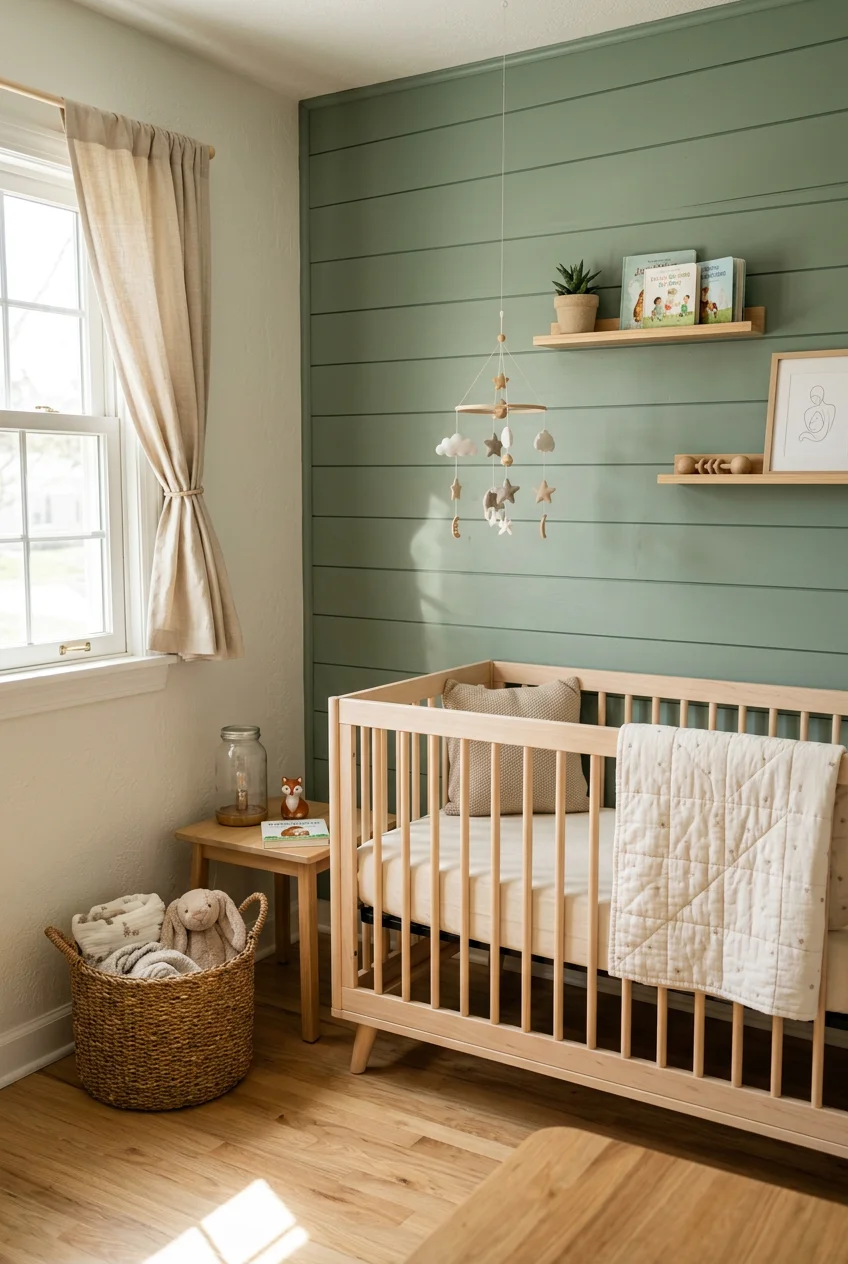
What’s Inside
- Opt for a Mini Convertible Crib for Longevity and Space-Saving
- Utilize a Dresser as a Changing Station to Double Functionality
- Embrace Vertical Storage with Shallow Floating Shelves
- Install a Wall-Mounted Changing Table for Ultimate Space-Saving
- Implement Under-Crib Storage Solutions
- Choose Light and Neutral Wall Colors to Create an Illusion of Space
- Strategically Place Mirrors to Amplify Light and Space
- Incorporate Multi-Functional Furniture Beyond the Crib
- Create a Mobile Diaper Changing Station with a Rolling Cart
- Utilize Over-the-Door Organizers for Hidden Storage
- Prioritize Dimmable and Warm-Toned Lighting
- Avoid Oversized Gliders and Opt for Compact Seating
- Maximize Closet Space with Smart Organization
- Incorporate Clear or Acrylic Furniture for Visual Flow
- Create Functional Zones to Keep Essentials Within Reach
- Mount Blackout Curtains High and Wide
Most folks shove a full-sized crib into a walk-in closet and wonder why the room feels like a tiny padded cell. Nailing extra small nursery ideas requires precise math, not just cute decor boards. When you’re dealing with an 8×10 foot space, every single square inch matters. Don’t guess the dimensions. If you only try one idea from this list, make it #2. Skipping a standalone changing table is the most effective way to claw back floor space in a compact room. Trust me.
Skip this list if you’ve got a standard 12×12 bedroom or larger. These space-saving tactics are meant for true micro-nurseries, converted home offices, and big closets. If you have the square footage for standard furniture, you won’t need to mount your changing table to the wall or calculate your glider’s turning radius.
1. Opt for a Mini Convertible Crib for Longevity and Space-Saving

Standard cribs eat up roughly 10 to 15 square feet of floor space. In a tight room, that footprint dictates where everything else goes, often leaving you with a cramped layout. Choosing a mini crib that converts to a toddler bed extends its life, which is a practical approach for any parent. The Babyletto Origami Mini Crib, measuring exactly 39.25 inches long by 25.75 inches wide by 36 inches high, is a standard choice that also folds flat for storage. It typically costs around $329 to $349. Another solid option is the Stokke Sleepi Mini. Its oval shape, measuring 25.2 inches wide by 58.3 inches high by 32.3 inches deep, creates a nest-like feel. The lack of sharp corners means you won’t bruise your hips walking past it in the dark. It happens constantly in small rooms. It features lockable swivel wheels for easy movement and costs around $649. Finding fitted sheets for these unique dimensions is simple, as most major retailers stock mini crib bedding. The catch: babies grow out of them around 18 to 24 months, forcing you to buy a toddler bed sooner than you’d like.
2. Utilize a Dresser as a Changing Station to Double Functionality

Dedicated changing tables are a waste of space. They serve one purpose and become useless the moment your child is potty trained. Instead, use a sturdy three-drawer dresser with a removable changing pad secured to the top. This provides storage for clothes, swaddles, and diapers while serving as a functional surface. The Keekaroo Peanut Changer, measuring 32 inches long by 17 inches wide by 4 inches high, is a heavy polyurethane pad that stays put. It doesn’t require covers, which simplifies cleanup when dealing with midnight blowouts. You just wipe it down with a household cleaner. It usually runs between $149 and $210. If you’re using a standard 36-inch wide dresser, this pad will take up almost the entire top. Make sure to anchor the dresser to the wall, as the weight of the pad and a squirming baby shifts the center of gravity. Best for: tight budgets. The catch: you sacrifice the entire top surface, meaning there’s no room for lamps, sound machines, or photos.
3. Embrace Vertical Storage with Shallow Floating Shelves

When floor space is non-existent, the walls are your only asset. Installing floating shelves keeps the floor clear and reduces clutter. However, most people hang these way too high and wonder why the room feels off. Shelves need to be accessible to be useful. Floating shelves, like the 4.5-inch depth options from Ashdeco or basic sets at Target, can hold board books and small toys without sticking out too far. A set of four narrow shelves prevents you from bumping your head while leaning over the crib. Use them for necessities like a 4 oz bottle of baby lotion, a digital thermometer, or a stack of pacifiers. Keep the spacing between shelves to about 12 to 14 inches to fit taller items without wasting space. If you just toss random items up there, the room will feel messy. The catch: open shelving requires constant dusting and organization, or it quickly looks like wall clutter.
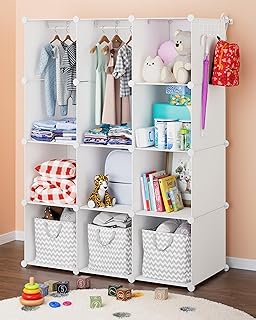
CUBEDIY Baby Closet Organizer for Nursery: Durable Baby
CUBEDIY Baby Closet Organizer for Nursery: Durable Baby Wardrobe for C is sturdier in person than the photos suggest — over 342 buyers gave it 4.5 stars.
4. Install a Wall-Mounted Changing Table for Ultimate Space-Saving

For extremely tight spaces, a wall-mounted changing table clears the floor entirely. You see these in restrooms, but modern versions are made for homes. The VEVOR Wall-Mounted Baby Changing Station, often found for $100 to $200, folds up flush against the wall. It projects less than 5 inches when closed. Another heavy-duty option is the Koala Kare KB200, which supports up to 200 pounds and has a pneumatic cylinder for smooth operation. By mounting it to the wall, you can place a laundry hamper or slim diaper pail underneath. Ensure professional installation, as these need to be mounted into wooden wall studs with heavy-duty lag bolts. Drywall anchors aren’t enough to hold the weight of the unit plus a moving baby. It’s a permanent fixture until the diaper days end. Best for: homes with pets, as it keeps the surface high and away from curious dogs. The catch: installation requires drilling into studs, so you’ll be patching and painting when you eventually take it down.
5. Implement Under-Crib Storage Solutions

Don’t overlook the dark space beneath the crib. Most cribs offer 5 to 6 inches of clearance. Use shallow bins or rolling drawers that slide underneath for extra bedding, out-of-season clothes, or surplus diapers. This is a simple way to add storage without using extra floor space. You can buy specialized fabric bins from IKEA or Walmart, or just use low-profile plastic containers. Use this area for bulk items you don’t need daily, like massive boxes of wipes from Costco. To keep the room tidy, add a tailored crib skirt to hide the bins. A crisp, linen skirt adds a finished look while concealing the mess. It’s a chore that gets annoying, but the extra storage is worth the hassle. The catch: dust bunnies accumulate rapidly, requiring you to pull every bin out weekly to vacuum, or the dust might aggravate a baby’s allergies.
6. Choose Light and Neutral Wall Colors to Create an Illusion of Space

Dark colors absorb light and make walls feel like they’re closing in. Paint walls in light, neutral shades like crisp white, ivory, or pale gray to make the room feel open and airy. This provides a versatile backdrop and helps reflect natural light. When picking paint, check the Light Reflectance Value (LRV) on the back of the chip. You want an LRV of 70 or higher to brighten a tiny room. Opt for an eggshell or satin finish instead of flat paint. Flat paint absorbs light and is hard to clean, while eggshell reflects light subtly and lets you wipe away marks. If you want a pop of color, keep it to the baseboards or a single door. Best for: small dark rooms with one tiny window. The catch: pale walls show every fingerprint and scuff, requiring frequent wiping and touch-ups. You might also like: 15 Toddler Girl Room Decorating Ideas You Need to See

Criusia Over the Door Organizer
Criusia Over the Door Organizer is sturdier in person than the photos suggest — over 336 buyers gave it 4.5 stars.
7. Strategically Place Mirrors to Amplify Light and Space

Hanging a large mirror is a classic design trick that works well in tiny nurseries. Place a large mirror on a wall, ideally across from the window, to bounce natural light back into the space. This creates the optical illusion of a larger, deeper room. You need a big mirror for this to work. Aim for at least 30 by 40 inches. A tiny decorative mirror won’t bounce enough light to make a difference. Look for simple, thin frames in brass or light wood to keep the visual weight low. Position it so it reflects something nice, like art or the window, rather than your changing station. Safety must override aesthetics. The catch: heavy mirrors are a safety risk unless anchored with heavy-duty French cleats or toggle bolts; you can’t just hang a 30-pound mirror on a simple nail. You might also like: 15 Dinosaur Nursery Baby Boy for Every Budget
8. Incorporate Multi-Functional Furniture Beyond the Crib

In a compact room, every piece of furniture must earn its keep. Look for items that serve two jobs. For example, a small ottoman with a removable lid provides a place to rest your feet, a spot to sit, and hidden storage for blankets. A compact side table with drawers, like the Babyletto Lolly Nightstand, offers a surface for a bottle and storage for pacifiers and burp cloths. Avoid open-leg tables that offer zero storage. When you only have room for three pieces of furniture, you can’t waste space on one-trick ponies. Measure the internal storage before buying to ensure it actually holds what you need. An ottoman with a 10-inch cubic interior won’t hold more than two blankets. You’ll likely need furniture sliders to move them without scratching floors. The catch: pieces with hidden compartments are heavier and harder to move when you’re trying to vacuum. You might also like: 20 Charming Gender Neutral Crib Bedding Ideas for Every Budget
9. Create a Mobile Diaper Changing Station with a Rolling Cart

Instead of a fixed changing area, use a three-tiered rolling cart for diapers, wipes, and creams. You can grab a metal utility cart from Target or IKEA for under $40. This lets you move supplies to wherever you are. Roll it next to the crib for 3 AM changes, and tuck it in the closet when not in use. The footprint is usually around 12 by 16 inches, making it easy to stash. Organize the tiers logically: put the items you need instantly on top, diapers in the middle, and backup items on the bottom. You’ll eventually have to empty the bottom tiers once your baby starts crawling. Best for: renters who don’t want to drill holes. The catch: open carts leave your supplies exposed to dust and, eventually, to the grabbing hands of a curious toddler.

Criusia Drawer Organizer Clothes
If you want something that just works, Criusia Drawer Organizer Clothes is a safe bet (12 reviews, 4.5 stars).
10. Utilize Over-the-Door Organizers for Hidden Storage

The back of the nursery door, or the inside of the closet door, is prime real estate that’s usually ignored. An over-the-door organizer with clear pockets can provide valuable storage without eating into floor space. A standard 24-pocket shoe organizer is perfect for rolled burp cloths, tiny shoes, hair accessories, 4 oz lotion bottles, and thermometers. Because the pockets are clear, you aren’t digging around blindly. This keeps small items off the floor. Ensure the hooks are thin metal so the door closes smoothly. To prevent swinging, secure the bottom with adhesive strips. Just know that removing the adhesive later might peel the paint. The catch: heavily loaded organizers can swing when the door moves, and the metal hooks can scrape the paint off the doorframe over time.
11. Prioritize Dimmable and Warm-Toned Lighting

Harsh overhead lighting makes a small room feel sterile. Install a dimmable fixture with bulbs in the 2700K to 3000K warm white range to create a cozy feel. Sleep experts recommend soft amber or warm white night lights to avoid disrupting the baby’s melatonin. For night feeds, use soft wall sconces or clip-on lamps instead of the main switch. A compact LED task lamp clamped to a side table provides light exactly where you need it without jarring the baby awake. Avoid floor lamps, as their wide bases consume floor space and cords are a tripping hazard. Always keep a bright LED flashlight in the drawer for medical checks. The catch: dim, warm lighting makes it hard to judge things like a baby’s rash at 3 AM, often forcing you to head to the hallway.
12. Avoid Oversized Gliders and Opt for Compact Seating

A common mistake is choosing a massive glider that dominates the room. These chairs require rear clearance to recline, often up to 14 inches, which pushes the chair into the center of the room. Instead, select a compact glider. The Babyletto Cali Swivel Glider is a good example, with a footprint of roughly 30 by 30 inches. It provides soothing motion without making the room feel cramped. When shopping, measure the arm width. Thick, rolled arms add bulk without adding comfort. Opt for track arms or armless designs. Always test the chair in person if you can. You’re trading ergonomic comfort for floor space, which is a tough compromise. Best for: homes with tight doorways, as compact gliders are easier to maneuver. The catch: they usually have shorter backs and less head support, making them less comfy for taller parents.

Beautiful Wooden Baby Closet Dividers Set of 7
Beautiful Wooden Baby Closet Dividers Set of 7 – Double-Sided Organize is sturdier in person than the photos suggest — over 11 buyers gave it 4.5 stars.
13. Maximize Closet Space with Smart Organization

If your nursery has a closet, optimize it. A standard single rod wastes vertical space, especially since baby clothes are short. Install double hanging rails spaced 30 inches apart to double your capacity. Use closet dividers to separate sizes so you aren’t hunting for the right fit. Below the clothes, insert a low-profile cube organizer with fabric bins for folded items like sheets and pants. By treating the closet as the primary hub, you can eliminate the need for a large dresser, freeing up floor space. You might consider replacing swing doors with a tension rod and a curtain. This allows full access without requiring door clearance. Best for: beginners. The catch: removing closet doors means you can’t hide visual clutter, so you have to keep things organized.
14. Incorporate Clear or Acrylic Furniture for Visual Flow

Heavy furniture blocks light and creates visual roadblocks. Consider using furniture made from clear acrylic to maintain an uninterrupted visual flow. A small side table made from 1/2-inch thick acrylic beside the glider provides a spot for a bottle without adding visual weight. If your budget allows, an acrylic crib features transparent slats that make the crib seemingly disappear. Transparent pieces trick the eye into seeing more space because you can see the floor and walls through them. This makes the room feel less cluttered. You can find high-quality pieces at specialty retailers, though they’re an investment. It’s a high-maintenance material. Once acrylic is scratched, it loses its transparent appeal and just looks cloudy. The catch: clear acrylic scratches easily and shows every fingerprint, requiring daily cleaning with a microfiber cloth.
15. Create Functional Zones to Keep Essentials Within Reach

Even in a tiny nursery, you must designate zones for sleeping, changing, and feeding. Cramming everything together leads to chaos. A feeding nook should consist of your compact glider and a small side table. Keep a basket next to the chair stocked with burp cloths, a 32 oz water bottle, and snacks from Whole Foods or Sprouts. Keep these at arm’s reach so you aren’t walking across the room while holding a sleeping baby. A sleep zone should contain only the crib and a blackout curtain, free from toys or bright lights. This planning prevents overwhelm and makes routines run smoother. You won’t be scrambling for a wipe in the dark if the changing zone is strictly maintained. You’ll find yourself resetting the room at the end of each day to keep the zones intact. The catch: these zones are hard to maintain once a mobile baby starts dragging items across the room.

SNSLXH 5 Pack Stackable Closet Storage Basket
SNSLXH 5 Pack Stackable Closet Storage Basket punches above its price — 43 buyers rated it 4.5 stars. The kind of pick people reorder.
16. Mount Blackout Curtains High and Wide

Window treatments can alter the perceived size of a room. To make a nursery feel taller, never mount the curtain rod on the window trim. Hang the rod 4 to 6 inches above the frame, right under the ceiling, and extend it past the sides. This trick draws the eye upward, creating the illusion of a higher ceiling. You’ll need 96-inch panels rather than standard 84-inch ones to reach the floor. Use heavy blackout curtains to block streetlights, which is crucial for a baby’s sleep. Extra small nursery ideas focus on manipulating vertical space, and high-mounted curtains are the easiest way to do that. If the rod sags in the middle, it ruins the elevated look. The catch: extra-long blackout curtains are expensive, and the heavy fabric requires sturdy anchors so the rod doesn’t pull out of the wall.
How we chose these ideas: The criteria focused on functional footprint reduction, renter-friendly installation, and maximizing vertical real estate. Priority was given to concepts that require minimal structural changes while offering high visual impact in tight spaces.
Designing a tiny nursery forces you to be ruthless about what matters. Let’s be honest, skip the oversized decor and focus on pieces that work twice as hard. I’d highly recommend saving this list so you can reference the measurements before you head to the furniture store. It took me years to figure out that lesson. No exaggeration.
Frequently Asked Questions
What is the best crib for an extra small nursery?
A mini convertible crib is the best option for tight spaces. Models like the Babyletto Origami or Stokke Sleepi Mini have a much smaller footprint than standard cribs, saving up to 5 square feet of floor space while still providing a safe sleep environment.
Do I really need a changing table in a small nursery?
No. Dedicated changing tables waste valuable square footage. Instead, secure a heavy-duty, wipeable changing pad, like the Keekaroo Peanut Changer, to the top of a sturdy three-drawer dresser. This combines clothing storage and a changing surface into one footprint.
How can I make an extra small nursery look bigger?
Paint the walls a light, neutral color with a high Light Reflectance Value (LRV) to bounce light around the room. Additionally, mount your curtain rods 4 to 6 inches above the window frame to draw the eye upward and create the illusion of taller ceilings.
Where should I store baby items if I don’t have floor space?
Utilize vertical and hidden storage. Install shallow floating shelves for small items, use an over-the-door organizer with clear pockets for accessories, and slide low-profile storage bins under the crib to hold bulk items like extra diapers and out-of-season clothing.
