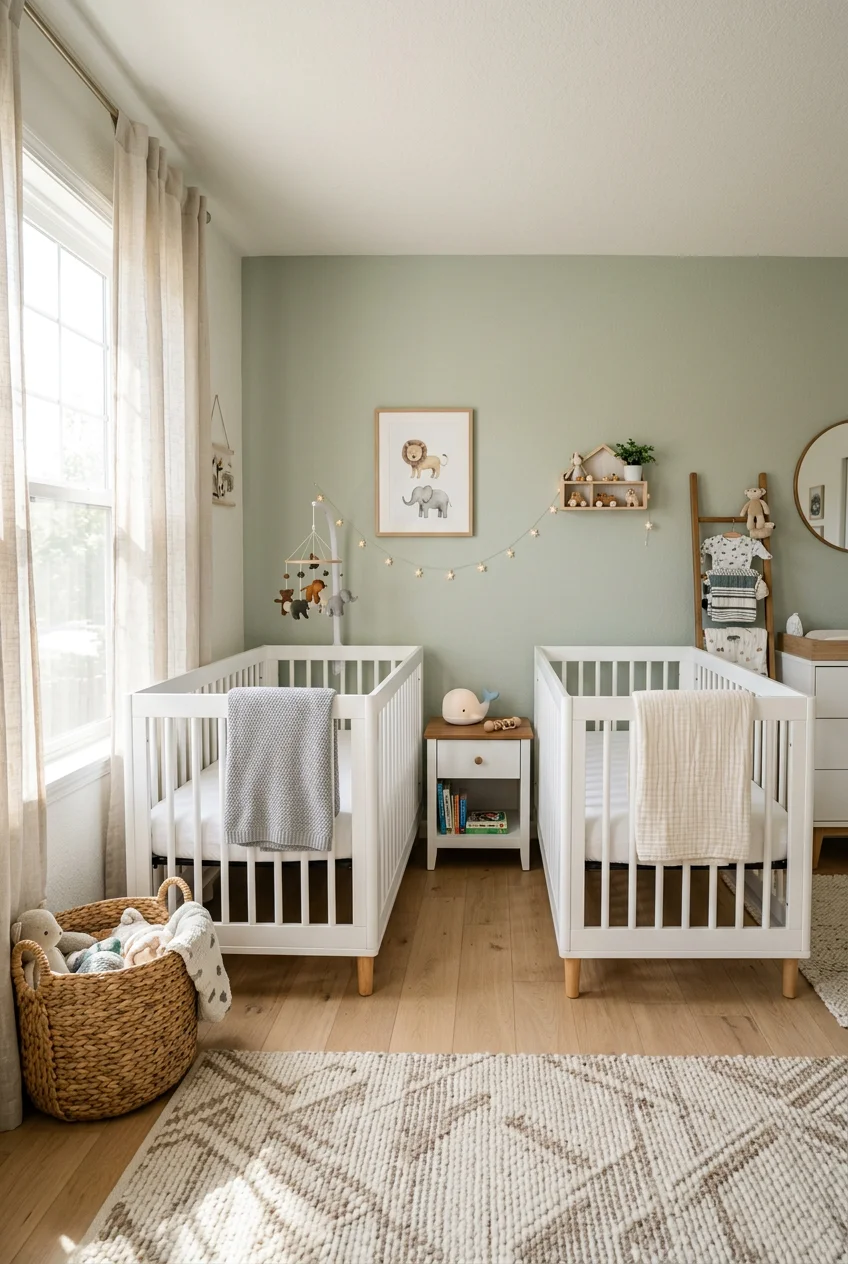
What’s Inside
- Opt for a Mini Crib with a Small Footprint
- Invest in a Dresser-Changer Combo
- Utilize Vertical Space with Floating Shelves
- Maximize Closet Storage with Double Rods
- Install a Wall-Mounted Changing Table
- Select a Small-Footprint Glider
- Incorporate Under-Crib Storage Drawers
- Embrace Atmospheric Muted Color Palettes
- Ditch the Overly Themed Decor
- Repurpose Existing Heavy Furniture
- Build a Mobile Diapering Station
- Hang Over-the-Door Pocket Organizers
- Integrate Low-EMF Calm Tech Solutions
- Designate Specific Zones for Siblings
- Maximize Dead Corner Space
- Swap Floor Lamps for Sconces
- Install Acrylic Gallery Bookshelves
- Use Rug Layering for Space Saving Shared Rooms Small Nursery Ideas
- Mount a Fold-Down Wall Desk for Laundry
- Hang Ceiling-Mounted Dividers for Space Saving Shared Rooms Small Nursery Ideas
I’ve seen so many people cram a bulky 52-inch crib into a tiny guest room, then wonder why the door won’t open. Figuring out how to layout a small nursery needs actual math, not just picking what looks pretty on a showroom floor. If you’re squeezing a baby into a home office or a sibling’s room, standard furniture just won’t cut it. Honestly, the visual clutter makes the walls feel like they’re closing in. I learned that the hard way. If you only try one thing from this list, make it #2. Combining your dresser and changing table clears at least six square feet of floor space instantly.
Skip this list if you’re working with a massive master bedroom conversion or have a 200-square-foot room just for the baby. These ideas are built for tight, multi-purpose spots where every single inch matters. If you’ve got extra floor space, wall-mounted tables and mini cribs will just look weirdly tiny.
1. Opt for a Mini Crib with a Small Footprint

Forget the standard 52-inch crib; a mini crib is your best starting point. They usually measure about 39 x 25 x 37.25 inches. Models like the Babyletto Gelato 4-in-1 or the Delta Children Classic sit in the $200 to $400 range. They fit into tight corners and keep walking paths open. Don’t worry about babies outgrowing them too fast. Many, like the Babyletto Yuzu 8-in-1, transition from a bassinet to a toddler bed and even a twin bed. You’ll save money later while keeping the room breathable now. You can grab fitted sheets for these at Target or Walmart. Best for: dark, cramped rooms where big furniture blocks the light. The catch: you’ve got to buy specific mini-crib mattresses and sheets, since standard sizes won’t fit.
2. Invest in a Dresser-Changer Combo

Standalone changing tables are a total waste of space. A 3-drawer dresser with a removable tray does two jobs at once. The Babyletto Yuzu 3-Drawer or Gelato 3-Drawer are great examples. It’s a huge 2026 trend for maximizing tiny layouts. You get storage for clothes underneath and a safe spot for diapering on top. Most standard 16 by 32-inch pads fit perfectly in those trays. You can hit up Costco for drawer organizers to keep things tidy. The catch: the top surface is basically gone once the pad is on, so there’s no room for a wipe warmer or diaper caddy.
3. Utilize Vertical Space with Floating Shelves

When floor space is scarce, go up. Installing floating shelves above the changing station keeps essentials within reach. A 24-inch shelf holds diapers, a 4 oz tube of cream, and a pack of wipes without touching the floor. Just make sure they’re anchored into studs, especially near the crib. Floating shelves add storage without the visual weight of a cabinet. You can find bracket shelves at Home Depot for under $30. It’s a simple weekend project. The catch: open shelves need daily tidying, or they look like a cluttered mess.

SNSLXH 5 Pack Stackable Closet Storage Basket
If you want something that just works, SNSLXH 5 Pack Stackable Closet Storage Basket is a safe bet (43 reviews, 4.5 stars).
4. Maximize Closet Storage with Double Rods

Baby clothes are tiny. One standard rod leaves three feet of empty air underneath. Adding a second rod doubles your space. Look at modular systems like ELFA from The Container Store or basic ClosetMaid wire racks from Lowe’s. Put a second rod 36 inches off the floor. Use dividers for socks and 12-inch fabric bins on top for out-of-season gear. Best for: renters who need storage without building permanent cabinets. The catch: wire shelving can leave indentations on clothes if you don’t use solid liners.
5. Install a Wall-Mounted Changing Table

For really tight layouts, a commercial wall-mounted station is a secret weapon. The Koala Kare KB200 is usually seen in public restrooms, but it works wonders in a closet or tiny nursery. At $200 to $400, it folds flat against the wall when you’re done. It’s sturdy enough to hold 200 pounds and only sticks out about 22 inches when down. It basically lets you get rid of the dresser entirely. The catch: it looks pretty industrial and clinical, so it won’t fit a soft, cozy nursery vibe.
6. Select a Small-Footprint Glider

Overstuffed recliners eat up a 40-inch square of floor space. I’m not a fan of them in small rooms. Compact gliders give you the motion you need without the bulk. The Babyletto Toco Swivel Glider or the Namesake Crawford are built for tight corners. They glide and swivel without needing a massive clearance for a recline mechanism. A 26-inch wide chair fits right next to a mini crib. You can find similar styles at Pottery Barn Kids. The catch: these chairs usually have lower backs, so tall parents might not have a place to rest their heads during 3 AM feeds. You might also like: 17 Pink Toddler Room That Actually Work

Criusia Drawer Organizer Clothes
A dependable everyday pick — Criusia Drawer Organizer Clothes pulls in 12 ratings at 4.5 stars. Not flashy, just solid.
7. Incorporate Under-Crib Storage Drawers

That 10 inches under the crib is prime real estate. Cribs with built-in trundle drawers, like the DaVinci Colby or Graco Solano, solve this immediately. They’re perfect for blankets, extra sheets, or boxes of clothes. If you’ve got a standard crib, just slide some flat plastic bins underneath. It keeps dust off and hides the clutter. Best for: tight budgets, since you might already own some bins. The catch: those trundle drawers are often pretty shallow, so they only hold flat items.
8. Embrace Atmospheric Muted Color Palettes

Bright, high-contrast colors make a small room feel boxed in. The 2026 trend is all about earthy, muted tones. Think sage green, terracotta, mushroom, cocoa, or greige. These colors create a calm, cocoon-like vibe. If you paint the walls, trim, and doors the same shade—color drenching—the room boundaries blur and it feels bigger. A gallon of paint from the hardware store costs $40 to $70. The catch: dark colors soak up light, so you’ll need more lamps to keep the room bright during the day. You might also like: 20 Lovely Space Saving Small Nursery Ideas for Every Budget
9. Ditch the Overly Themed Decor

Don’t plaster a tiny room in loud, character-based themes. They’re visually heavy and overwhelming. Instead, go for a mood-first approach. Use textures, subtle patterns, and sculptural furniture rather than giant cartoon decals. A linen blackout curtain and a chunky wool rug do way more for the room than themed wallpaper. It helps the room grow with your child. The catch: this style relies on quality textiles, which can get expensive compared to cheap stickers. You might also like: 18 Nursery Themes Boy Worth Trying

Criusia Over the Door Organizer
If you want something that just works, Criusia Over the Door Organizer is a safe bet (336 reviews, 4.5 stars).
10. Repurpose Existing Heavy Furniture

You don’t need a matching nursery set. Repurposing pieces you have saves money and avoids cluttering the room with new stuff. A low dresser becomes a changing station if you bolt a pad to the top. An old hutch can be painted to hold swaddles and a 16 oz bottle of lotion. Mixing wood tones makes the room feel curated rather than like a catalog. The catch: vintage dressers often lack safety stops, so you must anchor them to the wall to prevent tipping.
11. Build a Mobile Diapering Station

A changing table isn’t always convenient in a small room. A 3-tier rolling cart is a lifesaver. The IKEA RÅSKOG, at $30 to $40, fits into tiny gaps. Keep diapers and wipes on top, a 2 oz tube of cream and burp cloths in the middle, and clothes on the bottom. Roll it into the bathroom or next to the bed, then tuck it away later. Best for: homes where you need supplies to move around. The catch: open carts gather dust and look messy if you aren’t organized.
12. Hang Over-the-Door Pocket Organizers

The back of the door is wasted space. An over-the-door organizer with clear pockets is perfect for bibs, thermometers, and tiny shoes. It keeps surfaces clear and drawers empty. These organizers are about 24 by 60 inches and cost under $20 at Target. No tools needed. The catch: heavy items will swing and bang against the door every time you move it.
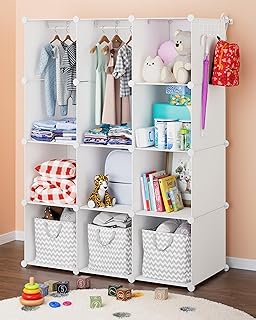
CUBEDIY Baby Closet Organizer for Nursery: Durable Baby
A dependable everyday pick — CUBEDIY Baby Closet Organizer for Nursery: Durable Baby Wardrobe for C pulls in 342 ratings at 4.5 stars. Not flashy, just solid.
13. Integrate Low-EMF Calm Tech Solutions

Giant monitors with thick cords ruin a calm room. The 2026 trend is “calm tech” that blends in. Low-EMF monitors like Bebcare have sleek, quiet profiles. Mount the camera on a wall shelf instead of clamping it to the crib. Use paintable cable covers to hide the cords. It keeps the visual lines clean, which is a must in a small space. The catch: these sleek devices often don’t have the heavy-duty mounts that bulky monitors do, making them harder to angle.
14. Designate Specific Zones for Siblings

When two kids share a small room, boundaries are everything. For twins, keep shared items in a central, neutral zone. For different ages, create separate spots. Use a woven basket for the toddler’s blocks on a 12-inch shelf to keep them away from the baby. Visual separation helps the room function. The catch: you have to stay on top of the organization, or everything will end up in a heap on the floor.
15. Maximize Dead Corner Space

Corners are almost always dead space. Use them. Install floating corner shelves for a sound machine, books, or a 6 oz bottle of lotion. Or, hang a macrame basket from the ceiling in the corner for soft items like blankets. It draws the eye up and uses a footprint that usually goes to waste. The catch: corner shelves are small and oddly shaped, so they aren’t great for standard bins.

Beautiful Wooden Baby Closet Dividers Set of 7
Beautiful Wooden Baby Closet Dividers Set of 7 – Double-Sided Organize punches above its price — 11 buyers rated it 4.5 stars. The kind of pick people reorder.
16. Swap Floor Lamps for Sconces

Floor lamps take up a 12-inch footprint you don’t have. Wall sconces provide light without touching the floor. Mount a plug-in brass sconce next to the chair for night feeds. You can find stylish options at West Elm or cheaper ones on Amazon. Run the cord behind the chair. It leaves room for a side table or diaper pail. Best for: renters who want lighting without electrical work. The catch: cords are a strangulation hazard if the sconce is near a crib.
17. Install Acrylic Gallery Bookshelves

Bookcases are bulky. Clear acrylic shelves mounted flat against the wall display books facing out, acting as both storage and art. They only stick out 2 or 3 inches. Mount them behind the door to use space that needs to stay clear anyway. A set of four 24-inch shelves holds about 20 books. They basically disappear visually. The catch: acrylic scratches easily, so they’ll look cloudy after a few years of use.
18. Use Rug Layering for Space Saving Shared Rooms Small Nursery Ideas

In a shared room, rugs help define the space. Layer a smaller 3×5 rug over a 5×8 base rug to anchor different zones. Use a sheepskin under the crib and a flatweave in the play area. It makes the room feel like two distinct zones instead of one cramped box. It’s a great visual trick for space saving shared rooms small nursery ideas. You can find durable rugs at IKEA. The catch: the edges of layered rugs can be a tripping hazard when you’re walking around in the dark.
19. Mount a Fold-Down Wall Desk for Laundry

You need a surface for folding clothes, but a table is too big. A fold-down desk is a brilliant hack. Mount it at 36 inches high. Pop it up when you’re folding, then fold it flat when you’re done. A standard desk gives you a 24 by 20-inch surface instantly. The catch: cheap hinges are often flimsy, so don’t put too much weight on them.
20. Hang Ceiling-Mounted Dividers for Space Saving Shared Rooms Small Nursery Ideas

When a baby shares a room, light and sound separation is hard. A ceiling-mounted track with a heavy blackout curtain is the answer. Pull it shut during naps to create a dark cocoon, then open it to reclaim the room size. This is one of the top space saving shared rooms small nursery ideas for apartments. A 10-foot track kit is about $40 to $60. Best for: beginners who need a divider without building a wall. The catch: a heavy curtain blocks airflow, which can make the nursery side too hot or cold.
How we chose these ideas: The criteria focused strictly on renter-friendliness, overall cost, and actual visual impact in tight spaces. Priority was given to multi-functional furniture and vertical storage solutions that don’t require permanent architectural changes or expensive custom cabinetry.
I’d suggest starting with the closet first. Clearing out bulky items and doubling the hanging rods usually frees up enough room to rethink the rest of your layout. Trust me on this. Pin this list so you have the measurements handy when you’re standing in the store trying to guess if a shelf will actually fit.
Frequently Asked Questions
How do you divide a small shared nursery?
Use visual zones with layered rugs or install a ceiling-mounted blackout curtain track to separate the sleep space from the play area. This creates distinct boundaries without permanent walls.
What size crib is best for a small room?
A mini crib measuring roughly 39 by 25 inches is ideal. It saves massive floor space compared to a standard 52-inch crib, and many models convert to toddler beds later.
Are dresser-changer combos worth it?
Yes. Replacing a standalone changing table with a removable changing tray on top of a 3-drawer dresser instantly reclaims valuable square footage and provides essential storage underneath.
How can I maximize small nursery storage?
Install double closet rods, use over-the-door pocket organizers for small items, and slide flat storage bins under the crib for bulky blankets to keep the floor completely clear.
