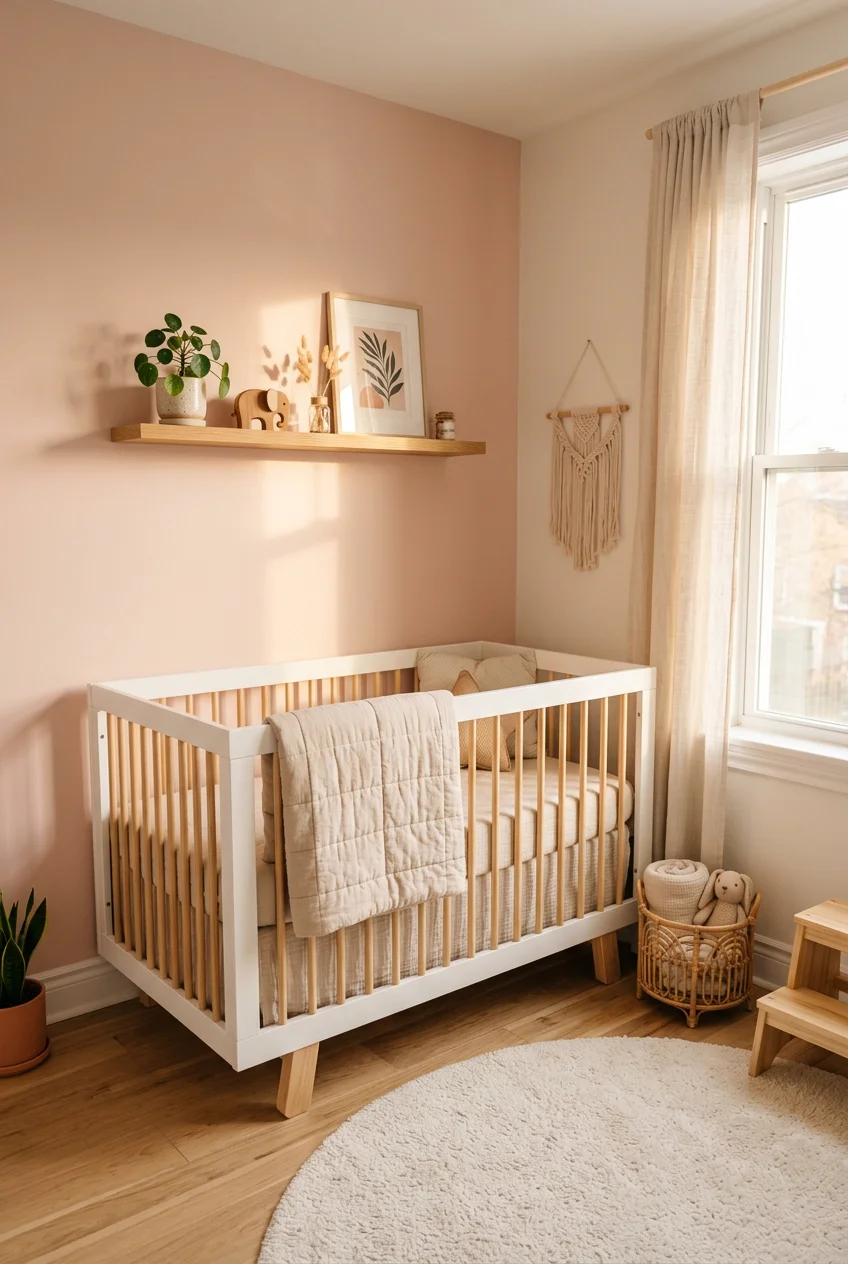
What’s Inside
- Opt for a Mini Crib to Maximize Floor Space
- Embrace Multifunctional Dressers with Integrated Storage
- Utilize Vertical Space with Floating Shelves
- Choose Light, Muted Pink Paint Colors
- Incorporate a Compact Slim Glider
- Implement Color Drenching for a Cohesive Look
- Ditch the Matching Furniture Set
- Maximize Closet Space with Double Rods
- Create Distinct Functional Zones
- Integrate Smart Nursery Technology
- Choose a Washable Area Rug
- Prioritize Natural Materials and Textures
- Install Book Ledges Behind the Door
- The Closet Nursery Conversion
- Avoid Over-Theming the Decor
- Use Acrylic Shelving for Visual Lightness
- Strategic Mirror Placement
- Ceiling Wallpaper or Decals
- Layered Blackout Curtains
- Utilize Under-Crib Storage Bins
Most folks start designing a nursery by shoving a massive, bulky standard crib into a 9×10 room and wonder why the space feels like a cramped storage unit. When you’re searching for pink small nursery ideas, the goal isn’t just to paint the walls bubblegum and call it a day. It’s about making deliberate, space-saving choices that actually function at 3 AM. A tiny room requires ruthless editing and clever furniture placement. If you only try one idea from this list, make it #1. Swapping a standard crib for a mini crib reclaims precious square footage without sacrificing an ounce of style. Trust me on this.
Skip this list if you have a massive 15×15 bonus room to work with, or if you strictly prefer stark, colorless, minimalist aesthetics. These strategies are specifically engineered for tight quarters, awkward layouts, and parents who want a warm, decidedly pink palette.
1. Opt for a Mini Crib to Maximize Floor Space

Standard cribs are massive pieces of furniture. They measure roughly 28 inches by 52 inches and completely dominate tight floor plans. Choosing a mini crib reclaims vital square footage immediately. Mini crib mattresses typically measure around 24 inches wide by 38 inches long. Brands like Babyletto offer sleek designs, specifically the Lolly 4-in-1 Mini Crib or the Gelato 4-in-1 Mini Crib. These usually range from $200 to $500 depending on the retailer. You can find them at Target or specialty baby boutiques. The smaller footprint means you actually have room to walk around the crib without stubbing your toe in the dark. Best for: tiny apartments or shared primary bedrooms where space is nonexistent. The catch: your baby will outgrow a mini crib faster than a standard size, usually around 18 to 24 months, forcing a transition to a toddler bed sooner.
2. Embrace Multifunctional Dressers with Integrated Storage

Buying a standalone changing table is a massive waste of space. A smarter approach involves selecting furniture that serves dual purposes. A sturdy dresser equipped with a removable changing tray on top eliminates the need for a single-use piece of furniture. The Babyletto Yuzu 3-Drawer Changer Dresser is a prime example of this hybrid approach. You get clothing storage and a diaper station in one compact footprint. Delta Children also makes solid options with built-in drawers underneath the crib frame, usually priced between $150 and $400 at stores like Walmart or BuyBuyBaby. This keeps extra crib sheets and swaddles exactly where you need them. The catch: the top drawer of the dresser becomes partially obstructed when you’re standing directly in front of it during a diaper change, making it slightly awkward to grab fresh clothes quickly.
3. Utilize Vertical Space with Floating Shelves

Floor space is a premium commodity, so the walls have to do the heavy lifting. Installing floating shelves above the changing station or crib keeps daily essentials accessible but entirely out of the way. You can stack a 4 oz tub of diaper cream, a heavy wipe dispenser, and a few board books up high. Ensure they’re securely anchored into wall studs. Wall hooks are equally vital for hanging storage bags, damp towels, or a bulky diaper bag. You can grab simple wooden peg hooks at IKEA for under $20. Utilizing vertical space keeps the floor clear of tripping hazards. Best for: renters who are allowed to drill small holes in the drywall. The catch: open shelving requires constant tidying. If you just throw random items up there, the room instantly looks cluttered and chaotic.

Criusia Drawer Organizer Clothes
A dependable everyday pick — Criusia Drawer Organizer Clothes pulls in 12 ratings at 4.5 stars. Not flashy, just solid.
4. Choose Light, Muted Pink Paint Colors

Saturating a tiny room in hot magenta is a fast track to claustrophobia. To make a small room feel larger and more open, stick to light, airy, muted pink shades. Professional painters frequently recommend Benjamin Moore’s Opal OC-73. It’s a delicate, pearlescent pink that bounces natural light around beautifully. Sherwin-Williams’ Intimate White is another excellent option. It provides a soft blush tone that feels calming rather than aggressive. You want a color that whispers, not one that shouts. Avoid overly saturated or bold pinks on all four walls, as this makes the walls feel like they’re closing in on you. The catch: light blush paints are notoriously tricky to get right. They often look beige in artificial light or aggressively pink in direct afternoon sun, requiring you to test large swatches before committing.
5. Incorporate a Compact Slim Glider

A comfortable feeding nook is non-negotiable. However, standard plush recliners will swallow a small nursery whole. Look for narrow gliders specifically designed for tight spaces. You want a chair with a width of no more than 30 inches. The Babyletto Madison Swivel Glider and the Delta Children Blair Slim Nursery Glider are excellent options. They offer genuine comfort without consuming half the room. You can usually find these compact models priced between $250 and $600 at Crate & Kids or Wayfair. They provide the necessary back support for late-night feedings while keeping the room navigable. Best for: nurseries carved out of awkward architectural nooks or large walk-in closets. The catch: slim gliders rarely have high enough backs to rest your head against, which gets uncomfortable during 45-minute cluster feeding sessions in the middle of the night.
6. Implement Color Drenching for a Cohesive Look

When looking at pink small nursery ideas, color drenching is a major 2026 design trend that works wonders in tight spaces. This technique involves painting the walls, baseboards, window trim, and even the ceiling in the exact same shade. For a pink room, a dusty rose or soft peach creates an enveloping, cozy feel. It completely removes visual interruptions. When the eye doesn’t stop at a stark white baseboard, the room naturally appears larger and far more cohesive. Benjamin Moore’s Sugarcane is highly effective for this specific application. It provides enough depth without feeling heavy or oppressive. Best for: rooms with low ceilings that need a visual lift. The catch: painting the ceiling is physically exhausting and messy. If you hire a professional, color drenching significantly increases the labor cost because of the intricate ceiling and trim work involved. You might also like: 17 Nursery Ideas Girl for Every Budget
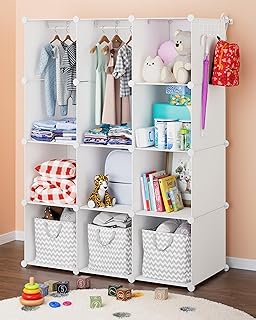
CUBEDIY Baby Closet Organizer for Nursery: Durable Baby
CUBEDIY Baby Closet Organizer for Nursery: Durable Baby Wardrobe for C is sturdier in person than the photos suggest — over 342 buyers gave it 4.5 stars.
7. Ditch the Matching Furniture Set

A very common mistake is buying a matching crib, dresser, and changing table set straight off the showroom floor. Buying everything in the exact same chunky white wood makes a small room feel like a sterile furniture catalog. Mixing different but complementary pieces adds character and visual depth. Pair a natural wood crib with a soft sage green dresser, or a white metal crib with a vintage warm-wood chest of drawers. This prevents the space from feeling uniform or bland. You can source unique dressers from local antique shops or HomeGoods to contrast with a modern crib. The catch: mixing furniture styles requires a good eye for scale. If you pair a delicate wire crib with a massive, heavy oak dresser, the room will feel entirely lopsided and visually unbalanced. You might also like: 18 Unique Nursery Themes You Need to See
8. Maximize Closet Space with Double Rods

If the nursery has a closet, it needs to work overtime. Baby clothes are incredibly short, meaning a single high hanging rod wastes three feet of usable space below it. Installing a second, lower clothing rod instantly doubles your hanging capacity. Use closet organizers, stackable acrylic bins, and drawer dividers to keep tiny socks and hats tidy. Target’s Pillowfort line offers excellent, affordable pink storage bins. Their 10.5-inch square bins typically run around $5 to $15 each and fit perfectly on standard closet shelves. Best for: homes lacking the floor space for standalone dressers. The catch: standard closet doors swing outward and eat up floor space. You often have to remove the doors entirely or swap them for curtains to actually access the new storage efficiently without banging the door into the crib. You might also like: 20 Cozy Whimsical Nursery Lighting Ideas You Haven’t Thought Of
9. Create Distinct Functional Zones

Even in a room no bigger than a walk-in closet, defining functional zones enhances usability. You need a sleeping zone, a changing zone, and a feeding nook. Place the crib in a visually calm area away from the window drafts. Set up a compact changing station on top of the dresser near the door for quick access. Put the glider in a corner with a small side table. This layout keeps essentials within arm’s reach and prevents the room from feeling like a jumbled mess of baby gear. You want to move efficiently from the crib to the changing pad. The catch: strict zoning in a tiny room means you have zero flexibility to rearrange later. Once the furniture is locked into its specific zone, it usually can’t be moved without disrupting the entire flow of the room.

Criusia Over the Door Organizer
A dependable everyday pick — Criusia Over the Door Organizer pulls in 336 ratings at 4.5 stars. Not flashy, just solid.
10. Integrate Smart Nursery Technology

Smart nurseries are dominating 2026 trends for good reason. They offer convenience that actually matters at 3 AM. A smart night light connected to a motion sensor prevents you from stumbling over toys in the dark. A smart thermostat sensor placed directly in the nursery ensures the room maintains an ideal temperature, rather than relying on the hallway thermostat. Brands like Nanit offer smart baby monitors that track sleep analytics and provide overhead views. You can find these at Best Buy or Target, usually ranging from $200 to $400. They eliminate the need for bulky standalone sound machines and nightlights. The catch: smart tech relies entirely on your home’s Wi-Fi stability. If your router drops the signal, you lose your monitor feed and your automated nightlights instantly, leaving you completely in the dark.
11. Choose a Washable Area Rug

A bright, washable area rug delineates the nursery space and adds a necessary pop of pink color. It also makes the room feel larger by drawing the eye to the center of the floor. Opt for rugs made from natural, easy-to-clean fibers or specifically designed washable synthetics. Spills, diaper blowouts, and spit-up are inevitable. A standard 4×6 foot rug works perfectly in most small nurseries. It provides a soft play area without swallowing the baseboards. Brands like Ruggable or Boutique Rugs offer great washable options in the $100 to $250 range. You just toss them in the washing machine when disaster strikes. The catch: washable rugs are notoriously thin. You absolutely must buy a thick, high-quality rug pad to go underneath it, or it will feel like sitting on bare, hard floors.
12. Prioritize Natural Materials and Textures

A room painted entirely pink can quickly veer into looking like a plastic dollhouse. Ground the space by incorporating natural materials and sustainable decor. This aligns perfectly with the 2026 Boho Chic trend. Bring in natural wood furniture, woven jute baskets, and organic cotton textiles. OrganiHaus makes excellent woven storage baskets that you can often find for $15 to $30 on Amazon or at local home stores. These materials add necessary texture and warmth to a pink palette, breaking up the monotony of painted surfaces. Best for: parents aiming for an earthy, relaxed aesthetic. The catch: natural woven materials like jute and rattan can be rough on a crawling baby’s knees. You have to be careful about where you place them on the floor to avoid scratches and splinters.

Beautiful Wooden Baby Closet Dividers Set of 7
Beautiful Wooden Baby Closet Dividers Set of 7 – Double-Sided Organize has been one of the most consistently praised picks in this category. 11 reviewers averaged 4.5/5.
13. Install Book Ledges Behind the Door

The space behind the bedroom door is almost always wasted. A highly effective tactic for small nurseries is installing thin, acrylic or wooden book ledges directly on the wall behind the door. This utilizes a dead zone for displaying books forward-facing. It adds a colorful visual element and keeps reading materials organized without protruding far into the room. You only need about 4 inches of clearance to make this work. IKEA spice racks painted pink are a classic, budget-friendly hack for this specific project. It keeps the books visible and accessible for toddlers. The catch: you have to install a rigid doorstop. If the door swings open too fast, the handle will smash directly into the shelving and ruin the drywall, potentially knocking heavy books onto the floor.
14. The Closet Nursery Conversion

If you literally don’t have a spare room, a standard closet can be converted into a highly functional nursery nook. Remove the closet doors completely. Paint the interior a soft blush pink to define the space. Place a mini crib directly inside the closet alcove. Utilize the side walls of the closet for floating shelves and peg hooks. This creative solution carves out a dedicated baby space even in a one-bedroom apartment. You can hang a curtain rod across the top to soften the opening. Best for: apartment renters or families sharing a primary bedroom with their infant. The catch: closets lack proper ventilation and natural light. You have to be incredibly mindful of airflow and temperature control, often requiring a small clip-on fan to keep the air from getting stale.
15. Avoid Over-Theming the Decor

When gathering pink small nursery ideas, a frequent mistake is over-theming the room with too many character-specific items. Plastering princesses or cartoon flamingos on every surface makes a small room look intensely cluttered and guarantees the child will outgrow it by age two. Instead, integrate pink through subtle accents and timeless patterns. The 2026 vintage storybook romance trend gets this right. Use soft watercolor floral prints, antique brass hardware, and classic white furniture. This approach feels curated rather than bought out of a single catalog aisle. It allows the room to age gracefully as the baby grows into a toddler. The catch: sourcing vintage-inspired, non-themed decor takes significantly more time and effort than just buying a pre-packaged, matching nursery set from a big-box store. You have to hunt for individual pieces that coordinate well.

Vailando 6-Shelf Hanging Closet Organizer with 3 Drawers
Vailando 6-Shelf Hanging Closet Organizer with 3 Drawers is sturdier in person than the photos suggest — over 35 buyers gave it 4.5 stars.
16. Use Acrylic Shelving for Visual Lightness

Heavy wooden shelves weigh down a room’s aesthetic. In a tight space, clear acrylic shelving provides storage without adding visual bulk. Because the shelves are completely transparent, the pink wall color shows right through them, making the room feel continuous and airy. They’re perfect for holding small items like a 2 oz bottle of lotion, pacifiers, or lightweight decor. You can find sturdy acrylic ledges at The Container Store or Amazon, typically ranging from $20 to $50 for a set of three. They practically disappear against the wall while keeping small items organized. The catch: acrylic shows every single speck of dust and every fingerprint. You’ll find yourself wiping these shelves down constantly with microfiber cloths to keep them looking clean and clear.
17. Strategic Mirror Placement

Mirrors are the oldest trick in the book for a reason. Placing a large, securely anchored mirror opposite the room’s window bounces natural light into the darkest corners of the nursery. It creates an optical illusion that doubles the perceived depth of the room. A soft pink or brass-framed mirror adds a touch of elegance while serving a highly practical function. Target and West Elm carry beautiful, simple round mirrors that work well for this specific application. They make a cramped 9×9 room feel significantly more breathable and open. The catch: babies eventually become toddlers who love to throw heavy wooden blocks. A floor-length mirror is a massive shattering hazard, meaning you must hang it high up and anchor it into a stud with heavy-duty hardware.
18. Ceiling Wallpaper or Decals

When floor space is entirely non-existent, look up. Adding a subtle pink floral wallpaper or metallic gold star decals to the ceiling draws the eye upward, making the ceiling feel higher than it actually is. It gives the baby something visually stimulating to look at while lying in the crib. Peel-and-stick options from brands like Spoonflower make this project manageable for a weekend afternoon. It adds a layer of design sophistication without taking up a single inch of floor space. Best for: rooms with plain, flat ceilings. The catch: installing wallpaper on a ceiling is a miserable, shoulder-burning task. It almost always requires two people, a lot of patience, and perfectly smooth drywall to adhere properly without bubbling or peeling down the line.
19. Layered Blackout Curtains

Proper sleep requires a dark room, but heavy, dark drapes make a small room feel like a cave. The solution is smart layering. Install a double curtain rod. Hang sheer, light pink curtains on the front rod to soften the window during the day and let light filter in. Hang high-quality, pure white blackout panels on the back rod to pull closed for naps. You can find excellent blackout panels at Pottery Barn Kids or even Walmart for $30 to $80 a pair. This gives you light control without sacrificing the airy aesthetic. The catch: double curtain rods protrude further out from the wall than standard rods. If the crib is positioned right next to the window, the bulky layered fabric might brush against it.
20. Utilize Under-Crib Storage Bins

The space underneath the crib is prime real estate that usually just collects dust bunnies. Buy shallow, rolling storage bins designed to slide under standard or mini cribs. This is the perfect spot to stash bulky items like surplus diapers, out-of-season clothing, or extra swaddle blankets. Measure the clearance under your specific crib model before buying bins. The Container Store sells excellent low-profile rolling boxes that glide easily over carpets. Utilizing this hidden space keeps the main floor clear of clutter. Best for: rooms with zero closet space or minimal dresser storage. The catch: once you lower the crib mattress to its lowest setting when the baby starts standing, you lose almost all of that under-crib clearance, rendering those storage bins entirely useless.
How we chose these ideas: These strategies were selected based on their real-world renter-friendliness, overall cost, and the physical effort required to implement them. We prioritized ideas that offer maximum visual impact and genuine space-saving utility without requiring major structural renovations.
Designing a pink small nursery doesn’t mean sacrificing style for function. It just requires smarter furniture choices and a ruthless approach to clutter. Pin this list for your next weekend project, and start by measuring your space for that mini crib.
Frequently Asked Questions
What is the best pink paint color for a small nursery?
Light, muted shades work best to keep the room feeling open. Benjamin Moore’s Opal OC-73 and Sherwin-Williams’ Intimate White are excellent choices that bounce natural light without overwhelming a tight space.
How can I save space in a small pink nursery?
Swap a standard crib for a mini crib, use a dresser with a changing tray instead of a standalone changing table, and utilize vertical space with floating shelves and behind-the-door book ledges.
Does color drenching work in a small nursery?
Yes, color drenching—painting the walls, trim, and ceiling the same color—removes visual interruptions. Using a dusty rose or soft peach makes a small nursery feel larger and more cohesive.
How do I add pink without making the nursery look cluttered?
Avoid over-theming with character merchandise. Instead, integrate pink through subtle accents, washable area rugs, and soft watercolor prints. Mixing natural wood furniture with pink textiles creates a balanced, timeless look.
