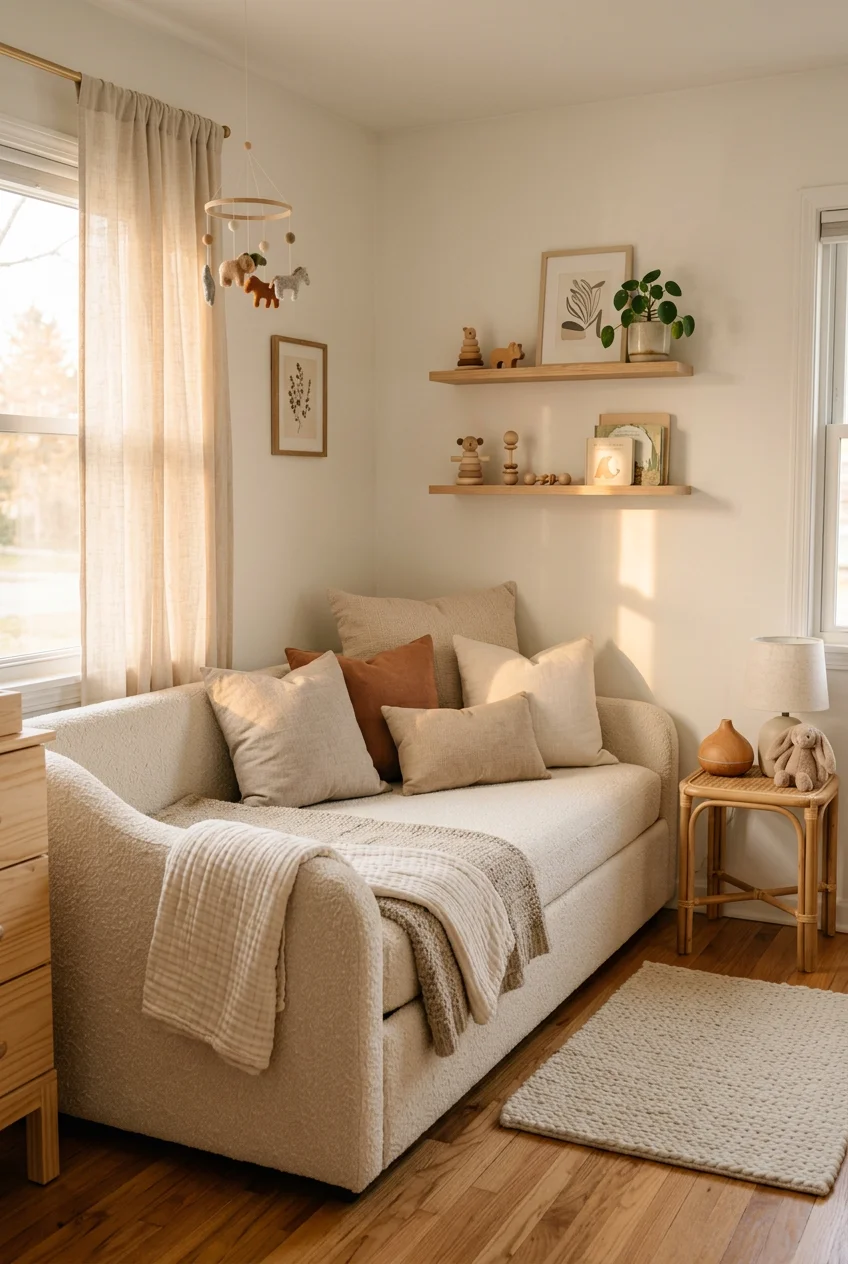
What’s Inside
- Prioritize Built-In Drawers Over Basic Frames
- Stick to Standard Twin Dimensions for Space-Saving
- Select a 6 to 10-Inch Medium-Firm Mattress
- Hide a Trundle Bed for Future Sleepovers
- Anchor the Frame to Prevent Tip-Over Accidents
- Adopt Soft Earthy Tones Instead of Loud Themes
- Demand GREENGUARD Gold Certification for Air Quality
- Keep the Bed Away From Windows and Cords
- Style With Oversized 22×22 Pillows for a Sofa Feel
- Invest in a Convertible Crib-to-Daybed System
- Verify Foam Density Before Buying
- Introduce Rattan and Natural Wood Textures
- Map Out Doorway and Traffic Clearances First
- Choose a Low-Profile Frame for Toddler Transitions
- Slide Woven Baskets Underneath for Quick Access
- Skip the Bulky Upholstered Headboards in Tight Corners
- Swap Traditional Nightstands for Floating Wall Shelves
Most parents cram a giant, overstuffed glider into a tiny room, then wonder why they’re constantly tripping over the ottoman in the dark. Using a daybed in a small nursery fixes your seating and sleeping problems at once, but only if you nail the layout. A daybed anchors the space, offers a supportive spot for 3 a.m. feedings, and hosts guests without eating up the room like a bulky queen mattress. If you only use one tip here, make it #1. Why? Using built-in storage under a twin mattress reclaims the exact footprint of the bed, giving you back floor space that a standard frame just wastes. Trust me.
Skip this list if your nursery is a converted closet under 8×8 feet. A standard twin frame needs at least 75 inches of clear wall space. Jamming one into a micro-nursery kills your room for a crib or a safe path to walk. It’s a cramped, dangerous mess.
1. Prioritize Built-In Drawers Over Basic Frames

When square footage is tight, every piece of furniture has to work for its spot. Getting a frame with integrated storage is the smartest move. Pieces like the IKEA BRIMNES frame with two drawers or the DHP Daybed with Storage Drawers (usually in the budget to mid-range tier) hide diapers, wipes, and extra sheets. These deep wooden drawers pull out easily, keeping visual clutter tucked away. Don’t make the mistake of buying a cheap wire frame and shoving plastic bins underneath; it looks like a messy dorm room. Built-in wooden drawers offer a clean, flush look that fits minimalist design. Best for: tight budgets and rooms with tiny closets. The catch: solid bases with drawers block airflow under the mattress, so you’ll need to rotate it every few months to stop moisture buildup in humid areas.
2. Stick to Standard Twin Dimensions for Space-Saving

Let’s be real, tight spaces need strict planning. Most frames fit a standard twin mattress, which is exactly 38 inches wide by 75 inches long. This footprint is perfect for small rooms because it gives you enough space for comfortable adult seating without swallowing the floor plan. A common error is buying a full-sized daybed (54 by 75 inches) thinking it’s better for guests. That extra 16 inches of width shrinks your walking paths and often jams the crib against a radiator or door. Sticking to 38 inches keeps the room balanced. You still get a spot to rest, but the room stays a nursery first and a guest room second. The catch: standard twins feel narrow if two adults are trying to sit side-by-side to read, often forcing someone to perch on the edge.
3. Select a 6 to 10-Inch Medium-Firm Mattress

While these frames take standard twin mattresses, the thickness changes the look and feel. An 8 to 10-inch hybrid or pocket coil mattress offers the support you need for daily nursing. A thinner 6 to 8-inch foam mattress works fine for occasional use and keeps the profile low. You can find good options at stores like Target or Walmart. A big aesthetic mistake is buying a massive 12-inch pillow-top. Thick mattresses swallow the back and side panels, turning a nice piece of furniture into a bulky, awkward block. Keep the profile moderate so the bed’s design stays visible. The catch: mattresses under 8 inches often lack edge support, so you might sink too deep when sitting down to hold the baby.

Baby Closet Divider, Baby Wardrobe Organizer
Baby Closet Divider punches above its price — 371 buyers rated it 4.5 stars. The kind of pick people reorder.
4. Hide a Trundle Bed for Future Sleepovers

A pull-out trundle is a lifesaver for newborn help or future sleepovers. Models like the West Elm Urban Trundle Daybed or the Pottery Barn Kids Carter Square Daybed with Trundle have a hidden lower carriage that rolls out on wheels. This section usually needs a thinner twin mattress (6 to 8 inches) to slide under the main frame. Having a second bed ready without taking up permanent floor space is a genius move for a small room. It saves you from dragging out an air mattress at midnight when a grandparent visits. Best for: families who host guests but lack a guest room. The catch: rolling out a trundle needs 40 inches of clear floor space, which usually means moving the nursery rug or play mat every time you use it. You might also like: 15 Baby Girl Nursery Room Ideas for Every Budget
5. Anchor the Frame to Prevent Tip-Over Accidents

Safety in a nursery is non-negotiable. Over 60,000 injuries happen every year to kids under five because of furniture tip-overs. Don’t assume a heavy wood daybed is stable enough to skip the anchors. Once a toddler learns to climb, the tall back panels become a jungle gym. If the frame is on thick carpet, the center of gravity shifts easily. You must secure the back panel directly into wall studs with heavy-duty metal brackets. Forget drywall anchors—they’ll just pull out. Taking twenty minutes with a stud finder and a drill prevents a disaster. The catch: drilling into studs means you’ll have to patch and paint holes if you ever move the bed. You might also like: 16 Baby Nursery Themes That Actually Work
6. Adopt Soft Earthy Tones Instead of Loud Themes

Design trends are moving away from loud, cartoon themes. Warm whites, soft beiges, sage greens, and muted terracotta create a calming vibe for both baby and exhausted parents. When picking a daybed, choose a natural wood finish or an upholstered fabric in oatmeal or stone so the piece blends into the background. Brightly colored furniture chops up a small room, making it feel chaotic. Earthy neutrals make the space feel airy. Plus, a neutral base is easy to update as your child grows. You just swap out a $20 throw instead of replacing $400 worth of furniture. The catch: light, neutral fabrics show milk spills and spit-up stains much faster than dark, busy patterns. You might also like: 16 Girls Nursery Ideas Worth Trying

Criusia Over the Door Organizer
Criusia Over the Door Organizer has been one of the most consistently praised picks in this category. 247 reviewers averaged 4.5/5.
7. Demand GREENGUARD Gold Certification for Air Quality

Indoor air quality matters when an infant sleeps 16 hours a day in a small room. Many budget pieces use particleboard and heavy glues that off-gas VOCs like formaldehyde for months. Look for daybeds and mattresses with GREENGUARD Gold certification. Products like the West Elm Elora Daybed or the Babyletto Hudson 3-In-1 Convertible Crib meet strict standards for low chemical emissions. This certification ensures the air your baby breathes is clean and free of harsh industrial odors. The smell of cheap, off-gassing furniture is sharp and totally avoidable if you check the labels first. Best for: homes with poor ventilation or babies with sensitive lungs. The catch: certified furniture usually costs more upfront than basic composite wood frames.
8. Keep the Bed Away From Windows and Cords

I’ve seen parents push a daybed against a window to save floor space. This ignores the strangulation risk from blind cords and the danger of window entanglement. Plus, glass panes radiate cold drafts in winter and heat in summer, making the bed uncomfortable. Follow safety rules: keep at least two feet of clearance from heaters, vents, and windows. Always put the bed against a solid interior wall, away from dangling wires or outlets. You want the sleep environment to be completely secure. The catch: following the two-foot rule often forces the bed into the middle of a small wall, limiting where you can put the crib and changing table.
9. Style With Oversized 22×22 Pillows for a Sofa Feel

A bare twin mattress pushed against a wall looks like a hospital bed, which kills the nursery vibe. To make it feel like a cozy seating area, use structural pillows. Designers suggest lining the back with several oversized 22×22 inch pillows. Cover these inserts with natural fabrics like linen or organic cotton to add texture. These large pillows offer real back support, turning a flat mattress into a comfortable spot for nursing or cuddling. Skip the flimsy standard pillows; they look messy and don’t provide the support you need for upright sitting. The catch: storing five massive pillows when someone needs to sleep on the mattress takes up space in a corner or a large basket.

Criusia Drawer Organizer Clothes
Criusia Drawer Organizer Clothes punches above its price — 11 buyers rated it 4.5 stars. The kind of pick people reorder.
10. Invest in a Convertible Crib-to-Daybed System

If you hate buying multiple large pieces of furniture in five years, a convertible system is the smartest financial move. Many modern cribs are built to transition from an infant bed to a toddler bed and finally into a daybed. For example, the Dream On Me Violet 7-in-1 Convertible Crib adapts as your child grows. When converted, the high back of the crib becomes the daybed backrest. This keeps the look consistent and saves you from the hassle of selling used baby furniture. You buy one piece and it works for nearly a decade. Best for: minimalists who want one purchase that lasts from newborn through preschool. The catch: convertible cribs rarely look as polished as a dedicated upholstered daybed once the front rail comes off.
11. Verify Foam Density Before Buying

A common mistake is buying a cheap, low-density foam mattress because the bed won’t be used every night. If you sit on the edge for feedings every day, or if an adult sleeps there often, low-density foam sags quickly. Within six months, you’ll be sitting in a permanent, uncomfortable divot. I learned that the hard way. Look for a foam density of 30 kg/m³ or higher to ensure support. High-density foam keeps its shape under weight and helps you stand up while holding a sleeping infant without sinking into the frame. Don’t let a low price trick you into buying a mattress that needs replacing in a year. The catch: high-density foam feels stiff for the first few months until it breaks in.
12. Introduce Rattan and Natural Wood Textures

To align with current trends, bring in tactile, natural materials. Instead of cold metal or painted MDF, choose daybeds made from solid rubberwood, FSC-certified oak, or woven rattan. If you want upholstery, look for heavy linen or nubby boucle. These materials add warmth and texture that stops a small room from feeling like a sterile box. The visual weight of wood grain or the weave of rattan adds character without needing bold paint or wallpaper. A room grounded in natural textures feels serene, which is exactly the mood you want at 3 a.m. The catch: open-weave rattan snags delicate baby blankets, and the crevices require frequent, annoying dusting to prevent allergens.

Beautiful Wooden Baby Closet Dividers Set of 7
A dependable everyday pick — Beautiful Wooden Baby Closet Dividers Set of 7 – Double-Sided Organize pulls in 11 ratings at 4.5 stars. Not flashy, just solid.
13. Map Out Doorway and Traffic Clearances First

I highly recommend mapping the floor plan with painter’s tape first. It’s a costly error to ignore how the daybed fits against doors, closets, and traffic flow. These dimensions aren’t just suggestions; they define how the room works. You need at least 24 inches of clearance along the sides of the bed for movement. Leave at least 28 inches at the foot, especially if it sits opposite a closet door. If you ignore this, you’ll be squeezing past the bed sideways and bumping your hips all day. The catch: keeping these strict clearance zones in a 10×10 nursery usually means sacrificing the rocking chair or downsizing your changing table.
14. Choose a Low-Profile Frame for Toddler Transitions

If you plan to use this daybed as your child’s “big kid” bed later, height is key. Choose a low-profile model that sits closer to the ground. This makes it easier for small children to climb in and out safely without needing a stool. Many low-profile beds also let you add temporary safety rails, which is vital for toddlers who roll around at night. Keeping the mattress low minimizes injury risk during those first few tumbles and builds independence. Best for: long-term planners who want to avoid buying more furniture later. The catch: low-profile frames are harder for adults with bad knees or back pain to stand up from while holding a sleeping baby.
15. Slide Woven Baskets Underneath for Quick Access

Even if your frame doesn’t have drawers, the space under the mattress is prime real estate. Maximize it by sliding sturdy, decorative baskets or fabric bins underneath. Stores like The Container Store or IKEA sell low-profile woven or felt bins that fit perfectly under standard frames. Use this space for seasonal clothes, extra blankets, or backup diapers. It keeps essentials within arm’s reach while keeping the room tidy. To clean the bins, just use a bit of mild detergent and water for spot cleaning. The catch: open-top baskets collect dust and pet hair, meaning you have to pull them all out to vacuum weekly.
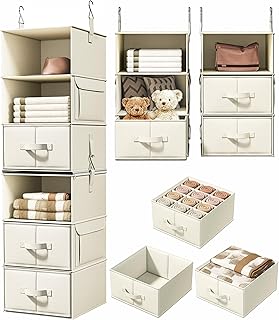
Vailando 6-Shelf Hanging Closet Organizer with 3 Drawers
If you want something that just works, Vailando 6-Shelf Hanging Closet Organizer with 3 Drawers is a safe bet (35 reviews, 4.5 stars).
16. Skip the Bulky Upholstered Headboards in Tight Corners

The look of a deeply tufted, upholstered daybed is tempting, but putting a thick, padded frame into a tight corner is a spatial disaster. Thick arms and backrests easily eat up 4 to 6 inches of floor space on every side. In a small room, losing half a foot to padding is unacceptable. Go for slim metal piping or sleek, minimalist wood frames instead. These designs sit flush against baseboards and leave more room for the crib and walking paths. A slim frame visually disappears into the wall, making the room feel larger. It provides structure without the bulk. The catch: leaning against a bare metal bar or hard wood slat is uncomfortable during a long feeding unless you have a thick pillow behind you.
17. Swap Traditional Nightstands for Floating Wall Shelves

A daybed needs a nearby surface for a bottle, sound machine, or light. However, a chunky nightstand takes up too much floor space in a small nursery. The smartest move is installing a slim, 12-inch floating shelf on the wall next to the bed. Stores like Target or Lowe’s sell sturdy floating ledges that hold a baby monitor and a glass of water without touching the floor. This keeps the floor plan open and prevents the room from feeling like a furniture showroom. It gives you the function of a table without the footprint. Best for: ultra-narrow rooms where a standard nightstand would block the door. The catch: floating shelves lack hidden drawers, so your cables and pacifiers will be visible on the wall.
How we chose these ideas: These strategies were selected for their ease of use, cost, and impact in small spaces. We prioritized multifunctional solutions that fix real constraints without requiring permanent renovations.
Using a daybed in a small nursery takes precise measurements and a ruthless approach to storage. You won’t regret choosing function over a trendy theme. Pin this list of daybed ideas to your mood board so you have the dimensions and safety clearances ready when you start shopping. No exaggeration.
Frequently Asked Questions
Can a standard twin daybed fit in a 10×10 nursery?
Yes, a standard 38×75 inch twin daybed fits in a 10×10 room, leaving enough space for a crib and dresser. You must place it against a flat wall and maintain a 24-inch walking clearance to avoid a cramped layout.
Are daybeds safe for toddlers to sleep in?
Daybeds are safe for toddlers if you choose a low-profile frame and install a temporary safety rail. Because daybeds have high backs and sides, they naturally prevent rolling on three sides, making the transition from a crib much easier.
How thick should a daybed mattress be for a nursery?
For daily use and adult seating, choose an 8 to 10-inch medium-firm mattress. Anything thicker than 10 inches will swallow the decorative frame, while a mattress under 6 inches lacks the edge support needed when holding a baby.
Do I need to anchor a heavy wooden daybed to the wall?
Absolutely. Even heavy wooden frames pose a severe tip-over risk once a toddler begins climbing. You must secure the back panel directly into the wall studs using heavy-duty metal anti-tip brackets to ensure complete safety.
