What’s Inside
- Prioritize Bare-is-Best Safety Standards
- Demand Exact Mattress Measurements for Snug Fits
- Stock Up on 3 to 5 High-Quality Fitted Sheets
- Add Subtle Luxury with Flat Embroidery
- Lean Into 2026 Trends with Sage Green and Terracotta
- Insist on 100% Organic Cotton and Breathable Muslin
- Design a Tailored Crib Skirt for Hidden Storage
- Protect the Wood with Custom Crib Rail Covers
- Try Color Drenching for a Calming Custom Made Crib Bedding Idea
- Print Unique Thematic Graphics Instead of Just Names
- Budget Realistically for Custom Work
- Stop the Habit of Over-Layering Mattress Sheets
- Weave in Curated Vintage Fabric Touches
- Layer Heavy Textures Outside the Crib Zone
- Pick Geometric Patterns for Toddler Bed Transitions
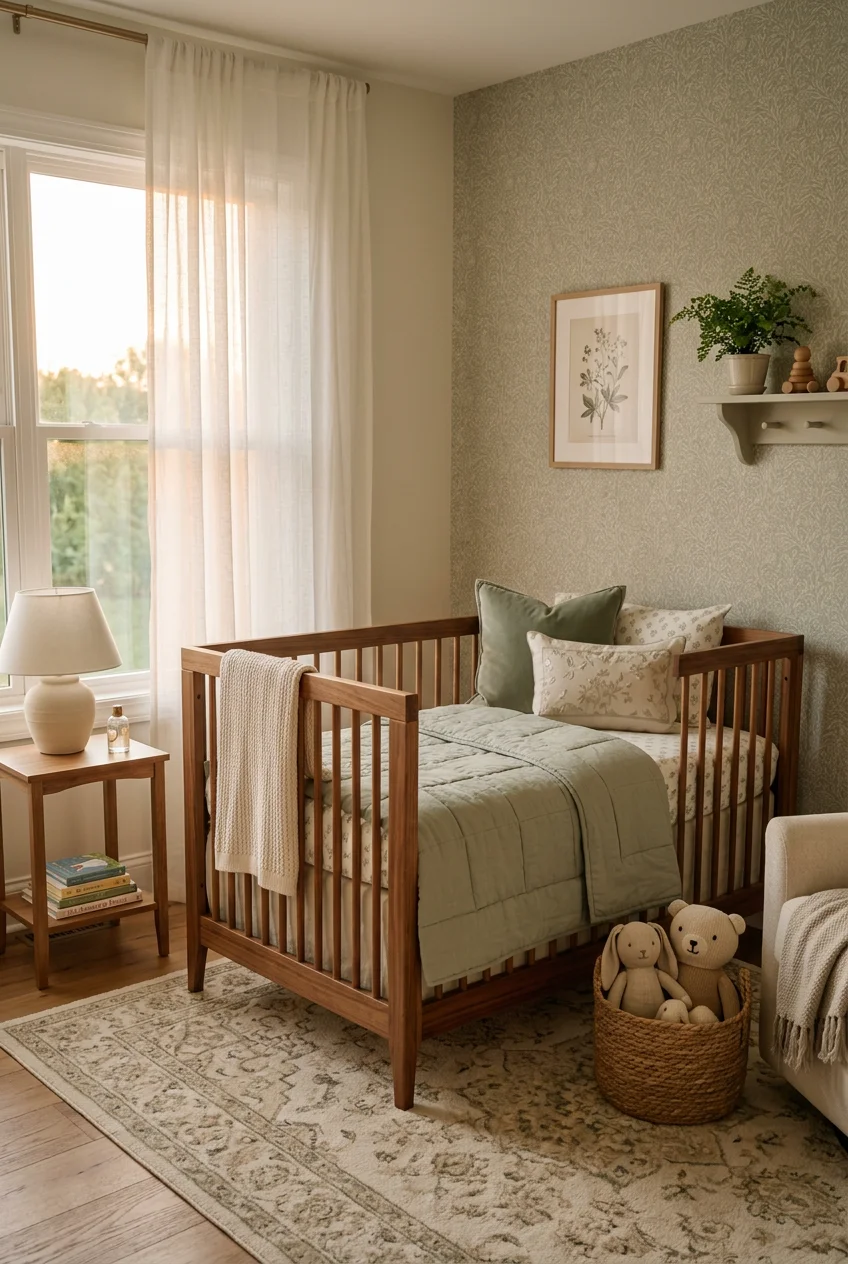
Most people treat the crib like a decorative basket, stuffing it with fluffy pillows and thick quilts before the baby even arrives. It’s a massive mistake. If you want actual custom-made crib bedding ideas that look beautiful without creating a dangerous sleep environment, you’ve got to rethink the entire approach. Prioritizing aesthetics over basic safety standards usually results in a room that looks great on social media but functions terribly for a real infant. You don’t need heavy layers to make a design statement. If you only try one idea from this list, make it #8. Here’s why: custom rail covers protect the expensive crib wood from teething marks while adding a massive punch of pattern right at eye level, entirely safely.
Skip this list if your budget for nursery textiles maxes out at a $20 multipack from big-box stores. Custom textiles take time to produce and cost significantly more than off-the-shelf options. You should also skip this if you expect to use traditional thick padded bumpers, which are dangerous and heavily advised against by pediatricians. Learned that the hard way.
1. Prioritize Bare-is-Best Safety Standards

When designing a nursery, the urge to fill the crib with fluffy quilts and decorative pillows is incredibly strong. Resist it. The American Academy of Pediatrics strictly advises against using loose bedding, blankets, pillows, soft toys, or traditional thick crib bumpers. These items pose massive risks for suffocation and entrapment. A safe sleep environment means the crib contains absolutely nothing except a firm mattress and a tightly fitted sheet. Bare is best. This rule dictates your entire design strategy. Instead of relying on a bulky quilt to bring color into the space, you’ve got to rely entirely on the visual impact of the fitted sheet and the exterior crib skirt. Many parents find this frustrating because the crib looks empty at first glance. The trick is choosing a highly saturated color or a striking pattern for that single sheet so the bed still acts as a focal point. You don’t need dangerous fluff to make the space look finished. The catch: a bare crib always looks slightly unfinished to older relatives who are used to heavy bedding sets, so prepare for their unsolicited comments.
2. Demand Exact Mattress Measurements for Snug Fits

A common mistake is using ill-fitting sheets that bunch up in the corners. The crib sheet must fit tightly and securely around the mattress, with no more than a 1-inch gap between the mattress and the crib rails. Standard crib mattress dimensions are typically 27.25 to 28 inches wide by 51.625 to 52 inches long, and up to 6 inches thick. When ordering custom sheets, provide the exact dimensions of your specific mattress, not just a generic guess. A properly fitted sheet will pull taut across the surface, creating a crisp, drum-like tension that looks incredibly neat and prevents the fabric from creating dangerous loose folds near the baby’s face. The elastic should wrap deeply under the mattress, not just cling to the edges. If the sheet slips off easily when you press down on the center of the mattress, it’s too loose. Best for: anxious first-time parents who want zero safety compromises. The catch: custom sizing means you can’t easily return the item if you measure your mattress incorrectly.
3. Stock Up on 3 to 5 High-Quality Fitted Sheets

While custom sheets require a larger upfront investment, having an adequate supply is strictly practical. You need a minimum of 3 to 5 fitted crib sheets in your rotation. Babies spit up constantly, and diaper leaks happen frequently in the middle of the night. If you only buy one or two beautiful custom sheets, you’ll find yourself frantically doing laundry at two in the morning while your baby sleeps in a travel crib. For babies prone to severe reflux, 5 to 7 sheets are advisable to ensure a clean, safe sleep surface is always ready to go. The smell of sour milk lingers in fabric, so you want enough sheets to allow for proper hot-water washing and thorough drying without stressing about the turnaround time. Having a solid rotation also prevents premature wear and tear on the elastic bands. The catch: buying five custom-made sheets gets expensive fast, often pushing the bedding budget well past standard expectations.

Premium Hypoallergenic Baby Crib Mattress and Toddler
Premium Hypoallergenic Baby Crib Mattress and Toddler Mattress – 52″ x has been one of the most consistently praised picks in this category. 19 reviewers averaged 4.5/5.
4. Add Subtle Luxury with Flat Embroidery

For a unique and luxurious touch, flat custom embroidery is the smartest route. Brands like Little English offer beautifully embroidered crib sheets, such as their blush options featuring delicate floral vines along the top edge. This adds a bespoke, high-end feel without compromising safety, because proper embroidery is entirely flat and integrated directly into the fabric itself. It doesn’t create a raised, padded surface that could obstruct breathing. You can customize the thread color to match the nursery walls perfectly, creating a cohesive design without adding extra items into the crib. Monograms placed at the head or foot of the mattress are a classic choice, but trailing botanical borders offer a more modern aesthetic. Just ensure the embroidery is done on a high-thread-count cotton so the fabric doesn’t pucker around the stitching. The catch: heavy embroidery threads can sometimes feel slightly scratchy if placed right under the baby’s cheek, so placement is crucial. You might also like: 16 Nursery Paint Colors for Every Budget
5. Lean Into 2026 Trends with Sage Green and Terracotta

Trending heavily for 2026 are earthy palettes centered around sage green and terracotta. These natural, warm, and soft shades create a soothing atmosphere that feels far more sophisticated than traditional pastel pinks or baby blues. Incorporate these colors into your custom sheets or crib skirts. A solid terracotta sheet paired with a soft sage green crib skirt grounds the room and pairs beautifully with natural wood furniture. These colors also hide minor stains much better than stark white percale. The visual warmth of terracotta mimics natural clay, bringing a grounded, organic feel to the room, while sage green acts as a highly versatile neutral. You can mix these tones with natural rattan baskets and brass hardware for a highly styled look. Best for: homes with abundant natural light, as these earthy tones look stunning in the afternoon sun. The catch: highly trendy color palettes might feel slightly dated by the time baby number two arrives a few years down the line. You might also like: 20 Dinosaur Toddler Room Worth Trying
6. Insist on 100% Organic Cotton and Breathable Muslin

Fabric choice dictates both comfort and durability. Choose custom sheets made strictly from natural fibers like 100% organic cotton, muslin, or bamboo. Organic cotton, like the options frequently stocked at Pottery Barn Kids, is highly breathable and hypoallergenic. Muslin offers exceptional airflow for babies who run hot, featuring a soft, crinkled texture that looks beautifully relaxed. Bamboo is excellent for sensitive skin due to its natural moisture-wicking properties and incredibly silky hand-feel. Skip the cheap stuff. Avoid synthetic fabrics like polyester or microfiber completely. They trap heat, cause babies to sweat unnecessarily, and often contain harsh chemical finishes. You want materials that soften with every wash, not ones that pill and trap static electricity. The catch: organic muslin is notoriously delicate and snags incredibly easily on the velcro tabs of modern infant swaddles. You might also like: 15 Gender Neutral Nursery Themes for Every Budget

Babelio Memory Foam Crib Mattress Dual-Sided Baby Toddler
Babelio Memory Foam Crib Mattress Dual-Sided Baby Toddler Mattress Sta is sturdier in person than the photos suggest — over 598 buyers gave it 4.5 stars.
7. Design a Tailored Crib Skirt for Hidden Storage

While not a safety item within the crib itself, a custom crib skirt upgrades the nursery’s aesthetic and discreetly hides massive amounts of under-crib storage. Standard crib skirts are approximately 28 inches wide by 52 inches long, with drop lengths varying from 12 to 17 inches. A 14-16 inch drop is the most common requirement for modern cribs. You can use this space to hide bulky boxes of diapers from Target or outgrown clothing bins. A tailored, flat-panel skirt with inverted pleats looks highly architectural and clean, whereas a gathered skirt feels more traditional and romantic. Choose a heavyweight fabric like linen or cotton canvas for the skirt so it hangs straight down without billowing. Best for: small nurseries where maximizing every square inch of storage space is absolutely necessary. The catch: a 16-inch drop skirt will drag heavily on the floor once you lower the mattress to the lowest safety setting for a standing toddler.
8. Protect the Wood with Custom Crib Rail Covers

A highly functional addition to your custom bedding order is a set of crib rail covers. These aren’t dangerous bumpers. They are protective fabric pieces that tie tightly over the top rails of the crib. They prevent babies from ingesting wood splinters, toxic paint, or varnish during the aggressive teething phase. They also protect the expensive crib from permanent chew marks, which matters immensely if you plan to use a convertible crib for years. Brands like Liz and Roo and Biloban offer various styles, but having them custom-made ensures they match your sheets exactly. You can use a contrasting fabric, like a bold stripe or a dark floral, to frame the top of the crib beautifully. They tie securely with fabric ribbons, staying completely out of the mattress area. The catch: standard rail covers only fit straight, flat rails, making them completely useless for ornate, curved sleigh-style cribs.
9. Try Color Drenching for a Calming Custom Made Crib Bedding Idea

A massive design approach for 2026 is color drenching, where a single, highly saturated color is used throughout the entire room, including the walls, trim, doors, and even ceilings. You can extend this concept directly to your custom-made crib bedding ideas by choosing sheets and skirts in varying shades or subtle patterns within that exact chosen color palette. For example, if the walls are a deep moody blue, order a custom sheet in a lighter dusty blue and a crib skirt in a rich navy linen. This creates a deeply calming, immersive effect that feels incredibly high-end. It stops the crib from looking like a disjointed piece of furniture and integrates it entirely into the room’s architecture. The monochromatic look is visually restful, which is exactly what you want in a sleep environment. Best for: small dark rooms, as wrapping the space in one continuous color blurs the sharp corners and makes the room feel larger. The catch: matching dye lots across different fabric types (like cotton sheets and linen skirts) is notoriously difficult.

Hiccapop Baby Crib Mattress, Waterproof
Hiccapop Baby Crib Mattress punches above its price — 782 buyers rated it 4.5 stars. The kind of pick people reorder.
10. Print Unique Thematic Graphics Instead of Just Names

Beyond basic monograms, custom bedding services like YouCustomizeIt allow you to upload your own patterns, high-resolution photos, or thematic graphics. This enables truly unique designs that you literally can’t buy in a store. You could design a Celestial Moonlight Dream theme with custom-printed constellations that map the night sky on your due date, or a Modern Woodland motif featuring specific native plants from your home state. This level of customization turns a simple fitted sheet into a massive piece of art. If you have a specific wallpaper, you can often work with a graphic designer on Etsy to create a complementary fabric pattern, ensuring the crib ties perfectly into the wall treatment. The catch: highly specific custom prints often have massive lead times, usually taking four to six weeks to print and ship, so you can’t order them at the last minute.
11. Budget Realistically for Custom Work

Custom crib bedding demands a specific budget. You aren’t buying mass-produced cotton here. Expect to pay anywhere from $90 to $120 per individual item. For example, a personalized fitted crib sheet with a custom pattern typically runs around $95, while a heavy linen custom crib skirt will easily hit $115 or more. Plan your budget accordingly, focusing your custom efforts on the key pieces that actually matter: the fitted sheets and the crib skirt. Skip the matching decorative pillows or custom blankets, as they can’t go in the crib anyway. Allocating your budget strictly to the safe, functional pieces ensures you get high-quality fabrics without wasting money on hazardous accessories. Best for: tight budgets, because focusing your cash on just one or two high-impact custom sheets is smarter than buying a massive 10-piece generic bedding set. The catch: shipping and handling for custom boutique items often adds another $15 to $20 to the final bill.
12. Stop the Habit of Over-Layering Mattress Sheets

While having multiple sheets in your closet is a great idea, avoid the common mistake of layering several sheets on the mattress at once. Many parents try the trick of layering a waterproof pad, a sheet, another pad, and another sheet to make middle-of-the-night changes faster. Don’t do this. Layering multiple textiles creates a loose, bulky fit that compromises the tight tension required for safety. It creates a spongy surface and a potential suffocation hazard if the top layers shift. Always use one tightly fitted sheet directly over a single, thin, securely fitted waterproof mattress protector. The mattress should remain entirely firm. If you can pinch the fabric and pull it up more than an inch, you’ve got too many layers on the bed. The catch: changing a single sheet and protector in the dark at 3 AM takes significantly longer than just ripping off a top layer. Trust me on this.

Graco Premium Crib & Toddler Mattress
Graco Premium Crib & Toddler Mattress – GREENGUARD Gold Certified has been one of the most consistently praised picks in this category. 515 reviewers averaged 4.5/5.
13. Weave in Curated Vintage Fabric Touches

A major design shift is the curated vintage trend, which focuses on integrating one or two storied, historical pieces rather than creating a room that looks like a literal antique shop. You can apply this to your custom bedding by having a crib skirt made from a repurposed, high-quality vintage fabric. Finding a heavy, vintage floral chintz or a classic ticking stripe on Etsy and having it tailored into a crisp, modern flat-panel skirt adds immense character to a new crib. It brings a sense of history and depth to the room that brand-new fabrics simply can’t replicate. Just ensure any vintage fabric used is thoroughly cleaned, free of degrading fibers, and structurally sound enough to withstand a nursery environment. The catch: authentic vintage textiles often require delicate cold-water washing and line drying, which is highly annoying when dealing with baby messes.
14. Layer Heavy Textures Outside the Crib Zone

Since the crib itself must remain entirely bare for safety, you’ve got to apply the trend of layered textures to the surrounding nursery decor to prevent the room from feeling sterile. Use custom-made blackout curtains, heavy knit throws draped over a glider, or decorative textured pillows placed on a high shelf. Mixing materials like washed linen, nubby boucle, and soft faux fur adds incredible visual warmth and depth to the room. Stores like Crate & Kids offer great textured accent pieces that contrast beautifully with a crisp, tight custom crib sheet. By moving the visual weight of the textiles away from the baby’s sleep space and onto the windows and seating areas, you achieve a cozy, heavily designed look without compromising infant safety. Best for: large nurseries that tend to echo if they don’t have enough soft surfaces to absorb the sound. The catch: heavy textures like boucle and velvet attract dust and pet hair like an absolute magnet.
15. Pick Geometric Patterns for Toddler Bed Transitions

Consider the longevity of your custom choices before you finalize the order. Most modern cribs convert directly into toddler beds. If you choose a highly specific, babyish print featuring cartoon elephants, you’ll likely want to replace it within two years. Instead, choose custom sheet designs and colors that easily transition as the child grows. A sophisticated botanical print, a classic cabana stripe, or a subtle geometric pattern from a brand like West Elm will age significantly better. These mature patterns look just as appropriate on a toddler bed as they do in a newborn’s crib, allowing your expensive custom pieces to be used for three to four years instead of just twelve months. Treating the crib sheet like a standard piece of adult bedding in a smaller size is always a smart design move. The catch: light-colored geometric patterns show spit-up stains and toddler messes much faster than busy, darker floral prints.
How we chose these ideas: We prioritized safety above all else, filtering out any bedding concepts that violate AAP guidelines. From there, we focused on ideas that offer maximum visual impact, realistic cost expectations, and durable materials that can handle constant washing. We specifically highlighted renter-friendly options like rail covers and skirts that don’t require permanent room alterations.
Designing a nursery should be fun, but keeping the sleep space safe is non-negotiable. Stick to tight sheets, bare mattresses, and high-quality fabrics, and the room will look incredible. Pin this list so you’ve got the exact measurements and fabric recommendations handy when you’re ready to order your custom pieces! No exaggeration, it’ll save you a headache.

JOYMISS Breathable Crib & Toddler Mattress: Soft Cribs
If you want something that just works, JOYMISS Breathable Crib & Toddler Mattress: Soft Cribs mattresses for is a safe bet (39 reviews, 4.5 stars).
Frequently Asked Questions
How much does custom crib bedding typically cost?
Custom crib bedding requires a specific budget, typically ranging from $90 to $120 per individual item. A personalized fitted sheet usually costs around $95, while a custom-tailored linen crib skirt can exceed $115, not including additional shipping fees.
Are custom crib bumpers safe to use?
No. The American Academy of Pediatrics strictly advises against using traditional thick crib bumpers, whether custom-made or store-bought. They pose massive risks for suffocation and entrapment. A safe crib contains only a firm mattress and a tightly fitted sheet.
What is the standard size for a custom crib sheet?
A standard crib mattress is typically 27.25 to 28 inches wide by 51.625 to 52 inches long, and up to 6 inches thick. You must provide these exact dimensions to ensure a snug, safe fit with no loose fabric.
Which fabrics are best for custom baby sheets?
Always choose natural, breathable fibers for custom baby sheets. 100% organic cotton, muslin, and bamboo are excellent choices. They regulate temperature well and soften with washing. Avoid synthetic materials like polyester, which trap heat and cause babies to sweat.
