What’s Inside
- Embrace Earthy, Gender-Neutral Palettes
- Prioritize Zero-VOC Paint
- Invest in a Quality Glider
- Anchor All Furniture to the Wall
- Layer Lighting with Dimmers
- Choose Cordless Blackout Curtains
- Select the Right-Sized Rug
- Hang Wall Art at the Correct Height
- Curate Vintage Pieces for Character
- Install Mobiles Safely and Temporarily
- Plan for Growth with Convertible Furniture
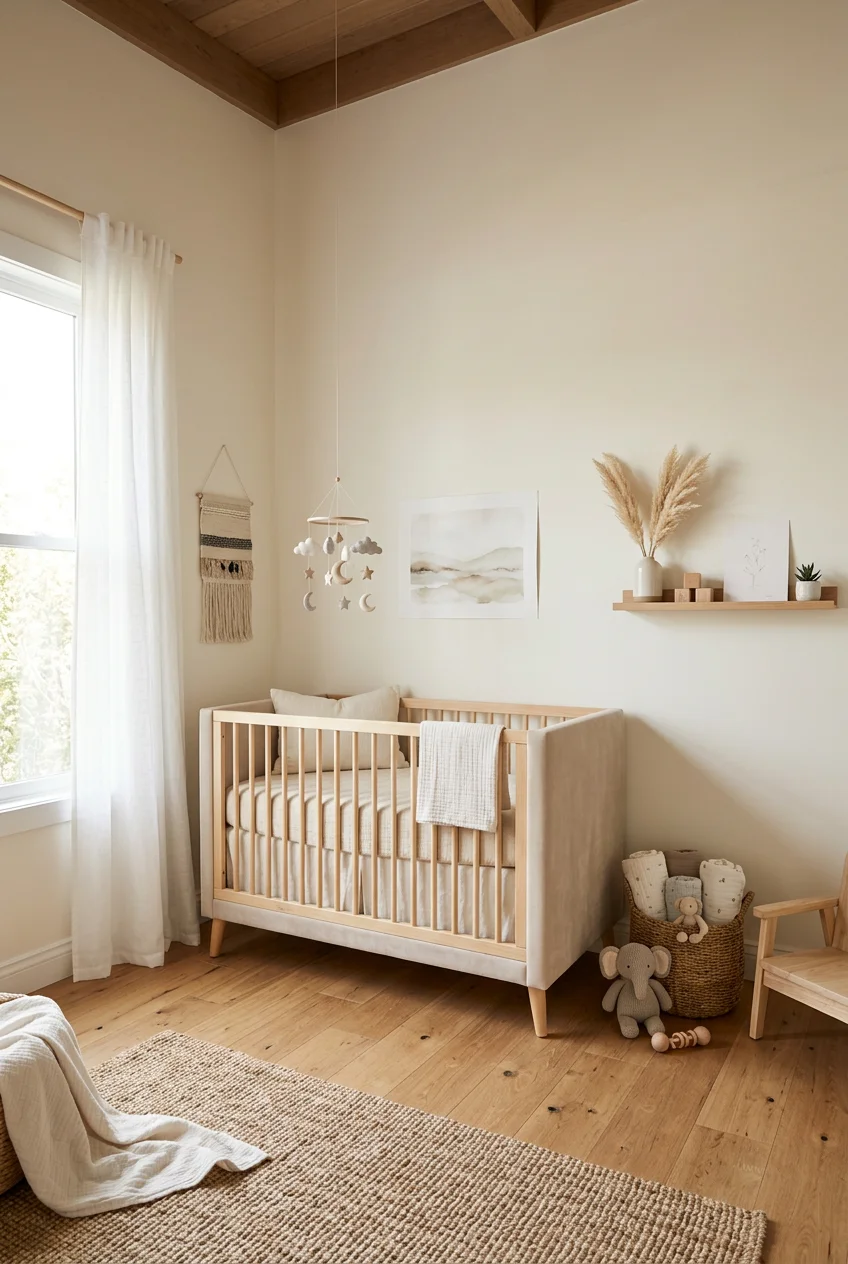
- Incorporate Layered Textures
- Don’t Overdo the Theme
- Paint After Choosing Textiles
- Utilize Mirrors for Engagement
- Install Floating Book Ledges
- Use Woven Baskets for Soft Storage
- Add Fresh Greenery for Life
Most folks start planning a nursery by panic-buying a crib and slapping a bright pastel coat on the walls. Then they wonder why the room feels like a chaotic daycare instead of a quiet retreat. Designing a baby room takes a methodical approach. It’s not a shopping spree. If you only try one idea from this list, make it #14. Here’s why. Choosing your paint color before your textiles is a rookie mistake that limits every other design choice in the room. I learned that the hard way.
Skip this list if you want a floor-to-ceiling Disney theme or traditional bubblegum pink and baby blue explosions. These ideas focus on grounded, transitional design that looks like it belongs in an adult home. If you want a cartoon room, this guide won’t help you.
1. Embrace Earthy, Gender-Neutral Palettes

Most people default to stark whites or loud pastels for nurseries. The smarter approach for modern baby room decor is pulling warm, muted tones that mimic nature. Think sage green, terracotta, mushroom taupe, and creamy whites. Benjamin Moore Saybrook Sage HC-114 or Sherwin-Williams Creamy SW 7012 creates a calming, grounded atmosphere. These shades don’t scream baby and easily transition into a guest room later. The visual weight of terracotta anchors a room better than a floating, icy blue. Pair these earthy walls with natural wood cribs and linen curtains for a cohesive look. It’s a method that treats the nursery like an extension of your home rather than an isolated playroom. Best for: homes with open floor plans where the nursery is visible from the hallway. The catch: dark earthy tones can make a small room feel cavernous if you don’t balance them with ample natural light.
2. Prioritize Zero-VOC Paint

Paint fumes aren’t something you want lingering around a newborn. When selecting paint, zero-VOC or low-VOC options are non-negotiable for air quality. Brands like Benjamin Moore and Sherwin-Williams offer Greenguard Gold certified paints. These formulas undergo rigorous testing for harmful chemicals and emissions. The coverage is just as good as traditional paint, but without the headache-inducing chemical smell that takes weeks to off-gas. Most standard paints release toxins long after they dry. A Greenguard Gold certified gallon usually costs a bit more, falling in the mid-range to premium price tier, but the peace of mind is worth the extra budget. You’re painting the room where a tiny human will spend 16 hours a day sleeping. Don’t cut corners here. Buy the right primer, prep the walls properly, and use the clean paint. The catch: zero-VOC paints often require a more thorough stirring process and can dry slightly faster, meaning you have to work quickly to avoid lap marks.
3. Invest in a Quality Glider

A cheap rocking chair is a fast track to back pain. A comfortable glider is essential for late-night feedings, soothing, and endless cuddles. Two frequent recommendations in the design world are the Nurture& The Glider Plus and the Babyletto Kiwi Electronic Recliner and Swivel Glider. The Babyletto model even includes a hidden USB-C port for charging your phone during a 3 AM feeding session. Prices for these motorized, high-back options range from $300 to over $1000. It’s a significant investment, but a high-quality glider will last for years. Look for stain-resistant performance fabrics. Babies spit up, bottles leak, and coffee spills happen. A tight weave fabric prevents liquids from immediately soaking into the foam cushion. Test the recline mechanism to ensure it operates silently. Best for: parents planning to nurse or bottle-feed frequently in the nursery. The catch: electronic recliners must be placed near a wall outlet, which dictates your furniture layout and limits placement.

Modanais Baby Diaper Caddy Organizer Cart
Modanais Baby Diaper Caddy Organizer Cart – 3 Tier Rolling Storage Car has been one of the most consistently praised picks in this category. 325 reviewers averaged 4.5/5.
4. Anchor All Furniture to the Wall

Safety is the most critical component of baby room decor. Dressers, bookcases, and changing tables look sturdy until a 25-pound toddler pulls out all the drawers and tries to climb them. You must anchor all heavy furniture to the wall. Use heavy-duty furniture straps or metal L-brackets to secure these pieces directly into a wall stud. Drywall anchors aren’t enough for heavy wood furniture. Find the stud, drill a pilot hole, and use a heavy-gauge screw. Many modern dressers come with anti-tip kits included, but you can also buy universal steel cable kits at Walmart or hardware stores for typically under $20. Do this before the baby arrives. Once they start pulling up and cruising, you won’t have the time or energy to pull furniture away from the walls. Trust me on this. The catch: anchoring requires drilling holes into your walls and potentially the furniture itself, which can be an issue for strict landlords.
5. Layer Lighting with Dimmers

Relying solely on a harsh overhead ceiling light is a rookie mistake. You need layered lighting with dimmers and warm tones to mimic natural evening light and support a baby’s developing circadian rhythm. Install dimmable LED ceiling bulbs with a warm color temperature between 2700K and 3000K. Anything higher looks like a sterile hospital corridor. Next, add a dedicated task lamp. A swing-arm sconce mounted near the changing table or feeding chair provides focused, soft illumination during nighttime diaper changes. You want just enough light to see the snaps on a onesie without signaling to the baby that it’s time to wake up and play. Smart bulbs are also useful here. You can program them to turn on at 10 percent brightness for middle-of-the-night check-ins. Best for: rooms with small windows or poor natural light. The catch: hardwiring a new wall sconce requires an electrician, which adds significant cost unless you opt for a plug-in version.
6. Choose Cordless Blackout Curtains

Sleep is the ultimate goal, and light is the enemy of a daytime nap. To ensure optimal sleep environments and prevent serious strangulation hazards, install cordless blackout curtains. Brands like Sleepout Nursery offer 100 percent blackout panels that are GREENGUARD Gold and OEKO-TEX STANDARD 100 Class 1 certified. This means they block the light without off-gassing toxic chemicals from cheap plastic backings. Avoid anything with dangling pull cords or long ribbons. A proper blackout setup requires the curtain rod to be mounted high and wide. The fabric should extend at least 4 inches past the window frame on all sides to prevent light bleeding around the edges. If you have blinds underneath, make sure they are also the cordless push-up variety. Dark rooms equal longer naps. The catch: true high-quality blackout curtains are heavy, meaning you’ll need a robust, securely anchored curtain rod to prevent the whole assembly from pulling out of the drywall. You might also like: 18 Vintage Nursery Ideas You Need to See

Night Light for Kids, Baby Night Light with Sound Machine
Night Light for Kids is sturdier in person than the photos suggest — over 50 buyers gave it 4.5 stars.
7. Select the Right-Sized Rug

Most people buy rugs that are entirely too small. A tiny 3×5 rug floating in the middle of the floor makes the room look disjointed. A rug adds warmth, defines the space, and provides a soft surface for eventual crawling. For a medium nursery (around 8 to 12 square meters), a 160×230 cm (approximately 5×7 ft) rug works well if placed strategically under the front legs of the crib and the glider. For larger rooms (12+ square meters), step up to a 200×300 cm (approximately 6.5×10 ft) rug to fill most of the floor space. The general rule is that the rug should be at least two feet shorter than the room’s dimensions to allow for a border of exposed flooring. Choose a low-pile wool or a washable synthetic blend. Shag rugs trap dust, dropped pacifiers, and mystery crumbs. The catch: large, high-quality wool rugs are expensive, often costing several hundred dollars, and require professional cleaning. You might also like: 19 Baby Boy Nursery Room Ideas Worth Trying
8. Hang Wall Art at the Correct Height

Hanging wall art is where most DIY decorators fail. People routinely hang frames way too high, leaving a massive awkward gap between the furniture and the art. When hanging art above a dresser or changing table, the bottom edge of the frame should sit exactly 6 to 10 inches above the furniture’s surface. Proportion matters just as much as height. The total width of the artwork should fill about two-thirds of the furniture’s width beneath it. For example, if your crib is 54 inches wide, aim for a 36 to 40-inch span of art above it. For safety, skip heavy glass frames over the crib or changing pad. Use lightweight canvas prints or frames with shatterproof acrylic fronts. If it falls during an earthquake or a toddler tantrum, you don’t want shattered glass in the crib. The catch: finding the exact right proportion often means buying custom frame sizes or matting, which quickly inflates your wall decor budget. You might also like: 15 Tiny Nursery Ideas That Actually Work
9. Curate Vintage Pieces for Character

A room full of brand-new, mass-produced baby furniture lacks soul. Instead of committing to a strict vintage theme, integrate one or two unique, storied vintage items. This curated approach adds personality without overwhelming the space or looking like an antique shop. Try a thrifted brass floor lamp, a handcrafted wooden mirror, or a vintage woven side table next to the glider. Mixing old and new creates a layered, collected feel that looks incredibly intentional. You can often find solid wood vintage dressers at estate sales or antique malls for a fraction of the cost of a new particleboard piece. Just ensure any older painted furniture is tested for lead paint before bringing it into the house. Sanding down and staining a vintage piece gives you a custom look that nobody else has. The catch: vintage furniture rarely comes with modern safety features like soft-close drawers, meaning you might have to retrofit the hardware to prevent pinched little fingers.

Modanais Baby Diaper Caddy Organizer Cart
Modanais Baby Diaper Caddy Organizer Cart – 3 Tier Rolling Cart with D has been one of the most consistently praised picks in this category. 654 reviewers averaged 4.5/5.
10. Install Mobiles Safely and Temporarily

Mobiles are a classic element of baby room decor, but they are frequently installed dangerously. A mobile is not a toy. It is a visual stimulant. It should be securely mounted at least 16 inches above the crib mattress. This height keeps it entirely out of a newborn’s reach to prevent entanglement or strangulation hazards. Avoid mobiles with extra-long strings, loose beads, or fragile ribbons. The design should be simple and high-contrast. Babies see black, white, and red best in their first few months. More importantly, you must remove the mobile entirely once your baby can push up on their hands and knees or reach the hanging elements. This typically happens around the 5-month mark. Move it to hang over the changing table instead, where you can supervise them closely. The catch: ceiling-mounted mobiles require drilling a hook into a joist, and crib-mounted arms often scratch the wooden railing of the crib if clamped too tightly.
11. Plan for Growth with Convertible Furniture

Buying furniture that only serves one purpose for six months is a waste of money. Plan for growth by choosing convertible furniture. A 3-in-1 or 4-in-1 crib that transforms into a toddler bed, daybed, and eventually a full-sized bed is the smartest purchase you can make. Similarly, buy a standard, high-quality dresser and attach a removable changing tray to the top. Once the diaper days are over, you unscrew the tray, and you have a beautiful dresser that works for a teenager. This future-proofing approach saves money and the stress of entirely redesigning the room every three years. Look for solid wood construction rather than MDF, as convertible pieces need to withstand years of assembly and disassembly. Brands like Babyletto and Pottery Barn Kids excel at these transitional designs. Best for: families on a strict budget who want to make one major furniture purchase last a decade. The catch: the toddler rail and full-bed conversion kits are almost always sold separately, and manufacturers often discontinue specific colors.
12. Incorporate Layered Textures

If you opt for a neutral color palette, the room will look flat and boring without layered textures. Texture adds visual interest and tactile stimulation without relying on loud colors or busy wallpaper patterns. Mix a boucle upholstery fabric on the glider with a chunky knit cotton throw blanket. Add washed linen crib sheets and woven seagrass storage baskets on the floor. This combination of rough, soft, smooth, and nubby surfaces creates a warm and inviting space. It’s a subtle design trick that makes a room feel professionally styled. When a baby starts exploring, these different textures also provide sensory feedback. Keep the textures natural and breathable. Avoid cheap polyester blankets that trap heat and feel scratchy against sensitive skin. You want materials that invite touching. The catch: highly textured fabrics like boucle and chunky knits are notorious for trapping dust and pet hair, requiring frequent and careful vacuuming with a specialized upholstery attachment.

Baby Sound Machine Baby Kids Night Light Projector with
Baby Sound Machine Baby Kids Night Light Projector with Star is sturdier in person than the photos suggest — over 790 buyers gave it 4.5 stars.
13. Don’t Overdo the Theme

A full-blown, matching safari or space room with printed curtains, a matching rug, and wall-to-wall decals looks dated instantly. Don’t overdo the theme. Highly specific or overly babyish themes are outgrown by the time the child is three. Instead, establish a strong, flexible color scheme and introduce themed elements through easily changeable accessories. If you want a woodland feel, use an earthy green paint color, a natural wood dresser, and bring the theme in with a few framed prints of forest animals and a mushroom-shaped nightlight. When they suddenly decide they only care about trucks, you simply swap the art and the nightlight. The foundation of the room remains intact. This method treats the nursery as a sophisticated space rather than a temporary stage set. The catch: executing a subtle theme requires more restraint and curating individual pieces from different stores, which takes more time than buying a pre-packaged room-in-a-bag bedding set.
14. Paint After Choosing Textiles

This is the rule that saves you hours of frustration. Always select your larger textile elements like rugs, curtains, and glider upholstery before choosing your paint color. It’s much easier to match a paint chip to a specific fabric than to find a rug that perfectly matches the paint you already rolled on the walls. Paint comes in thousands of custom-mixed shades. A specific wool rug from West Elm or Crate & Kids only comes in one or two colors. Find your anchor fabric first. Bring the curtain panel or a pillow from the glider directly to the hardware store to select your swatches. Tape the paint swatches to the wall and observe them against your fabrics in morning, afternoon, and evening light. The undertones will shift dramatically throughout the day. Best for: beginners who struggle with color matching and undertones. The catch: waiting to paint means you have to store large, bulky items like rugs and chairs in other parts of your house while you finish the messy prep work.
15. Utilize Mirrors for Engagement

Mirrors aren’t just for making a small room look bigger. A well-placed, securely mounted mirror is a brilliant source of entertainment for babies. They love looking at faces, especially their own reflections, during tummy time. Mount a shatter-resistant acrylic mirror horizontally along the wall near the floor where you normally place their play mat. Alternatively, hang a larger framed mirror securely above the changing table to distract them during diaper changes. You must ensure the mirror is firmly anchored into a wall stud. Never lean a heavy floor mirror against the wall in a nursery, as it’s a severe tipping hazard once the baby starts crawling. Acrylic is the ideal material here because it won’t shatter into dangerous shards if impacted. Wipe it down frequently, as it will inevitably get covered in tiny fingerprints. The catch: cheap acrylic mirrors often have a slight fun-house warp to the reflection, so you need to source a high-quality, thick acrylic sheet to get a true, clear image.

Blissful Diary Floral Diaper Caddy Organizer
Blissful Diary Floral Diaper Caddy Organizer has been one of the most consistently praised picks in this category. 348 reviewers averaged 4.5/5.
16. Install Floating Book Ledges

Traditional bookcases take up valuable floor space and hide the beautiful covers of children’s books. Floating book ledges are a much better solution for a small room. By displaying books face-out, you turn the artwork on the covers into actual wall decor. You can find simple, clear acrylic ledges or minimalist wood shelves at Target or Walmart, typically ranging from $15 to $40 a set. Mount them low enough that a toddler will eventually be able to reach the bottom shelf, but high enough to clear the baseboards and any floor baskets. This encourages reading and independence later on. Group the books by color for a highly styled look, or just rotate seasonal favorites to the front. Make sure the ledges have a front lip so the books don’t slide off. Best for: small nurseries where floor space is at a premium. The catch: these shallow ledges hold significantly fewer books than a standard deep bookcase, meaning you’ll need secondary storage in a closet for overflow.
17. Use Woven Baskets for Soft Storage

Hard-sided toy boxes are finger-pinching hazards and take up too much room. Instead, rely on soft, woven baskets for storage. You can stash everything from swaddles to stuffed animals in them. Grab a few oversized cotton rope baskets from Costco or Target. They are lightweight, flexible, and completely safe for a baby pulling up to stand. Use a large basket next to the changing table to hide generic, bulky items like extra sleeves of diapers or bulk wipes from Whole Foods. A medium-sized basket near the glider is perfect for holding burp cloths and a bottle of gentle baby lotion from Sprouts. When the baby transitions to a toddler, these same baskets become easily accessible toy bins. They add that necessary layer of texture we discussed earlier while keeping the floor clear of clutter. No exaggeration. The catch: soft-sided baskets lose their shape over time, especially if you overstuff them or if a heavy toddler repeatedly leans on the edges to dig for toys.
18. Add Fresh Greenery for Life

Artificial plastic plants gather dust and look cheap. Real greenery breathes life into a room and naturally purifies the air. You don’t need to turn the nursery into a jungle. A single, low-maintenance plant on a high shelf does the trick. Pick up a $5 bundle of fresh eucalyptus from Trader Joe’s and place it in a sturdy ceramic vase well out of reach. The natural scent—that clean, sharp, earthy smell—is calming, and the muted green leaves perfectly complement an earthy color palette. If you prefer a potted plant, a snake plant or a spider plant from Kroger or your local nursery is incredibly resilient and requires minimal watering. Always double-check that any live plant you bring into the house is non-toxic to pets and children, just in case a leaf drops to the floor. The catch: live plants require watering and sunlight, meaning you have to remember to care for them on top of keeping a newborn alive, which is harder than it sounds.
How we chose these ideas: I selected these nursery design strategies based on renter-friendliness, overall cost, and long-term visual impact. The focus is strictly on practical, transitional elements that prioritize safety and longevity over fleeting internet trends. Every recommendation balances aesthetic appeal with the real-world constraints of budget and room size.
Designing a nursery shouldn’t feel like a high-stakes test. Stick to clean lines, safe materials, and layered textures, and you’ll create a room that works for both you and the baby. I’d skip the overly complicated DIY projects and focus on getting the lighting and the layout right first. Save this page and pin your favorite ideas to your nursery mood board so you have a realistic reference point when it’s time to start shopping.
Frequently Asked Questions
How long before the baby arrives should I paint the room?
Aim to paint at least 8 weeks before your due date. Even if you use zero-VOC paint, the room needs proper ventilation and time for any residual moisture and mild odors to fully dissipate before the baby sleeps there.
What is the best lighting setup for a nursery?
Layer your lighting. Use a dimmable overhead light with warm 2700K-3000K bulbs for general play, and add a low-wattage, shielded wall sconce or task lamp near the changing table for middle-of-the-night diaper changes without waking the baby fully.
Do I really need to anchor the nursery dresser?
Yes, anchoring is non-negotiable. Even heavy, solid wood dressers can easily tip over when a toddler opens multiple drawers and tries to climb them. Use heavy-duty metal brackets secured directly into a wall stud, not just drywall anchors.
How can I decorate a nursery if I am renting?
Focus on high-impact, temporary baby room decor. Use large, high-quality removable wall decals instead of wallpaper, invest in a beautiful, large area rug to cover standard apartment floors, and use free-standing floating shelves that only require small nail holes.
