What’s Inside
- The 2700K Warm White Base Rule
- The Mandatory Dimmable Switch Upgrade
- Whimsical Flush Mounts for Low Ceilings
- Diffused Task Lamps Near the Glider
- Amber-Toned Smart Night Lights
- Sculptural Wood Beaded Chandeliers
- The Strict No Exposed Bulbs Policy
- Motion-Activated Under-Crib LED Strips
- Vintage-Style Storybook Book Lamps
- Woodland Mushroom Table Lamps
- Celestial Star Projectors for the Ceiling
- Plug-In Sconces Flanking the Changing Table
- Strict Cord Management and Concealment
- Warm Metal Finishes Over Cool Chrome
- Battery-Operated Taper Candles for Shelves
- Woven Rattan Pendants for Organic Texture
- Layering Three Distinct Lighting Zones
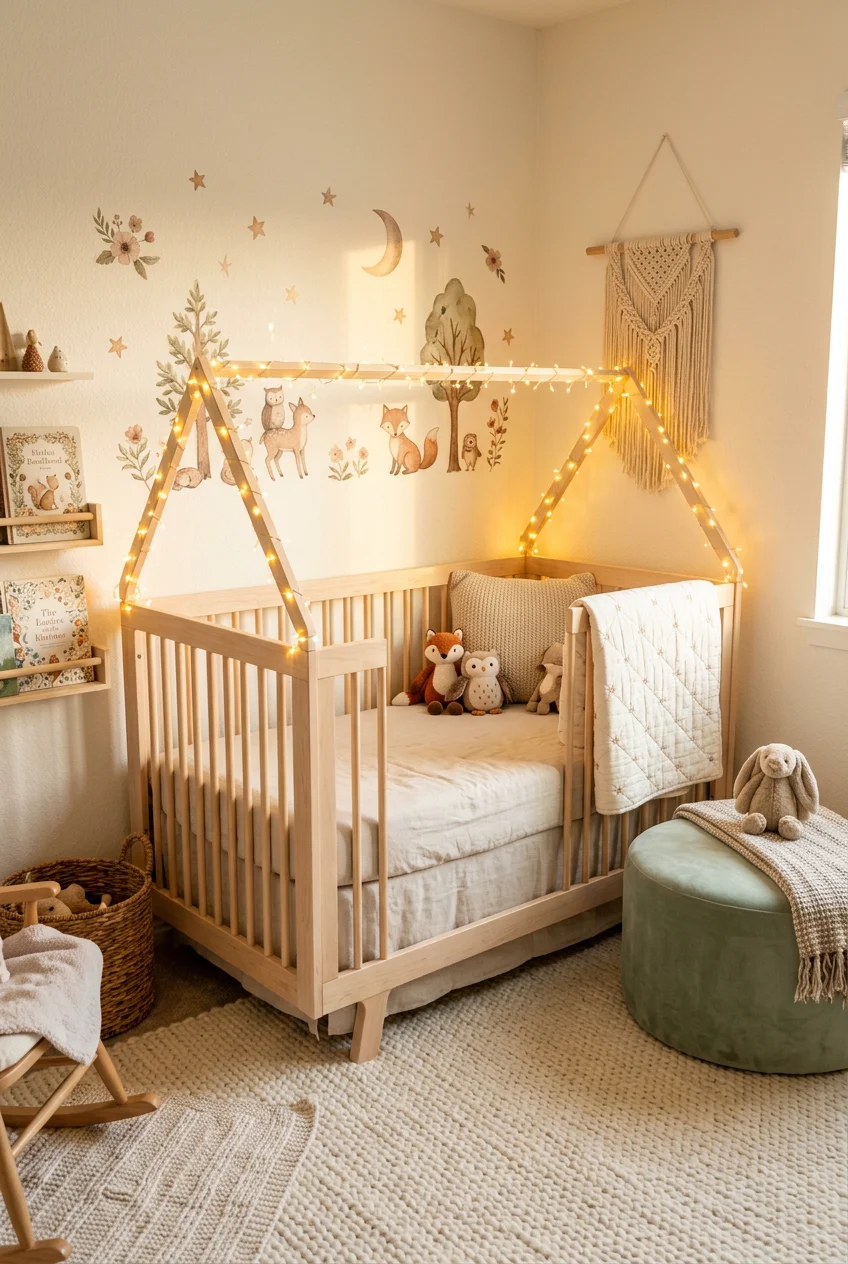
Most parents flip the switch in their baby’s room and flood the space with a clinical, blue-toned glare that feels more like a dentist’s office than a cozy retreat. Nailing your storybook nursery lighting right away changes the entire mood. It turns a basic box into a soft, inviting space for 3 AM feedings and bedtime reading. Good lighting hides the clutter and highlights the whimsical details you spent months planning. Bad lighting makes even the most expensive crib look like it’s sitting in a warehouse. If you only try one idea from this list, make it #8. Here’s why: motion-activated under-crib lighting provides the exact amount of floor illumination needed to navigate a dark room without signaling to a sleeping infant that it’s time to wake up. Trust me on this.
Skip this list if your rental agreement forbids swapping out hardwired fixtures or if you prefer a stark, ultra-modern look. These concepts lean into whimsical, layered warmth and often require minimal electrical updates like installing dimmer switches. They aren’t meant for minimalist, sterile spaces.
1. The 2700K Warm White Base Rule

The foundation of any cozy room starts with the actual bulbs. Grabbing whatever is on sale at the hardware store usually results in 4000K daylight bulbs. Those cast a harsh, bluish tint that disrupts a baby’s natural melatonin production and confuses their sleep signals. Always opt for LED bulbs with a warm color temperature between 2700K and 3000K. This range mimics the soft glow of late afternoon sun. It creates a calming atmosphere that supports natural sleep. When you’re standing in the lighting aisle at Lowe’s or Home Depot, check the back of the box for the Kelvin rating. A 60-watt equivalent LED in 2700K provides plenty of brightness for daytime play while keeping a soft edge. The goal is a room that feels like a warm hug, not an interrogation room.
Best for: New parents who want to encourage healthy, consistent sleep cycles.
The catch: Finding exact 2700K bulbs in specific decorative shapes takes more hunting than grabbing standard A19 bulbs off the shelf.
2. The Mandatory Dimmable Switch Upgrade

An overhead light with only two settings—blazing bright and off—is a nightmare for midnight diaper changes. Installing dimmable switches on main light sources provides crucial flexibility. They let you gradually lower the lighting to signal bedtime or brighten it up for afternoon tummy time. A standard Lutron LED dimmer switch typically costs between $25 and $40, and it completely changes how the room functions. You’re able to adapt the ambiance instantly. Dimming the lights 30 minutes before putting the baby down helps their brain recognize that the day is ending. It’s a small mechanical change that pays off every night when you’re trying to keep the room dark but still see the wipes dispenser. I learned that the hard way.
The catch: Older homes might require an electrician to update the wiring before a modern smart dimmer works properly without flickering.
3. Whimsical Flush Mounts for Low Ceilings

For ambient lighting in rooms with standard 8-foot ceilings, a whimsical flush mount or semi-flush mount fixture is the smartest choice. Dangling chandeliers look beautiful in magazines, but they pose a hazard in average-sized rooms once a toddler starts throwing toys. A fixture that complements your storybook theme adds character without eating up vertical space. ChandeliersDecor offers options like the Kids Stars Clouds Ceiling Light, which generally runs roughly $200 to $300. These fixtures provide broad, even illumination. Ensure the fixture is securely mounted into a ceiling joist and not positioned directly above the crib for safety. The right flush mount acts as ceiling art that draws the eye upward.
Best for: Rooms with standard 8-foot ceilings where dangling fixtures pose a spatial hazard.
The catch: Highly themed fixtures, like clouds or animals, age out quickly once a child reaches elementary school and wants a more mature room.
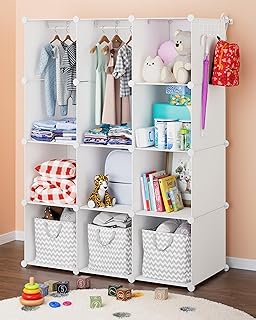
CUBEDIY Baby Closet Organizer for Nursery: Durable Baby
CUBEDIY Baby Closet Organizer for Nursery: Durable Baby Wardrobe for C punches above its price — 342 buyers rated it 4.5 stars. The kind of pick people reorder.
4. Diffused Task Lamps Near the Glider

A stable floor lamp with a heavily diffused shade is a necessity right next to your rocking chair. You need localized, soft illumination for reading bedtime stories or discreetly checking on your baby without turning on the main overhead light. A model like the Qingmiao Floor Lamp, featuring a heavy marble base and a 3-way dimmable bulb, is highly practical. Expect quality floor lamps with heavy bases to range from $50 to $150. The thick shade prevents the bulb from shining directly into your eyes while you’re rocking. Position it slightly behind the chair so the light falls over your shoulder onto the book. This creates a cozy little reading nook that feels separate from the rest of the room. You might also like: 18 Nursery Closet Ideas You Need to See
The catch: Heavy marble or metal bases are sturdy, but they are a massive pain to move when you’re trying to vacuum the nursery rug.
5. Amber-Toned Smart Night Lights

For minimal disruption during overnight checks, a very dim night light is non-negotiable. Products like the Hatch Baby Rest Night Light Gen 2 (around $60 to $80) or the simpler G Keni Nursery Night Light (typically $10 to $20) offer adjustable brightness and warm settings. Red or amber tones are effective because they’re the least likely colors to interfere with a baby’s sleep cycle. White or blue night lights signal the brain to wake up. An amber glow provides just enough visibility to avoid tripping over a stray wooden block at 2 AM. Keep it plugged in near the door or the changing table, far away from the crib, so the light doesn’t shine directly onto the mattress.
The catch: The smart features on premium models require a stable Wi-Fi connection, which can be spotty in older homes with thick plaster walls.
6. Sculptural Wood Beaded Chandeliers

If you have high ceilings, treating lighting as jewelry adds massive visual impact. Sculptural pendants or chandeliers made with natural materials fit perfectly into a storybook aesthetic. The VILUXY Bohemia Wood Beaded Flush Mount or the Q&S Wood Beaded Chandelier (expect $100 to $300+) are excellent examples. The draped wooden beads diffuse the light beautifully, casting soft, intricate shadows on the ceiling. They bring in an organic, tactile element that softens the hard lines of cribs and dressers. When paired with warm metal hardware, these fixtures look expensive and custom. They anchor the room and provide a focal point beyond just the furniture. You might also like: 20 Charming Small Nursery Ideas to Transform Your Space
The catch: Dusting hundreds of tiny wooden beads requires a specialized microfiber duster and a lot of patience.

Criusia Drawer Organizer Clothes
Criusia Drawer Organizer Clothes has been one of the most consistently praised picks in this category. 12 reviewers averaged 4.5/5.
7. The Strict No Exposed Bulbs Policy

A crucial safety and comfort rule for any nursery is to never use light fixtures with exposed bulbs. This is especially true for ceiling lights or wall sconces. Babies spend a lot of time lying on their backs looking straight up. An exposed Edison bulb or a clear glass shade casts a harsh, piercing glare directly into their sensitive eyes. Always choose fixtures with frosted glass shades, fabric drum shades, or acrylic diffusers to soften the light. If you find a fixture you love that has clear glass, you can sometimes swap the bulbs for dipped or frosted versions, but a fully shaded fixture is always the safer bet for eye comfort. You might also like: 15 Lovely Nursery Lighting Ideas to Transform Your Space
The catch: Committing to high-quality frosted glass or thick fabric shades limits your options considerably, ruling out many trendy industrial styles.
8. Motion-Activated Under-Crib LED Strips

This is a brilliant trick for late-night entries. Install an LED light strip along the inside of the bottom crib rails, facing the floor. A starter kit like the Philips Hue Lightstrip runs around $80 to $100. Connect it to a motion detector placed near the nursery door and set the output to a very low 20% brightness in a warm amber tone. When you walk in, the floor softly illuminates, allowing you to navigate without waking the baby or fumbling for a switch. It creates a subtle, magical glow that feels storybook while being functional. It’s a discreet solution that keeps the upper half of the room dark.
Best for: Renters who need functional, high-impact lighting without drilling any holes into the drywall.
The catch: The factory adhesive backing on most light strips eventually wears out, requiring you to buy heavy-duty double-sided mounting tape.
9. Vintage-Style Storybook Book Lamps

To really lean into the storybook theme, add a decorative lamp that looks like a book. Etsy is packed with unique finds like a Winnie the Pooh Book Lamp (roughly $35 to $45) that glows from within. These small accent lights are perfect for styling on a floating shelf or the top of a tall bookshelf. They add a layer of whimsy and imagination. When lit, they highlight the surrounding decor and act as a visual anchor for a reading corner. It’s a small detail that makes the room feel curated and special, rather than just a collection of big-box store furniture.
The catch: These are purely decorative; they don’t provide anywhere near enough light for actual reading or navigating the room.

YACHANCE Kids Sound Machine with Night Light Projector
A dependable everyday pick — YACHANCE Kids Sound Machine with Night Light Projector pulls in 71 ratings at 4.5 stars. Not flashy, just solid.
10. Woodland Mushroom Table Lamps

If your storybook theme leans toward an enchanted forest or woodland vibe, a mushroom-shaped table lamp is a perfect addition. You can find beautiful glass or resin versions on Etsy or at stores like Urban Outfitters for around $40 to $60. The dome shape of the mushroom cap naturally pushes the light downward, creating a soft pool of illumination on the dresser or side table. It’s a playful shape that fits the theme without looking cartoonish. Placing one of these on a solid wood dresser next to a stack of vintage children’s books creates a beautiful, nostalgic vignette.
The catch: Glass dome lamps are fragile and must be placed high on a secure shelf, well out of reach once your baby becomes a curious, grabbing toddler.
11. Celestial Star Projectors for the Ceiling

Celestial projectors that cast soft star patterns across the ceiling serve as both a gentle night light and a visual sleep aid. They create a mesmerizing, slow-moving galaxy that gives a restless baby something calming to focus on. Basic models typically cost between $25 and $50. Position the projector on a low shelf so it hits the center of the ceiling. Ensure you pick a model with a built-in timer so it shuts off automatically after the baby falls asleep, keeping the room dark for deep sleep. It’s a magical touch that fits perfectly into a dreamy, storybook atmosphere.
Best for: High-energy toddlers who need a quiet, visual distraction to help them wind down at bedtime.
The catch: The internal motors inside rotating projectors often develop a faint, repetitive clicking sound over time.
12. Plug-In Sconces Flanking the Changing Table

Hardwiring new wall sconces is expensive and messy. Instead, use plug-in wall sconces on either side of the changing table. Target and Walmart offer stylish brass or matte black options for $40 to $80 a pair. Mounting them at eye level provides excellent cross-illumination, eliminating shadows when you’re dealing with a messy diaper situation. Because they plug into standard outlets, you don’t need to cut into the drywall or hire an electrician. Just make sure the switches are easily reachable with one hand while your other hand is keeping the baby secure on the changing pad.
The catch: You still have to manage the visible power cord running down the wall, which requires buying and painting separate cord concealer tracks.

Night Light for Kids, Baby Night Light with Sound Machine
Night Light for Kids punches above its price — 57 buyers rated it 4.5 stars. The kind of pick people reorder.
13. Strict Cord Management and Concealment

Speaking of cords, a critical safety measure in any nursery is securing all electrical wires. Dangling cords from lamps, monitors, and sound machines pose a severe strangulation hazard as babies grow and pull themselves up. Use smart cable management systems, like rigid plastic cord covers that adhere to the baseboards, or physically route wires behind heavy, anchored furniture. A 10-foot roll of cord concealer costs under $20 at any hardware store. Don’t wait until the baby is mobile to do this. Hide every single wire on day one. A visually clean room without messy cords also looks significantly more polished and intentional.
The catch: Hard plastic cord covers are functional but look bulky, often clashing with delicate nursery wallpaper or detailed wainscoting.
14. Warm Metal Finishes Over Cool Chrome

When selecting the hardware for your lighting fixtures, skip the polished chrome or brushed nickel. Those cool-toned metals feel bathroom-like and clinical. Instead, embrace warm metal finishes like antique brass, champagne bronze, or even a soft matte gold. These finishes reflect light warmly and add a vintage, storybook quality to the room. They pair beautifully with natural wood tones, sage greens, and soft blush pinks. Whether it’s the base of a floor lamp or the chain of a pendant light, warm metals act as the jewelry of the room, adding a subtle richness that cool metals just can’t achieve.
The catch: Mixing different brands of antique brass often results in clashing finishes, with some looking too yellow and others looking muddy.
15. Battery-Operated Taper Candles for Shelves

For a literal fairytale touch, incorporate battery-operated LED taper candles on high floating shelves. You can buy bulk packs of realistic-looking, wax-coated LED tapers on Amazon or grab batteries for them at Costco. Group them in varying heights in vintage brass candle holders. They provide a flickering, warm glow that looks incredibly magical during evening storytime. Because there is no open flame or heat, they are completely safe for a child’s room. Many come with a remote control, allowing you to turn them all on with a single click from the rocking chair. No exaggeration.
Best for: Tight budgets wanting a magical, vintage aesthetic without paying for electrical wiring costs.
The catch: Replacing AA batteries every few weeks becomes an annoying chore if you leave the candles running constantly.

Momcozy Sound Machine for Baby-20 Soothing Sounds & Touch
A dependable everyday pick — Momcozy Sound Machine for Baby-20 Soothing Sounds & Touch Warm Light P pulls in 14 ratings at 4.5 stars. Not flashy, just solid.
16. Woven Rattan Pendants for Organic Texture

Adding texture is a huge part of nursery design. A woven rattan or bamboo pendant light, like the IKEA Sinnerlig (around $60 to $90), brings a beautiful, natural element into the room. The organic materials fit perfectly with woodland, jungle, or classic storybook themes. Rattan adds warmth and a slightly rustic feel that grounds the room. When the light is on, the woven pattern creates a gorgeous, warm glow. It’s an affordable way to make a large visual statement without committing to a heavy, expensive metal chandelier.
The catch: The open weave casts distinct, grid-like shadows across the walls and ceiling, which some babies find distracting when trying to fall asleep.
17. Layering Three Distinct Lighting Zones

The ultimate secret to a functional nursery is a layered lighting scheme. Instead of relying on a single overhead fixture, you need three distinct zones: ambient (the main overhead light), task (the lamp by the glider or changing table), and accent (the night light or under-crib strip). This approach allows for transitions throughout the day. You use the ambient light for playing on the floor, the task light for reading, and the accent light for sleeping. By layering these zones, you ensure the room is never too bright or too dark for the specific activity happening at that moment. Took me years to figure out.
The catch: Buying three separate types of lighting fixtures, plus smart bulbs and dimmers, significantly increases the overall budget for the nursery build.
How we chose these ideas: Selections prioritize renter-friendly modifications, strict safety standards around infants, and overall visual impact for a storybook aesthetic. Cost and installation effort were heavily weighed to ensure these are practical, achievable options for standard residential spaces without requiring major renovations.
Getting the lighting right is the most impactful thing you’ll do for your baby’s room. It dictates how the space functions at 3 AM and how it feels during afternoon naps. I highly recommend starting with the dimmers and the warm 2700K bulbs before buying any decorative fixtures. Pin this list to your nursery mood board so you don’t forget to check those bulb temperatures when you’re standing in the hardware store!
Frequently Asked Questions
What is the best color temperature for nursery lighting?
Always use warm white bulbs between 2700K and 3000K. This warm tone mimics sunset and supports natural melatonin production, unlike harsh 4000K daylight bulbs that can disrupt a baby’s sleep cycle.
Are exposed bulbs safe for a baby’s room?
No. Babies spend a lot of time looking up from their cribs or changing pads. Exposed bulbs cast a harsh glare directly into their sensitive eyes. Always choose fixtures with frosted glass or fabric shades.
How do you light a nursery for night feedings?
Layer your lighting. Use a dimmable amber or red-toned night light, or install a motion-activated LED strip under the crib set to 20% brightness. This provides enough light to see without waking the baby.
Do I really need a dimmer switch in the nursery?
Yes. A dimmer switch is essential for transitioning the room from bright daytime play to a soft, calming environment before bed. It allows you to control the exact amount of light needed at any hour.
