What’s Inside
- Embrace Earthy Neutrals and Muted Tones for a Calming Foundation
- Ditch the Matching Furniture Sets for Curated Pieces
- Install Blackout Curtains That Actually Block Light
- Add Natural Wood Textures to Warm Up the Space
- Layer Washable Rugs Over Hardwood or Carpet
- Incorporate Subtle Geometric Patterns on One Accent Wall
- Choose a Glider That Fits Your Body, Not Just the Room
- Build Open Shelving for Functional Display
- Bring in Safe, Low-Light Houseplants
- Use Woven Baskets for Hidden Toy Storage
- Upgrade the Lighting with a Dimmer Switch and Warm Bulbs
- Hang Oversized, Minimalist Animal Prints
- Create a Dedicated Reading Nook with Floor Cushions
- Install Custom Closet Organizers Early On
- Swap Standard Hardware for Matte Black or Brass Pulls
- Keep the Changing Station Utilitarian and Wipeable
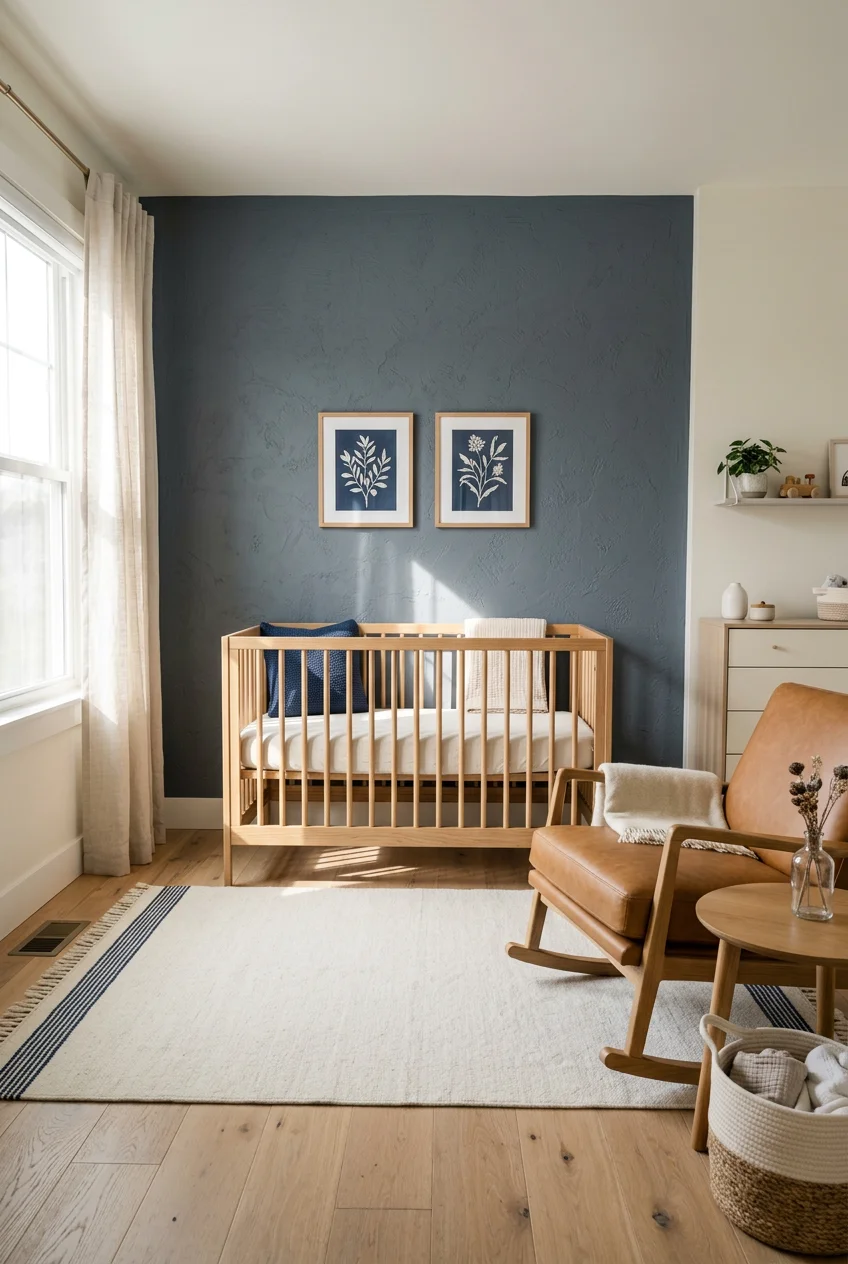
I spent four weeks in 2021 painting a room bright navy blue. I thought it was the perfect modern baby boy nursery base, but the dark walls soaked up all the natural light and made the 10×12 room feel like a claustrophobic cave. I sat on the floor eating a $3.99 bag of plantain chips from Trader Joe’s, staring at the streaky blue walls, and realized I had to prime over the whole thing. A modern baby boy nursery shouldn’t feel heavy, dark, or overly themed. It needs to be a functional, breathable space that works at 3 AM when you’re completely exhausted. I’ve designed dozens of nurseries since that disaster. Creating a room for a baby requires a balance of aesthetics and intense practicality. You need fabrics that wipe clean, lighting that won’t wake a sleeping infant, and storage that actually makes sense for tiny clothes. Here is exactly how to build a space that works for both you and your baby.
1. Embrace Earthy Neutrals and Muted Tones for a Calming Foundation

Move beyond traditional baby blue for sophisticated color palettes. A modern baby boy nursery needs a warm base. Trending shades for 2026 include Sherwin Williams Universal Khaki, a warm beige with subtle green undertones, or Valspar Warm Eucalyptus, a soft, muted green. Benjamin Moore Big Bend Beige also offers a comforting neutral backdrop. Expect to pay $30 to $60 per gallon for standard paints, with premium brands like Farrow and Ball or Benjamin Moore ranging from $80 to $120 per gallon. I used Benjamin Moore Big Bend Beige ($85 per gallon) in a client’s south-facing room last October. The paint goes on thick and covers old stains easily, but it requires a full 24 hours to cure before you start moving furniture in. Don’t rush this step. I scratched a fresh wall with a heavy crib leg because I only waited 12 hours. Learned that the hard way. A warm neutral base means you won’t have to repaint when your toddler decides they hate whatever theme you initially chose.
2. Ditch the Matching Furniture Sets for Curated Pieces

Buying a matching crib, dresser, and bookshelf set from a big box store makes a room look like a catalog showroom. You’re much better off mixing finishes. I pair a natural oak crib with a painted dresser to break up the visual weight. Last spring, I bought the Delta Children Sloane 4-in-1 Acrylic Crib for $349.99 at Target. The clear acrylic spindles let you see the baby from across the room, and the white frame keeps things bright. I paired it with a vintage pine dresser I sanded down. Mixing materials like acrylic, raw wood, and painted MDF creates depth. Buying a dresser that’s too tall is a common mistake. You want a dresser that hits right at your hip bone, usually around 34 inches high, so you can comfortably use it as a changing table. Taller dressers force awkward shoulder lifting. I learned this the hard way after pulling a shoulder muscle using a 40-inch tall dresser for six months.
3. Install Blackout Curtains That Actually Block Light

Most curtains labeled “room darkening” let in a frustrating amount of light around the edges. When you’re trying to get a baby to sleep at 1 PM during the summer, a dim room isn’t enough. You need pitch black. I use the Sun Zero 100 percent Blackout Grommet Panels. They cost $24.99 per 84-inch panel at Walmart. The fabric is heavy and lined with a thick thermal backing that also blocks street noise. Hanging technique matters. Don’t mount the rod right above the window frame. Mount the rod at least 6 inches above the frame and 8 inches wider on each side. This prevents light from bleeding through the top and sides. The only negative is that the metal grommets make a loud scraping sound when you pull them open. I fixed this by rubbing a plain wax candle ($1.50 at Kroger) along the top of the metal curtain rod. It silences the metal-on-metal noise completely.
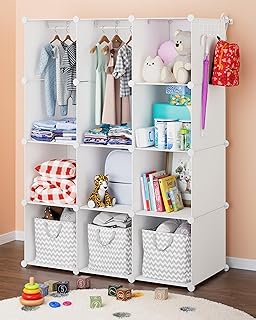
CUBEDIY Baby Closet Organizer for Nursery: Durable Baby
Honestly, CUBEDIY Baby Closet Organizer for Nursery: Durable Baby Wardrobe for C surprised me — sturdier than it looks in the photos, and over 316 buyers gave it 4.5 stars.
4. Add Natural Wood Textures to Warm Up the Space

Rooms feel sterile with only white and gray. Natural wood tones bring warmth and a grounding element to the room. I incorporate wood through smaller accent pieces rather than massive furniture blocks. The IKEA Flisat wall storage racks cost $19.99 each and measure 27.5 inches long. They’re made of solid pine and hold small board books perfectly. I mounted three of them vertically in a tight corner last February. The raw pine smells slightly sweet right out of the box. You can leave them unfinished or seal them with a clear matte water-based polyurethane. I left them raw, which was a huge mistake because sticky toddler fingers eventually left permanent grease marks on the wood. Always seal raw wood in a kid’s room. For an extra wood accent, I bought a 12-inch round wooden wall clock for $14.99 at Target. The subtle ticking sound provides a low-level white noise that babies actually respond well to.
5. Layer Washable Rugs Over Hardwood or Carpet

Spills and blowouts are guaranteed. A beautiful wool rug will be ruined within six months. I only specify washable rugs for nurseries now. The Ruggable Kamran Hazel Rug costs $219 for a 5×7 foot size. It features a muted rust and blue geometric pattern that hides minor stains between washes. The top layer peels off a velcro-like pad and fits in a standard washing machine. I washed mine last Tuesday after a dropped bottle of formula left a sour-smelling puddle. It came out of the dryer looking brand new. One issue with these two-piece systems is that the edges tend to curl up slightly after multiple washes. I counter this by placing the front legs of the crib and the glider over the corners of the rug to hold them flat. If you have wall-to-wall carpet, you still need a rug. Layering a 5×7 washable rug over your existing carpet defines the play area and catches the worst messes. You might also like: 20 Charming Small Nursery Ideas to Transform Your Space
6. Incorporate Subtle Geometric Patterns on One Accent Wall

Bold, hyper-detailed murals can overstimulate a baby and they date quickly. I prefer subtle geometric patterns. Peel-and-stick wallpaper is the most practical way to achieve this. I used the RoomMates Black and White Tick Mark Peel and Stick Wallpaper ($34.99 per 28.18 square foot roll) on a single 10-foot wall behind a crib. The pattern looks like tiny hand-drawn dashes. It provides visual interest without dominating the room. Installation is tedious. I spent four hours on a Saturday smoothing out air bubbles with a plastic squeegee. The vinyl material has a distinct plastic smell for the first 48 hours, so you must leave the windows open to air it out. Don’t attempt to install this alone. You need one person holding the top edge perfectly level while the other pulls the backing paper down. If you stretch the vinyl while applying it, the pattern won’t line up on the next panel. I ruined a whole roll doing this. You might also like: 20 Baby Girl Room Ideas for Every Budget

Criusia Over the Door Organizer
Criusia Over the Door Organizer punches above its price — 231 buyers rated it 4.5 stars. I would buy it again.
7. Choose a Glider That Fits Your Body, Not Just the Room

People often buy nursery chairs for aesthetics, ending up with rigid seats causing back pain. Comfort dictates the choice. I purchased the Babyletto Kiwi Electronic Power Recliner for $799. It measures 36 inches wide and includes a built-in USB port. The electronic recline mechanism is completely silent, which matters when you’re trying to lower a sleeping infant without waking them. The fabric is a stain-resistant boucle that feels like a heavy wool sweater. I spilled a cup of black coffee on it last month and it wiped clean with just a damp cloth. The chair is incredibly heavy (over 100 pounds). I had to pay an extra $50 for room-of-choice delivery because I couldn’t carry it up the stairs myself. When testing chairs, make sure the armrests are high enough to support your elbows while holding a baby. If the armrests aren’t high enough, your shoulders will slump forward, causing intense neck pain after a 45-minute feeding session.
8. Build Open Shelving for Functional Display

Open shelving keeps daily items within arm’s reach and forces you to edit your belongings. I install floating shelves above the changing station for diapers, wipes, and diaper cream. The Rubbermaid 24-inch White Laminated Wood Shelf costs $9.48 at Home Depot. I paired two of them with basic matte black steel brackets ($4.97 each). The contrast between the white shelf and black hardware fits the modern aesthetic perfectly. You must anchor these directly into the wall studs. Drywall anchors will fail over time when you’re constantly pulling heavy tubs of wipes off the shelf. I learned this when a poorly anchored shelf ripped out of the drywall, taking a chunk of plaster with it. I now use a magnetic stud finder ($19.99) to mark the exact center of the wood behind the wall. Keep the styling minimal. I place a stack of 10 diapers, a wipe dispenser, and a 4 oz tube of Aquaphor ($7.29) on the bottom shelf. You might also like: 16 Small Nursery Layout You Need to See
9. Bring in Safe, Low-Light Houseplants

Plants filter air and add an organic element. However, many common houseplants are toxic if ingested. I stick to non-toxic, low-maintenance varieties like the Spider Plant or the Boston Fern. I bought a 6-inch potted Spider Plant for $12.99 at Sprouts Farmers Market while grabbing groceries last week. The long, arching green leaves look great sitting on a high shelf. Spider plants thrive in indirect light, which is perfect for a nursery where the blinds are often drawn. I keep mine in a simple white ceramic planter ($14.99 from Target) with a drainage hole. Don’t buy a pot without drainage. I rotted the roots of a beautiful fern because water pooled at the bottom of a decorative pot. The soil started smelling like swamp mud and attracted gnats. If you buy a plant from a grocery store, quarantine it in another room for a week to ensure it doesn’t have spider mites before bringing it into the baby’s room.

Criusia Drawer Organizer Clothes
Criusia Drawer Organizer Clothes has been one of the most consistently praised picks in this category. 11 reviewers averaged 4.5/5.
10. Use Woven Baskets for Hidden Toy Storage

Plastic bins look cheap and crack easily. Woven baskets add texture and hide brightly colored plastic toys that clash with a modern baby boy nursery aesthetic. I use the Whitmor Rattique Storage Baskets. A set of three costs $26.99 on Amazon. They’re made of a woven plastic resin over a metal wire frame, so they look like natural rattan but won’t snag delicate baby clothes or scratch soft hands. The medium basket measures 11.4 inches long and 8.7 inches wide. I line them up on the bottom shelf of a bookcase to hold wooden blocks and small plush toys. Natural seagrass baskets are popular, but they shed tiny sharp fibers all over the floor. I bought a large seagrass basket from Costco for $19.99, and I was constantly vacuuming up broken pieces of grass. The resin baskets completely solve this problem. When organizing, don’t micromanage the toys into dozens of tiny bins. Broad categories work best. Use one basket for hard toys, one for soft toys.
11. Upgrade the Lighting with a Dimmer Switch and Warm Bulbs

Builder-grade overhead lights are too harsh for nurseries. Installing a dimmer switch is a non-negotiable step. I use the Lutron Diva LED Dimmer Switch, which costs $29.97 at Home Depot. It has a small slider next to the main switch that lets you set the exact light level before turning it on. This means you won’t blind yourself or the baby during a 2 AM diaper change. I paired this switch with Philips LED 60-Watt Equivalent Soft White bulbs ($13.99 for a 4-pack). You must choose bulbs labeled 2700K. This temperature emits a warm, yellowish glow that mimics sunset and promotes melatonin production. Anything labeled “Daylight” or 5000K emits a blue light that will wake the baby up. I once bought 5000K bulbs by mistake and the room felt like a sterile hospital cafeteria. Replacing a light switch takes about 15 minutes, but you must turn off the power at the breaker box first.
12. Hang Oversized, Minimalist Animal Prints

Gallery walls with tiny frames look cluttered and gather dust. A modern approach uses two or three oversized prints to anchor the room. I prefer black and white animal photography. I purchased two high-resolution digital downloads of a baby elephant and a lion cub from an Etsy shop for $6.50 each. I sent the files to Mpix to be printed on 16×20 inch matte photo paper, which cost $19.99 per print. The matte finish is crucial. Glossy prints reflect the room’s lighting and create a glare that makes the image hard to see. I framed them in the RIBBA 16×20 black frames from IKEA ($14.99 each). The thin black border provides a sharp contrast against neutral walls. I hung them exactly 57 inches from the floor to the center of the frame, which is standard gallery height. I initially hung them too high, a common mistake, and they looked disconnected from the furniture below them. Use a laser level ($39.99) to ensure the frames are perfectly aligned.

Beautiful Wooden Baby Closet Dividers Set of 7
Beautiful Wooden Baby Closet Dividers Set of 7 – Double-Sided Organize has been one of the most consistently praised picks in this category. 11 reviewers averaged 4.5/5.
13. Create a Dedicated Reading Nook with Floor Cushions

A reading nook gives you a comfortable spot to sit on the floor. I clear a 3×3 foot corner specifically for this. I use the Brentwood Home Kids Play Couch ($249), which consists of thick foam cushions covered in a washable microsuede fabric. It functions as a floor pad now and a fort-building kit later. The foam is dense enough that I don’t feel the hardwood floor through it when I sit down. I bought this after trying to use standard bed pillows on the floor, which flattened out in ten minutes and left my hips aching. Next to the cushions, I place a small acrylic book caddy ($35.99 on Amazon) to hold current favorites. I was eating a $6.99 box of macadamia nut cookies from Whole Foods while setting this up last week, and I dropped a greasy crumb right on the cushion. The microsuede wiped clean with a damp microfiber cloth. Keep the books facing forward so the baby can see the covers.
14. Install Custom Closet Organizers Early On

Standard closet rods waste massive vertical space on tiny baby clothes. You need a system that maximizes shelving and double hanging rods. I install the ClosetMaid Selectives White Laminate Closet System. The base tower costs $129 at Home Depot. It provides five shelves down the center, which I use for folded pants, swaddles, and burp cloths. I install two rods on the left side for hanging shirts and onesies. The right side holds a single higher rod for longer items like sleep sacks. Measuring and cutting the metal rods requires a hacksaw ($12.99). I cut a rod half an inch too short last year and it constantly fell down when loaded with clothes. Measure twice and cut once. I use velvet baby hangers ($16.99 for a 50-pack at Target) because the slim profile saves space and the velvet texture prevents wide-necked onesies from slipping off. Toss out the plastic tubular hangers you get from retail stores. They take up twice the space.
15. Swap Standard Hardware for Matte Black or Brass Pulls

Replacing factory-issue knobs completely changes a cheap dresser. This is the easiest custom upgrade for a modern baby boy nursery. I usually replace standard wooden or plastic knobs with matte black or brushed brass hardware. I’d recommend buying a 10-pack of Franklin Brass 3-inch Matte Black Cabinet Pulls for $24.99 on Amazon. The matte black finish doesn’t show fingerprints like polished chrome does. To install them on a dresser that only had single-hole knobs, I had to drill new holes. I used a cabinet hardware template jig ($9.99). You clamp the plastic jig to the drawer front, and it guides your drill bit so every hole is perfectly aligned. I tried doing this with just a tape measure on my first project and ended up with crooked handles that drove me crazy every time I looked at them. The heavy metal pulls give a $150 flat-pack dresser the weight and feel of a $600 piece of furniture.

JolyWell Night Light for Kids
A dependable everyday pick — JolyWell Night Light for Kids pulls in 51 ratings at 4.5 stars. Not flashy, just solid.
16. Keep the Changing Station Utilitarian and Wipeable

A changing station is a workspace, not a decorative vignette. Let’s be honest, fabric changing pad covers look cute but they’re entirely impractical. You’ll be washing them daily. I use the Keekaroo Peanut Changer, which costs $149.95. It measures 32 inches long and 17 inches wide. It’s made of a solid, impermeable polyurethane foam that feels soft to the touch but can’t absorb liquids. When a blowout happens, simply wipe it down with a Clorox disinfecting wipe ($5.49 at Walmart). I bought a traditional foam pad with fabric covers for my first client, and we went through three covers in a single afternoon. The Keekaroo sits directly on top of the dresser. It has a slightly grippy bottom, but you must still use the included safety strap to anchor it to the back of the dresser. Babies start alligator-rolling during changes around four months old. Next to the pad, I keep an OXO Tot Wipes Dispenser ($22.99). It has a weighted plate inside so you pull out exactly one wipe at a time.
Designing a modern baby boy nursery is about editing out the unnecessary noise and focusing on function, texture, and calm. You don’t need a heavy theme to make a room feel special. I’ve used these exact strategies to build spaces that parents actually want to sit in at 3 AM. Start with the blackout curtains and the dimmer switch. Those two things alone will change how the room functions. Save this guide and pin the images to your nursery planning board so you have these exact measurements and paint colors when you head to the hardware store.
Frequently Asked Questions
What colors work best for a modern baby boy nursery?
Earthy neutrals like warm beige, muted green, and soft terracotta are replacing traditional baby blue. Colors like Sherwin Williams Universal Khaki provide a calming base.
How do I make a nursery feel modern instead of themed?
Skip matching furniture sets and character-heavy decor. Mix materials like raw wood, acrylic, and matte black metal. Use subtle geometric wallpaper or large-scale minimalist art instead of cartoon murals.
What is the most important furniture piece in a nursery?
A comfortable glider is crucial. You’ll spend countless hours feeding and rocking your baby. Choose a wide, electronic recliner with stain-resistant fabric and high armrests to support your elbows.
How can I add storage to a small nursery?
Maximize vertical space by installing custom closet organizers with double hanging rods. Use floating wall shelves for daily items like wipes and diapers, and woven resin baskets for hidden toy storage.
