What’s Inside
- Prioritize Zero-VOC, GreenGuard Gold Certified Paint
- Invest in Solid Wood GreenGuard Gold Furniture
- Opt for GOTS-Certified Organic Cotton Crib Sheets
- Incorporate Spider Plants for Natural Air Purification
- Install Smart LED Nursery Lighting
- Choose CARB Phase 2 Compliant Bamboo Flooring
- Embrace Biophilic Design with Earth Tones
- Upcycle Secondhand Wood Dressers
- Hang Organic Linen Blackout Curtains
- Layer Natural Wool Area Rugs
- Decorate with PVC-Free Wall Decals
- Organize with Natural Rattan and Wicker Baskets
- Install Natural Linoleum Flooring
- Mix a DIY Vinegar Cleaning Routine
- Hang a Dried Botanical Mobile
- Choose a Solid Wood Rocking Chair
- Stock Up on Organic Bamboo Swaddles
- Place Boston Ferns on High Shelves
- Use Natural Cork Flooring Alternatives
- Build a Minimalist Open Wardrobe
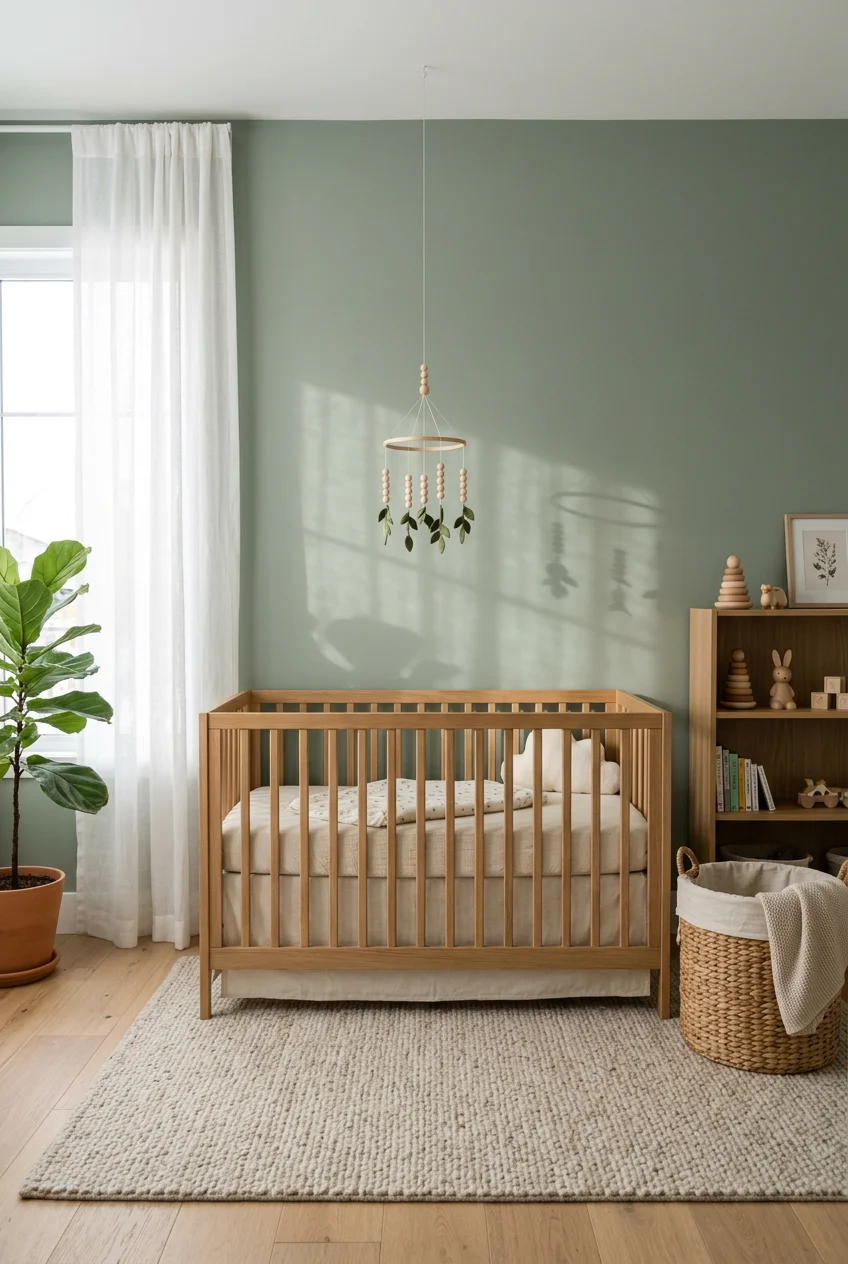
Most people start a nursery by picking a cute theme and buying a matching engineered wood furniture set. That’s how you end up with a space that smells like industrial glue and synthetic off-gassing for months. When planning a green nursery, the priority isn’t just a perfect sage color palette. Real, healthy nurseries focus on air quality, sustainable materials, and avoiding toxic finishes. You’re building a space for developing lungs, so the materials matter more than the look. If you only try one idea here, make it #1. Paint covers the largest surface area in the room, and traditional formulas keep releasing volatile organic compounds long after they dry.
Skip this list if you’re on a strict timeline of less than two weeks before the baby arrives, or if you’re renting a space where you can’t change the paint, flooring, or furniture. Real sustainable materials need lead time for shipping, off-gassing, and installation.
1. Prioritize Zero-VOC, GreenGuard Gold Certified Paint

Brands like Benjamin Moore Eco Spec WB or ECOS Paints offer formulas with zero volatile organic compounds in both the base and colorants. Most people get this wrong. They assume a ‘low-VOC’ label means the paint is safe. It isn’t. Low-VOC acrylics still emit harsh chemicals for weeks. True zero-VOC options cost a bit more, potentially adding $150 to $400 to a standard 1,500 square foot project. For a nursery, budget in the mid-range for these gallons. Apply the paint at least four weeks before the due date. Keep windows open and run a HEPA plus carbon air purifier for 72 hours after the final coat to catch any residual odors. Best for: homeowners doing full renovations. The catch: these paints lack heavy chemical binders, so they often need a third coat for full opacity.
2. Invest in Solid Wood GreenGuard Gold Furniture

Budget cribs often rely on particleboard or MDF cores covered in thin veneers. Those engineered woods frequently off-gas formaldehyde into the sleeping area. Look for solid wood options with GREENGUARD Gold certification. This means the product has been tested for over 10,000 chemicals and VOCs. Brands like Babyletto, specifically their Hudson 3-in-1 Convertible Crib, or high-end options from Oeuf use FSC-certified solid wood or Moso bamboo with water-based finishes. You won’t get that chemical smell when unboxing these. You can find them at specialty retailers or order through Target online. Expect pricing in the mid-to-high range. The catch: solid wood is much heavier than MDF. Moving the crib to find the perfect layout is a sweaty, two-person job.
3. Opt for GOTS-Certified Organic Cotton Crib Sheets

Babies sleep a lot. They spend up to 16 hours a day with their skin pressed against the mattress. Conventional cotton is treated with pesticides and harsh bleaches. GOTS-certified organic cotton, linen, or bamboo sheets provide breathable layers without synthetic residues. Standard crib mattresses measure 28 by 52 inches, so check your dimensions first. You’ll need two to three sets for those middle-of-the-night blowouts. Brands at Whole Foods occasionally carry baby textiles, but specialized organic brands are easier to source online. Budget for these in the mid-range per sheet. The cheaper synthetic version is never the smarter buy. I learned that the hard way. Best for: babies with sensitive skin. The catch: organic cotton lacks wrinkle-resistant chemicals, so these sheets look very crumpled out of the dryer.

Beautiful Wooden Baby Closet Dividers Set of 7
A dependable everyday pick — Beautiful Wooden Baby Closet Dividers Set of 7 – Double-Sided Organize pulls in 11 ratings at 4.5 stars. Not flashy, just solid.
4. Incorporate Spider Plants for Natural Air Purification

Greenery does more than look nice. A Spider Plant (Chlorophytum comosum) pulls invisible toxins from the air. Studies show these plants remove formaldehyde at rates up to 12.5 µg/m³ per hour. They’re non-toxic to pets and infants. Hang them in macrame planters from the ceiling to keep them away from curious toddlers. You can pick up a healthy starter at Lowe’s or a local garden center for under $20. The catch: spider plants propagate aggressively. They produce dozens of tiny offshoots. If you don’t prune them, the plant looks messy and drops dried, crunchy leaves onto the floor that you’ll be constantly sweeping.
5. Install Smart LED Nursery Lighting

Traditional bulbs generate heat and waste electricity. Switching to LED bulbs uses about 75 percent less energy and lasts much longer. The current trend is shifting toward smart LED lighting controlled via smartphone. This lets you set a dim amber glow for 2 AM feedings without turning on a harsh overhead light that wakes the baby. You can find smart bulb starter kits at Home Depot in the budget-friendly to mid-range tier. Best for: tech-savvy parents and tight feeding schedules. The catch: smart bulbs rely on your Wi-Fi. If your router goes down, you can’t adjust the settings from your phone, and the bulb defaults to its brightest setting when you use the wall switch.
6. Choose CARB Phase 2 Compliant Bamboo Flooring

If you’re ripping out old, dusty carpet, strand-woven bamboo is a sustainable hard flooring alternative. It grows back fast compared to oak. However, not all bamboo is eco-friendly. Cheaper varieties use urea-formaldehyde glues to bind strands. You must verify the flooring is CARB Phase 2 compliant or GREENGUARD Gold certified. Pricing usually falls between $3 and $5 per square foot. You can source certified options through Costco. The catch: despite its reputation for hardness, bamboo is sensitive to moisture. A spilled bottle left overnight or a leaking humidifier will cause the planks to warp and swell, ruining the finish. You might also like: 15 Bloxburg Nursery Ideas That Actually Work

Criusia Over the Door Organizer
Criusia Over the Door Organizer punches above its price — 247 buyers rated it 4.5 stars. The kind of pick people reorder.
7. Embrace Biophilic Design with Earth Tones

Biophilic design uses natural elements to create a calm space. Move away from stark whites and loud colors. Use earthy tones like sage green, terracotta, and cocoa brown for walls and textiles. Incorporate natural materials like rattan, jute, and untreated wood for texture. Research shows natural elements support emotional regulation in infants. You can find woven decor at stores like Sprouts or local markets. Best for: rooms with large south-facing windows. The catch: an earth-toned room can look muddy if the space lacks natural sunlight. You’ll need to balance the dark tones with plenty of warm artificial lighting to keep the room from feeling like a cave. You might also like: 20 Gender Neutral Baby Nursery for Every Budget
8. Upcycle Secondhand Wood Dressers

Buying new isn’t always the most sustainable choice. A used, solid wood dresser from a thrift store is often safer because it finished off-gassing years ago. You can turn an old piece into a changing table by securing a contoured pad to the top. Use a non-toxic chalk paint, like Rust-Oleum, to refresh the exterior without adding new VOCs. You’ll need about one quart for a standard six-drawer dresser. The catch: upcycling requires tedious prep work. If you don’t spend hours sanding down the old varnish and applying a bonding primer, the new paint will chip the first time a plastic toy hits it. You might also like: 19 Nursery Wall Decor That Actually Work
9. Hang Organic Linen Blackout Curtains

Proper sleep needs a dark room, but conventional blackout curtains use synthetic PVC backing. When exposed to heat, this plastic can off-gas a chemical smell. Look for heavy-weight organic linen curtains lined with organic cotton instead. You’ll get the darkening effect without the plastic chemicals baking in the sun. These are in the premium tier, but they last for years. The catch: natural fiber blackout curtains are heavy. A standard tension rod won’t hold them for long. You must drill heavy-duty brackets into the wall studs, which isn’t always allowed in rentals.

Criusia Drawer Organizer Clothes
If you want something that just works, Criusia Drawer Organizer Clothes is a safe bet (11 reviews, 4.5 stars).
10. Layer Natural Wool Area Rugs

If you have hard floors, you need a soft surface for tummy time. Synthetic rugs made from polypropylene are petroleum products. They shed invisible microplastics into the dust—dust that babies ingest when playing. Natural wool rugs are flame retardant, so they don’t need toxic chemical sprays. They also provide excellent insulation against cold floors. You can find undyed wool options at mid-range prices online or at specialty stores. The catch: new wool rugs shed aggressively for the first six months. You’ll be vacuuming up fuzzy tumbleweeds, and the fibers will stick to your baby’s clothes and hands during floor play.
11. Decorate with PVC-Free Wall Decals

Vinyl decals are a popular, renter-friendly way to add personality without painting. Unfortunately, most cheap ones are made of PVC and use harsh adhesives that smell terrible. Seek out fabric-based decals made from polyester or woven cotton with water-based adhesives. They offer the same peel-and-stick convenience without the toxic footprint. Best for: renters with perfectly smooth drywall. The catch: water-based adhesives are weaker. If your nursery has heavily textured walls, these eco-friendly decals won’t stick. They’ll start curling at the edges within a week.
12. Organize with Natural Rattan and Wicker Baskets

Plastic storage bins are cheap, but they don’t fit a sustainable aesthetic. Swap them for natural rattan, water hyacinth, or wicker baskets. These are renewable, biodegradable, and add visual warmth to the room. Use large floor baskets for stuffed animals and smaller trays on the changing table. You can find these at Target or Walmart. The catch: natural woven materials have sharp, stray fibers inside. If you store delicate cotton swaddles or knit sweaters, the rough interior will snag the threads. You’ll need to line them with canvas if you store clothing.

Baby Closet Divider, Baby Wardrobe Organizer
Baby Closet Divider is sturdier in person than the photos suggest — over 371 buyers gave it 4.5 stars.
13. Install Natural Linoleum Flooring

When people hear linoleum, they picture cheap vinyl from retro kitchens. True natural linoleum is different. It’s made from linseed oil, pine rosin, wood flour, and jute. It’s antimicrobial, durable, and biodegradable. It comes in earth tones perfect for a biophilic nursery. Expect pricing in the mid-to-high range compared to vinyl planks. The catch: natural linoleum is difficult to install. It comes in large sheets and requires specialized adhesives and heat-welding to prevent water damage. This isn’t a weekend DIY project. You must hire a professional, which drives up the cost.
14. Mix a DIY Vinegar Cleaning Routine

A green nursery needs green maintenance. Conventional surface sprays leave behind synthetic fragrances and chemical residues. You can replace almost every cleaner with a simple mix. Combine 1/2 cup of distilled white vinegar with two cups of distilled water in a glass spray bottle. You can buy vinegar for pennies at Kroger or Trader Joe’s. Use it on the changing table, windows, and floors. It cuts through grime effortlessly. The catch: vinegar has a strong, acidic smell that lingers for an hour. If you’re sensitive to odors, keep the windows open while the solution dries.
15. Hang a Dried Botanical Mobile

Instead of a plastic, battery-operated mobile that plays tinny music, opt for a natural, silent alternative. Mobiles made from dried eucalyptus, lavender, wooden beads, and cotton string provide gentle visual stimulation. They smell amazing and look chic. You can make one yourself using a wooden embroidery hoop and craft store supplies. The catch: dried botanicals are fragile and attract dust. You can’t just wipe them down like plastic. Once they get dusty, you have to take the mobile outside and carefully blow the dust off, risking breaking the brittle leaves.

SNSLXH 5 Pack Stackable Closet Storage Basket
SNSLXH 5 Pack Stackable Closet Storage Basket punches above its price — 41 buyers rated it 4.5 stars. The kind of pick people reorder.
16. Choose a Solid Wood Rocking Chair

Upholstered gliders are popular, but they’re essentially blocks of synthetic foam. Polyurethane foam is a source of VOCs and is often treated with flame retardants. A solid wood rocking chair eliminates this. You can soften the wooden seat with a GOTS-certified organic cotton cushion or a wool throw. Look for chairs made from FSC-certified maple or oak. The catch: solid wood rockers don’t recline, and they lack the sink-in comfort of an overstuffed chair. When you’re sitting upright at 3 AM, the rigid wood can feel unforgiving on your spine. You’ll likely need several lumbar pillows.
17. Stock Up on Organic Bamboo Swaddles

Bamboo fabric is popular because it’s soft and breathable. This helps prevent infants from overheating. True organic bamboo viscose is grown without pesticides and processed in closed-loop systems. You’ll want four to five of these blankets. They usually fall in the mid-range price tier. Best for: parents willing to air-dry laundry. The catch: bamboo fabric is finicky. If you wash these in hot water or use high heat, they’ll shrink. They also lose their buttery texture, turning stiff and covered in pills. Always wash them on a delicate cold cycle.
18. Place Boston Ferns on High Shelves

Boston Ferns are an excellent, non-toxic plant for air purification. They thrive in indirect light and add lush texture to the room. Place them on high, secured floating shelves away from the crib. You can grab a mature fern at Home Depot for a budget-friendly price. The catch: Boston Ferns are divas about humidity. If the nursery air is too dry, especially in winter, the fern will crisp up. It will drop hundreds of tiny, brown leaves, requiring you to sweep the nursery daily. You’ll likely need to run a cool-mist humidifier.
19. Use Natural Cork Flooring Alternatives

Cork is harvested from the bark of the cork oak without killing the tree, making it a renewable resource. It’s antimicrobial, hypoallergenic, and provides a springy surface that’s forgiving when toddlers fall. It’s much warmer underfoot than hardwood. Pricing is generally mid-range. The catch: natural cork is photosensitive. If your nursery gets strong sunlight, the exposed areas will fade and bleach out faster than the areas under rugs. You’ll be left with permanent, uneven light patches if you rearrange the furniture. You have to keep the blinds drawn during peak sunlight.
20. Build a Minimalist Open Wardrobe

Large MDF armoires take up floor space and introduce glues into the room. A minimalist open wardrobe uses a simple wooden rail suspended from the ceiling or mounted on brackets. It forces you to buy fewer clothes and focus on organic pieces, keeping the room uncluttered. You can pair it with canvas hanging shelves for socks. The catch: an open wardrobe offers no hiding space for mess. If you don’t meticulously fold the baby’s clothes, the nursery will look chaotic. You lose the convenience of shoving laundry in a drawer when you’re too exhausted to fold.
How we chose these ideas: We prioritized renter-friendliness, material cost, setup effort, and visual impact. The focus remained on reducing indoor pollutants while maintaining a high standard of design.
Creating a non-toxic environment doesn’t mean sacrificing style. I’ve seen firsthand how these small material swaps make a massive difference in how a room feels and smells—no exaggeration. It took me years to figure out that simple is better. Pin this list for your weekend planning, and tackle it one step at a time.
Frequently Asked Questions
What makes a nursery green?
A green nursery prioritizes non-toxic, sustainable materials. This includes using zero-VOC paints, solid wood furniture instead of MDF, organic textiles, and incorporating natural elements like air-purifying plants to improve indoor air quality.
Are zero-VOC paints really safe for a baby’s room?
Zero-VOC paints are significantly safer than traditional options because they don’t emit harsh chemical gases as they dry. However, you should still apply them at least four weeks before the baby arrives and ventilate the room properly.
Why should I avoid MDF furniture in a nursery?
Medium-density fiberboard (MDF) and particleboard are often manufactured using urea-formaldehyde glues. These synthetic glues can off-gas toxins into the room for months, negatively impacting the indoor air quality for a developing infant.
What are the best non-toxic plants for a green nursery?
Spider plants and Boston ferns are excellent choices. They are completely non-toxic to infants and pets, and studies show they actively help remove indoor air pollutants like formaldehyde from the environment.
