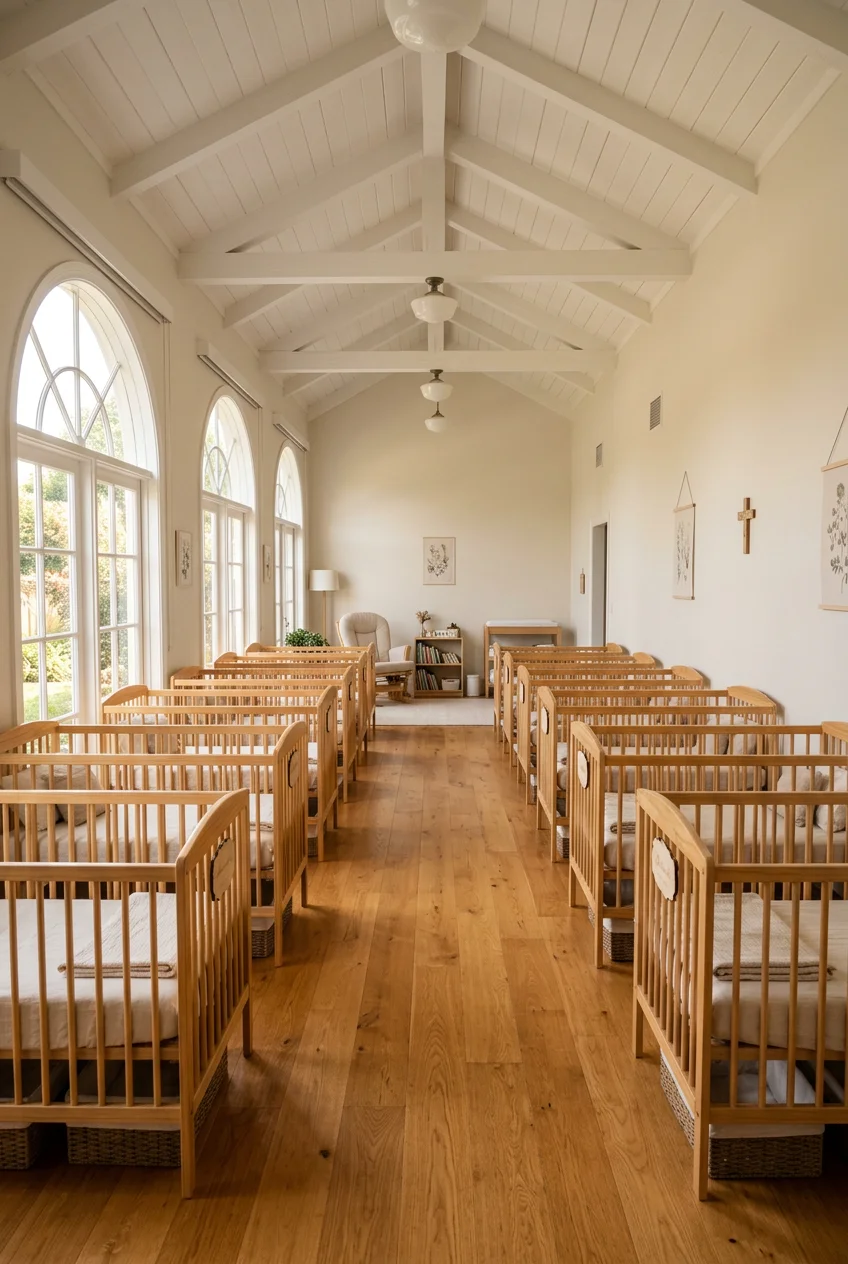
What’s Inside
- Implement a Digital Check-In System for Enhanced Security
- Prioritize Air Quality with HEPA Air Purifiers
- Establish a Strict “Sick Child” Policy and Isolation Zone
- Optimize Diaper Stations with Ergonomic Tables and Clear Protocols
- Enforce a Consistent and Thorough Deep Cleaning Schedule
- Organize Toys with Clear Bins and Implement a Rotation System
- Create Dedicated, Soothing Feeding and Napping Zones
- Develop Comprehensive Emergency Preparedness Kits
- Provide Ergonomic Seating for Your Adult Volunteers
- Integrate Sensory Play Stations to Keep Toddlers Engaged
- Stock Allergy-Friendly Snacks and Post Clear Warnings
- Implement a Grab-and-Go Bag System for Parent Belongings
- Utilize Technology for Volunteer Communication and Training
- Create a Mobile Quiet Time Activity Cart
- Conduct Regular Safety Audits from a Child’s Perspective
Last October, I spent three hours untangling a mountain of sticky plastic rosaries and crushed goldfish wrappers from a donation bin. That’s when I realized our church nursery was a disaster. The room smelled like sour milk and desperation, and parents looked visibly anxious leaving their babies in the chaos. I’m Lauren. I’ve spent the last six months systematically fixing our setup. Here’s what actually works when you’re dealing with fifty toddlers on a Sunday. Let’s skip the fluff and focus on the practical systems that keep the room clean, safe, and functional.
1. Implement a Digital Check-In System for Enhanced Security

Last Tuesday at Costco, I saw a mom juggling a toddler and a giant pack of muffins. It reminded me of our Sunday morning drop-off chaos. We used to use a paper clipboard. It was a massive mistake. Parents scribbled illegibly, and we had no way to page them if a baby wouldn’t stop crying. Transitioning to a digital check-in system fixes this immediately. Planning Center Check-Ins starts at $14 a month for up to 50 daily check-ins. KidCheck is another option starting around $25 a month. These systems generate secure, unique pickup codes on sticker labels. You stick one on the kid’s back and hand the matching tag to the parent. It prints allergy warnings right on the label. The SMS alert feature means you’re not sending an usher into the sanctuary with a cardboard sign anymore. The tradeoff? Older volunteers hate learning the iPad interface. I spent three weeks standing by the check-in desk showing them how to tap the screen, but the security upgrade is necessary. Trust me on this.
2. Prioritize Air Quality with HEPA Air Purifiers

Nurseries are germ factories. I tried spraying Lysol everywhere for months before realizing you can’t just perfume the air. You need to filter it. The Levoit Core 300S costs about $100 to $150 at Target and covers 215 square feet. If your room is bigger, the Coway Airmega AP-1512HH runs between $170 and $230 and handles up to 360 square feet. I bought two of the Coway units for our main toddler room. They run at 24 decibels on low, so they won’t wake a sleeping baby. The smart sensor automatically kicks the fan onto high when it detects dust or odors. A dirty diaper gets changed, and the machine revs up ten seconds later. It’s incredibly effective. The replacement filters cost $45 every six months. That adds up, but it cuts down on the constant cycle of colds passing between families. Just make sure you place them on a high shelf or behind a gated area so toddlers aren’t pressing the buttons.
3. Establish a Strict “Sick Child” Policy and Isolation Zone

Most people get this wrong by being too polite. You can’t let a coughing kid into the play area just because the parents look tired. We established a hard rule: any fever over 100 degrees Fahrenheit means the child stays home. I typed up the policy, printed it on heavy 80 lb cardstock, and taped it right at the check-in desk. We also created an isolation zone. I bought a basic $70 Graco Pack ‘n Play at Walmart and set it up in the far corner of the room, separated by a room divider screen. If a baby spikes a fever or starts throwing up halfway through the sermon, we place them in the playpen with a few easy-to-clean plastic toys while we text the parents. This keeps them away from the healthy kids. The negative? Parents sometimes get defensive when you page them to pick up a sick kid. You just have to be firm. Keeping the rest of the room healthy is your main job.

Delta Children Nursery Storage 48 Piece Set
Delta Children Nursery Storage 48 Piece Set – Easy Storage/Organizatio punches above its price — 17 buyers rated it 4.5 stars. I would buy it again.
4. Optimize Diaper Stations with Ergonomic Tables and Clear Protocols

Changing thirty diapers in two hours destroys your lower back. We originally used a flimsy residential changing table. It wobbled every time a twenty-pound one-year-old kicked. We upgraded to a commercial-grade wall-mounted Koala Kare station. It cost $215, but it holds up to 200 pounds and doesn’t budge. I keep the station stocked with three dozen diapers in sizes newborn through 5. We buy the massive 198-count boxes of Huggies Natural Care wipes from Costco for $29.99. They’re unscented, which avoids irritating sensitive skin. I also mounted a plastic glove dispenser right above the table. Volunteers must wear gloves for every single change. You’ll also want to keep a dedicated trash can just for the gloves, separate from the diaper bin, to prevent cross-contamination when volunteers are rushing. We posted a laminated checklist detailing the exact handwashing and sanitization steps required after a diaper goes in the trash. The $40 Diaper Genie we got from Target fills up too fast, so we empty it halfway through the morning to keep the smell contained.
5. Enforce a Consistent and Thorough Deep Cleaning Schedule

A quick vacuum on Monday morning isn’t enough. I learned that the hard way when a nasty stomach bug wiped out half our volunteer roster. Now, we use Clorox Healthcare Bleach Germicidal Wipes. A tub of 150 wipes costs about $14 on Amazon. They smell strongly of bleach, which isn’t pleasant, but they kill norovirus in one minute. We wipe down all door handles, cabinet knobs, and plastic chairs after every single service. If a toddler puts a plastic block in their mouth, it goes straight into a designated dirty bin under the sink until the dishwasher runs. For toys, we implemented a dishwasher protocol. Every plastic block, rattle, and figure goes into a mesh laundry bag and gets run through the church kitchen’s dishwasher on the sanitize cycle. For plush toys, we wash them in hot water with a half cup of standard Tide detergent. It fades the fabric faster, but hygiene comes first. The mistake most churches make is expecting the regular janitorial staff to clean the nursery toys. They won’t. You have to assign specific nursery volunteers to stay fifteen minutes late to handle the sanitization. You might also like: 20 Brilliant Baby Nursery Themes Ideas You Can Try Today
6. Organize Toys with Clear Bins and Implement a Rotation System

Putting every toy you own into the middle of the room causes instant chaos. I used to think more toys meant happier kids. I was wrong. The kids just dumped everything on the floor and cried. Now, we use the IKEA Trofast storage system. The frames cost $50, and the plastic bins are $4 each. I sort everything by category: wooden blocks in one, toy cars in another. I printed out labels with both the word and a picture of the item, then taped them to the front of each bin. We keep 75% of our toys locked in a storage closet and only leave out a few bins at a time. Every two weeks, we rotate the inventory. The kids think they’re getting brand new toys, and the volunteers only have to clean up a fraction of the mess. The downside is that you need a dedicated closet to hide the off-rotation stuff. If you don’t have extra square footage, you’ll have to stack opaque bins in a corner and cover them with a heavy blanket. You might also like: 15 Unisex Nursery Ideas You Need to See

Criusia Drawer Organizer Clothes
Honestly, Criusia Drawer Organizer Clothes surprised me — sturdier than it looks in the photos, and over 11 buyers gave it 4.5 stars.
7. Create Dedicated, Soothing Feeding and Napping Zones

Babies can’t sleep in the middle of a toddler dance party. You need a physical barrier between the active play area and the quiet zone. We bought two DaVinci Piper Upholstered Gliders for $299 each at Target. They recline and have a smooth rocking motion, which is necessary for getting a fussy infant to take a bottle. We placed them behind a heavy curtain in the infant room. For naps, we use standard Graco Pack ‘n Plays. We keep a stack of twenty fitted sheets (the $10 Burt’s Bees Baby organic cotton ones) and change them between every child. Sleep deprivation makes babies incredibly cranky, so providing a truly dark, quiet space is non-negotiable if you want the Sunday service to run smoothly. To drown out the noise of the older kids, I bought a Hatch Rest+ sound machine for $89.99. I leave it on the TV static white noise setting at 60% volume. It’s loud enough to mask the sounds of slamming doors. The Hatch app is annoying because it frequently disconnects from the church WiFi, but the physical buttons on the device work fine.
8. Develop Comprehensive Emergency Preparedness Kits

Nobody wants to think about evacuating a room full of infants, but you must plan for it. Last spring, the fire alarm went off during the sermon because someone burned toast in the kitchen. We had to carry eight babies out to the parking lot. It was freezing, and we had no supplies. After that, I built emergency backpacks for every nursery room. I bought basic $20 JanSport backpacks from Walmart. Inside each one, I packed a 100-piece Johnson & Johnson first-aid kit ($15), five spare diapers in various sizes, a pack of wipes, four 16-ounce bottles of water, and a box of MadeGood granola minis. I also included a laminated roster of the day’s attendance and emergency contact numbers. The bags hang on a hook right next to the exit door. Every volunteer is instructed to grab the bag on their way out. When parents know you have a concrete, documented evacuation plan with actual supplies, their anxiety about leaving their infant drops significantly. The snacks expire, so I set a calendar reminder to swap out the granola and water every six months. You might also like: 16 Baby Girl Nursery Themes You Need to See
9. Provide Ergonomic Seating for Your Adult Volunteers

If your volunteers are uncomfortable, they won’t sign up again. Sitting on tiny preschool chairs destroys your knees. I did it for two years and ended up at the chiropractor. We finally threw out the rigid plastic adult chairs and bought proper ergonomic seating. I picked up three adjustable rolling stools from Amazon for $45 each. They allow volunteers to sit at child height without hunching over. I’ve noticed that volunteers are much more willing to take the difficult toddler shifts when they know they won’t be physically aching the next day. For the rocking chairs in the infant room, we added lumbar support pillows. I found firm memory foam cushions at Kroger for $19.99 in their home goods aisle. They look a bit out of place, but the older volunteers specifically request the chairs that have them. We also bought a few thick, 24-inch floor cushions from Target ($35 each) for the volunteers who prefer to sit on the floor with the babies. When you prioritize the physical comfort of the people watching the kids, the entire atmosphere of the room calms down.

Criusia Over the Door Organizer
If you want something that just works, Criusia Over the Door Organizer is a safe bet (231 reviews, 4.5 stars).
10. Integrate Sensory Play Stations to Keep Toddlers Engaged

Sensory play is incredibly effective for calming anxious toddlers who miss their parents. We bought a shallow plastic under-bed storage bin from Walmart for $12 and turned it into a sensory table. I filled it with ten pounds of dry pinto beans (about $8 at Whole Foods) and tossed in some plastic measuring cups and spoons. The kids will stand there for twenty minutes just scooping and pouring. It’s mesmerizing. You do have to sweep constantly because the beans end up all over the floor, which is the main drawback. I tried using kinetic sand once, but it got ground into the carpet and took an hour to scrub out. Skip the sand unless you have bare linoleum floors. We also made a feely bag station using a standard pillowcase filled with textured items like a wooden block, a piece of faux fur, and a bumpy rubber ball. It costs almost nothing and gives the kids a quiet, focused activity when the room gets too loud.
11. Stock Allergy-Friendly Snacks and Post Clear Warnings

Food allergies are too common to ignore. We completely banned all outside food in the nursery to prevent cross-contamination. Last year, a parent brought in a peanut butter cracker, and we had to shut down the room to scrub the tables. Now, we strictly provide snacks that are free from the top nine allergens. If you rely on volunteers to check labels on random snacks brought from home, someone will eventually make a mistake. It’s not worth the risk. I buy huge boxes of Enjoy Life soft baked cookies and MadeGood granola minis from Sprouts. A box of 30 MadeGood packs costs about $15. They taste a little dry, but they’re completely nut-free, dairy-free, and gluten-free. I printed a massive 18×24 inch poster listing the ingredients of our snacks and framed it outside the nursery door. Parents can read it before they even walk in. We also use neon red stickers on the name tags of kids with severe allergies. If a kid has a milk allergy, the red sticker ensures every volunteer knows immediately. It’s a small administrative step that prevents massive medical emergencies.
12. Implement a Grab-and-Go Bag System for Parent Belongings

Handing a parent the wrong diaper bag is a nightmare. They all look identical. I once sent a mom home with a gray Skip Hop bag that belonged to someone else, and the resulting phone calls were awful. To fix this, we bought twenty clear plastic bins from the Container Store (the shoebox size, $5.99 each). When a parent checks in, they place their diaper bag, the baby’s bottle, and any pacifiers into a bin. We stick a piece of masking tape on the bin and write the child’s name with a Sharpie. The bins slide onto a cheap metal wire rack from Target ($40) located right behind the check-in desk. This system also gives volunteers a visual checklist; if a bin is empty at the end of the day, you know a parent forgot their gear. When the service is over, we just hand the parent their specific bin. Nothing gets lost, pacifiers don’t get swapped, and the floor isn’t cluttered with twenty different bags. The clear bins also let you see exactly what’s inside, so if a baby needs their specific bottle, you aren’t digging blindly through a dark backpack.
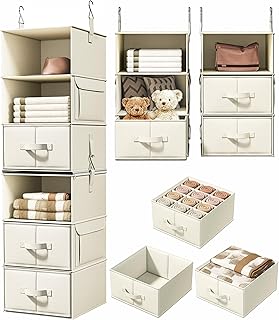
Vailando 6-Shelf Hanging Closet Organizer with 3 Drawers
Honestly, Vailando 6-Shelf Hanging Closet Organizer with 3 Drawers surprised me — sturdier than it looks in the photos, and over 35 buyers gave it 4.5 stars.
13. Utilize Technology for Volunteer Communication and Training

Relying on group text messages to schedule volunteers is a quick way to lose your mind. People reply at 2 AM, and important messages get buried. We switched to the Planning Center Services app. It costs money (starting around $14 a month depending on church size), but it handles all the scheduling. Volunteers can block out dates they aren’t available, which stops the endless back-and-forth emails. It also allows you to track background check expirations in one central database, which is a legal necessity you can’t afford to mess up. For training, I created a private Facebook group. Instead of making people attend a two-hour meeting on a Saturday, I record three-minute videos on my phone. I’ll film a quick walkthrough of how to properly sanitize the changing table or how to mix the powder formula we keep on hand. I post the video to the group, and they watch it on their own time. The negative is that you have to chase down the few people who refuse to use Facebook, but for 90% of the team, it streamlines communication entirely.
14. Create a Mobile Quiet Time Activity Cart

Not every kid naps, and forcing a wide-awake two-year-old to lie on a mat just makes them scream. We needed a way to keep the non-nappers quiet. I bought a three-tier metal rolling cart from IKEA (the Raskog, $39.99). I stocked it with individual plastic shoeboxes. Each box contains a calm activity: a chunky wooden puzzle, a stack of Sandra Boynton board books, or sensory bottles. I made the sensory bottles myself by filling empty Voss water bottles with clear hair gel, warm water, and chunky glitter from Michaels. You glue the lid shut with E6000 adhesive so they can’t drink it. I’ve noticed that having a dedicated, predictable quiet activity stops the older toddlers from throwing tantrums when they realize they aren’t allowed to run around. When the lights go down for nap time, I roll the cart out. The kids who are awake get to pick one box and sit on a carpet square. It keeps them stationary and silent while the others sleep. The cart is brilliant because you can easily roll it into the closet when nap time is over, keeping the room uncluttered.
15. Conduct Regular Safety Audits from a Child’s Perspective

You don’t see the hazards until you get down on the floor. I spent an hour last Tuesday literally crawling around our infant room on my hands and knees. It felt ridiculous, but I found three dropped staples, a cracked baseboard with peeling paint, and a loose outlet cover that I’d never have noticed from five feet up. This step is a mandatory practice for true church nursery organization. Toddlers will find the one dangerous object in a sterile room within seconds, so you have to view the space exactly how they do. You need to check for cords dangling behind the rocking chairs and ensure every single cabinet containing cleaning supplies has a magnetic child lock installed. We use the Safety 1st magnetic locks ($15 for an 8-pack at Target). They’re invisible from the outside and require a magnetic key to open. I also realized our heavy wooden toy shelf was slightly wobbly. We immediately bolted it to the wall studs using a $10 furniture anchor kit from Home Depot. Don’t assume a room is safe just because it looks clean. Crawl the room every three months. No exaggeration.
Setting up proper church nursery organization takes time, but it’s entirely worth the effort when you see parents dropping off their kids without that look of sheer panic in their eyes. I highly recommend starting with the digital check-in system and the air purifiers, as those two changes immediately alter how the room functions and feels. If you found these tips helpful, pin this article to your church planning boards so you have all the exact product names and prices handy when budget season rolls around.
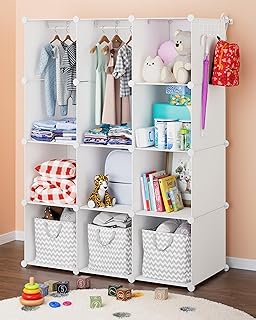
CUBEDIY Baby Closet Organizer for Nursery: Durable Baby
CUBEDIY Baby Closet Organizer for Nursery: Durable Baby Wardrobe for C punches above its price — 316 buyers rated it 4.5 stars. I would buy it again.
Frequently Asked Questions
What is the best check-in system for church nursery organization?
Digital systems like Planning Center Check-Ins or KidCheck are the most secure. They print matching sticker tags for parents and children, track allergies, and allow you to page parents via SMS if an issue arises during the service.
How often should we rotate toys in the church nursery?
Keep 75% of your toys in a locked storage closet and rotate the active bins every two weeks. This reduces the cleaning burden on volunteers and keeps the toddlers engaged with what feels like brand new toys.
What snacks are safe for a church nursery?
Always provide snacks free from the top nine allergens to prevent medical emergencies. Brands like MadeGood and Enjoy Life offer nut-free, dairy-free, and gluten-free options like granola minis and soft-baked cookies that are safe for most children.
How do you handle sick children in a church nursery?
Establish a strict policy where any child with a fever over 100 degrees stays home. Set up a portable playpen in an isolated corner to separate a child who develops symptoms during the service while you page their parents.
