What’s Inside
- Start With A Post-2011 Crib For True Safety
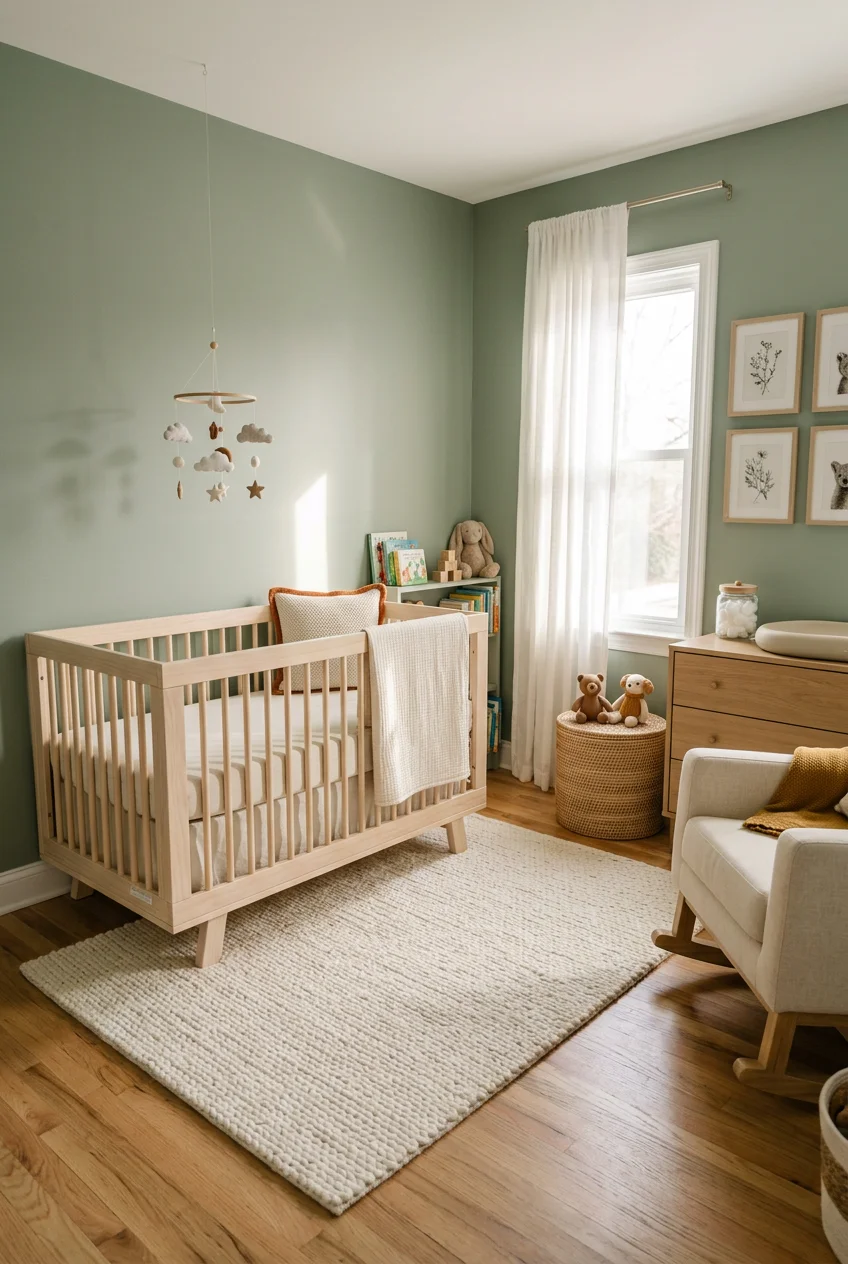
- Pick 2026 Paint Trends For Baby Room Ideas Boy
- Skip Fabric Covers And Get A Wipeable Changing Pad
- Run A Cool Mist Humidifier For Better Breathing
- Position A Sound Machine Seven Feet Away
- Install True 100% Blackout Curtains For Sleep
- Buy Future-Ready Convertible Furniture
- Layer Earthy Neutrals And Rattan Textures
- Paint An Engaging Accent Wall With Purpose
- Use Soft 2700K Dimmable Lighting
- Choose A Low-Pile Wool Nursery Rug
- Fix The Hidden Safety Hazards Beyond The Crib
- Try The Japandi Style For A Serene Space
- Personalize With Subtle Wooden Details
- Schedule Weekly Humidifier Maintenance
- Organize Closets With Exact Basket Measurements
- Build A Functional Feeding Station
- Hang A High-Contrast Ceiling Mobile
I spent three weeks painting my first son’s nursery a stark navy blue, only to realize it felt like a tiny, dark cave that smelled faintly of chemicals. If you’re hunting for baby room ideas boy, learn from my early disasters. I tried creating the perfect Pinterest space and ended up with a room that actually kept my baby awake. I’m a nursery design consultant now, and I’ve learned exactly what works through trial and error. You don’t need a perfectly matching furniture set. You need a space that functions at 3 AM when you’re operating on two hours of sleep. Let’s walk through the specific items, measurements, and layouts that actually function well. I’ll show you exactly where to spend your budget and where to save it. Took me years to figure out.
1. Start With A Post-2011 Crib For True Safety

Most people get this wrong by accepting an antique crib from a well-meaning relative. You can’t use a crib manufactured before 2011. The safety standards changed drastically that year to ban drop-side rails, which Nationwide Children’s Hospital notes were responsible for severe injuries. I bought a used crib for my first baby and spent hours worrying about the hardware. It’s simply not worth the stress. Buy a new, compliant crib. You need a firm mattress that fits snugly. If you can fit more than two fingers between the mattress and the crib sides, the gap is too large and poses a suffocation risk. The Newton Baby Essential Crib Mattress costs $249 and features a completely breathable core. If you need a budget option, the Graco Premium Foam Crib Mattress runs about $89 at Walmart and fits standard dimensions perfectly. Skip the soft bedding, pillows, and stuffed animals entirely. The American Academy of Pediatrics states these increase suffocation risks. Just use a fitted sheet and a wearable sleep sack.
2. Pick 2026 Paint Trends For Baby Room Ideas Boy

Move beyond traditional baby blue. The upcoming trends for 2026 lean heavily into calming, earthy tones that ground the space. I’m currently painting a client’s nursery in Mushroom Taupe, which is a versatile blend of beige, gray, and soft brown. It feels warm without being overly yellow. Another excellent option is Smoky Sage, a muted, organic green that pairs beautifully with natural wood furniture. If you really want blue, look at Benjamin Moore’s Beach Glass 1564. It costs about $70 per gallon and has gray undertones that keep it from looking like a cartoon sky. Always verify you’re buying zero-VOC paint. Infants sleep up to 18 hours a day in this room, and standard paints off-gas harsh chemicals for months. I used a cheap standard paint from a hardware store once, and the chemical smell lingered for six weeks. Learned that the hard way. Look for the Greenguard Gold certification on the can to protect your baby’s indoor air quality.
3. Skip Fabric Covers And Get A Wipeable Changing Pad

Skip the fabric changing pad covers entirely. I tried this wrong for months before figuring it out. Last October, my infant had a massive blowout at 2 AM. I stood there in the dark, stripping a soiled cotton cover off a foam pad, throwing it in the wash, and laying down a cold towel just to finish the diaper change. It’s a miserable chore. You’re better off investing in a wipeable changing pad right from the start. The Keekaroo Peanut Changer costs about $130. It’s made of a dense, impermeable polyurethane material that feels slightly squishy but completely blocks liquids. When a mess happens, you just wipe it down with a standard Clorox wipe and dry it with a paper towel. If that price feels too high, the Jool Baby Waterproof Changing Pad offers a similar polyurethane foam surface for under $90. The surface is slightly cooler to the touch than fabric, but the actual diaper area stays bare for easy cleanup.

JolyWell Night Light for Kids
Honestly, JolyWell Night Light for Kids surprised me — sturdier than it looks in the photos, and over 51 buyers gave it 4.5 stars.
4. Run A Cool Mist Humidifier For Better Breathing

Pediatricians recommend maintaining indoor humidity between 30 and 50 percent to help with congestion and dry skin. You must opt for a cool-mist ultrasonic humidifier. Warm-mist models boil water and pose a severe burn risk to mobile toddlers. The Levoit Dual 150 Ultrasonic Cool Mist Humidifier costs $45 and operates quietly enough that it won’t wake a sleeping baby. It holds 0.79 gallons of water, providing up to 25 hours of continuous moisture on the lowest setting. The top-fill design means you won’t spill water all over the floor when refilling it. I highly recommend using distilled water. I used regular tap water for a month and ended up with a fine white mineral dust coating every surface in the room. You can buy gallon jugs of distilled water at Costco or Whole Foods for about $1.19 each. For larger nurseries over 300 square feet, the Dreo Smart Humidifier covers more ground for around $70.
5. Position A Sound Machine Seven Feet Away

A sound machine helps babies fall asleep faster by mimicking the loud, rushing noises of the womb. However, placement matters. The American Academy of Pediatrics recommends placing the sound machine at least seven feet away from the crib. You also need to keep the volume at or below 50 decibels, which is roughly the loudness of a quiet conversation. Blasting white noise right next to a baby’s head can damage developing ears. The Hatch Rest+ 2nd Gen costs $60 and functions as a sound machine, a dimmable night light, and an audio monitor. The companion app lets you adjust the volume from the hallway without opening the nursery door. If you want a simpler device without Wi-Fi connectivity, the Dreamegg Lite D11 Max is a solid alternative for $35. It has 21 soothing sounds and a physical volume dial. I’ve used the Dreamegg for two years now, and the battery lasts through power outages.
6. Install True 100% Blackout Curtains For Sleep

Creating a pitch-black sleep environment is crucial for regulating an infant’s circadian rhythm. Most people buy curtains labeled room darkening and assume that is enough. It’s not. I bought a $25 pair of room-darkening panels from Target, and the morning sun bled right through the fabric, waking my son at 5 AM every day. You need curtains labeled as 100% blackout. Sleepout Nursery offers blackout curtains for $110 that are GREENGUARD Gold and OEKO-TEX certified. The fabric is heavy and completely blocks UV rays and streetlights. You also need a wrap-around curtain rod to pull the fabric flush against the wall, preventing light from leaking out the sides. For traveling or visiting grandparents, the Sleepout Portable Blackout Curtain 2.0 installs directly onto the glass with heavy-duty suction cups. It costs $99 and packs down into a small carrying bag. True darkness cues the brain to produce melatonin, making nap transitions significantly easier.

ColorsNoise Sound Machine and White Noise Machine with 30
ColorsNoise Sound Machine and White Noise Machine with 30 Soothing Sou punches above its price — 31 buyers rated it 4.5 stars. I would buy it again.
7. Buy Future-Ready Convertible Furniture

A major trend for nursery design is flexibility. Buying a standalone crib that only lasts 18 months is a waste of money. Invest in a convertible crib that transitions into a toddler bed, a daybed, and eventually a full-sized bed frame. The Babyletto Hudson 3-in-1 Convertible Crib costs $499 and includes the toddler bed conversion kit in the box. It features a low profile, making it easier to lift a sleeping baby over the rail if you’re on the shorter side. I bought a cheap crib for my first nursery that didn’t include the conversion kit. By the time I needed it two years later, the manufacturer had discontinued the specific rail, forcing me to buy a whole new toddler bed. If you need a more budget-friendly option, the Delta Children Emery 4-in-1 Crib runs about $200 at Walmart and offers similar longevity. Choose a natural wood or white finish that won’t clash with future decor changes.
8. Layer Earthy Neutrals And Rattan Textures

Modern nurseries emphasize warmth and tactile materials rather than flat, glossy surfaces. Incorporate materials like bouclé fabrics, natural rattan, woven seagrass baskets, and raw wood accents. This creates a sophisticated space that avoids feeling like a plastic toy aisle. I like to layer a soft, washable cotton rug over a larger, durable jute rug to add depth to the floor. A 5×8 jute rug from Rugs USA costs about $120 and provides a tough, textured base. Add a Crate & Kids bouclé throw pillow for $40 to the nursing chair for lower back support. The nubby texture of the bouclé contrasts nicely with smooth wooden furniture. I used to buy cheap polyester blankets for texture, but they pill after two washes and feel scratchy against bare skin. Sticking to natural fibers like cotton, wool, and rattan ensures the room feels inviting and breathable. You might also like: 20 Creative Small Spaces Baby Room Organization Ideas You Haven’t Thought Of
9. Paint An Engaging Accent Wall With Purpose

Instead of painting all four walls a single flat color, use an accent wall to anchor the room. This provides a visual focal point directly behind the crib or the nursing station. Consider a subtle geometric pattern painted in a slightly darker shade than the adjacent walls. Alternatively, use a high-quality peel-and-stick wallpaper. Spoonflower offers incredible woodland and sky-themed wallpapers starting at $109 per roll. I recently installed their Into the Sky pattern featuring muted hot air balloons in a client’s home. The paper is thick, repositionable, and doesn’t leave a sticky residue behind. I’ve tried cheap wallpaper from Amazon before, and it shrank on the wall after three weeks, leaving ugly white gaps between the panels. Spend the extra money on premium paper. An accent wall stimulates a baby’s developing vision without overwhelming the entire space with busy patterns. You might also like: 15 Baby And Toddler Shared Room That Actually Work

Staryou Sensory Lights Baby Sound Machine Night Light
Staryou Sensory Lights Baby Sound Machine Night Light Projector Sensor has been one of the most consistently praised picks in this category. 910 reviewers averaged 4.5/5.
10. Use Soft 2700K Dimmable Lighting

Harsh, bright overhead lighting will instantly wake a sleepy baby during a midnight diaper change. You need dimmable overhead lights and warm-toned LED bulbs. Look specifically for bulbs labeled 2700K to 3000K on the packaging. These emit a soft, warm yellow glow that mimics evening sunlight. GE Relax LED bulbs cost about $9 for a four-pack and dim smoothly without flickering. Avoid daylight bulbs entirely. They emit a harsh blue light that suppresses melatonin production. I made the mistake of putting a bright white bulb in my nursery lamp, and my baby would instantly stare wide-awake at the ceiling every time I turned it on. Also, skip floor lamps entirely. A mobile ten-month-old will inevitably pull up on the stand and knock the heavy metal pole onto themselves. Stick to flush-mount ceiling fixtures, securely mounted wall sconces, or small table lamps pushed far back on a heavy dresser. You might also like: 18 Nursery Themes Boy Worth Trying
11. Choose A Low-Pile Wool Nursery Rug

A rug adds necessary warmth and sound dampening to hard floors. However, you must choose the right material and pile height. Avoid thick shag rugs. I tripped over a high-pile Moroccan shag rug while holding my newborn because my slipper caught the deep fibers. It’s a massive tripping hazard. Choose a low-pile rug made from natural wool or washable cotton. Wool is naturally hypoallergenic, incredibly soft underfoot, and inherently stain-resistant because the fibers contain natural oils. A 5×8 Safavieh wool rug costs roughly $180. If you prefer something you can throw directly in the washing machine, Ruggable offers 5×7 washable rugs for $169. Their low-profile design means doors easily clear the rug, and you won’t trip during late-night pacifier retrievals. Always buy a thick, non-slip felt rug pad to go underneath. A standard quarter-inch felt pad costs $40 and prevents the rug from sliding across hardwood floors.
12. Fix The Hidden Safety Hazards Beyond The Crib

Safe sleep is heavily discussed, but parents often miss the hidden hazards around the rest of the room. You must cover every electrical outlet, even the ones hidden behind the dresser. Safety 1st offers a 36-pack of clear outlet plugs for $4 at Target. Never place the crib or the changing table within three feet of a window. A toddler can easily climb the furniture and fall against the screen. You also need to eliminate all blind and drapery cords. Strangulation from window cords is a severe, silent hazard. If you have older blinds with pull cords, replace them with cordless cellular shades or install cord cleats high up on the wall. Always bolt heavy dressers and bookshelves directly to the wall studs using anti-tip hardware. A 50-pound toddler pulling out the bottom drawer of an unanchored dresser will cause the entire unit to tip forward in seconds.

Color Noise Sound Machines with 10 Colors Night Light 25
Honestly, Color Noise Sound Machines with 10 Colors Night Light 25 Soothing Soun surprised me — sturdier than it looks in the photos, and over 113 buyers gave it 4.5 stars.
13. Try The Japandi Style For A Serene Space

Japandi is a massive design trend that fuses Japanese minimalism with Scandinavian functionality. It’s perfect for a nursery because it emphasizes clean lines, neutral color palettes, and natural wood tones, creating a tranquil environment. To achieve this look, keep furniture silhouettes simple and avoid bulky, ornate woodwork. The IKEA Sniglar crib is a perfect Japandi piece. It costs only $119, is made of solid unfinished beech wood, and features an incredibly minimalist frame. Pair it with light oak or ash dressers. Keep clutter completely out of sight in closed linen boxes or woven baskets. I love the Japandi approach because it forces you to be intentional about what you bring into the room. You aren’t filling corners with random plastic toys. The space feels open, airy, and calming for both the baby and the exhausted parents sitting in the glider at 4 AM.
14. Personalize With Subtle Wooden Details

Avoid over-theming the room. A floor-to-ceiling pirate theme might look cute for a newborn, but it feels incredibly dated by the time they hit kindergarten. Instead, personalize the space with subtle, timeless details. Use wooden letters to spell out your baby’s first name or initials above the dresser. You can find custom laser-cut birch wood letters on Etsy for about $25. Mount them with heavy-duty 3M Command Strips so you don’t ruin the drywall. I also like hanging a simple canvas fabric banner with a meaningful quote or birth statistics. These small touches add personality without dictating the entire room’s aesthetic. I once painted a giant fire truck mural for a client who demanded it, and they hired me two years later to paint over it because their toddler was suddenly terrified of loud trucks. Keep the base of the room neutral and let the accessories provide the character.
15. Schedule Weekly Humidifier Maintenance

Setting up the gear isn’t enough. You have to maintain it. Humidifiers are notorious breeding grounds for black mold and harmful bacteria if left uncleaned. You must clean the tank and the base every three to five days. I usually buy a large jug of standard white vinegar from Kroger for $3. Empty the humidifier, pour a cup of vinegar into the base, let it sit for twenty minutes to dissolve the hard water scale, and scrub it with a small brush. Rinse it thoroughly with cold water before refilling. I neglected my first humidifier for a month, and when I finally opened it, the inside was coated in a slimy pink bacterial film. Pumping that into a baby’s lungs is dangerous. Set a recurring alarm on your phone for Wednesday and Sunday mornings to scrub the tank. It takes five minutes and ensures the air remains safe.

Baby Sound Machine Baby Kids Night Light Projector with
If you want something that just works, Baby Sound Machine Baby Kids Night Light Projector with Star is a safe bet (783 reviews, 4.5 stars).
16. Organize Closets With Exact Basket Measurements

Nursery closets quickly become black holes for tiny socks, outgrown onesies, and bulk diaper boxes. You need a modular storage system. Don’t just throw things onto the wire shelves. Use structured fabric bins to categorize clothing by size. The Target Brightroom 11-inch fabric cube bins cost $10 each and fit perfectly onto standard closet shelving. Buy six of them. Label them: Newborn, 0-3 Months, 3-6 Months, 6-9 Months, Accessories, and Keepsakes. When your baby outgrows a onesie, wash it and drop it straight into a vacuum-seal bag stored at the top of the closet. I used to keep outgrown clothes mixed in with current clothes, and I’d spend ten minutes every morning digging through the drawer trying to find pants that actually fit. Use velvet baby hangers for jackets and nice shirts. They cost $15 for a 30-pack at Walmart and prevent tiny cardigans from slipping onto the floor.
17. Build A Functional Feeding Station

You will spend hundreds of hours sitting in the nursery feeding your baby. The chair and the setup around it are critical. Don’t buy a cheap, stiff rocking chair. Invest in a high-quality upholstered glider with a tall backrest so you can rest your head during late-night feeds. The Pottery Barn Kids Comfort Swivel Glider costs roughly $800, but the lumbar support and smooth gliding motion are incredible. Right next to the glider, you need a small, sturdy side table. I bought a simple metal accent table from Walmart for $45. On that table, keep a large insulated water bottle with a straw, a dimmable touch lamp, and easy one-handed snacks. I keep a stash of organic granola bars from Sprouts Farmers Market in the drawer for about $4 per box. When you’re trapped under a sleeping infant for an hour, having water and calories within arm’s reach is absolutely essential.
18. Hang A High-Contrast Ceiling Mobile

Newborns have terrible eyesight. For the first few months, they can only see objects 8 to 12 inches away, and they primarily register high-contrast black-and-white patterns. A pastel blue mobile hanging three feet above the crib is practically invisible to them. Hang a high-contrast mobile to actually engage their developing vision. The Manhattan Toy Wimmer-Ferguson Infant Stim-Mobile costs $32 and features reversible black, white, and brightly colored geometric cards. Hang it securely from the ceiling using a heavy-duty toggle bolt, not just a standard drywall screw. I had a cheap plastic mobile arm snap off the crib rail once, dropping the entire plastic assembly right next to my sleeping baby’s head. Ceiling mounting is much safer. Position the mobile over the center of the crib so the baby can look straight up. It provides vital visual stimulation during awake time and gives you three minutes of peace to fold laundry. No exaggeration.
Creating a functional, safe, and beautiful space doesn’t require a massive budget, just intentional choices. I’ve seen too many parents stress over perfect matching sets while ignoring the practical realities of midnight diaper changes. Stick to wipeable surfaces, true blackout curtains, and firm safety standards. If you found these baby room ideas boy helpful, pin this article to your nursery planning board on Pinterest so you can reference the exact measurements and brands when you’re standing in the store aisle. You’ve got this.
Frequently Asked Questions
What are the best paint colors for a baby boy room in 2026?
Trending colors move away from bright blue toward earthy neutrals. Mushroom Taupe, Smoky Sage, and Dusty Blue (like Benjamin Moore’s Beach Glass) offer a calming environment. Always choose zero-VOC paints to protect your baby’s indoor air quality.
How far away should a sound machine be from the crib?
The American Academy of Pediatrics recommends placing sound machines at least seven feet away from the crib. Keep the volume at or below 50 decibels to protect your baby’s developing hearing while still masking household noise.
What type of changing pad is best for a nursery?
Skip fabric covers entirely and invest in a wipeable polyurethane changing pad like the Keekaroo Peanut or Jool Baby Waterproof pad. They prevent liquids from soaking in, allowing you to quickly wipe up blowouts with a standard sanitizing wipe.
How do I make my baby’s room completely dark for naps?
Buy 100% blackout curtains, not just room darkening panels. Look for heavy, certified fabrics from brands like Sleepout. Use a wrap-around curtain rod to pull the fabric flush against the wall so sunlight can’t leak through the sides.
