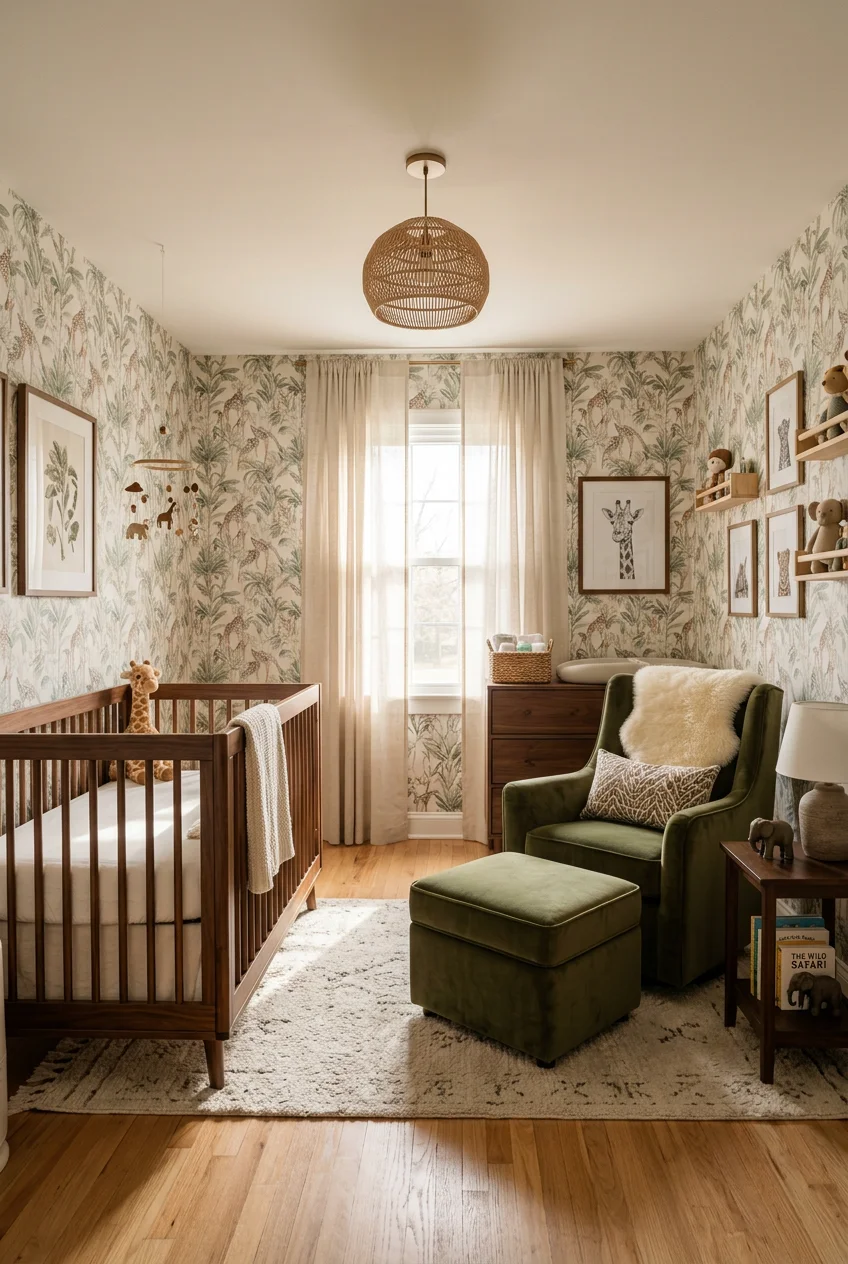
What’s Inside
- Start With A Sophisticated Earthy Color Palette For Your Baby Boy Safari Nursery
- Skip Cartoon Decals For Elegant Wall Art
- Anchor The Room With An OEKO-TEX Certified Rug
- Choose Natural Rattan Or Wood Furniture
- Layer Dimmable Lighting For 3 AM Feeds
- Add Texture With Linen Blackout Curtains
- Bring In Real But Safe Greenery
- Use Woven Storage Baskets For Toys And Blankets
- Build A Cozy Reading Nook In A Corner
- Install Floating Bookshelves For Safari Books
- Pick Breathable Organic Cotton Crib Sheets
- Create A Functional Wipeable Changing Station
- Incorporate Subtle Animal Textures
- Keep The Ceiling Mobile Simple But Engaging
- Organize Closets With Wooden Dividers
- Add A Personal Touch To Your Baby Boy Safari Nursery
I painted my first client’s safari nursery a blinding mustard yellow back in 2019, and it looked like a cheap fast-food joint, not a retreat. The poor mother cried when she saw the walls. I spent three agonizing days repainting the room a muted sage green just to fix my massive mistake. Designing a cozy safari nursery takes serious restraint. You can’t just throw zebra stripes and neon leaves everywhere and call it a day. I learned that the hard way. I’ve spent the last four years refining how to build these rooms so they actually feel peaceful for 3 AM feedings. Here are sixteen ways to get the look without making the room feel like a theme park gift shop.
1. Start With A Sophisticated Earthy Color Palette For Your Baby Boy Safari Nursery

Move beyond bright primary colors. I tried using standard bright green paint for a project last year, and the room ended up with a sterile hospital vibe. You’re better off leaning into rich, muddy hues. Sherwin Williams “Toasty” is a warm brown that costs $74.50 per gallon. It pairs perfectly with sage greens, sandy neutrals, and pale creams. I like adding terracotta tones, such as burnt sienna, to introduce a subtle red warmth. Shades of gray like pewter provide sharp contrast without overwhelming the natural ambiance. This approach ensures the space feels modern. I usually pick up my paint samples on Tuesday mornings right after grabbing my groceries at Kroger. The harsh fluorescent lights in the store always remind me why I hate bright, artificial colors. Stick to muted tones. It’s the only way the room won’t feel chaotic when colorful plastic toys eventually cover the floor. Trust me on this.
2. Skip Cartoon Decals For Elegant Wall Art

Instead of plastering cartoonish animals on the drywall, choose sophisticated watercolor prints. A common mistake is over-theming with character bedding or bright decals. These cheap stickers peel off after six months and leave a sticky, yellow residue. I spent two hours scraping cheap plastic giraffe stickers off a client’s wall last month. It’s frustrating work that damages the drywall. I recommend L’amour Fou eco-friendly animal prints. They print on premium fine art paper using non-toxic inks. A set of six 8×10 prints costs $45. I frame them in simple $12.99 light oak frames from Target. The watercolor texture gives the room a softer edge. You aren’t locking yourself into a childish theme that your son will outgrow by age three. The muted sketches look like actual museum art. They blend right into the earthy paint colors we just talked about.
3. Anchor The Room With An OEKO-TEX Certified Rug

A soft rug is crucial for tummy time and crawling. I bought a cheap, thick shag rug for my own son’s room, and I couldn’t vacuum it without the beater bar getting stuck. It held onto every cracker crumb and dust bunny. Look for rugs that are OEKO-TEX STANDARD 100 certified. This means they’re free from harmful substances. I use the Animal Safari Non-Slip Kids Playroom Washable Indoor Area Rug by Blue Nile Mills. It costs $149 for the standard 5×8 feet size. It’s 100% polyester with a low pile of just 0.25 inches. You can actually clean the fibers easily. A 5×8 feet rug is a versatile size that allows most furniture to sit partially on the edges. This defines the floor space perfectly. I spilled half a 4 oz bottle of formula on this exact rug last week, and the mess wiped up with a damp cloth in ten seconds.
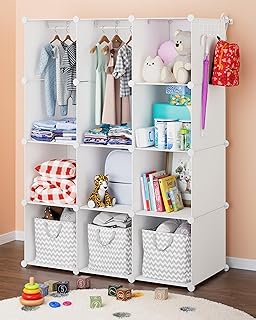
CUBEDIY Baby Closet Organizer for Nursery: Durable Baby
CUBEDIY Baby Closet Organizer for Nursery: Durable Baby Wardrobe for C punches above its price — 316 buyers rated it 4.5 stars. I would buy it again.
4. Choose Natural Rattan Or Wood Furniture

Select furniture crafted from natural materials like rattan, bamboo, or sustainably harvested wood. I bought a cheap particleboard dresser once, and the drawer glides derailed after three months of holding heavy baby clothes. I’ve learned to invest in solid pieces. The Aspen Dresser from Nurture& costs $899. It’s made of premium wood and features non-toxic clear finishes. You can add their specific wooden changing topper for $149. It transitions to a regular dresser as your child grows. The natural wood grain adds a tactile element to the smooth painted room. I like to pair this heavy dresser with a woven rattan side table. I found a great 18-inch tall rattan stool at HomeGoods for $39.99. The combination of solid wood and woven textures brings the outdoor feel inside without being literal. It’s sturdy enough to survive a toddler banging wooden blocks against the side panels. You might also like: 16 Small Nursery Layout You Need to See
5. Layer Dimmable Lighting For 3 AM Feeds

Incorporate adjustable lighting to create a calming atmosphere. I used to rely on the standard overhead ceiling light for night feeds. Turning that harsh bulb on at 3 AM feels like staring into the midday sun. It wakes the baby up completely and ruins their sleep cycle. Now I use the Hatch Rest+ 2nd Gen, which costs $89.99. I keep the app set to a dim 15% amber glow. I also place a small brass floor lamp next to the fabric glider. I use a specific GE Relax 40-watt equivalent amber LED bulb that costs $4.99. It casts a soft light that mimics a sunset. I picked up a four-pack of these exact bulbs at Walmart last Sunday. You need multiple light sources at different heights. It’s the easiest way to navigate the dark room without stubbing your toe on a hard crib leg.
6. Add Texture With Linen Blackout Curtains

You need heavy blackout curtains if you want your baby to nap during the bright afternoon. I tried using standard cotton curtains with a cheap plastic liner, and the sunlight leaked right through the side seams. It ruined nap time for three straight weeks. I switched to the Quince European Linen Blackout Curtains. They cost $89.90 per 50×84 inch panel. The rough linen texture adds a rugged, natural feel that fits the theme perfectly. They weigh about three pounds each, so the heavy fabric drapes beautifully. I hang them high and wide using a 1-inch matte black steel curtain rod. You’re going to want to wash the panels first. I use 2 tablespoons of unscented Tide Free & Gentle detergent to get the factory smell out of the linen. The thick fabric blocks out the midday sun. It also dampens the annoying sound of the neighborhood dogs barking outside. You might also like: 15 Clever Neutral Small Nursery Ideas for Every Budget

JolyWell Night Light for Kids
A dependable everyday pick — JolyWell Night Light for Kids pulls in 51 ratings at 4.5 stars. Not flashy, just solid.
7. Bring In Real But Safe Greenery

Fake plastic plants collect dust and look tacky. I bought a $40 fake fiddle leaf fig from Amazon once, and the plastic leaves looked terribly shiny under the nursery lights. Instead, bring in real, non-toxic living plants. A Parlor Palm is completely safe for pets and curious babies. I buy them in a 10-inch terracotta clay pot for $24.99 at Sprouts Farmers Market. They usually keep the healthiest ones right near the front doors. The feathery green fronds look exactly like wild jungle foliage. I water my palm with exactly 1/2 cup of tap water every Tuesday morning. It requires very little natural sunlight to survive in a dark corner. The rough terracotta pot adds that burnt sienna color we talked about earlier. Just keep the pot elevated on a 15-inch wooden plant stand so crawling babies can’t dig their fingers into the wet potting soil. You might also like: 15 Gender Neutral Nursery Themes for Every Budget
8. Use Woven Storage Baskets For Toys And Blankets

Babies accumulate brightly colored plastic toys that clash with a neutral aesthetic. I used to toss everything into a giant open plastic bin. It looked messy. Now I use the Pehr Pom Pom Storage Pint baskets. They cost $28 each. They measure 9×10 inches and are made of heavy, stiff 100% cotton canvas. The natural cream color with muted green yarn pom-poms fits the safari vibe perfectly. I line three of them up on the bottom wooden shelf of the closet. One holds wooden blocks, one holds silicone pacifiers, and one holds rolled-up muslin swaddles. I keep a larger 18×18 inch coiled rope basket next to the changing table for dirty laundry. I actually found a great heavy-duty rope basket at Costco last month for $19.99. Woven textures hide the plastic clutter while adding to the natural feel of the room. The thick rope handles won’t snap when you carry a heavy load.
9. Build A Cozy Reading Nook In A Corner

You’re going to spend hundreds of hours sitting in this room. Don’t buy a cheap wooden rocking chair. I did that with my first child, and my lower back ached for six months. The creaking wood joints also woke the baby every time I stood up. I recommend the Babyletto Kiwi Electronic Power Recliner and Swivel Glider. It costs $799. It measures 36x29x41 inches. It has a built-in USB port and reclines silently with the push of a button. I drape a 50×60 inch olive green muslin throw blanket over the high backrest. I buy the soft throw blankets from West Elm for $49. The dark green fabric breaks up the neutral gray upholstery. I sit in this exact chair and read books every night. The thick foam cushioning supports your neck when you’re exhausted. It’s an expensive investment, but it’s the most functional piece of furniture in the space.

Criusia Drawer Organizer Clothes
Criusia Drawer Organizer Clothes has been one of the most consistently praised picks in this category. 11 reviewers averaged 4.5/5.
10. Install Floating Bookshelves For Safari Books

Heavy, freestanding bookcases are a tipping hazard. I had a tall wooden bookshelf in a client’s room that started leaning forward on the carpet. We had to bolt it to the drywall with ugly metal brackets. Now I strictly use floating wall shelves. The IKEA Flisat wall storage shelves cost just $19.99 each. They are 27.5 inches wide and made of solid, unfinished pine. I mount three of them vertically on the wall next to the glider. They hold the books face-out, which acts as free, colorful wall art. I fill the wooden ledges with classic safari-themed books. The raw pine wood adds another layer of natural texture. I wipe the dusty shelves down with a damp microfiber cloth and a quick spray of cleaner I grabbed at Trader Joe’s. They keep the floor clear and the books easily accessible when you’re holding a squirming infant.
11. Pick Breathable Organic Cotton Crib Sheets

Crib bedding should be simple and breathable. I bought a heavy polyester crib sheet once because it had a cute elephant pattern. My son woke up sweating through his cotton pajamas every night. I switched quickly to the Burt’s Bees Baby Organic Fitted Crib Sheet. It costs $19.99 and measures 28×52 inches to fit a standard mattress. The 100% organic cotton is incredibly soft against sensitive skin. I specifically buy the “Watercolor Safari” print. It features tiny, muted gray and sage green animals on white cotton. It’s subtle and doesn’t scream for attention. I always wash the stiff new sheets in warm water before the first use. I actually ran out of baby detergent last week and had to grab a bottle of Seventh Generation Free & Clear while I was picking up produce at Whole Foods. The organic cotton gets softer with every wash. You don’t need heavy quilts or dangerous padded bumpers.
12. Create A Functional Wipeable Changing Station

Fabric changing pad covers are a nightmare. I spent the first three months of motherhood scrubbing mustard-colored stains out of white cotton covers. I was doing hot laundry twice a day. Skip the woven fabric. I use the Keekaroo Peanut Changer. It costs $149.95 and measures 32×17 inches. It’s made of a solid, impermeable polyurethane polymer that feels slightly cold. When a messy blowout happens, I just spray the smooth surface with 3 squirts of Dapple Baby All Purpose Cleaner and wipe it clean with a paper towel. It comes in a “Vanilla” color that matches the safari palette perfectly. I place it directly on top of the heavy Nurture& dresser. I keep a small woven caddy next to it with a stack of diapers and a $6.49 tub of Aquaphor Baby Healing Ointment (3 oz). It makes middle-of-the-night diaper changes fast and sterile.

Beautiful Wooden Baby Closet Dividers Set of 7
If you want something that just works, Beautiful Wooden Baby Closet Dividers Set of 7 – Double-Sided Organize is a safe bet (11 reviews, 4.5 stars).
13. Incorporate Subtle Animal Textures

You don’t need literal animal faces staring at you from every corner. I used a giant five-foot stuffed giraffe in a room design once, and the long neck got in the way of the closet door. It was annoying to move around while vacuuming. Instead, bring in subtle animal textures through soft textiles. I use the Faux Fur Leopard Pillow from Pottery Barn Kids. It costs $39.50 and measures 16×16 inches. I toss it on the glider for lumbar support. The muted brown and tan spots hint at the safari theme without being obvious. I also like using a 40×50 inch faux sheepskin rug draped over a wooden ottoman. The varied, fluffy textures mimic the wildness of the savanna. It gives older babies something interesting to touch when they start exploring the floor. You’re layering tactile experiences rather than just flat visual ones. It feels much more sophisticated.
14. Keep The Ceiling Mobile Simple But Engaging

Heavy plastic mobiles with flashing lights and loud music overstimulate tired babies. I bought a motorized plastic jungle mobile for $60, and the mechanical whirring sound drove me crazy. It sounded like a broken kitchen blender. I prefer lightweight, handmade options. The Pehr Safari Mobile costs $85. It features small, hand-felted wool animals hanging from a simple 9-inch wooden hoop. The soft animals are muted grays, yellows, and greens. It spins naturally with the gentle air currents from the ceiling fan. I hang it securely from a metal ceiling hook, ensuring the lowest animal is at least 16 inches above the crib mattress. The soft, fuzzy wool texture contrasts nicely with the rigid, hard lines of the wooden crib. It provides gentle visual tracking for the baby without the obnoxious electronic music. It’s a quiet, calming focal point for them to look at before sleep.
15. Organize Closets With Wooden Dividers

Baby clothes are tiny and impossible to keep organized without a system. I used to just shove everything onto standard thick plastic hangers. It took me ten minutes to find a clean 3-6 month onesie in the morning. Now I use custom wooden closet dividers. I buy a set of six from a shop on Etsy for $18. They are laser-engraved with months (0-3, 3-6, etc.) and feature tiny safari leaves at the top. They measure 3×7 inches and slip over the closet rod. I pair them with slim velvet baby hangers. I bought a 50-pack of beige velvet hangers at Target for $16.99. The grippy velvet stops the tiny cotton shirts from slipping off onto the floor. The thin wooden dividers keep the closet looking neat. They tie the natural wood elements of the room together, even behind closed doors.

Criusia Over the Door Organizer
If you want something that just works, Criusia Over the Door Organizer is a safe bet (231 reviews, 4.5 stars).
16. Add A Personal Touch To Your Baby Boy Safari Nursery

Every nursery needs one personalized element to make it feel grounded. I ordered a cheap acrylic name sign once, and it arrived scratched and looked like frosted plastic trash. I’ve moved to solid wood. I order custom wooden name signs from Caden Lane. A 24-inch wide sign costs about $45. I choose a raw birch wood finish and a simple, modern serif font. I mount the lightweight wood on the wall opposite the crib using four heavy-duty 3M Command Strips. I never hang heavy items directly over the crib for safety reasons. The raw wood name sign personalizes the space while adhering to the earthy, organic aesthetic we built. It’s the final decorative piece that ties the whole room together. It makes the space feel like it belongs to your son, rather than just a sterile showroom floor. Took me years to figure out that less is more.
Designing this room shouldn’t stress you out. Stick to the muted greens and browns, invest in that wipeable changing pad, and skip the giant plastic toys. I’ve designed dozens of these spaces, and the simple, textured approach always ages the best. If you found these tips helpful, pin this article to your nursery mood board so you can reference the exact paint colors and dimensions when you’re ready to start decorating.
Frequently Asked Questions
What are the best colors for a baby boy safari nursery?
Stick to a warm, earthy palette. I recommend muted sage greens, sandy neutrals, pale creams, and terracotta tones like burnt sienna. Sherwin Williams ‘Toasty’ is a great warm brown. Avoid bright, primary neon colors so the room stays calming.
Should I use wallpaper or paint in a safari nursery?
Paint is much easier to update as your child grows. If you want a pattern, opt for sophisticated watercolor animal prints or a muted mural on one accent wall. Cheap cartoon decals peel and leave sticky residue.
What kind of rug is best for a baby’s room?
You need a low-pile, washable rug that is OEKO-TEX certified. Thick shag rugs trap dust and are impossible to vacuum. A 5×8 foot polyester rug with a 0.25-inch pile defines the space and wipes clean easily.
How do I add safari elements without it looking tacky?
Incorporate subtle animal textures through textiles, like a faux fur leopard print pillow or a faux sheepskin rug. Use natural rattan furniture and real, non-toxic plants like a parlor palm. Skip the giant plastic animal toys.
