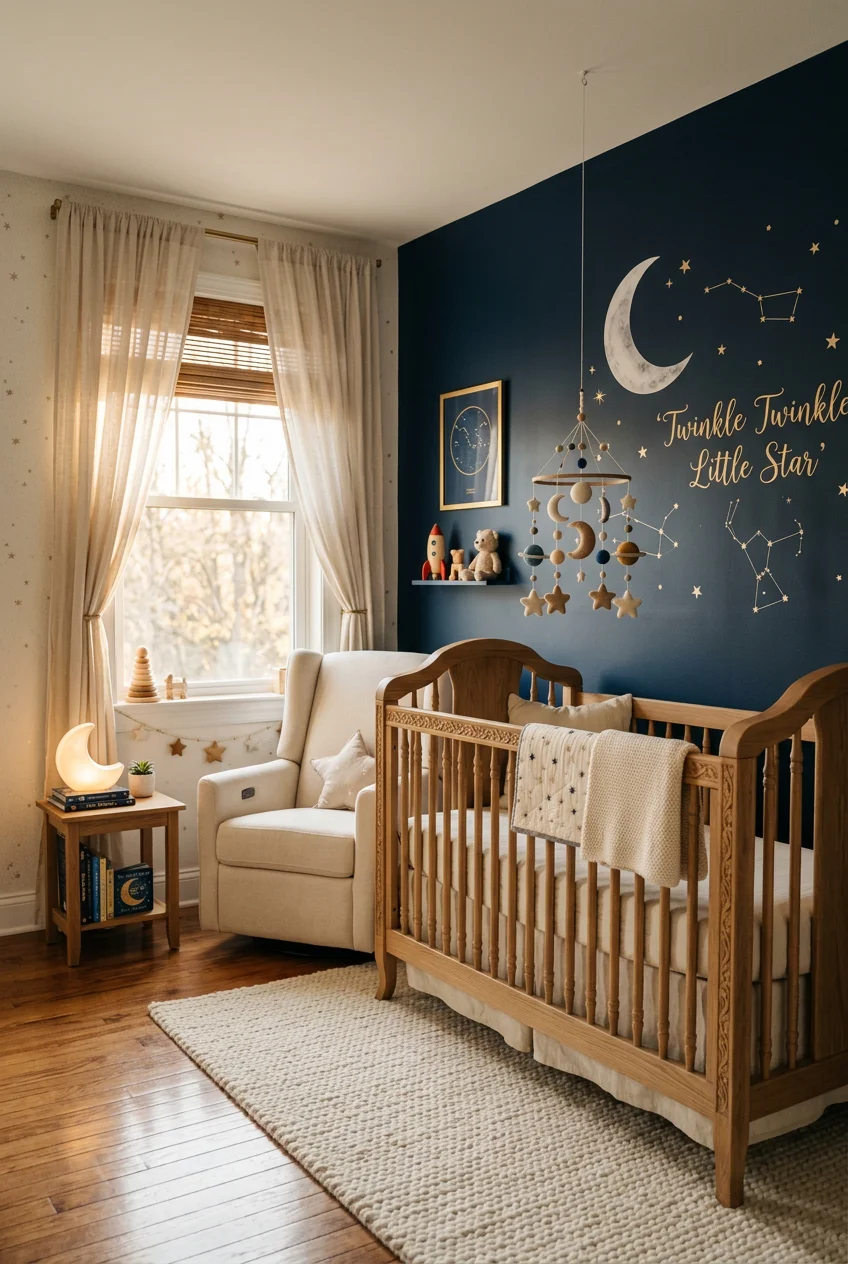
What’s Inside
- Embrace Biophilic Design for a Calming Oasis
- Prioritize Zero-VOC Paint for Unique Baby Nursery Themes
- Implement Layered, Dimmable Lighting
- Invest in Multi-Functional, Convertible Furniture
- Embrace the Montessori-Inspired Layout
- Select the Exact Right Rug Size
- Avoid Rigid Themes; Opt for Gentle Storytelling
- Maximize Storage with Hidden Solutions
- Incorporate Sensory-Rich Textures
- Use Wallpaper on the Ceiling
- Design a Multi-Functional Wellness Zone
- Avoid Overstimulating Decor with Muted Bases
- Leverage Smart Technology Thoughtfully
- Personalize Without the Clutter
- Mix Vintage and Modern for an Eclectic Vibe
- Ground the Room with Dark, Moody Florals
Most folks start a nursery by picking a paint color, ignoring the natural light, and ending up with a room that feels like a gloomy cave. When you’re planning a baby’s space, layout and light dictate everything. You’ll spend hundreds of hours in there at 3 AM, so it needs to work like a machine before it looks like a Pinterest board. If you only try one idea here, make it #10. Why? A wallpapered ceiling draws the eye up, makes a standard eight-foot room feel twice as tall, and gives the baby something to focus on during those endless midnight diaper changes. Learned that the hard way.
Skip this list if you’re aiming for a pristine, magazine-cover room where the baby isn’t allowed to touch anything. These ideas prioritize function, inevitable messes, and long-term durability over rigid, untouchable looks. If you want a fragile, all-white silk sanctuary, this won’t work for you. Trust me on this.
1. Embrace Biophilic Design for a Calming Oasis

Bringing the outside in isn’t just a trend; it’s a way to add visual interest without using loud, primary colors. Use natural elements and an earthy palette to build a serene, nature-inspired nursery. Pick furniture made from solid wood or bamboo instead of cheap particleboard. Paint the walls in soft, muted tones like Benjamin Moore Saybrook Sage HC-114 or a warm terracotta. Add a rough-hewn jute or wool rug for texture. You can grab pet-safe, air-purifying houseplants like spider plants or Boston ferns at Trader Joe’s or Home Depot, usually for under $20. The look of trailing green leaves against a muted wall adds instant character.
Best for: urban apartments lacking natural outdoor views.
The catch: Live plants need regular watering, and dropping dead leaves creates a choking hazard once the baby starts crawling.
2. Prioritize Zero-VOC Paint for Unique Baby Nursery Themes

Protecting a baby’s lungs means looking closely at your wall treatments. Standard paints release Volatile Organic Compounds (VOCs)—that sharp, chemical smell that gives you a headache. Choose zero-VOC paints. Brands like KILZ KOLOR IT are made for nurseries with zero emissions and no added biocides. Benjamin Moore Eco Spec is another solid pick, offering zero-VOC Gennex colorants and a huge color library. A one-gallon can covers about 400 square feet, which is plenty for two coats in a 10×10 foot room. Make sure you finish painting at least eight weeks before your due date so the room has time to air out.
The catch: Eco-friendly paints often lack heavy binders, so you’ll likely need three coats instead of two to get full coverage.
3. Implement Layered, Dimmable Lighting

A common mistake is relying on one harsh overhead light. It flattens the room and acts like an interrogation lamp during 2 AM feedings. Instead, layer your lighting. Install a dimmable overhead LED, a soft bedside lamp or sconce for late-night feeds, and heavy blackout curtains from Target or IKEA to control daytime nap light. Use 40-watt equivalent LED bulbs with a warm 2700K temperature. LEDs are great because they stay cool, preventing burns if a toddler touches the lamp shade.
Best for: rooms facing east that get flooded with blinding morning sunlight.
The catch: Hardwiring wall sconces means cutting into drywall and hiring an electrician, which adds a hefty cost to your budget.

Mr. Pen- Baby Diaper Caddy Organizer, Gray, Medium
A dependable everyday pick — Mr. Pen- Baby Diaper Caddy Organizer pulls in 4 ratings at 4.5 stars. Not flashy, just solid.
4. Invest in Multi-Functional, Convertible Furniture

Babies outgrow mini-cribs fast. Design for growth by picking furniture that adapts. A convertible crib, like the Dream On Me Violet 7-in-1 or the Nestig Wave 4-in-1, transitions from a mini crib to a full-size bed. This offers better value. Also, skip the dedicated changing table. A wide dresser like the Evolur Audrey Double Dresser works perfectly as a changing station. Just add a removable tray on top. Once the diaper phase ends, remove the tray and you have a standard dresser that lasts until the teenage years. You might also like: 17 Boys Nursery Ideas That Actually Work
The catch: Conversion kits—the rails needed to turn the crib into a full bed—are almost never included, forcing you to spend more money later.
5. Embrace the Montessori-Inspired Layout

Fostering independence starts with the layout. A Montessori-style nursery flips traditional design. The key is a low floor bed—often just a 4-inch or 6-inch mattress on the floor—instead of a barred crib. This lets the baby crawl in and out safely once they’re mobile. Use low, open shelving with only three or four age-appropriate toys displayed at once to prevent decision fatigue. Hang artwork, shatterproof acrylic mirrors, and floating shelves at the baby’s eye level, about 24 to 36 inches off the floor, to engage their senses. You might also like: 15 Toddler Boy Room Ideas You Need to See
The catch: Using a floor bed means the whole bedroom is the crib; the room must be 100% baby-proofed, with every outlet covered and furniture anchored.
6. Select the Exact Right Rug Size

Most people buy rugs that are way too small, making the room look cheap. A rug is essential for defining zones and cushioning falls, but size matters. For a medium nursery, a 160×230 cm rug works well under the front legs of the crib and nursing chair. In larger rooms, a 200×300 cm rug fills the space properly, leaving about 8 to 12 inches of bare floor around the baseboards. Always choose a machine-washable rug, like the popular options from Tumble, to handle milk spills and diaper blowouts. You might also like: 16 Girls Nursery Ideas Worth Trying
The catch: Washable rugs are thin to fit in your washer, so you’ll need to buy a separate 1/2-inch thick felt pad for actual cushioning.

Beautiful Wooden Baby Closet Dividers Set of 7
Beautiful Wooden Baby Closet Dividers Set of 7 – Double-Sided Organize punches above its price — 11 buyers rated it 4.5 stars. The kind of pick people reorder.
7. Avoid Rigid Themes; Opt for Gentle Storytelling

Going “too hard” on a specific theme like a pirate ship is a mistake. The child outgrows it in two years, and you’re stuck scraping decals off the wall. Instead, try “gentle storytelling.” Keep the heavy, expensive items neutral and add playful prints through textiles. A “Storybook Whimsy” vibe works with muted wall colors, while the theme lives in the crib sheets and a few framed prints. You get the look without the long-term commitment.
Best for: parents who plan to have multiple children share the room eventually.
The catch: This approach lacks the instant, overwhelming “wow” factor of a custom-painted mural.
8. Maximize Storage with Hidden Solutions

Babies generate a ton of clutter. Plan for aggressive storage from day one. Use a mix of open and closed bins. Place woven baskets on low shelves for toys, and mount floating shelves high for delicate items like glass piggy banks. The IKEA Trofast system is a staple because the plastic bins hide the chaos. Under-cot drawers are great for storing wipes or out-of-season clothes. Ensure every heavy piece of furniture is secured to the wall studs using heavy-duty steel anti-tip kits from Lowe’s or Home Depot.
The catch: Open woven baskets collect dust fast and require weekly vacuuming to keep allergens down.
9. Incorporate Sensory-Rich Textures

A flat, smooth room is boring for a developing brain. Layering textures is key for cognitive development. Mix materials deliberately. Choose boucle upholstery for your nursing chair, like the Nurture& The Glider Plus, which adds a nubby, cloud-like feel. Drape a chunky knit wool throw over the back. Add ribbed velvet cushions and raw wooden toys on the shelves. The contrast between the rough wood, soft velvet, and bumpy boucle gives a crawling baby a rich landscape to explore.
The catch: Boucle fabric is a magnet for spit-up and pet hair, making it a pain to spot-clean compared to performance linen.
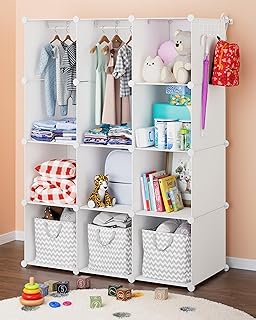
CUBEDIY Baby Closet Organizer for Nursery: Durable Baby
CUBEDIY Baby Closet Organizer for Nursery: Durable Baby Wardrobe for C has been one of the most consistently praised picks in this category. 342 reviewers averaged 4.5/5.
10. Use Wallpaper on the Ceiling

Instead of an accent wall behind the crib, apply wallpaper to the ceiling. This creates an unexpected “fifth wall” that adds dimension without making the room feel small. It’s great for “Celestial Moonlight Dream” or “Enchanted Forest” themes. Stick to high-quality peel-and-stick wallpaper from brands like Spoonflower or West Elm. It draws the eye upward, making standard 8-foot ceilings feel taller, and gives the baby something fascinating to look at while lying on their back.
Best for: small, boxy rooms that lack architectural features like crown molding.
The catch: Installing peel-and-stick wallpaper on a ceiling will kill your neck and shoulders; gravity fights you, making it a mandatory two-person job.
11. Design a Multi-Functional Wellness Zone

The nursery isn’t just for the baby; you live there too. Designate a corner as a “mini wellness zone” for the parents. Invest in a chair with firm lumbar support and a smooth glide. Pair it with a sturdy side table. Stock that table with essentials: a 32 oz water bottle, lip balm, burp cloths, and snacks. Grabbing a 24-pack of protein bars from Costco and keeping them in a basket next to the chair saves you from stumbling to the kitchen at 4 AM.
The catch: A comfort corner with a bulky glider eats up square footage, often making it hard to fit a dresser in a 10×10 room.
12. Avoid Overstimulating Decor with Muted Bases

Neon colors and chaotic patterns might look cool on Instagram, but they lead to sensory overload for an infant. A room that’s too loud makes it hard for a baby to wind down. Keep the base of the room soothing. Use muted tones like soft grays, pale sage greens, or creamy beiges for the walls and rugs. If you want bright colors, keep them to small accents like book spines or art. Also, keep the room physically soothing; the optimal temperature for sleep is 68-72°F (20-22°C).
The catch: Muted, neutral rooms can feel cold or boring if you don’t aggressively layer textures like wood, wool, and linen.

Modanais Baby Diaper Caddy Organizer Cart
If you want something that just works, Modanais Baby Diaper Caddy Organizer Cart – 3 Tier Rolling Storage Car is a safe bet (347 reviews, 4.5 stars).
13. Leverage Smart Technology Thoughtfully

Smart nursery tech offers peace of mind, but it needs to be integrated cleanly so cords aren’t dangling. Products like the Nanit Pro Smart Baby Monitor offer AI-powered breathing tracking with an HD overhead feed. The Owlet Dream Sock 3 tracks heart rate and oxygen levels. Mount cameras securely using wall channels to hide power cords. Don’t rely only on gadgets, though; a standard room thermometer and safe sleep guidelines are non-negotiable.
The catch: High-tech monitors rely on your Wi-Fi; if your router drops the signal at night, you lose the feed completely.
14. Personalize Without the Clutter

Customization makes a room feel intentional. Instead of cluttering shelves with dozens of knick-knacks, opt for subtle personalization. Commission a custom name plaque in raw birch or frosted acrylic from an Etsy creator. Create a small memory wall with ultrasound photos, a hospital footprint, and milestone cards. Keep the frames uniform—like all matte black metal or all natural oak—so the gallery wall doesn’t look like a mess.
Best for: renters who can’t paint but want to make a generic room feel specific.
The catch: Custom name plaques take 4 to 6 weeks to ship, making them useless if you’re decorating at the last minute.
15. Mix Vintage and Modern for an Eclectic Vibe

A matching 5-piece furniture set from a big-box store looks flat. Break it up. Mix a modern, safety-certified acrylic crib with a vintage, solid wood dresser from an antique shop or Goodwill. Swap out generic wooden knobs for brushed brass pulls to modernize it. This mix gives the room soul and keeps it from looking like a showroom.
The catch: Older vintage dressers often have sticky wooden drawer glides that screech, which will wake a sleeping baby unless you wax the tracks.

Parker Baby Diaper Caddy
Parker Baby Diaper Caddy – Nursery Storage Bin and Car Organizer for D has been one of the most consistently praised picks in this category. 172 reviewers averaged 4.5/5.
16. Ground the Room with Dark, Moody Florals

Pastels aren’t mandatory. Deep, moody colors anchor a room beautifully. Paint the lower half of the walls in a rich navy or hunter green, and install oversized, dark floral decals from Wayfair or Etsy above the chair rail. It creates a sophisticated, gothic garden look that works for a teenager later. Dark colors also absorb light, making the room darker for daytime naps.
The catch: Dark walls absorb light, meaning you’ll need to increase your artificial lighting budget to keep the room functional.
How we chose these ideas
We picked these concepts by looking at their long-term adaptability, cost, and daily function. We focused on renter-friendly mods, safety, and cutting visual clutter. We prioritized ideas that solve layout problems rather than just following trends.
Designing a nursery is a big project, but focusing on function makes the aesthetic choices easier. Don’t rush, and remember that the room will evolve as fast as your baby does. Save this list and pin your favorite ideas so you have a reference when it’s time to start buying.
Frequently Asked Questions
What is the best paint for a baby nursery?
Genuinely zero-VOC paints like KILZ KOLOR IT or Benjamin Moore Eco Spec are the safest choices. They emit no harmful chemical fumes. Always finish painting at least eight weeks before the baby arrives to allow any residual moisture and mild odors to fully dissipate.
How do I make a small nursery look bigger?
Apply wallpaper to the ceiling to draw the eye upward, making the room feel taller. Use a single, large rug (like an 8×10 ft) instead of multiple small ones, and utilize wall-mounted floating shelves to keep the floor clear of bulky storage units.
Are dark colors okay for unique baby nursery themes?
Yes. Deep navy, forest green, or charcoal can create a sophisticated, calming environment. Dark walls naturally absorb light, which aids in daytime napping. Just ensure you layer plenty of warm artificial lighting and use light-colored rugs to balance the visual weight.
What size rug do I need for a standard nursery?
For a standard 10×10 foot room, an 8×10 foot rug is ideal. It covers the majority of the floor, providing a soft surface for crawling, while leaving a small border of hard floor around the edges to make the room look intentionally styled.
