What’s Inside
- Prioritize Safety with Non-Toxic Materials
- Choose Classic Pooh for Timeless Appeal
- Embrace Peel-and-Stick Wallpaper for Versatility
- Create a Feature Wall with a Mural
- Opt for Acrylic Over Glass in Framed Art
- Anchor All Heavy Wall Decor Securely
- Incorporate Personalized Prints for a Unique Touch
- Use Wall Decals for Flexible Decor
- Curate a Calming Color Palette
- Leverage Digital Downloads for Sizing Control
- Avoid Over-Theming to Prevent Visual Clutter
- The Hundred Acre Wood Map as a Focal Point
- Utilize Latex Inks for Custom Murals
- Strategic Placement for Cognitive Growth
- Check for Official Licensing for Quality
- Incorporate Wooden Quote Signs for Texture
- Use Floating Book Ledges for Display
- Hang Fabric Banners for Softness
- Choose Subtle Silhouette Cutouts
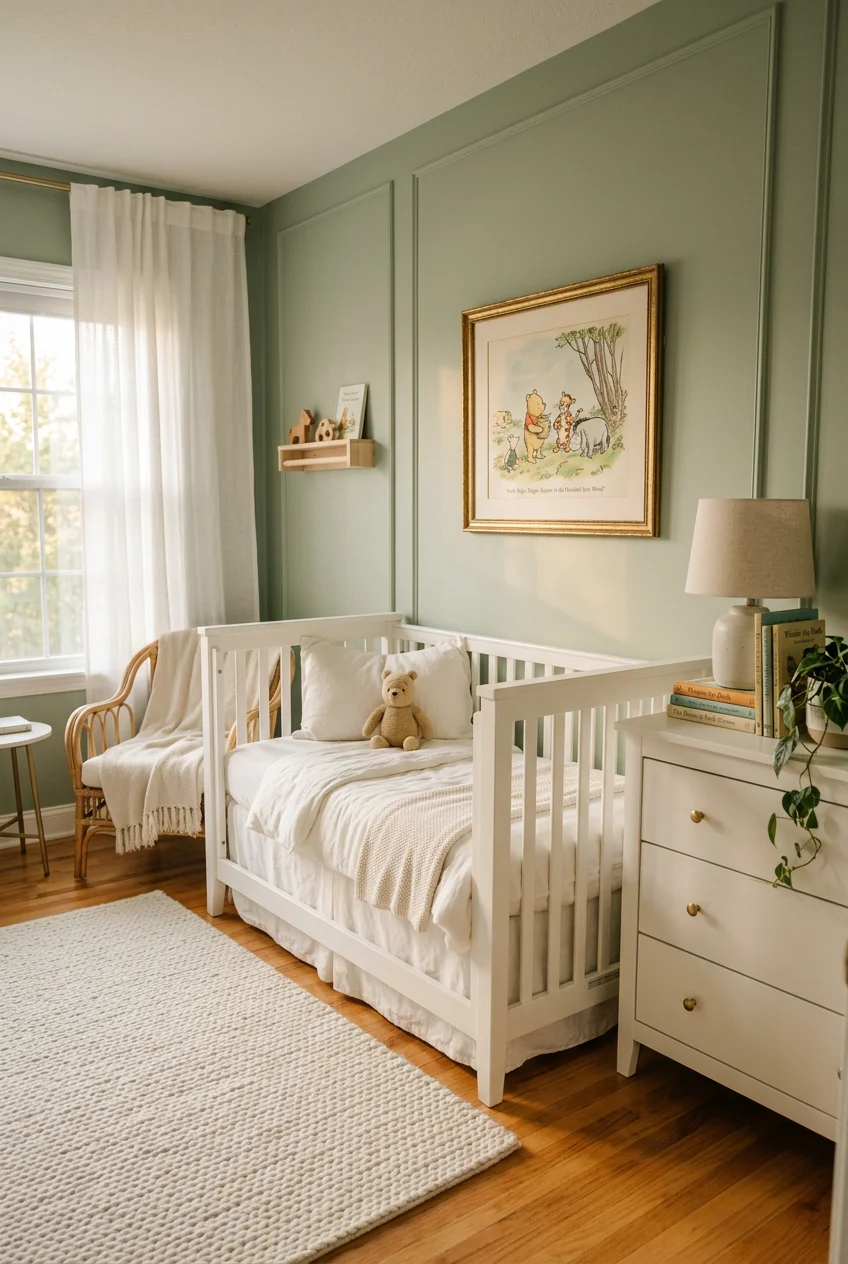
It always surprises me when people plaster a baby’s room with bright yellow cartoon bears and wonder why the space feels chaotic. Getting Winnie the Pooh nursery art right takes restraint, not a total theme park takeover. You want subtle nods to the Hundred Acre Wood, using soft palettes and classic illustrations that won’t overstimulate a newborn. If you only try one idea here, make it #12. Why? A framed vintage map anchors the room with sophisticated nostalgia, looking more like custom art than a mass-produced poster. Trust me.
Skip this list if you’re aiming for a hyper-modern, high-contrast black and white aesthetic. The Hundred Acre Wood relies on warm honey tones, sage greens, and soft pastels. These traditional colors won’t work with a stark, minimalist monochrome vibe.
1. Prioritize Safety with Non-Toxic Materials
When picking Pooh-themed art, safety comes before looks. A common mistake is buying cheap, chemically treated canvases that off-gas in a small room. Always look for decals and wallpapers made with low-VOC or zero-VOC paints. You want water-based or plant-based adhesives to cut down on chemical emissions. Brands like RoomMates Décor and WallPops often specify their products are safe for nurseries. These safer options usually cost between $20 and $50. Non-toxic materials create a healthier breathing environment for your baby during those early months. The texture of these safer materials often feels like matte paper rather than shiny vinyl, which looks higher-end on the wall. The catch: these eco-friendly adhesives need a perfectly smooth, clean wall to stick. You can’t just slap them over textured plaster.
2. Choose Classic Pooh for Timeless Appeal

Original E.H. Shepard illustrations evoke a nostalgic, enduring aesthetic. This style relies on soft pencil lines and muted watercolor tones. It stays charming as your child grows, unlike the bright red and yellow TV versions that scream toddler room. Lambs & Ivy offers beautiful Classic Pooh unframed art sets. These typically come as 8×10 inch prints for under $30. Framing these in simple, natural oak wood frames from Target or Walmart keeps the focus on the artwork. The muted sage greens and soft honey yellows blend well with modern neutral furniture. Best for: homes with traditional or modern farmhouse styling. The catch: because the colors are so soft, these prints can get lost on a large, blank white wall if you don’t use thick, substantial frames to anchor them.
3. Embrace Peel-and-Stick Wallpaper for Versatility

For an accent wall, peel-and-stick wallpaper provides a huge visual punch without the commitment of paste. It’s repositionable, easy to install, and won’t damage the drywall. RoomMates Décor makes a stunning Winnie The Pooh Toile Peel and Stick Wallpaper that runs around $40 per roll. The toile pattern offers a sophisticated, vintage feel that incorporates the characters into the background vines. You get the theme without it feeling overwhelming. Applying this behind the crib creates an immediate focal point. The vinyl material wipes clean easily if a bottle splatters. Best for: renters who aren’t allowed to paint. The catch: matching the intricate toile pattern requires extreme patience. Buy at least one more roll than you calculate to account for pattern repeat waste.
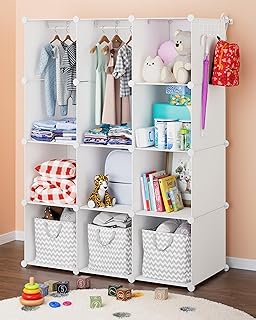
CUBEDIY Baby Closet Organizer for Nursery: Durable Baby
If you want something that just works, CUBEDIY Baby Closet Organizer for Nursery: Durable Baby Wardrobe for C is a safe bet (342 reviews, 4.5 stars).
4. Create a Feature Wall with a Mural
A large-scale mural turns a square room into the Hundred Acre Wood. When planning a mural, make sure key elements aren’t hidden by the crib or dresser. Pottery Barn Kids sells stunning Disney Winnie the Pooh murals, including a 108-inch by 72-inch option that retails just under $200. These pieces act as the single art installation for the room, so you won’t need extra frames. The visual impact of life-size trees and characters creates an immersive environment. The matte finish of high-quality murals absorbs light, preventing harsh glares. The catch: installing a mural this size is a two-person job. If your walls aren’t perfectly level, aligning the panels will be frustrating.
5. Opt for Acrylic Over Glass in Framed Art

When hanging art near a crib, swap out traditional glass for acrylic. It’s lighter and safer. If the art gets bumped during a diaper change or falls, acrylic won’t shatter into dangerous shards. Most standard frames from IKEA or Target come with acrylic fronts, usually priced between $10 and $25. You get a crisp look without the heavy, fragile hazard over your baby. The light weight also means you can use simpler hanging hardware. Check the frame specs before buying, as some premium frames still use glass. The catch: acrylic scratches easier than glass. Use microfiber cloths instead of paper towels when dusting. You might also like: 18 Nursery Classroom Decoration Ideas That Actually Work
6. Anchor All Heavy Wall Decor Securely

Any decor heavier than a stuffed toy must be anchored. This includes shelves, large prints, or wood signs. Relying on simple nails is a massive safety hazard. You need to anchor these items into wall studs or use heavy-duty drywall anchors. This is non-negotiable to prevent accidents as your baby turns into a curious toddler. Toggle bolts or threaded anchors from a hardware store cost less than $10 and provide peace of mind. Using a magnetic stud finder ensures your decor stays put. The catch: heavy-duty anchors leave large holes in your drywall that will require patching and painting if you move the artwork. You might also like: 20 Nursery Wall Ideas That Actually Work

Criusia Drawer Organizer Clothes
If you want something that just works, Criusia Drawer Organizer Clothes is a safe bet (12 reviews, 4.5 stars).
7. Incorporate Personalized Prints for a Unique Touch

Adding prints with your baby’s name or a specific A.A. Milne quote creates a sentimental piece of art. Etsy shops like Ollie + Hank and Spottedlizardprints offer gorgeous custom options. You can usually buy these as digital downloads for $5 to $7. You type in the baby’s details, and the seller emails you a high-resolution file. Print it locally on high-quality archival paper. The personalization makes the nursery feel intentional and tailored to your family. Best for: tight budgets looking for a custom feel. The catch: you’re responsible for printing, so ensure you select thick, matte cardstock. Otherwise, it’ll look like an office memo. You might also like: 18 Cute Nursery Ideas for Every Budget
8. Use Wall Decals for Flexible Decor
Wall decals are an easy, affordable way to introduce characters without the commitment of wallpaper. They adhere best to smooth, clean surfaces. Lambs & Ivy sells Disney Winnie the Pooh and Friends Wall Decals that come in sets of three 12-inch by 18-inch sheets. These sets include 12 pre-cut pieces, creating an approximate finished size of 20.5 by 65 inches. You can usually find these for $20 to $25. They feel slightly rubbery and peel off the backing smoothly. Scatter the bees and honey pots around the room or cluster them together. The catch: if your walls have heavy texture, the edges of these decals will lift and curl within a few weeks, collecting dust.
9. Curate a Calming Color Palette

Design your nursery with a soothing palette of honey yellows, soft greens, sky blues, and warm beiges. These colors reflect the gentle ambiance of the Hundred Acre Wood. This approach aligns with modern farmhouse aesthetics that favor subtle character integration. If you pull a soft sage green from a piece of art and use it for the wall paint, the artwork feels cohesive and built-in. Brands like Sherwin Williams or Benjamin Moore offer beautiful historic color lines that match this vintage aesthetic. Keeping background colors muted allows the delicate pencil drawings to stand out. The catch: getting the exact right shade of honey yellow is difficult. Go too bright, and the room looks like a fast-food restaurant.

Criusia Over the Door Organizer
Criusia Over the Door Organizer has been one of the most consistently praised picks in this category. 336 reviewers averaged 4.5/5.
10. Leverage Digital Downloads for Sizing Control

Purchasing digital art downloads from Etsy lets you print them in the exact sizes you need. Whether you want a 5×7 inch print for a bookshelf or a 16×20 inch poster for above the changing table, you control the output. Digital prints cost as little as $5 to $15. Upload the files to printers like Walgreens or professional labs. This bypasses the markup of pre-framed art and shipping costs for large items. You get to choose your own frames to match the crib wood. Best for: parents who want a gallery wall with mixed frame sizes. The catch: color calibration varies between monitors and printers, so the sage green you see on your laptop might print as a muddy brown.
11. Avoid Over-Theming to Prevent Visual Clutter

Instead of filling every surface with merchandise, select a few subtle art prints and leave some walls blank. Limiting character repetition creates a sophisticated look. It reduces visual clutter that can overstimulate a baby trying to wind down. A common mistake is buying the matching crib sheet, curtains, rug, and wall art. It’s just too much. Choose one or two high-quality art pieces and let the rest of the room breathe with solid colors and natural textures like wicker. This restraint makes your chosen art feel special. The catch: it takes discipline to stop buying adorable themed items on sale. You have to resist the urge to over-decorate.
12. The Hundred Acre Wood Map as a Focal Point

A framed map of the Hundred Acre Wood offers a sophisticated way to incorporate the theme without being childish. It remains relevant well into the elementary years. These maps are available as large prints or digital downloads on Etsy, usually ranging from $15 to $40. The intricate lines and vintage topography make it look like a genuine antique map. Framing a 24×36 inch map in a dark walnut frame creates a stunning, academic look. It gives you something interesting to look at during late-night rocking sessions. The catch: the fine details are lost if you buy a size smaller than 16×20 inches, making it look like a blurry smudge.

Beautiful Wooden Baby Closet Dividers Set of 7
A dependable everyday pick — Beautiful Wooden Baby Closet Dividers Set of 7 – Double-Sided Organize pulls in 11 ratings at 4.5 stars. Not flashy, just solid.
13. Utilize Latex Inks for Custom Murals

If you’re buying custom murals or high-end decals, ensure they’re produced using latex inks. These inks are safe and recommended for sensitive environments like hospitals. They don’t emit the harsh chemical smells associated with solvent-based inks. Beyond safety, latex inks provide vibrant, long-lasting colors that resist fading. The colors sit beautifully on the substrate, giving the artwork a rich, premium finish. When ordering online, check the shop’s FAQ to confirm their printing methods. The catch: custom printing with certified latex inks is expensive, often increasing the price of a mural by 30 percent or more.
14. Strategic Placement for Cognitive Growth

Position gentle imagery in areas easily visible from the crib or changing table. Research suggests that familiar characters can foster comfort and reduce anxiety. Placing a soft illustration of Piglet or Pooh at the baby’s eye level near the changing pad gives them something comforting to focus on. Don’t place the most engaging art high up near the ceiling where the baby can’t see it. Keeping art lower respects the baby’s perspective. The visual consistency builds a sense of routine and security. The catch: placing art low enough for a baby to see means it’s also low enough for a crawling infant to reach, so bolt the frames to the wall.
15. Check for Official Licensing for Quality
Always look for officially licensed products when buying art or decals. Licensed items guarantee authentic designs and adhere to strict quality standards. The materials in licensed goods are tested, so they’re less likely to fade, peel, or contain unsafe chemicals. You avoid the wonky, distorted character faces found on cheap, unlicensed websites. Authentic Disney licensing ensures the honey yellow and classic red colors are exactly right. While you might pay $30 for licensed decals instead of $10 for a knockoff, the longevity and safety are worth the extra twenty bucks. The catch: licensed merchandise rarely goes on deep discount, and your options for customization are limited.

StorageWorks Hanging Closet Organizer with Metal Rod
A dependable everyday pick — StorageWorks Hanging Closet Organizer with Metal Rod pulls in 18 ratings at 4.5 stars. Not flashy, just solid.
16. Incorporate Wooden Quote Signs for Texture

Adding a dimensional wooden sign featuring a classic A.A. Milne quote breaks up the flatness of framed prints. Quotes like ‘Sometimes the smallest things take up the most room in your heart’ look beautiful when laser-cut from wood. You can find independent woodworkers on Etsy creating these signs for $40 to $80. The natural wood grain adds warmth and texture. The 3D letters cast soft shadows as light changes throughout the day, making the art feel dynamic. It’s a gorgeous way to mix materials if you have several flat paper prints. Best for: adding warmth to white walls. The catch: these cutouts are dust magnets, and cleaning the tiny crevices requires a soft brush and patience.
17. Use Floating Book Ledges for Display

Instead of traditional framed art, use floating book ledges to display hardcover editions of the stories. The IKEA Flisat wooden wall shelves are popular and cost under $20 each. By facing the books outward, the vintage covers act as artwork. You can swap the books out as your child grows, making this a highly adaptable choice. The physical presence of the books adds a tactile element, and it encourages reading from day one. Staggering three ledges creates a large, functional art installation. The catch: if the ledges aren’t filled, the books will flop over and look messy, requiring you to buy enough books to pack the shelves tightly.
18. Hang Fabric Banners for Softness

Canvas or linen hanging banners provide a soft, unstructured alternative to rigid frames. These banners feature a quote or illustration and hang from a wooden dowel with natural twine. They range from $15 to $35. The fabric absorbs sound, a helpful detail in a nursery with hard floors. The slight movement of the banner when the AC kicks on adds a calming motion to the room. They’re lightweight, so you can hang them with a pushpin or temporary hook without worrying about wall damage. Best for: hanging over the crib. The catch: the fabric arrives tightly folded and requires careful steaming to remove creases, as hitting it with a hot iron often melts the ink.
19. Choose Subtle Silhouette Cutouts

For a minimalist approach, look for wood silhouette cutouts of the characters. These skip the interior details, leaving just the recognizable outlines of Pooh or Piglet. You can find these on Etsy made from plywood or matte acrylic, usually priced around $20 to $40. Because they’re just silhouettes, they blend into a modern or Scandinavian-style nursery. You get the nostalgic nod without the visual noise of full-color illustrations. Mounting them slightly offset from the wall with foam tape creates a modern, floating effect. The catch: the thin elements, like Piglet’s ears, are fragile and will snap if you drop them during installation.
How we chose these ideas: I evaluated these wall art concepts based on renter-friendliness, cost, installation effort, and visual impact. I prioritized options that use safe, low-VOC materials and focus on timeless, classic illustrations rather than overstimulating cartoon designs.
Designing your baby’s room should be a joyful process. Sticking to these muted, classic designs ensures the space feels like a peaceful retreat for both of you. I recommend starting with the vintage map or a simple set of classic prints before committing to a massive mural. Pin this list to your nursery mood board so you don’t lose these brand and sizing details. It took me years to figure out that less is more.
Frequently Asked Questions
What colors work best for a Winnie the Pooh nursery?
Honey yellows, soft sage greens, warm beiges, and sky blues create the most calming environment. These traditional colors reflect the Hundred Acre Wood and prevent the room from feeling overstimulating.
Is peel-and-stick wallpaper safe for nursery walls?
Yes, as long as you choose low-VOC or zero-VOC options from reputable brands. Always look for water-based or plant-based adhesives to minimize chemical emissions in your baby’s room.
Where should I hang heavy nursery wall art?
Always anchor heavy art directly into wooden wall studs using heavy-duty hardware, and never hang heavy items directly over the crib to prevent dangerous tip-over or falling accidents.
What is the difference between Classic Pooh and standard Disney Pooh?
Classic Pooh uses the original E.H. Shepard pencil and watercolor illustrations, which offer a softer, more vintage look compared to the bright, solid colors of the modern animated television versions.
