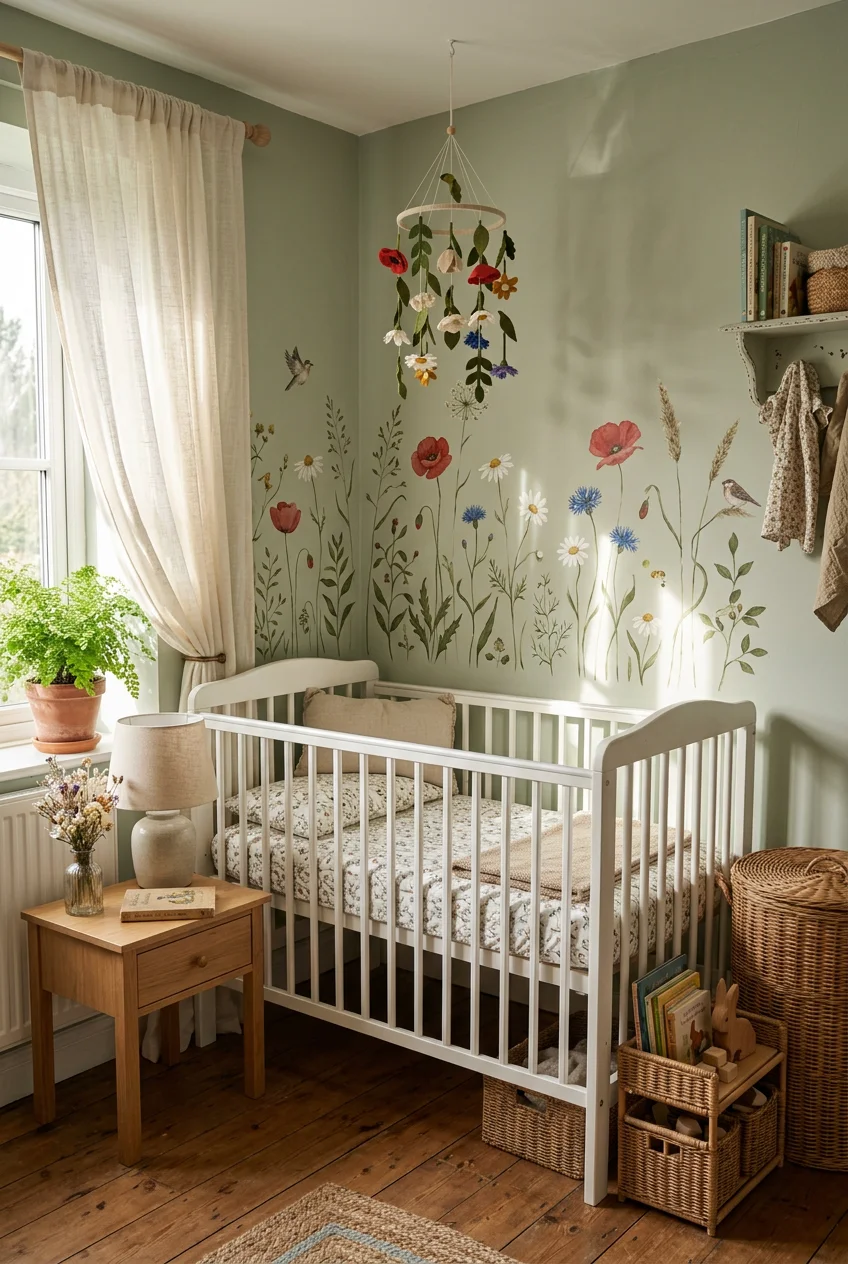
What’s Inside
- Start With A Muted Base For Wildflower Baby Nursery Themes
- Install Oversized Floral Wall Murals
- Create A Pressed Botanical Gallery Wall
- Layer Block-Printed Floral Textiles
- Ground The Room With Rattan Accents
- Anchor With Moody Dark Floral Wallpaper
- Hang A Dried Floral Mobile
- Frame Vintage Botanical Prints
- Add Scalloped Edge Details
- Soften Windows With Textured Linen
- Ground The Floor With Woven Jute
- Apply Plaster Or Limewash Finishes
- Toss In Embroidered Floral Pillows
- Install Beadboard Half Walls
- Use Terracotta Pot Accents
- Stencil A Wildflower Ceiling
- Mount Natural Wood Floating Shelves
- Choose A Floral Upholstered Glider
- Hang Macrame Floral Art
- Master Layered Pattern Mixing
Most parents start decorating by slapping giant, neon-pink flower decals on every wall, then wonder why the room feels like a chaotic funhouse instead of a calming retreat. Getting wildflower baby nursery themes right takes real restraint. It’s about blending soft textures, muted tones, and organic shapes to mimic a meadow, not a cartoon garden. You want a space that feels collected and grounded. A common mistake is matching every textile to the exact same floral print, which makes the room look like a cheap bed-in-a-bag catalog. Instead, mix scales, layer natural materials, and let the walls breathe. If you only try one idea from this list, make it #6. A moody, dark floral accent wall anchors the entire room and hides a lot of drywall sins, giving you the biggest visual impact for your weekend DIY effort. Trust me on this.
Skip this if you prefer ultra-modern, minimalist spaces with high-gloss finishes and zero visual clutter. Wildflower aesthetics rely on layered textures, mixed patterns, and slightly imperfect organic details. If the thought of mixing a tiny floral print with a chunky woven rug stresses you out, a sleek geometric nursery will suit you much better.
1. Start With A Muted Base For Wildflower Baby Nursery Themes

A muted base is the secret to making floral elements pop without overwhelming the eye. Trending right now are warm neutrals that age gracefully. Sherwin-Williams Oyster White (SW 7637) or Benjamin Moore White Dove (OC-17) create a soft meadow vibe that won’t compete with your decor. Buying 2 gallons of premium paint is mid-range in price but saves you from needing a miserable third coat. Apply it with a 3/8 inch nap roller for a smooth finish on standard drywall. This creates a calm backdrop for bolder floral crib sheets or textured curtains. A common mistake is matching the wall color exactly to the darkest flower in your textiles, which shrinks the room instantly. The catch: these warm whites can pull a dingy yellow in south-facing rooms, so always test a large 24×24 inch swatch first. Best for: small dark rooms.
2. Install Oversized Floral Wall Murals

Installing a 9×12 foot wall mural sounds romantic until you’re elbow-deep in wallpaper paste at midnight. I learned that the hard way. Most people hang these way too high and wonder why the room feels top-heavy. You want the heaviest visual weight of the floral pattern anchored near the 4-inch baseboard, not floating near the ceiling. Brands like Anewall or Spoonflower offer stunning oversized blooms in peel-and-stick options. The peel-and-stick is mid-to-high range in price but saves you from buying specialized adhesive. The vinyl material has a slight sheen and wipes clean with a damp cloth, which matters when sticky toddler hands eventually find the wall. A common mistake is not overlapping the panels by a 1/2 inch, leading to visible seams when the material shrinks. The catch: large-scale murals require perfectly smooth drywall, as any orange peel texture will bump right through the thin vinyl.
3. Create A Pressed Botanical Gallery Wall

Creating a pressed flower gallery wall brings nature indoors without taking up floor space. You’ll want to source 11×14 inch wooden frames. Target and IKEA sell simple oak-finish frames that fit a budget to mid-range price point perfectly. Skip the standard bright white paper backgrounds. Instead, mount the pressed botanicals on unbleached watercolor paper. The heavy 140 lb cold-pressed paper adds a subtle, bumpy texture that makes the flat flowers stand out. A common mistake is hanging the grid too high. The center of your gallery should sit exactly 57 inches from the floor to match the natural eye level. You’ll need a tape measure, a level, and some patience to get the 2-inch spacing between frames right. The catch: real pressed flowers fade to a dull brown in direct sunlight, so this only works on fully shaded walls.

Mr. Pen- Baby Diaper Caddy Organizer, Gray, Medium
Mr. Pen- Baby Diaper Caddy Organizer has been one of the most consistently praised picks in this category. 4 reviewers averaged 4.5/5.
4. Layer Block-Printed Floral Textiles

Standard nursery bedding often features generic, computer-generated floral patterns that look flat. Block-printed textiles bring a necessary human element to the space. The slight imperfections in the ink transfer give the fabric a high-end, artisan feel. Brands like Lewis or Pehr offer 100% organic cotton crib sheets designed for a standard 28×52 inch crib mattress. These typically fall into a mid-range price bracket. The cotton percale weave feels crisp and cool, which helps regulate a sleeping infant’s temperature better than cheap polyester blends. Honestly, the cheaper version is rarely the smarter buy for sheets that get washed three times a week. The catch: authentic block prints often require cold washing and low heat drying to prevent the delicate ink from fading. Best for: homes with kids or pets where frequent washing is mandatory.
5. Ground The Room With Rattan Accents

Every nursery needs storage, but glossy plastic bins ruin the organic aesthetic of a meadow-inspired room. Rattan and wicker baskets introduce necessary warmth and a crunchy texture. Look for 14×14 inch woven floor baskets to hold extra swaddles and stuffed animals. The Pillowfort line at Target or the storage section at Crate & Kids usually stocks these at a budget-friendly price point. The natural variance in the rattan reeds ties perfectly into a wildflower theme because nothing in nature is uniform. A common mistake is buying baskets with sharp wire frames exposed on the inside, which snag delicate knit blankets. Always check the interior lining before committing. The catch: cheap, unlined wicker splinters easily, which poses a scratching hazard once your baby starts crawling and pulling up on the edges.
6. Anchor With Moody Dark Floral Wallpaper

If you want drama, a dark floral accent wall delivers. Brands like York Wallcoverings or Rifle Paper Co. offer incredible prints with dark navy or deep forest green backgrounds. A standard double roll covers about 56 square feet and sits at a premium price point. The dark background makes the lighter wildflower illustrations pop aggressively off the wall. Apply this behind the crib to create a clear focal point. Most people try to wallpaper the entire room and end up making the space feel like a claustrophobic cave. Stick to one wall. The thick paper also helps muffle sound, which is a nice bonus in a nursery. The catch: dark wallpaper absorbs a massive amount of light, meaning you’ll need to double your artificial lighting budget to keep the room functional at night. You might also like: 16 Nursery Drawer Organization for Every Budget

Modanais Baby Diaper Caddy Organizer Cart
If you want something that just works, Modanais Baby Diaper Caddy Organizer Cart – 3 Tier Rolling Storage Car is a safe bet (347 reviews, 4.5 stars).
7. Hang A Dried Floral Mobile

Plastic, battery-operated mobiles with flashing lights are an eyesore. A dried floral mobile offers a gentle, organic alternative that spins naturally with the room’s air currents. Many Etsy sellers craft these using a 12-inch bamboo hoop and preserved eucalyptus, strawflowers, and statice. They are typically under $75 and weigh less than a pound, making them easy to hang with a simple ceiling hook. The muted colors of the dried stems perfectly complement a neutral wall palette. A common mistake is hanging the mobile too low; it needs to be completely out of reach of a standing toddler. The catch: dried flowers shed tiny, brittle particles over time, so you can’t hang it directly over the crib where dust might fall into a sleeping baby’s face. You might also like: 17 Nursery Ideas Boy for Every Budget
8. Frame Vintage Botanical Prints

Vintage botanical illustrations add an academic, classic touch to wildflower baby nursery themes. You can find high-resolution public domain art online and print it yourself. Send the files to Walgreens or CVS for 16×20 inch poster prints. This is a budget-friendly way to fill large, empty walls. Place them in thin, matte black frames to give the room a modern edge that contrasts with the old-world art. The thick poster paper holds ink well and prevents the images from looking washed out. Most people hang these in straight rows, but an asymmetrical arrangement feels more organic and relaxed. The catch: finding high-resolution files that don’t blur into a pixelated mess at large sizes takes hours of digging through digital library archives. Best for: renters who need cheap, lightweight art. You might also like: 16 Boy Nursery Ideas Themes for Every Budget
9. Add Scalloped Edge Details

Straight lines are harsh. Scalloped edges mimic the soft curves of flower petals and soften the architecture of a room. You can achieve this by installing a 4-inch wide scalloped MDF trim from Home Depot along the top of a beadboard half-wall. A 6-foot piece is budget-friendly and cuts easily with a standard miter saw. Paint the trim a contrasting color, like a soft terracotta or muted sage, to draw the eye upward. It’s a subtle architectural detail that makes a standard drywall box feel custom. A common mistake is making the scallops too small, which looks like a jagged mistake from a distance. You want wide, sweeping curves. The catch: dusting the top of a scalloped trim board is tedious compared to wiping down a straight line.
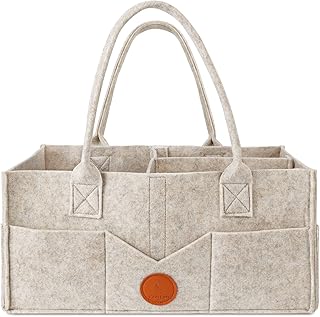
Maliton Baby Diaper Caddy Organizer for Changing Table
A dependable everyday pick — Maliton Baby Diaper Caddy Organizer for Changing Table pulls in 33 ratings at 4.5 stars. Not flashy, just solid.
10. Soften Windows With Textured Linen

Heavy velvet or stiff cotton curtains feel too rigid for a meadow aesthetic. You need the relaxed, slightly rumpled look of pure linen. Brands like West Elm or Quince offer 84-inch or 96-inch panels that filter light beautifully while adding massive texture to the walls. These are mid-range in price. The loose weave of the fabric lets just enough sunlight through to cast a warm, diffused glow across the nursery during naptime. Always hang the curtain rod at least 4 inches above the window frame to make the ceilings look taller. Most people mount the rod right on the trim, which stunts the room’s height. The catch: pure linen wrinkles instantly and requires a heavy-duty steamer to look presentable after a trip through the washing machine.
11. Ground The Floor With Woven Jute

A soft, plush rug is great, but a wildflower room needs some earthy grit. A woven jute rug provides that necessary outdoor texture. Brands like Rugs USA or Ruggable offer 8×10 foot sizes that fit perfectly under a standard crib and glider setup. A jute rug with a subtle floral border or a stenciled botanical pattern sits at a mid-range price point. The thick, braided fibers are practically indestructible and hide stains well. A common mistake is buying a rug that is too small; all the front legs of your nursery furniture should sit comfortably on the rug to tie the space together. The catch: natural jute sheds aggressively for the first six months and feels rough under bare knees during tummy time, so you’ll need a softer play mat on top.
12. Apply Plaster Or Limewash Finishes

Flat latex paint can feel sterile. Limewash or Roman clay finishes give walls a mottled, velvety texture that mimics natural stone or dried earth. Portola Paints offers incredible limewash options; 1 gallon covers roughly 250 square feet and is mid-to-high range. You apply it with a 5-inch block brush in a crisscross pattern. The resulting texture creates beautiful, cloudy depth that makes simple floral decals or art pop. It’s a messy process, but the matte, chalky finish is unmatched for creating an organic atmosphere. A common mistake is stopping halfway through a wall, which creates a visible dry line. You have to finish a whole wall in one go. The catch: touching up a scratched or stained limewash wall is nearly impossible without redoing the entire section.

Parker Baby Diaper Caddy
Parker Baby Diaper Caddy – Nursery Storage Bin and Car Organizer for D is sturdier in person than the photos suggest — over 172 buyers gave it 4.5 stars.
13. Toss In Embroidered Floral Pillows

Printed pillows are fine, but embroidered pillows bring a tactile, three-dimensional element to a nursery glider. Anthropologie is famous for these heavily textured, crewel-embroidered floral designs. Look for 18×18 inch inserts with removable covers. These sit at a higher price point, but you only need one to make an impact. The raised wool or cotton threads catch the light and add a layer of craftsmanship to the room. Toss one on the nursing chair to tie the room’s color palette together. Most people buy matching pillow sets, but a single, highly detailed accent pillow looks more curated. The catch: embroidered threads snag easily on jewelry, zippers, or baby toys, making them strictly decorative rather than functional for daily support.
14. Install Beadboard Half Walls

A full room of floral wallpaper is visually exhausting. Breaking up the wall with beadboard paneling grounds the space. You can buy 32-inch high beadboard panels from Lowe’s for a budget-friendly price. Install them on the lower half of the wall and paint them a solid, grounding color like muted sage or warm taupe. Then, apply your busy wildflower wallpaper on the top half. The vertical lines of the beadboard draw the eye up, while the solid color gives the eyes a place to rest. Secure the panels with construction adhesive and 1.5-inch brad nails. The catch: the vertical grooves in beadboard collect an astonishing amount of dust and require weekly wipedowns with a damp microfiber cloth to keep them clean.
15. Use Terracotta Pot Accents

Nothing says ‘garden’ quite like raw terracotta. Incorporating small clay elements brings an earthy warmth to the room. Grab a few 6-inch unglazed clay pots from Walmart, which are extremely cheap. You don’t even need real plants. Use them to hold rolled-up washcloths, pacifiers, or small wooden toys on the changing table. The burnt orange color of the baked clay contrasts beautifully with sage greens and soft pinks. A common mistake is buying glazed, shiny pots; you want the matte, raw finish for the best texture. The catch: unglazed terracotta is porous and will leave permanent water rings on wooden dressers if you use them for real plants without a heavy-duty plastic liner. Best for: beginners looking for cheap styling props.

Modanais Baby Diaper Caddy Organizer Cart
If you want something that just works, Modanais Baby Diaper Caddy Organizer Cart – 3 Tier Rolling Cart with D is a safe bet (688 reviews, 4.5 stars).
16. Stencil A Wildflower Ceiling

The ceiling is the fifth wall, and babies spend a lot of time staring at it. Instead of a blank white void, add a subtle wildflower pattern. Cutting Edge Stencils offers large 12×12 inch repeat stencils that are budget-friendly. Use a dense foam roller and a very light hand to apply a soft taupe or pale green pattern over a cream ceiling. It draws the eye up and makes the room feel like a blooming canopy. A common mistake is overloading the roller with paint, which causes it to bleed under the plastic stencil and ruin the crisp lines. Roll almost all the paint off onto a paper towel first. The catch: painting above your head for four hours destroys your neck and shoulders, making this a physically punishing weekend project.
17. Mount Natural Wood Floating Shelves

White MDF shelves look cheap and out of place in a nature-inspired room. You need the heavy grain of natural wood. Look for 24-inch wide, 2-inch thick white oak floating shelves. Pottery Barn Kids sells these, or you can source raw lumber from a local yard for a mid-range price. The thick, chunky wood provides a sturdy base for displaying vintage books, wooden toys, and small floral art pieces. The warm undertones of the oak keep the room feeling cozy rather than clinical. A common mistake is mounting shelves too close together, which limits what you can display. Leave at least 14 inches of vertical space between them. The catch: heavy solid wood shelves require drilling heavy-duty brackets directly into the wall studs, meaning massive holes in your drywall.
18. Choose A Floral Upholstered Glider

If you want to keep the walls plain, put the pattern on the furniture. A floral upholstered glider makes a statement. Brands like Babyletto or Oilo Studio occasionally release limited-edition botanical prints on their standard chair frames. These are high-ticket items, easily sitting in the premium price range. The heavy, stain-resistant performance fabric ensures the chair survives the inevitable spills. A bold chair allows you to keep the rest of the room completely neutral while still nailing the wildflower theme. Honestly, a patterned chair hides spit-up stains significantly better than a solid cream one. The catch: patterned upholstery locks you into a specific color palette, making it hard to repurpose the chair in a living room once the nursery years are over.
19. Hang Macrame Floral Art

Woven wall hangings add a bohemian layer to wildflower baby nursery themes. Look for pieces where the artist has woven dried flowers or floral shapes directly into the cotton cord. A piece mounted on a 36-inch wide wooden dowel usually falls into a mid-range price category on Etsy. The thick, twisted cotton ropes add depth and shadow to a flat wall. Hang it above the changing table to give the baby something highly textured to look at during diaper changes. A common mistake is buying a piece that is too small; a large wall needs a large piece of art to feel balanced. The catch: raw cotton macrame cord absorbs ambient room odors and dust, and it is notoriously difficult to spot-clean without ruining the fringe. Best for: tight budgets.
20. Master Layered Pattern Mixing

A true wildflower meadow isn’t uniform, and your nursery shouldn’t be either. The secret to high-end design is mixing patterns effectively. Pair a large-scale floral wallpaper with a tight, 1/4 inch gingham check crib skirt and a striped linen curtain. The key is varying the scale. If the flowers are huge, the secondary patterns must be tiny. You can source classic gingham fabric from a local craft store or Spoonflower for a budget-friendly custom sewing project. This layered look makes the room feel like it evolved over time rather than being bought out of a single box. The catch: mixing more than three distinct patterns makes the room look like a disorganized thrift store rather than a curated nursery, so you have to know when to stop.
How we chose these ideas: We evaluated these themes based on their visual impact, ease of execution for the average DIYer, and renter-friendliness. We prioritized concepts that offer a high-end look using accessible materials and realistic budgets, ensuring there are options for both permanent homeowners and temporary spaces.
Building a nursery is exhausting, but focusing on muted colors, rich textures, and organic shapes will give you a room that feels peaceful at 3 AM. Stick to the warm neutrals, don’t overdo the floral prints, and always check your lighting. I’d highly recommend saving your favorite ideas from this list to your Pinterest board so you have a clear reference when you start buying paint and textiles. Happy decorating!
Frequently Asked Questions
What colors work best for a wildflower nursery?
Warm, muted neutrals work best. Think sage green, terracotta, dusty rose, and creamy whites. These shades mimic a natural meadow and provide a calm backdrop that won’t compete with busy floral textiles or dark accent walls.
How do I make a floral nursery gender-neutral?
Focus on botanical greens, mustard yellows, and earthy browns instead of traditional pinks. Use vintage plant illustrations, natural wood textures, and woven rattan accents to keep the room feeling like an organic greenhouse rather than a highly feminine space.
Are dried flowers safe in a baby’s room?
They are safe as long as they are kept completely out of reach. Dried flowers shed brittle particles and dust over time, so you should never hang them directly over the crib or changing table.
What is the best lighting for a nature-themed nursery?
Soft, warm lighting is essential. Use bulbs with a color temperature around 2700K to mimic the golden hour. Avoid harsh, cool white overhead lights, and rely on diffused table lamps or wall sconces with linen shades.
