What’s Inside
- Embrace Earthy, Grounded Paint Colors
- Prioritize Zero-VOC Paint Formulas
- Color Drenching Ceilings and Walls
- Invest in Grow-With-Me Convertible Furniture
- Anchor Large Furniture for Safety
- Layer Textures with Natural Materials
- Opt for a Washable Patterned Area Rug
- Choose Playful Unisex Crib Bedding
- Implement Montessori-Inspired Open-Ended Toys
- Create a Dynamic Oversized Gallery Wall
- Utilize Floating Shelves for Smart Storage
- Install Layered Warm Lighting with Dimmers
- Avoid Overly Stimulating Bright Hues as Base Colors
- Incorporate Biophilic Design with Safe Plants
- Don’t Forget True Blackout Curtains
- Apply Washable Peel-and-Stick Wallpaper Murals
- Organize with Colorful Soft Storage Bins
- Swap Standard Hardware for Colorful Knobs
- Invest in a Statement Glider or Rocker
Most folks start a nursery by staring at a wall of pastel pink and baby blue paint chips, wondering why the room feels so dated before the paint even dries. Building a colorful gender neutral nursery means skipping those predictable aisles entirely. You want a space that feels vibrant but grounded, offering visual stimulation without looking like a primary-colored explosion. The sharp, clean smell of fresh paint and the pristine look of new baseboards set the stage for a room that actually functions well for both you and the baby. Let’s get straight to the point. If you only try one idea from this list, make it #3. Here’s why: painting the ceiling completely changes the room’s energy without eating up valuable floor space. It’s a total win, trust me on this.
Skip this if you’re renting a strict apartment that penalizes painting or drilling holes, or if you strictly prefer a minimalist, all-white aesthetic. This approach relies heavily on bold pigment, layered textures, and mounted fixtures that command attention and require some physical installation.
1. Embrace Earthy, Grounded Paint Colors

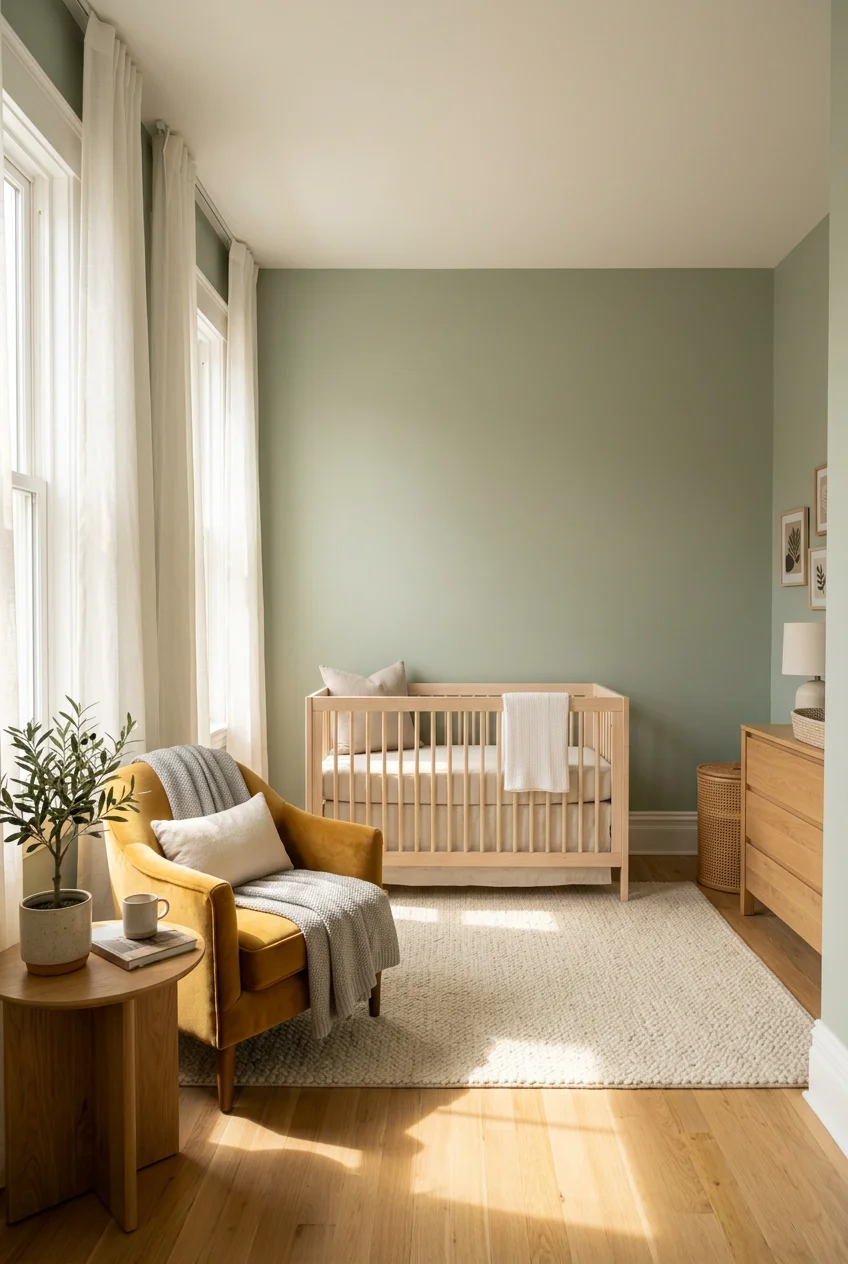
Instead of flat neutrals or sterile whites, a colorful gender neutral nursery thrives on warm, earthy tones. Think soft sage green, mushroom, blush taupe, or muted terracotta. These shades bring warmth and pair well with natural wood furniture and woven textures. A common mistake is picking a color that looks great on a tiny chip but turns neon when applied to four massive walls—I learned that the hard way. Brands like Valspar offer shades like Rabbit’s Foot for a comforting beige, while Sherwin-Williams Evergreen Fog provides a gentle green that acts as a neutral backdrop. A gallon typically runs $40 to $70 depending on the finish you select. You’re getting a color that grows with the child rather than feeling explicitly like a temporary baby room. Apply two coats with a 3/8-inch nap roller for even coverage, waiting exactly four hours between applications to prevent the roller from pulling up tacky paint.
The catch: dark, earthy colors absorb natural light, making small north-facing rooms feel noticeably smaller and darker during the winter months.
2. Prioritize Zero-VOC Paint Formulas

When selecting paint for a nursery, the chemical makeup matters just as much as the hue. Standard paints release Volatile Organic Compounds into the air for months after drying. The EPA notes indoor air can contain significantly more VOCs than outdoor air. Protect developing respiratory systems by choosing certified Zero-VOC or low-VOC options. Benjamin Moore Eco Spec and Behr Premium Plus offer excellent baby-safe formulas in thousands of colors. Budget between $50 and $80 per gallon for these premium lines. You won’t notice a difference in the application process, but the lack of harsh chemical smells is immediate—no exaggeration. Always ventilate the room by opening a 24-inch window and running a fan facing outward for at least 48 hours after painting.
Best for: tight timelines where the baby is arriving soon and the room needs to be habitable immediately.
The catch: Zero-VOC paints often lack the heavy chemical binders of traditional paints, meaning you’ll likely need three coats instead of two to achieve full opacity.
3. Color Drenching Ceilings and Walls

A bold trend taking over interior design is color drenching. This technique involves using a single color across the walls, baseboards, window trim, and even the ceiling. It creates a cohesive, calming cocoon effect that makes a standard 10×10 foot room feel intentional and custom. Imagine painting the entire space in a soft dusty blue or a pale lavender. It eliminates the stark contrast of white ceilings and trim, which often chops up a small room visually. Use a flat finish for the ceiling and an eggshell finish for the walls to subtly reflect light. A standard bedroom requires about three gallons to drench the entire space, costing roughly $150 to $250 total.
The catch: painting a ceiling is physically exhausting, and rolling over fresh trim paint requires a very steady hand or meticulous taping.

Criusia Over the Door Organizer
Criusia Over the Door Organizer punches above its price — 336 buyers rated it 4.5 stars. The kind of pick people reorder.
4. Invest in Grow-With-Me Convertible Furniture

Choosing furniture that adapts as a child grows ensures longevity and reduces long-term waste. Look for 8-in-1 convertible cribs that transform from a bassinet to a full junior bed. Brands like Bloom and Oeuf manufacture these pieces using FSC-certified solid wood and low-VOC finishes. Expect to budget in the $400 to $1500 range for high-quality convertible options. This approach saves money over a five-year period compared to buying three separate beds. A standard convertible crib measures roughly 54 inches long and 30 inches wide, requiring a specific mattress size. Always assemble the furniture in the room where it will stay, as fully built cribs rarely fit through standard 32-inch doorways.
The catch: the toddler rail and full-bed conversion kits are almost always sold separately, adding another $150 to $300 to your final cost.
5. Anchor Large Furniture for Safety

A common mistake in nursery design is treating safety as an afterthought. Once a baby starts pulling up on furniture, heavy dressers and bookshelves become immediate tipping hazards. Always anchor tall pieces directly to the wall studs using heavy-duty anti-tip kits. Target and Walmart sell basic nylon strap kits for under $20, while hardware stores offer metal bracket versions for heavier pieces. You’ll need a stud finder, a power drill, and 2-inch wood screws to secure them properly. Never rely on drywall anchors for furniture that weighs more than 30 pounds. Position the dresser so the back sits flush against the wall, leaving no gap for small toys to fall behind.
The catch: installing these brackets leaves permanent, visible holes in your drywall that require patching and painting if you ever rearrange the room.
6. Layer Textures with Natural Materials

To add warmth to a colorful room without clashing patterns, layer textiles and decor made from natural materials. Rattan, linen, wool, and solid wood break up flat surfaces. An Olli Ella hand-woven rattan basket works perfectly for storing stuffed animals or extra blankets. These typically range from $40 to $100 depending on the size. Drape a chunky knit wool blanket over the back of the nursing chair to add immediate coziness. A 50×60 inch throw provides enough coverage for late-night feedings. Natural materials absorb sound better than synthetic plastics, helping to muffle echoes in a freshly painted room with hard floors. You might also like: 18 Vintage Nursery Ideas You Need to See
Best for: older homes with hardwood floors that need acoustic dampening. You might also like: 16 Yellow Nursery Ideas for Every Budget
The catch: natural woven materials like rattan and wicker can splinter over time, creating sharp edges that snag delicate fabrics. You might also like: 17 Baby Girl Room Decor Worth Trying
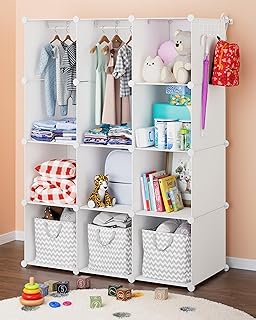
CUBEDIY Baby Closet Organizer for Nursery: Durable Baby
If you want something that just works, CUBEDIY Baby Closet Organizer for Nursery: Durable Baby Wardrobe for C is a safe bet (342 reviews, 4.5 stars).
7. Opt for a Washable Patterned Area Rug

A vibrant, patterned rug serves as the single source of bold color in an otherwise grounded room. It adds visual interest and a soft 5×7 or 8×10 foot surface for tummy time. Look specifically for machine-washable options. Lorena Canals offers beautiful, natural-fiber washable rugs that typically run $150 to $400. Spills and diaper blowouts are inevitable, so a rug you can shove into a standard washing machine saves hours of spot cleaning. Always pair a washable rug with a 0.25-inch thick felt rug pad to prevent slipping and add extra cushioning for crawling knees.
The catch: washable rugs are significantly thinner than traditional tufted wool rugs, and the edges tend to curl up after multiple trips through the dryer.
8. Choose Playful Unisex Crib Bedding

Steer clear of overtly gendered patterns and licensed characters. The market offers a massive variety of unisex crib bedding featuring woodland creatures, jungle animals, or modern geometric shapes. Copper Pearl manufactures incredibly soft knit crib sheets with dreamy neutral backgrounds and prints like ferns or cactuses. These sheets usually cost $25 to $45 each. A standard crib mattress measures 28 by 52 inches, so check the elastic tension on the sheets before washing. You want a tight, drum-like fit for safety. Buy at least three fitted sheets so you’re never caught empty-handed during a 3 AM sheet change.
The catch: incredibly soft, stretchy jersey knit sheets wear out faster than crisp percale cotton, often developing small holes after a year of heavy washing.
9. Implement Montessori-Inspired Open-Ended Toys

Montessori principles suggest that play materials should be available to all children regardless of gender. Focus on open-ended wooden toys that encourage imagination rather than battery-operated plastic gadgets. Brands like Kid’s Concept offer beautiful wooden stacking rings, blocks, and sorting boxes. These pieces typically range from $15 to $80 and double as shelf decor when not in use. Displaying a few high-quality wooden toys on a low, 12-inch high shelf allows a crawling baby to reach them independently. This reduces visual clutter and prevents the room from looking like a chaotic toy store explosion.
The catch: solid wooden blocks are heavy and will absolutely dent soft pine or engineered hardwood floors when enthusiastically thrown by a toddler.

Beautiful Wooden Baby Closet Dividers Set of 7
Beautiful Wooden Baby Closet Dividers Set of 7 – Double-Sided Organize punches above its price — 11 buyers rated it 4.5 stars. The kind of pick people reorder.
10. Create a Dynamic Oversized Gallery Wall

Instead of scattering small, disconnected pictures around the room, consolidate artwork into a single dynamic gallery wall. Mix typography, abstract prints, and colorful paintings. Include at least one oversized piece, like a 24×36 inch framed print, to anchor the collection. This adds a massive splash of personality to a colorful gender neutral nursery. IKEA offers affordable Ribba frames under $30, while custom options from Framebridge can run $150 to $300 per piece. Map out the arrangement on the floor first, leaving exactly two inches of spacing between each frame for a professional look.
The catch: hanging heavy frames with glass requires precise measuring and heavy-duty wall anchors, and they can’t be safely hung directly above the crib.
11. Utilize Floating Shelves for Smart Storage

Minimize floor clutter by taking advantage of vertical wall space. Wall-mounted floating shelves provide a safe place to display fragile keepsakes, baby monitors, and small books out of reach. Pottery Barn Kids sells sturdy 24-inch and 36-inch wooden ledges in the $30 to $100 range. Install them at least 60 inches off the floor so a standing toddler can’t grab the edges. Use a laser level during installation. Even a quarter-inch slant makes cylindrical objects roll off the ends.
Best for: small rooms under 100 square feet where bulky bookcases simply won’t fit.
The catch: the internal metal brackets of floating shelves have surprisingly low weight limits, usually maxing out at 15 pounds before sagging under the weight of heavy books.
12. Install Layered Warm Lighting with Dimmers

Harsh overhead lighting instantly ruins a calming nursery vibe. Implement layered lighting by combining a sculptural flush mount ceiling fixture with a soft table lamp or wall sconces. Crate & Kids offers beautiful gender-neutral options like the Flo Fluted Ceramic Table Lamp for around $115. Always use warm-white LED bulbs rated at exactly 2700K to create a peaceful, amber glow. Anything higher than 3000K looks like a sterile hospital room. Installing a dimmer switch on the main overhead light is crucial for late-night feedings, helping the baby distinguish between day and night. You’ll want to wire this before painting to avoid patching drywall later.
The catch: standard dimmer switches often cause modern LED bulbs to buzz or flicker loudly, requiring you to buy specific, more expensive dimmable bulbs to stop the noise.

Criusia Drawer Organizer Clothes
Criusia Drawer Organizer Clothes punches above its price — 12 buyers rated it 4.5 stars. The kind of pick people reorder.
13. Avoid Overly Stimulating Bright Hues as Base Colors

While building a colorful space, avoid painting all four walls in excessively bright or saturated reds, electric blues, or neon yellows. Expert consensus shows these intense colors overstimulate infants and disrupt sleep patterns. Instead, use these bold hues strictly as accents in throw pillows, picture frames, or a single painted side table. A bright mustard yellow lamp shade adds a punch of color without overwhelming the visual field. If you must use a bold color on the walls, restrict it to the lower half of the wall below a 36-inch high chair rail.
The catch: accent colors require strict discipline. Adding too many different bright accents quickly turns the room into a chaotic funhouse rather than a calming retreat.
14. Incorporate Biophilic Design with Safe Plants

Bringing the outside in through botanical themes adds organic color and texture. You can pick up a live Pothos or Snake Plant at Trader Joe’s or Whole Foods for $10 to $25. Place them in heavy ceramic pots high up on secure shelves. Live plants naturally filter the air and provide a calming visual connection to nature. If your room lacks natural sunlight, high-quality faux plants from Target or West Elm offer the same visual benefit without the maintenance of a strict watering schedule.
The catch: once a baby starts walking, trailing vines become dangerous pulling hazards, and potting soil becomes an irresistible mess waiting to happen.
15. Don’t Forget True Blackout Curtains

A colorful room still needs to go pitch black for nap time. Blackout curtains are critical for promoting healthy sleep patterns. Walmart and HomeGoods offer excellent 84-inch and 96-inch long blackout panels in the $20 to $50 range. Choose a color that matches your walls to make the room feel larger, or opt for a contrasting jewel tone to make the windows pop. Hang the curtain rod high and wide—at least four inches above the window frame and extending six inches on each side—to block light bleed around the edges.
The catch: true 100% blackout fabrics are inherently stiff and heavy, meaning they won’t drape elegantly or puddle softly on the floor like linen does.
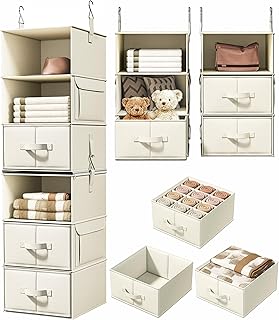
Vailando 6-Shelf Hanging Closet Organizer with 3 Drawers
Vailando 6-Shelf Hanging Closet Organizer with 3 Drawers is sturdier in person than the photos suggest — over 35 buyers gave it 4.5 stars.
16. Apply Washable Peel-and-Stick Wallpaper Murals

For a massive visual impact without permanent commitment, peel-and-stick wallpaper murals are unmatched in a colorful gender neutral nursery. Spoonflower offers thousands of artist-designed, low-VOC vinyl options ranging from $40 to $90 per roll. A large-scale abstract botanical or subtle geometric pattern acts as a massive piece of art behind the crib. You’ll need a plastic smoothing tool and a sharp utility knife to trim the edges precisely at the baseboards. Order all your rolls in a single batch to ensure the dye lots match perfectly, as colors shift slightly between printing runs.
Best for: renters who want to personalize a space but need to return the walls to pristine white before moving out.
The catch: peel-and-stick wallpaper adhesion fails completely on walls with heavy orange-peel or knockdown textures, requiring perfectly smooth drywall to stick properly.
17. Organize with Colorful Soft Storage Bins

Keep the room functional by hiding the inevitable plastic clutter in colorful soft storage bins. Crane Baby offers structured cotton canvas bins in beautiful muted tones for $30 to $60. A standard 12×12 inch bin slides perfectly into most cube shelving units. Use different colors to categorize items: sage green for blankets, mustard yellow for soft toys, and dusty blue for building blocks. This creates a visually pleasing color-blocking effect on open shelves while keeping the floor clear of tripping hazards.
The catch: soft-sided storage bins lack rigid internal frames, meaning they collapse and look sloppy when they aren’t completely full.
18. Swap Standard Hardware for Colorful Knobs

An incredibly cheap way to inject color into a neutral dresser or changing table is swapping out the factory hardware. Anthropologie and CB2 sell gorgeous ceramic, resin, and brass knobs for $10 to $20 each. Replacing six standard wooden knobs with bright terracotta or seafoam green ceramic pulls takes five minutes with a Phillips-head screwdriver. It instantly customizes a generic big-box store dresser, making it look like a high-end boutique piece. Keep the original hardware in a ziplock bag taped to the back of the dresser so you can swap it back later.
The catch: the included screws with decorative knobs are almost never the exact length needed for standard dresser drawer depths, forcing a trip to the hardware store for replacements.
19. Invest in a Statement Glider or Rocker

You’ll spend hundreds of hours in the nursery chair, so it needs to be comfortable and visually striking. Skip the generic beige recliners and look for a statement glider in a bold velvet or textured bouclé. West Elm and Pottery Barn Kids offer modern silhouettes in shades like deep rust or forest green, usually ranging from $500 to $1200. A chair with a 40-inch back height provides necessary head support during 2 AM rocking sessions. Pair it with a small 18-inch high pouf or ottoman to elevate your feet and reduce lower back strain.
The catch: performance velvet fabrics are magnets for pet hair and dust, requiring you to keep a lint roller permanently stationed next to the chair.
How we chose these ideas: We prioritized renter-friendliness, overall cost, and visual impact when selecting these design strategies. Ideas were filtered based on practical safety standards, material longevity, and the ability of the design to adapt gracefully as a child grows.
Creating a space that feels vibrant and welcoming doesn’t require a degree in interior design, just a willingness to step away from the expected pastels. Focus on grounded colors, smart storage, and textures that invite touch. Pin this list to your nursery inspiration board so you have these exact measurements and brand ideas ready when it’s time to start painting.
Frequently Asked Questions
What are the best colors for a gender neutral nursery?
Warm earthy tones like sage green, terracotta, mustard yellow, and dusty blue work best. These colors provide visual interest without relying on traditional pink or blue stereotypes.
How do I add color without painting the walls?
Use a large, vibrant washable area rug, hang oversized colorful gallery wall art, or swap out standard dresser hardware for bright ceramic knobs.
Are dark colors safe for a nursery?
Yes, dark colors are perfectly safe and can promote better sleep by absorbing light. However, they can make small rooms feel smaller, so ensure you have adequate layered lighting.
What makes a nursery truly gender neutral?
A gender neutral space avoids specific themes like princesses or trucks, focusing instead on open-ended motifs like botanical prints, geometric patterns, and natural materials that appeal to any child.
