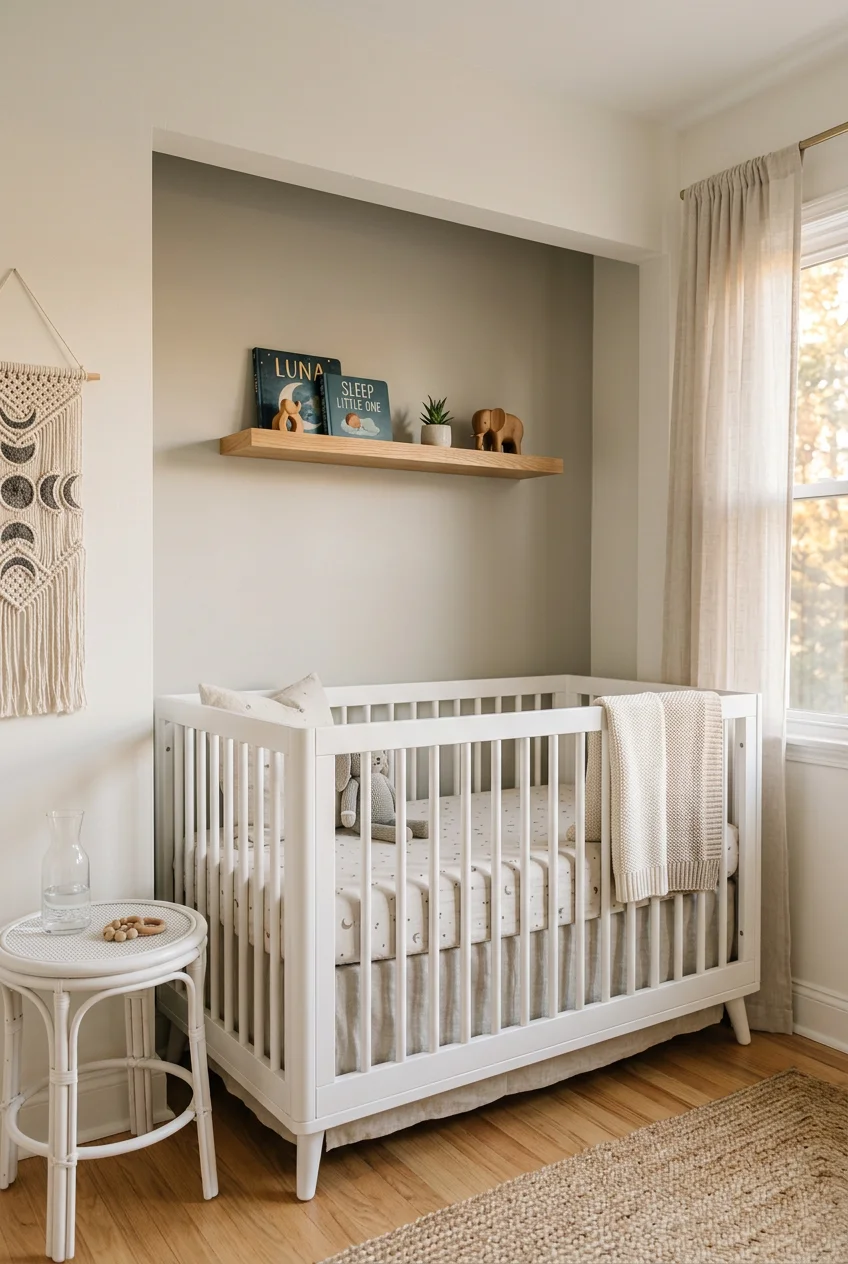
What’s Inside
- Opt for a Mini Crib for Maximum Floor Space
- Embrace Wall-Mounted Changing Tables
- Choose a Storage Ottoman Over a Traditional Glider Footrest
- Invest in Multi-Functional Furniture
- Maximize Vertical Space with Floating Shelves
- Utilize Over-the-Door Organizers for Hidden Storage
- Implement Under-Crib Storage Solutions
- Strategic Mirror Placement to Create Space
- Adopt a Minimalist Design Approach with Neutral Colors
- Prioritize Smart Lighting Over Floor Lamps
- Utilize Pegboards for Customizable Wall Storage
- Avoid Over-Stuffing the Room
- Optimize Closet Space with Double Hanging Rods
- Create Zones for Functionality
- Incorporate Natural Elements and Textures
- Use Acrylic Bookshelves Behind the Door
- Swap Heavy Curtains for Cellular Shades
Most people shove a massive crib into a tiny room and wonder why the door won’t open all the way. Getting small nursery ideas right means prioritizing millimeters, not just how things look. When you’re working with the square footage of a walk-in closet, every piece of furniture has to earn its keep. I’ve seen too many parents buy giant matching sets only to realize they can’t walk from the glider to the door without turning sideways. Skip the bulk. If you only try one idea here, make it #1. Swapping a standard crib for a mini version instantly reclaims nearly five square feet of floor space, which dictates how the rest of the room functions. It’s a huge shift. Trust me.
Skip this if you’re outfitting a massive primary suite or if your building has strict rules about drilling into walls. Most of these ideas rely on vertical storage and heavy-duty wall anchors. If you can’t mount furniture, you’ll need a different strategy.
1. Opt for a Mini Crib for Maximum Floor Space

A standard crib dominates a room. When you’re tight on space, swapping to a mini crib is the best way to reclaim floor. Mini cribs usually measure about 39.25 inches long by 25.75 inches wide by 36 inches high. That’s significantly smaller than a standard model, which runs closer to 54 inches long. The Babyletto Origami Mini Crib is a solid choice in the budget to mid-range category, usually priced between $300 and $400. You can find it at Target or baby boutiques. It includes a 1-inch thick waterproof mattress pad and has rolling casters so you can push it into a corner when you need space. Another compact option is the Graco Travel Lite Crib. Scaling down the sleeping footprint makes the room feel larger. You’ll actually have room to walk around without bumping your shins in the dark. Skip the massive convertible cribs. They look like wooden cages that eat half the room. No exaggeration.
Best for: urban apartments with rooms under 100 square feet.
The catch: babies outgrow mini cribs by 18 to 24 months, meaning you’ll need a toddler bed much sooner than you would with a convertible standard crib.
2. Embrace Wall-Mounted Changing Tables

Free up floor space by installing a wall-mounted changing table instead of buying a standalone unit. Brands like Stokke offer foldable Care designs that drop down when needed and fold flat against the wall when not in use. IKEA also occasionally carries fold-down wooden options that clever DIYers replicate. When closed, these units stick out only about 6 to 8 inches from the wall. Ensure it’s anchored into actual wooden studs, not just drywall, and look for models with integrated 4-inch deep shelves for diapers and wipes. This gets rid of the bulky changing dresser, letting you use that floor space for a chair or play mat.
The catch: installation requires finding exact wall studs and using heavy-duty lag bolts, which is a total nightmare in older homes with unpredictable plaster and lath walls.
3. Choose a Storage Ottoman Over a Traditional Glider Footrest

While a comfortable feeding chair is a must, skip the large, matching gliding ottoman. Pick a stationary storage ottoman that serves as a footrest, extra seating, and hidden storage for blankets or nursing supplies. The Babyletto Enoki Storage Ottoman in Boucle is a popular choice, typically ranging from $150 to $300 depending on sales at Wayfair or the manufacturer. It has a surprisingly deep interior that easily holds three rolled 100% cotton blankets. Look for options with a tight-fitting lid rather than a loose top. The textured boucle fabric hides minor stains, and the flat top means you can rest a 4 oz bottle on it without it tipping over.
The catch: stationary storage ottomans are generally much heavier to push around with your feet while holding a sleeping baby compared to lightweight gliding ottomans.

Criusia Over the Door Organizer
Criusia Over the Door Organizer has been one of the most consistently praised picks in this category. 336 reviewers averaged 4.5/5.
4. Invest in Multi-Functional Furniture

A common mistake is buying separate changing tables and clothing dressers. Instead, use a compact dresser with a removable changing pad topper. This piece transitions from a changing station to a regular dresser once the diaper days are over. Look for dressers with at least three deep drawers to maximize storage for clothes, diapers, and 4 oz tubes of barrier creams. Mamas & Papas suggests their Barton, Oska, and Esna wardrobes, which are all under 90cm wide, making them ideal for narrow walls. Pair the dresser with a standard 32-inch contoured changing pad. Using drawer dividers inside allows you to file-fold tiny onesies, doubling how much you can fit into a single drawer.
Best for: minimalist parents who want furniture to last well into the elementary school years.
The catch: standard dressers are typically a few inches taller than dedicated changing tables, making it an awkward ergonomic angle for shorter parents during late-night diaper changes.
5. Maximize Vertical Space with Floating Shelves

When floor space is gone, look up. Install floating shelves above the changing station or near the glider. These are perfect for books, a sound machine, or small toys without taking up any floor footprint. Standard 24-inch or 36-inch shelves with a depth of 4 to 6 inches work best in tight spaces. You can find simple, clean-lined options at Pottery Barn Kids or Target. For added functionality, choose floating shelves with integrated wooden pegs underneath for hanging small items like sleep sacks or lightweight jackets. Ensure they’re mounted high enough that a standing toddler can’t reach them, and always use heavy-duty drywall anchors if you aren’t hitting a stud.
The catch: anything placed on an open shelf collects dust constantly and requires weekly wiping down to keep the room looking clean. You might also like: 19 Butterfly Nursery Baby Girl You Need to See
6. Utilize Over-the-Door Organizers for Hidden Storage

Doors are almost always overlooked as storage. An over-the-door organizer with multiple pockets can store diapers, wipes, bibs, socks, and 2 oz bottles of hand sanitizer, keeping them accessible but out of sight when the door is open. The babyGap by Delta Children 2 Pack of Over the Door Storage Organizers features 4 spacious pockets each and can usually be found at Walmart for under $50. Vesta Baby also offers heavy-duty organizers with clear plastic windows for easy recognition. The key is to find organizers with rigid bottom panels in the pockets; otherwise, heavy items like full wipe warmers will cause the fabric to sag.
The catch: heavily loaded door organizers will bang against the hollow wood door frame every time you open or close it, potentially waking a light sleeper. You might also like: 20 Inspiring Gold Crib Bedding Ideas You Can Try Today
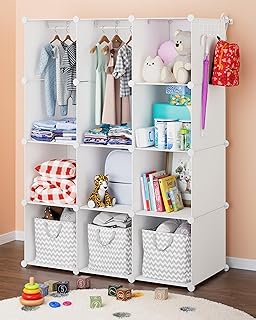
CUBEDIY Baby Closet Organizer for Nursery: Durable Baby
CUBEDIY Baby Closet Organizer for Nursery: Durable Baby Wardrobe for C is sturdier in person than the photos suggest — over 342 buyers gave it 4.5 stars.
7. Implement Under-Crib Storage Solutions

Don’t let the 6 to 8 inches of space under the crib go to waste. Use shallow, rolling bins to store extra bedding, out-of-season clothes, or bulkier items like backup diaper sleeves. Some premium cribs, like the Silver Cross Geneva cot bed, even come with built-in trundle drawers. If you’re retrofitting a standard mini crib, look for low-profile plastic bins with snap-on lids from Costco or The Container Store. The lids are non-negotiable to keep dust bunnies out of clean textiles. Measure the clearance carefully before buying, as the metal mattress support hardware often hangs down lower than the wooden frame implies. You might also like: 15 Toddler Boy Room Ideas You Need to See
Best for: storing out-of-season clothes and backup bulk supplies that you only need to access once a month.
The catch: accessing items under the crib often means getting down on your hands and knees, which isn’t ideal for daily-use items.
8. Strategic Mirror Placement to Create Space

A highly effective trick for small nurseries involves strategic mirror placement. An oversized wall mirror, especially placed directly opposite a window, reflects natural light and creates significant visual depth. Most people hang these way too high and wonder why the room feels off. Anchor it at a height where it captures the light but doesn’t just reflect the ceiling fan. Avoid overly ornate, thick frames in narrow passages to prevent a heavy, busy feel. Frameless or slim-framed metal mirrors provide a modern, light look that visually pushes the walls outward. You can often find large, simple 24×36 inch arched mirrors at HomeGoods in the budget to mid-range price bracket.
Best for: small dark rooms that only have one narrow window.
The catch: large mirrors are heavy and require specialized drywall anchors, plus they show every single fingerprint and smudge once the baby learns to walk.
9. Adopt a Minimalist Design Approach with Neutral Colors

Trending for smaller spaces is the minimalist nursery, which focuses on intentional selection and a strict neutral color palette. Soft, muted tones like warm whites, creams, beige, sage green, and soft taupe reflect light and create a calm atmosphere. According to research from the National Institutes of Health, reducing visual clutter can significantly lower cognitive overload and stress for caregivers. When painting, use an eggshell finish rather than flat matte; it reflects slightly more light and is much easier to wipe clean. A gallon of high-quality low-VOC paint from Sherwin Williams will easily cover a tiny room and completely change how the light bounces around the tight corners.
The catch: all-white and cream nurseries show spit-up stains, rogue diaper cream smudges, and dust immediately, requiring much more frequent deep cleaning.

Beautiful Wooden Baby Closet Dividers Set of 7
Beautiful Wooden Baby Closet Dividers Set of 7 – Double-Sided Organize has been one of the most consistently praised picks in this category. 11 reviewers averaged 4.5/5.
10. Prioritize Smart Lighting Over Floor Lamps

Avoid bulky floor lamps or oversized table lamps that eat up precious surface area. Instead, opt for wall-mounted sconces, flush-mount ceiling light fixtures, or low-profile plug-in night lights. Dimmable lights are highly recommended to help transition babies to sleep without flooding the tiny room with harsh wattage. Look for LED bulbs with a warm 2700K color temperature. You can find excellent plug-in brass sconces at Home Depot that mount directly to the wall and feature a cord cover that runs down to the outlet, eliminating the need for a bedside table just to hold a lamp.
The catch: hardwired sconces require hiring a licensed electrician to run new cable behind the drywall, which adds a significant hidden cost to the room budget.
11. Utilize Pegboards for Customizable Wall Storage

A lesser-known but highly effective storage solution is a modular pegboard. These can be customized with wooden pegs, metal hooks, and small acrylic baskets to hold diapers, wipes, 4 oz barrier creams, pacifiers, and even tiny outfits. Hang a 1/4 inch thick pegboard directly above the changing table for instant access to essentials without needing a bulky shelf. IKEA offers the versatile SKÅDIS pegboard system, which is incredibly budget-friendly and can be easily adapted as your storage needs change. Use the specific spacer hardware provided to ensure the board sits slightly off the wall, allowing the hooks to slide in easily.
The catch: pegboards can quickly look like a messy hardware store wall if they aren’t styled carefully, adding visual clutter instead of reducing it.
12. Avoid Over-Stuffing the Room

A major pitfall in small nurseries is overcrowding the floor plan. A calm room starts with actual space to breathe. Avoid cramming a dresser, a bookshelf, a glider, an ottoman, a crib, and a side table into a 9×9 space. Make sure there’s a clear, easy path to move from the door to the crib. Experts at Mamas & Papas recommend leaving a minimum of 60 to 80 cm of clearance between major pieces of furniture for safe movement, especially during exhausted night feeds. If a piece of furniture doesn’t serve at least two distinct purposes, it doesn’t belong in a tiny nursery. Stick to the absolute basics.
The catch: committing to a sparse room means you’ll have to store bulk items, like giant boxes of wipes and next-size-up diapers, in a hallway closet or garage.

Criusia Drawer Organizer Clothes
Criusia Drawer Organizer Clothes has been one of the most consistently praised picks in this category. 12 reviewers averaged 4.5/5.
13. Optimize Closet Space with Double Hanging Rods

If your small nursery has a standard closet, you must maximize its vertical potential. Install a second tension rail at the 36-inch mark to double the hanging space. Tiny baby clothes don’t need a full 72-inch drop length. Use slim velvet hangers from The Container Store to prevent tiny cardigans from slipping off, and add canvas closet dividers to categorize items by month size. Add small, structured storage baskets on the top shelf for hats and socks. This keeps the closet incredibly tidy and makes finding specific items during a blowout much faster.
The catch: installing a second lower rod completely eliminates your ability to store taller items like diaper pails or large laundry hampers on the closet floor.
14. Create Zones for Functionality

Even in a super small space, defining functional zones improves daily efficiency. Create distinct, tight areas for sleeping, changing, and feeding. For example, place the mini crib in the calmest, darkest corner away from the window. Position the dresser/changing station near the closet, and if space allows, wedge a compact nursing chair into the remaining corner. Anchor these zones visually with a small 3×5 washable rug rather than a room-swallowing 5×8 rug. This mental separation helps the room feel purposeful rather than just a storage unit for baby gear.
The catch: rigidly defining zones in a tiny square room often means furniture must be pushed flat against every single wall, leaving an awkward, unusable dead space in the exact center.
15. Incorporate Natural Elements and Textures

To prevent minimalist spaces from feeling cold and clinical, integrate natural elements and varied textures. Think solid wood furniture accents, woven seagrass baskets, and chunky 100% cotton knit blankets. A common mistake is buying cheap, shiny plastic bins that make the room look like a utility closet. Instead, use soft cotton rope baskets (typically in the $20 to $50 range) for storing rolled swaddles. You can pick up small, low-light friendly 4-inch potted plants from Trader Joe’s to place on high shelves. Displaying natural baby wash and lotions from Sprouts in a small wooden tray adds an organic texture to the changing station. I learned that the hard way—cheap plastic really kills the vibe.
The catch: natural woven baskets often have sharp interior fibers that will instantly snag and ruin delicate muslin swaddles if you aren’t careful.

SNSLXH 5 Pack Stackable Closet Storage Basket
A dependable everyday pick — SNSLXH 5 Pack Stackable Closet Storage Basket pulls in 43 ratings at 4.5 stars. Not flashy, just solid.
16. Use Acrylic Bookshelves Behind the Door

When wall space is at a premium, the dead space behind the entry door is prime real estate. Install clear acrylic ledges to create an invisible library. These shelves typically have a depth of just 2 inches, meaning the door can still open almost entirely flat against the wall. The 1/4 inch thick acrylic visually disappears, making the colorful book covers look like they are floating. Use heavy-duty drywall anchors, as a stack of board books gets surprisingly heavy. This keeps books accessible without requiring a standalone bookcase that would eat up a massive chunk of floor space.
Best for: tight spaces behind entry doors where standard wooden shelves would block the handle from opening fully.
The catch: clear acrylic scratches very easily from the sharp corners of board books and shows settling dust much faster than painted wood.
17. Swap Heavy Curtains for Cellular Shades

Standard blackout curtains require a bulky rod and pool on the floor, taking up valuable visual and physical space. In a tiny room, swap heavy drapes for inside-mount cellular blackout shades. These shades mount entirely inside the window frame, leaving the surrounding wall space completely flush. Look for shades with 1/2 inch cells for a tighter, more compact fold when raised. You can order custom-cut cordless options from Lowe’s in the budget-friendly range. They block 99% of light, provide excellent thermal insulation against drafty windows, and visually streamline the entire wall.
The catch: cellular shades lack the soft, decorative look of fabric curtains, making the window treatment feel a bit utilitarian and stark.
How we chose these ideas: Selections prioritize renter-friendliness, low-to-mid cost ranges, and maximum visual impact for tight spaces. Solutions requiring extensive structural changes or massive budgets were excluded in favor of accessible, high-efficiency storage tactics that actually work in real homes.
I’d highly recommend starting with the mini crib and building your floor plan out from there. Pin this list so you have these exact measurements handy when you’re standing in the store trying to decide if that adorable, massive dresser will actually fit. Took me years to figure out that less is always more in a nursery.
Frequently Asked Questions
What is the best crib for a super small nursery?
A mini crib is the best option for tight spaces. They measure around 39 by 25 inches, saving significant floor space compared to standard cribs, while still safely accommodating a baby up to 18 months.
How can I store clothes without a dresser in a small nursery?
Utilize your closet by installing double hanging rods and using canvas shelf dividers. You can also use over-the-door pocket organizers for small items like socks, bibs, and onesies to completely eliminate the need for a bulky dresser.
Are wall-mounted changing tables safe?
Yes, wall-mounted changing tables are safe if installed correctly. They must be anchored directly into wooden wall studs using heavy-duty lag bolts, not just drywall anchors, to support the weight of the table and the baby.
What colors make a small nursery look bigger?
Light, neutral colors with an eggshell finish reflect natural light and visually expand the room. Warm whites, soft creams, pale sage green, and light taupe are excellent choices that reduce visual clutter and create a calming environment.
