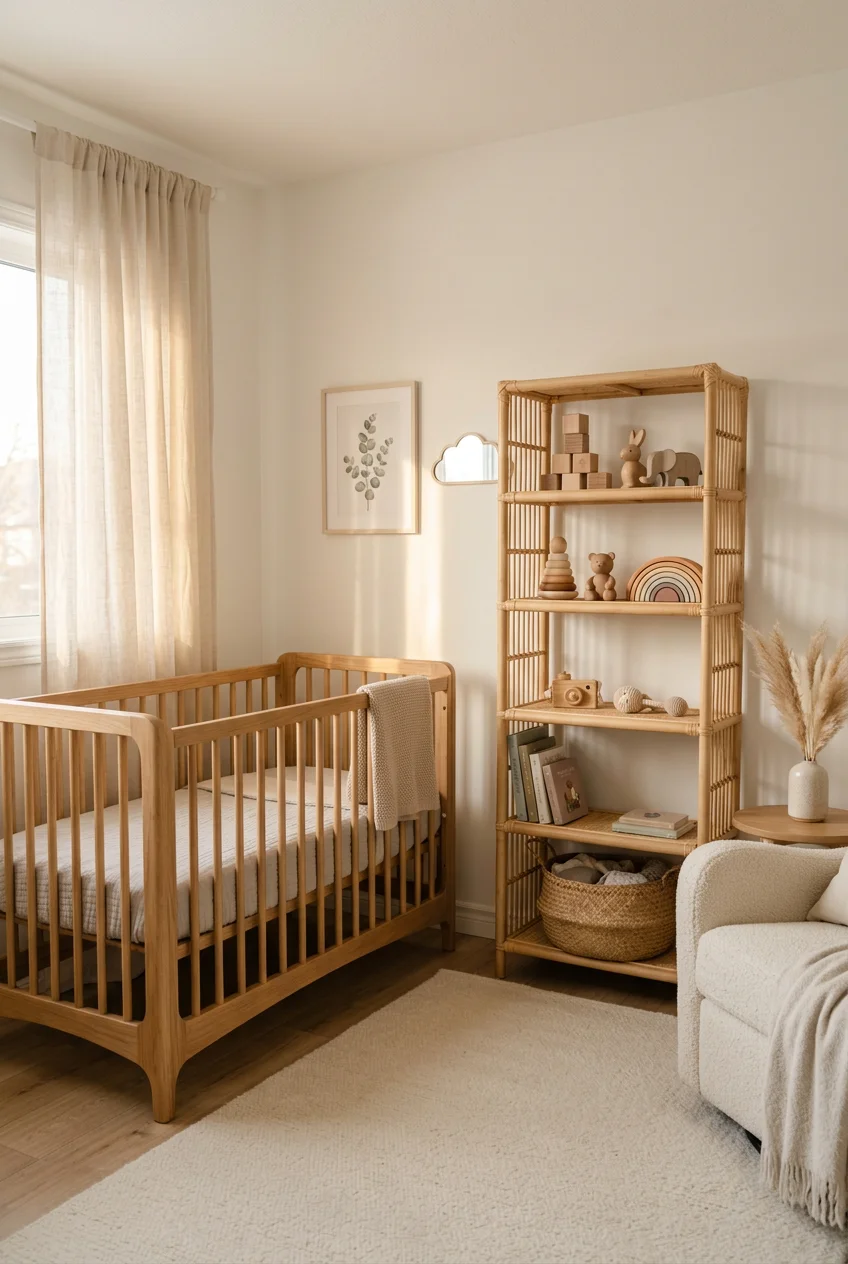
What’s Inside
- Maximize Closet Space with Double Rods
- Implement Bamboo Drawer Dividers for Tiny Garments
- Use Vertical Wall Storage for Books
- Create a Mobile Changing Station with a Rolling Cart
- Invest in Multi-functional Furniture for Longevity
- Utilize Labeled Bins for Aesthetic Baby Room Organization
- Designate Under-Crib Storage for Bulk Items
- Practice Stock and Backstock Aesthetic Baby Room Organization
- Prioritize Closed Storage Over Excessive Open Shelving
- Use Clear Acrylic Caddies for Daily Toiletries
- Hang Over-the-Door Organizers for Accessories
- Install Pegboards Above the Changing Table
- Sort Toys by Category in Canvas Cubes
- Store Keepsakes in Archival Quality Boxes
- Utilize Vacuum Storage Bags for Outgrown Clothes
- Add Tension Rods for Custom Shoe Displays
- Use Lazy Susans for Feeding Supplies
- Label Everything with a Thermal Printer
- Conceal Dirty Laundry in a Lidded Hamper
Most people shove a pile of mismatched pastel bins into a corner and call it nursery organization. Reality is a chaotic mess of plastic and polyester that’ll stress you out at 3 AM. I’m a nursery design consultant, and I see this mistake daily. A functional nursery needs a real plan, not just cute baskets. When you’re dealing with 4 oz jars of diaper cream and hundreds of tiny socks, generic advice won’t cut it. You need specific systems. I’ve laid out 19 methods below to fix your space. If you only try one, make it #8. Here’s why: keeping daily stock separate from backstock changes how a nursery works. It keeps your immediate space calm and ensures you never run out of wipes during a blowout. Trust me.
Skip this list if you’re outfitting a temporary space for a few weeks or if you prefer a purely minimalist setup. These strategies take time and specific products that won’t make sense for a short-term rental or a bassinet in your bedroom. Let’s get to work.
1. Maximize Closet Space with Double Rods

Baby clothes are tiny, leaving a massive amount of wasted vertical space. Most people hang these outfits way too high and wonder why the room feels off. Install a second closet rod to double your capacity instantly. You can find simple tension rods at Target or Walmart (usually under $20) that need zero drilling. Once they’re up, use wooden closet dividers. A standard set from Amazon or The Container Store runs $10 to $20. Sort the clothes by size. Newborn, 0-3 Months, 3-6 Months. This helps when you’re sleep-deprived. It creates a structured, boutique-like look that grounds the room. You aren’t just tossing things in; you’re curating. The catch: a second rod pushes the top one higher, making it hard for shorter adults to reach without a stool.
2. Implement Bamboo Drawer Dividers for Tiny Garments

Tiny clothes become a jumbled mess in deep drawers. You fold them perfectly once, and three days later, it’s a disaster. Use adjustable bamboo drawer dividers to fix this. A standard 4-pack of bamboo dividers costs $20 to $40 online or at Costco. Or, The Container Store’s Linus Shallow Drawer Organizers ($5 to $15 each) work well for separating onesies, socks, and hats. Keep categories strict. This ensures every 2 oz cotton beanie has a spot, preventing the dreaded clothing avalanche. When everything has a boundary, maintenance takes zero effort. Just drop the item in its slot. Best for: deep drawers lacking built-in compartments. The catch: spring-loaded dividers can slip if you slam the drawer, so you’ll need to nudge them back into place occasionally.
3. Use Vertical Wall Storage for Books

Turn unused wall space into a library. Standard bookcases take up too much floor space in a small nursery. Install floating shelves to display books with covers facing out. It’s a great focal point. IKEA’s Mosslanda picture ledges start around $10 to $15 and provide the perfect depth. For a cheaper hack, use IKEA BEKVÄM spice racks ($5 each) as mini bookshelves. Paint them to match your trim for a custom look. This keeps the floor clear and adds a punch of color without expensive art. The catch: anchoring these requires drilling into studs, so renters might need a freestanding alternative.

Modanais Baby Diaper Caddy Organizer Cart
Modanais Baby Diaper Caddy Organizer Cart – 3 Tier Rolling Storage Car is sturdier in person than the photos suggest — over 325 buyers gave it 4.5 stars.
4. Create a Mobile Changing Station with a Rolling Cart

A static changing table isn’t always practical when you’re navigating a two-story house. For flexibility, set up a mobile station using a 3-tier rolling cart. The IKEA RÅSKOG ($30 to $50) is the standard, though Walmart has similar options starting around $70. Stock the top tier with immediate needs: a 16 oz pack of wipes, a 4 oz tube of barrier cream, and 10 diapers. Use the middle for clothes and burp cloths. You can roll your essentials into the bathroom or the living room. The catch: the small caster wheels often get stuck on thick rugs, making them a pain to push.
5. Invest in Multi-functional Furniture for Longevity

Choose furniture that grows with your child to maximize value. Buying a standalone changing table is a common mistake. It’s useless after two years. Instead, buy a dresser that doubles as a changing table with a removable topper. The Pottery Barn Kids Camden 6-Drawer Changing Table is a prime example ($899 to $1,399). A cheaper route is an IKEA Hemnes dresser with a 32-inch changing pad on top. This approach favors long-term, sustainable pieces over disposable gear. You get furniture that lasts until college. Best for: budget-conscious planners. The catch: solid wood dressers are heavy and tough to move once loaded with clothes. You might also like: 18 Dino Toddler Room That Actually Work
6. Utilize Labeled Bins for Aesthetic Baby Room Organization

Combine practicality with style. Don’t just buy cheap plastic tubs. Opt for clear bins from The Container Store for items where visibility matters, like medical supplies. For a softer look, choose woven baskets. Pottery Barn Kids’ Boucle Nursery Storage runs $35 to $108, while IKEA FLÅDIS seagrass baskets are $15 to $20. Always use clear labels. The Container Store’s Bin Clip Labels ($5 to $10) slip over the edge of opaque baskets. This ensures grandparents can find the 8 oz bottles of lotion without tearing the room apart. The catch: natural woven baskets often have sharp fibers that can snag delicate knit sweaters. You might also like: 20 Stunning Layout Small Nursery Ideas That Are Totally Worth It

Modanais Baby Diaper Caddy Organizer Cart
Modanais Baby Diaper Caddy Organizer Cart – 3 Tier Rolling Cart with D has been one of the most consistently praised picks in this category. 654 reviewers averaged 4.5/5.
7. Designate Under-Crib Storage for Bulk Items

Don’t let the 6-inch gap under the crib go to waste. This spot is perfect for items you don’t need daily. Think extra sheets, out-of-season clothing, or bulk diaper packs. Use shallow, rolling plastic bins or structured fabric boxes to keep things tidy. Add a tailored crib skirt to conceal the bins entirely. This gives you the storage of a small dresser without taking up extra floor space. It keeps the room looking airy while you secretly hoard supplies. The catch: the space under a crib is a magnet for dust bunnies, so you’ll need to pull the bins out weekly to vacuum. You might also like: 16 Nursery Dresser Organization You Need to See
8. Practice Stock and Backstock Aesthetic Baby Room Organization

A massive mistake is having too many of the same item clogging up accessible spots. You don’t need six bottles of baby wash on the dresser. Practice organization by keeping only one of each item out. Keep a single 4 oz tube of cream and one pack of wipes in the top drawer. Store your bulk supplies (the backstock) in a labeled bin in the closet. This keeps the daily-use zones calm and functional. You won’t be digging through a mountain of supplies at 2 AM. Learned that the hard way. Best for: small nurseries where drawer space is tight. The catch: this needs the discipline to restock the primary drawer once a week.
9. Prioritize Closed Storage Over Excessive Open Shelving

Open shelves look great in photos, but they’re clutter magnets. In a busy nursery, they collect dust and overwhelm the room. Prioritize closed storage like deep drawers and lidded bins to keep things calm. If you must use open shelves, limit the display to three or four wooden toys, and rotate them. Visual noise creates mental noise, and new parents have enough of that. The catch: closed storage means less space to show off those expensive baby gifts you got at your shower.

Night Light for Kids, Baby Night Light with Sound Machine
A dependable everyday pick — Night Light for Kids pulls in 50 ratings at 4.5 stars. Not flashy, just solid.
10. Use Clear Acrylic Caddies for Daily Toiletries

For daily toiletries, ditch the opaque tubs. Use clear acrylic caddies with handles. Target’s Brightroom line has divided organizers under $20. These are perfect for holding a 2 oz bottle of infant Tylenol, a nasal aspirator, and nail clippers. Because they’re transparent, you’ll know if you’re running low without rummaging. The handle lets you carry the medical kit to the living room if your baby is sick. It looks sleek and intentional. Best for: keeping tiny medical supplies in one place. The catch: clear acrylic shows every fingerprint and smudge, so keep glass cleaner handy.
11. Hang Over-the-Door Organizers for Accessories

The back of the nursery door is prime real estate that people ignore. Hang an organizer for dozens of pockets. The Container Store’s Elfa system is a solid option with customizable mesh baskets. Use these for shoes, rolled-up swaddles, or 8 oz bottles of wash. It keeps awkward items out of drawers and visible. This is great for items you grab on your way out, like a sun hat. Skip the cheap plastic shoe organizers; they rip too easily. The catch: bulky items can keep the door from opening flush, which might block a light switch.
12. Install Pegboards Above the Changing Table

Wall space above the changing table is usually wasted on art. Install a modular pegboard instead. The IKEA SKÅDIS ($30) comes with hooks, clips, and small containers. Mount it to hold pacifiers, a 4 oz bottle of hand sanitizer, and toys to distract the baby during changes. It keeps hazardous items out of reach but close to you. You can reconfigure it as the baby grows. Best for: renters who need vertical space without heavy furniture. The catch: the small plastic hooks can pop off when you grab something too fast.

Baby Sound Machine, Momcozy White Noise Machine for Baby
Baby Sound Machine is sturdier in person than the photos suggest — over 71 buyers gave it 4.5 stars.
13. Sort Toys by Category in Canvas Cubes

Tossing all toys into one giant chest is a recipe for disaster. It looks messy and makes finding specific items impossible. Sort toys by category using canvas cubes. Target’s Pillowfort line has great 11-inch cubes. Dedicate one to blocks, one to plush toys, and one to instruments. Slide these into a cube bookshelf. This teaches categorization early and makes clean-up a fast, mindless process at the end of the day. The catch: soft-sided cubes lose their shape over time, especially if a toddler decides to sit on them.
14. Store Keepsakes in Archival Quality Boxes

Don’t throw hospital bracelets and ultrasound photos into a shoebox. Treat keepsakes with respect by using archival-quality boxes. The Container Store sells acid-free museum boxes that stop paper from yellowing. Dedicate one box to sentimental items. Place a 1/2 cup pouch of silica gel inside to prevent moisture. Store this on the highest shelf in the closet. It keeps the room free of clutter while ensuring your items survive for decades. It forces you to be selective. The catch: these specialized boxes are pricey for what is just reinforced cardboard.
15. Utilize Vacuum Storage Bags for Outgrown Clothes

Babies outgrow clothes fast. Keeping items that don’t fit in your dresser wastes space. Use vacuum storage bags. Ziploc Space Bags (under $25 for a pack) compress a pile of 0-3 month clothes into a flat brick. Label the bag clearly and slide it under the guest bed or on a high shelf. It reclaims your drawers instantly. Best for: families planning to have more kids who need to save clothes long-term. The catch: vacuum sealing leaves clothes wrinkled, so you’ll have a massive ironing session when you eventually unpack them.

Baby Sound Machine Baby Kids Night Light Projector with
Baby Sound Machine Baby Kids Night Light Projector with Star is sturdier in person than the photos suggest — over 790 buyers gave it 4.5 stars.
16. Add Tension Rods for Custom Shoe Displays

Baby shoes are cute but hard to store. They get crushed in bins. Add short tension rods to the inside of a closet for a display. Walmart’s Mainstays tension rods (under $10) can be placed parallel to each other. Simply rest the tiny shoes across the two rods. It creates a floating display that looks like a high-end boutique. This keeps shoes paired and prevents the leather from scuffing. It uses that dead space at the bottom of a closet perfectly. The catch: babies rarely wear hard-soled shoes enough to justify a dedicated display.
17. Use Lazy Susans for Feeding Supplies

Cabinet space gets chaotic with pump parts and bottles. Use a Lazy Susan to corral them. An OXO Good Grips 11-inch turntable ($20) lets you store 4 oz and 8 oz bottles, pump valves, and formula in a tight space. Instead of knocking over bottles to reach the back, you just spin the tray. It’s an efficient way to handle items you reach for multiple times a day. You can grab exactly what you need with one hand. The catch: round turntables waste the corner space in square cabinets.
18. Label Everything with a Thermal Printer

Masking tape and a sharpie won’t give you a polished look. Label everything with a thermal printer. The Brother P-Touch or Niimbot Bluetooth printers range from budget to mid-range. Print clean, uniform labels for every drawer and bin. When the babysitter needs a fresh crib sheet, they won’t have to guess which opaque bin holds the linens. Consistent typography makes the room look professionally organized. It removes the guesswork. The catch: the proprietary refill tape cartridges are pricey and run out quickly.
19. Conceal Dirty Laundry in a Lidded Hamper

An open laundry basket overflowing with spit-up-stained onesies ruins any room. Conceal it in a rigid, lidded hamper. West Elm and Target offer beautiful woven or structured hampers. A lid hides the mess and contains the smell. Ensure the hamper has a removable, washable liner so you can carry the laundry to the wash without dragging a heavy basket downstairs. It keeps the room looking pristine even on laundry day. The catch: hampers with heavy lids usually need two hands to open, which is annoying when you’re holding a squirming baby.
How we chose these ideas: We looked at these methods based on renter-friendliness, cost, and daily impact. We prioritized solutions that hide visual clutter while keeping essentials accessible during high-stress moments.
When you’re dealing with sleep deprivation, an organized space isn’t a luxury. It’s a survival tool. Use a few of these systems, and you’ll immediately notice how much smoother your routines become. Save this article and pin your favorites to your nursery boards so you can reference these measurements when you’re ready to start.
Frequently Asked Questions
How do I maintain aesthetic baby room organization on a tight budget?
Focus on uniform containers. Buying inexpensive matching plastic bins from a dollar store and adding custom printed labels creates a cohesive look. Skip expensive custom closets and use tension rods and budget drawer dividers to maximize existing space.
What is the best way to organize tiny baby socks?
Use small, adjustable bamboo drawer dividers or shallow acrylic trays. Dedicate one specific quadrant of a top drawer exclusively to socks. Avoid tossing them into a large bin, as they will inevitably lose their matches.
How can I make my nursery closet look more aesthetic?
Swap out mismatched plastic hangers for slim, uniform velvet hangers. Add wooden size dividers to categorize clothing by month. Finally, install a second tension rod to double your hanging space and keep everything visually balanced.
Is open shelving practical for a baby room?
Open shelving is visually appealing but highly impractical for daily baby supplies. It easily becomes a dust collector and a clutter magnet. Reserve open shelves strictly for displaying a few curated books or wooden toys, keeping daily essentials in closed drawers.
