What’s Inside
- Embrace Warm, Earthy Paint Tones (Trending 2026)
- Invest in a GREENGUARD Gold Certified Convertible Crib
- Layer Textures Extensively for Depth
- Opt for a High-Quality, Ergonomic Glider with Smart Features
- Implement Layered, Warm Lighting with Dimmers
- Maximize Vertical Storage with IKEA Hacks
- Choose Organic, Breathable Crib Sheets
- Create a “Mood-First” Earthy Palette for Wall Decor
- Avoid Overly Themed Rooms for Longevity
- Prioritize Blackout Curtains for Optimal Sleep
- Incorporate Warm Metal Accents (Trending 2026)
- Designate Functional Zones for Efficiency
- Future-Proof with Multi-Functional Furniture
- Add Subtle Sensory Elements Beyond Visuals
- Embrace “Color Drenching” in Muted Tones (Surprising Trend)
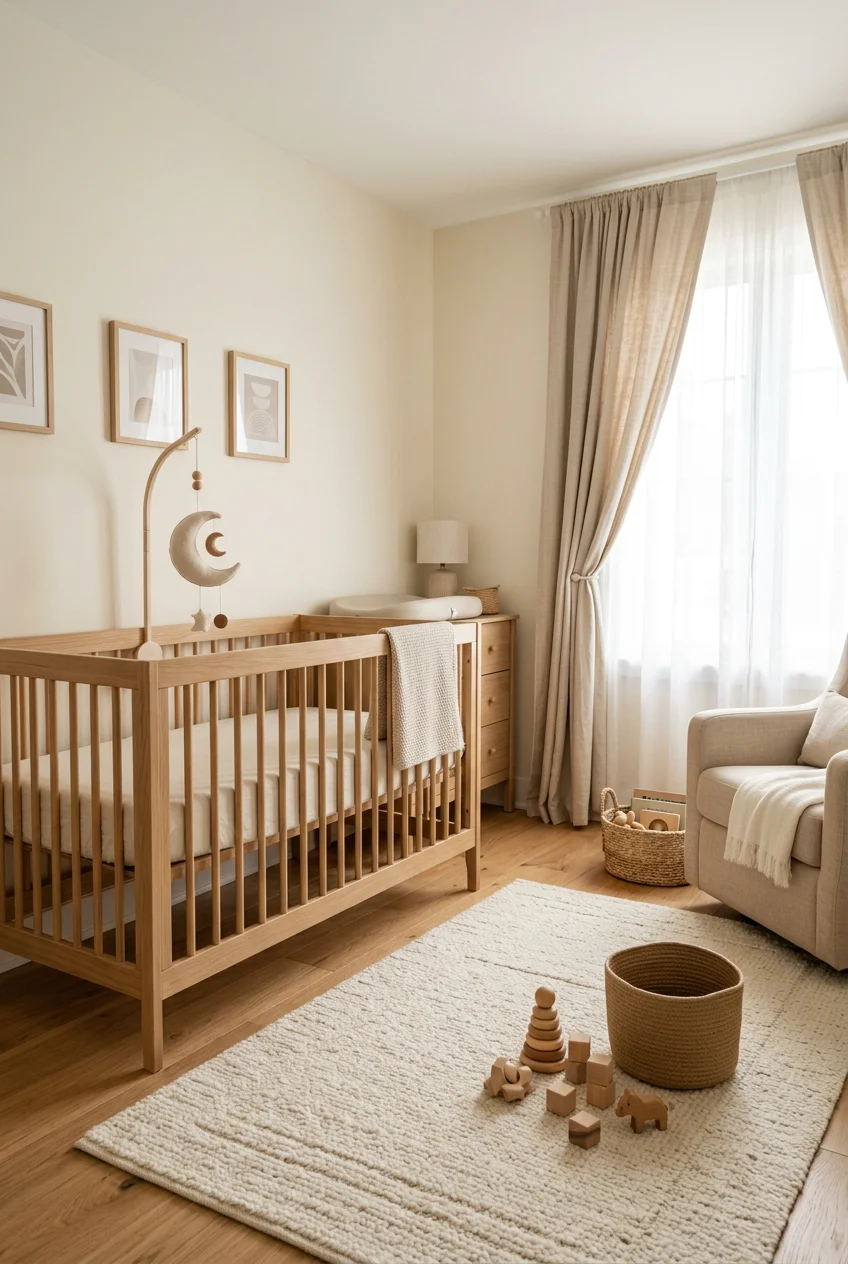
Most people paint a room stark white, toss in a gray rug, and call it a day when hunting for baby-neutral nursery ideas. The result usually feels more like a sterile dentist’s office than a cozy spot for a newborn. Creating real warmth takes layering textures, earthy tones, and functional zones that make 3 AM wake-ups bearable. A common mistake is picking looks over the harsh reality of infant sleep, leading to styled rooms that fail completely at 4 AM. If you only try one idea here, make it #15 (color drenching). Here’s why: painting the walls, trim, and ceiling the same muted shade makes small, cluttered rooms feel intentional and incredibly cocoon-like.
Skip this list if you’re in a strict apartment with a “no paint, no wall modifications” clause and aren’t willing to use temporary fixes. These concepts rely on changing wall colors, installing heavy blackout curtains with wall anchors, and mounting sturdy shelves. If your landlord forbids wall mods, you’ll find half these concepts impossible to pull off safely.
1. Embrace Warm, Earthy Paint Tones (Trending 2026)

Instead of defaulting to cold grays, lean into the 2026 trend of warm, earthy neutrals. Cool tones make north-facing rooms look like iceboxes, stripping all the natural warmth out. A soft sage green, like Benjamin Moore Saybrook Sage HC-114, adds life without overwhelming the room. For a warmer off-white, Sherwin-Williams Creamy SW 7012 brings in a hint of yellow that fights gloomy natural light perfectly. If you want a deeper, cocoon-like feel at night, Benjamin Moore Indian River 985 is a rich greige that anchors the room beautifully. Always verify you’re buying the zero-VOC, Greenguard Gold certified lines from these brands to keep the air safe for developing lungs. A common mistake is buying cheap paint to save a few dollars, but the chemical off-gassing lasts for months and gives everyone a headache. Learned that the hard way. You can grab basic painting supplies at Walmart to offset the cost of premium paint. When choosing your finish, stick to eggshell. It wipes clean easily when sticky fingers touch the walls, whereas flat paint absorbs every stain. The catch: these warmer, earthy tones often require a high-quality primer and at least two coats to prevent the old wall color from muddying the finish.
2. Invest in a GREENGUARD Gold Certified Convertible Crib

Your baby will spend most of their first year asleep, so the crib material matters. Prioritize a GREENGUARD Gold certified crib. This means the furniture is screened for over 10,000 chemicals and volatile organic compounds. The Babyletto Lolly 3-in-1 Convertible Crib, typically $400 to $600, is a functional choice. It features natural wood spindle details that fit perfectly into earthy, neutral spaces. Plus, it has four adjustable mattress positions. You drop the mattress lower as your baby learns to sit and stand to prevent falls. Later, it converts into a toddler bed and a daybed. People often buy cheap particleboard cribs from big box stores and regret it when the paint chips off after a few months of teething. The Lolly uses solid New Zealand pine wood, which holds up better to daily wear and tear. Best for: eco-conscious parents on a mid-range budget. The catch: the toddler bed conversion kit is often sold separately, which adds an annoying hidden cost when you’re ready to transition out of the crib phase.
3. Layer Textures Extensively for Depth

A neutral palette falls flat without heavy texture. A room full of smooth, flat surfaces in beige just looks cheap. To fix this, layer diverse tactile elements throughout the space. Start from the floor up with a plush, low-pile wool rug. Brands like Lorena Canals offer beautiful 5×7 foot or 8×10 foot options that usually range from $200 to $600. The massive benefit is that many of their rugs are machine washable, which is non-negotiable for diaper blowouts and spit-up. Hang thick, unlined linen curtains to soften the window frames, drape a heavy chunky knit throw blanket over the glider, and use woven rattan or jute baskets for toys. You can grab affordable, textured storage baskets during a weekly Target run. This mix of linen, wool, and rough rattan creates visual interest without needing bright colors. The catch: chunky knit blankets snag easily on rings or a baby’s sharp fingernails, requiring constant tucking to keep them looking neat.

Modanais Baby Diaper Caddy Organizer Cart
Modanais Baby Diaper Caddy Organizer Cart – 3 Tier Rolling Storage Car has been one of the most consistently praised picks in this category. 325 reviewers averaged 4.5/5.
4. Opt for a High-Quality, Ergonomic Glider with Smart Features

Don’t skimp on the glider. You’ll spend hundreds of hours in this chair in the dark. Trust me. The Nurture& The Glider Plus sits in the $1,000 to $1,500 range and includes power lumbar support, an adjustable headrest, and a built-in USB charging port. That port is crucial when you’re trapped under a sleeping infant for two hours and your phone is at two percent. Another excellent option is the Babyletto Kiwi Electronic Recliner and Swivel Glider, usually $800 to $1,000. It comes in eco-performance fabric that repels water and resists stains. Both options are GREENGUARD Gold certified, ensuring no chemical smells in the nursery. A pro tip is to measure the doorway width before ordering, as these chairs arrive in massive boxes that barely fit through standard doors. They provide the back support that a cheap wooden rocking chair lacks. Best for: parents prioritizing physical comfort during long, exhausting feeding sessions. The catch: these motorized gliders weigh over 100 pounds, making them incredibly difficult to move upstairs or reposition once assembled.
5. Implement Layered, Warm Lighting with Dimmers

Harsh overhead lighting guarantees a crying baby during middle-of-the-night diaper changes. The lighting in a nursery needs to be soft, warm, and adjustable. Swap out the standard builder-grade flush mount for a fixture with a linen drum shade to diffuse the light. Then, add a warm-glow table lamp and wall sconces. Every bulb in the room should be a 2700K LED. This temperature mimics the amber glow of sunset, signaling to the brain that it’s time for sleep. Put the overhead light and sconces on dimmer switches. This lets you keep the room mostly dark while still seeing enough to handle a messy feeding. You can find affordable 2700K bulbs in bulk at Costco to outfit the whole room. A common mistake is buying “daylight” bulbs, which emit a stark blue-toned light that suppresses melatonin and wakes the baby up. The catch: installing hardwired wall sconces and dimmers requires basic electrical knowledge or the expense of hiring an electrician. You might also like: 18 Colorful Toddler Room for Every Budget
6. Maximize Vertical Storage with IKEA Hacks

Babies come with a shocking amount of plastic clutter and tiny items. Maximizing vertical storage keeps the floor clear and the room feeling calm. The IKEA TROFAST storage combination is brilliant for this. A small unit with pull-out plastic bins starts around $30 to $50. You can sort tiny socks, burp cloths, and toys into separate, accessible tubs. To use empty wall space, install IKEA LACK floating shelves, which run about $15 to $20 each. Use these high shelves to display fragile keepsakes or heavy books safely out of toddler reach. Inside the closet, hang an IKEA RASSLA organizer. It measures 25 by 40 by 98 centimeters, features five mesh compartments, and costs around $10. It instantly creates shelving inside a basic closet without needing tools or drilling. Best for: small nurseries lacking built-in closet organization or floor space. The catch: IKEA furniture is made of particleboard, meaning it won’t survive multiple apartment moves, and the picture-only assembly is notoriously frustrating. You might also like: 20 Cozy Whimsical Nursery Lighting Ideas You Haven’t Thought Of

Modanais Baby Diaper Caddy Organizer Cart
Modanais Baby Diaper Caddy Organizer Cart – 3 Tier Rolling Cart with D punches above its price — 654 buyers rated it 4.5 stars. The kind of pick people reorder.
7. Choose Organic, Breathable Crib Sheets

A baby’s skin is thin and prone to irritation, making bedding a priority. Skip synthetic blends and opt for 100 percent GOTS-certified organic cotton crib sheets. The Global Organic Textile Standard certification ensures the cotton was grown without synthetic pesticides and made without harmful dyes. Burt’s Bees Baby offers soft, durable options starting around $20 to $30 per sheet. Other solid brands include MakeMake Organics, Coyuchi, and Naturepedic. Stick to solid earthy tones like terracotta, oat, or sage to maintain the neutral aesthetic. A tight fit is a strict safety requirement. The sheet must snap firmly over the mattress corners without any loose bagging. You can grab organic baby wash at Kroger or Sprouts to keep these sheets clean without harsh laundry detergents. The catch: pure organic cotton wrinkles in the wash, so the crib will never look as perfectly crisp as it does in styled photos. You might also like: 20 Baby Boy Nursery Ideas That Actually Work
8. Create a “Mood-First” Earthy Palette for Wall Decor

Heavily themed rooms look dated quickly. The 2026 approach leans into “mood-first” design, focusing on how the room feels rather than slapping a cartoon character on every surface. To achieve these baby neutral nursery ideas, use an earthy palette for your wall decor. Consider adding a subtle botanical wallpaper on one accent wall. A muted sage green or a warm taupe leaf pattern sets a calming tone. Brands like Fancy Walls offer peel-and-stick options that are forgiving during installation. If wallpaper feels like too much work, frame a set of three to five vintage botanical prints in simple, natural oak frames. Hang them securely above the dresser to create an easy, sophisticated focal point. This feels curated and peaceful, not loud. The catch: peel-and-stick wallpaper only adheres to perfectly smooth walls. If your nursery has heavy orange peel or knockdown texture, the adhesive will fail and the paper will peel off.
9. Avoid Overly Themed Rooms for Longevity

Designing a nursery around a rigid theme is a trap. Going all-in on a “jungle safari” theme with zebra print rugs, monkey decals, and bright green walls means you’ll be repainting in three years. Fully themed nurseries are fading out in favor of curated spaces with subtle personal touches. Instead of committing the entire room to a concept, integrate small nods to your interests to keep your baby neutral nursery ideas flexible. If you like animals, add a single framed watercolor print, a plush toy, or a delicate mobile featuring felt woodland creatures. This ensures the space evolves gracefully. When your toddler eventually decides they only care about construction vehicles, you won’t have to scrape off a massive jungle mural. Best for: budget-conscious parents who only want to decorate this room once. The catch: it’s hard to stop well-meaning relatives from buying loud, heavily themed decor and plastic toys that clash with your curated aesthetic.

Beautiful Wooden Baby Closet Dividers Set of 7
If you want something that just works, Beautiful Wooden Baby Closet Dividers Set of 7 – Double-Sided Organize is a safe bet (11 reviews, 4.5 stars).
10. Prioritize Blackout Curtains for Optimal Sleep

Don’t rely on standard wooden blinds or unlined linen curtains if you value your sleep. 100 percent blackout curtains are non-negotiable for daytime naps and preventing 5 AM wake-ups during the summer. Look for options that carry GREENGUARD Gold and OEKO-TEX STANDARD 100 Class 1 certifications to ensure the heavy blackout lining isn’t off-gassing plastics. Sleepout Nursery curtains are highly rated by sleep consultants for their light-blocking. Another stylish option is Pippa + June, which offers neutral blackout panels in sizes like 50 inches wide by 84 inches long. These range from $50 to $150 per panel and are made from durable 100 percent polyester. Mount the curtain rod high and wide to prevent sunlight from leaking out the sides. The catch: true blackout curtains are heavier than standard drapes, so you must use heavy-duty drywall anchors and a sturdy metal rod to prevent them from ripping out of the wall.
11. Incorporate Warm Metal Accents (Trending 2026)

Cool, brushed nickel hardware makes a neutral room feel sterile. The shift for 2026 focuses on warm metals. Integrating antique brass, champagne bronze, or matte gold finishes adds a layer of sophistication to earthy color palettes. You don’t need to buy new furniture to achieve this. Swap out the cheap wooden or plastic pulls on your dresser for heavy, unlacquered brass knobs. Upgrade your curtain rods to a matte gold finish, or hang a mirror with a champagne bronze frame above the changing table. These small metallic touches catch the dim light and warm up the entire space. It’s a quick weekend project that yields massive visual returns. The catch: matching warm metal finishes across different brands is frustrating. One brand’s “champagne bronze” looks yellow, while another’s looks copper, forcing you to buy all hardware from a single retailer for consistency.
12. Designate Functional Zones for Efficiency

A nursery needs to function like a well-oiled machine at 3 AM. Haphazardly placing furniture around the room creates chaos and stubbed toes in the dark. Instead, designate functional zones. Create a sleep zone centered around the crib, keeping it away from drafty windows, blind cords, and heavy wall art. Establish a feeding zone containing the glider, a small side table, and a dim sconce. Finally, set up a changing zone with the dresser, diaper pail, and primary storage. A pro tip is to use blue painter’s tape to map out the dimensions of your furniture on the floor before buying anything. This ensures you have enough clearance to open dresser drawers while standing in front of them. Best for: first-time parents trying to optimize a small bedroom layout. The catch: in rooms under 100 square feet, these zones overlap, meaning your smelly diaper pail might end up uncomfortably close to your glider.

Criusia Drawer Organizer Clothes
If you want something that just works, Criusia Drawer Organizer Clothes is a safe bet (11 reviews, 4.5 stars).
13. Future-Proof with Multi-Functional Furniture

Buying furniture branded as “nursery furniture” is a great way to waste money. A dedicated changing table becomes useless the moment your child is potty trained. Instead, future-proof the room by investing in multi-functional pieces. Buy a standard, high-quality wooden dresser and attach a removable changing topper. Once the diaper days are over, unscrew the topper, and you have a normal dresser that works for a teenager. The same logic applies to seating. Instead of a traditional nursing chair with a matching ottoman that screams “baby room,” choose a neutral-colored, comfortable armchair or a sleek recliner. Later, you can move it into the living room or a home office without it looking out of place. You can pick up versatile storage baskets at Whole Foods or Trader Joe’s while grocery shopping to organize the insides of these dressers. The catch: multi-functional furniture like full-sized dressers are bulkier and take up more square footage than a flimsy changing table.
14. Add Subtle Sensory Elements Beyond Visuals

Visual design is only one part of the equation. A truly calming nursery addresses multiple senses. Sound and smell play roles in establishing a predictable sleep routine. Add a small, high-quality sound machine. The Hatch Rest+ sits around $90 and provides white noise or nature sounds that drown out street traffic and noisy pets. It also functions as an adjustable nightlight. For scent, introduce a subtle, calming aroma using an essential oil diffuser. Running a baby-safe lavender oil for ten minutes before bedtime sets a strong cue that it’s time to wind down. Never run a diffuser continuously in a closed room with an infant, as strong fragrances overwhelm their respiratory systems. Best for: babies who struggle to settle in silent environments. The catch: ultrasonic diffusers require daily cleaning with white vinegar. If left damp, they quickly grow mold and bacteria, which gets blasted into the nursery air.
15. Embrace “Color Drenching” in Muted Tones (Surprising Trend)

If you want a bold aesthetic that remains soothing, try color drenching. This trend involves painting the walls, the baseboards, the trim, and the ceiling in the same muted shade. It erases the harsh lines where the wall meets the ceiling, which tricks the eye and makes a small nursery feel expansive. A soft, earthy green like Sherwin Williams Evergreen Fog or a warm mushroom taupe works perfectly. It creates a cocoon effect that feels safe and grounded. Most people leave the ceiling bright builder-grade white, which visually chops the room in half and draws attention to low ceiling heights. Color drenching solves this, giving the room a high-end, custom look. The catch: painting a ceiling is a physically exhausting, messy nightmare that guarantees paint splatters in your hair, and painting the trim requires tedious sanding and a steady hand.
How we chose these ideas: We evaluated these design strategies based on visual impact, long-term adaptability, and practical cost. Priority was given to renter-friendly mods, safety certifications, and functional layouts that solve real storage and sleep challenges for new parents.
Creating a beautiful space doesn’t require a chaotic mix of cartoon themes and cheap plastic furniture. By focusing on layered textures, warm lighting, and smart storage, you build a room that serves both you and your baby during the hardest months. I strongly recommend starting with the blackout curtains and the lighting setup. Those two elements will impact your daily life and sleep schedule more than any expensive rug or wall print ever could. Pin this list to your design board so you have these paint colors and measurements handy when it’s time to start decorating.

Criusia Over the Door Organizer
Criusia Over the Door Organizer punches above its price — 247 buyers rated it 4.5 stars. The kind of pick people reorder.
Frequently Asked Questions
What colors work best for a neutral nursery?
Warm earthy tones are currently trending over cool grays. Soft sage greens, warm off-whites with yellow undertones, and deep greiges create a calming, cocoon-like environment that feels cozy rather than sterile.
How do you make a neutral nursery look interesting?
Layering diverse textures is key. Combine low-pile wool rugs, unlined linen curtains, chunky knit throw blankets, and woven rattan baskets. This mix of materials adds visual depth without relying on bright colors.
Are themed nurseries still popular?
Fully themed rooms are fading out. Instead of rigid concepts like a full jungle safari, parents are opting for mood-first designs with subtle, curated nods to their interests, allowing the room to evolve easily.
What is the most important furniture piece in a nursery?
A comfortable, ergonomic glider is essential. Look for high-quality options with power lumbar support, adjustable headrests, and stain-resistant fabric, as you will spend hundreds of hours sitting in it during the first year.
