What’s Inside
- Prioritize Non-Toxic, Zero-VOC Paint
- Invest in Commercial-Grade Changing Stations
- Implement a Robust Digital Check-in System
- Enforce the “Two-Adult Rule” and Video Monitoring
- Sanitize Toys Effectively with Specific Solutions
- Control Odors with High-Performance Diaper Pails
- Enhance Air Quality with a High-Capacity Air Purifier
- Create a Soothing Sleep Environment with Sound Machines
- Provide Ergonomic Gliders for Caregiver Comfort
- Anchor Heavy Furniture to the Walls
- Install Dimmable Lighting for Nap Zones
- Set Up Secure Storage for Parent Diaper Bags
- Choose Cribs with Clear Sightlines
- Use Wipeable Vinyl Wall Decals
- Create Designated, Private Nursing Nooks
- Stock Up on Soft Corner Protectors
- Implement Clear Labeling Systems
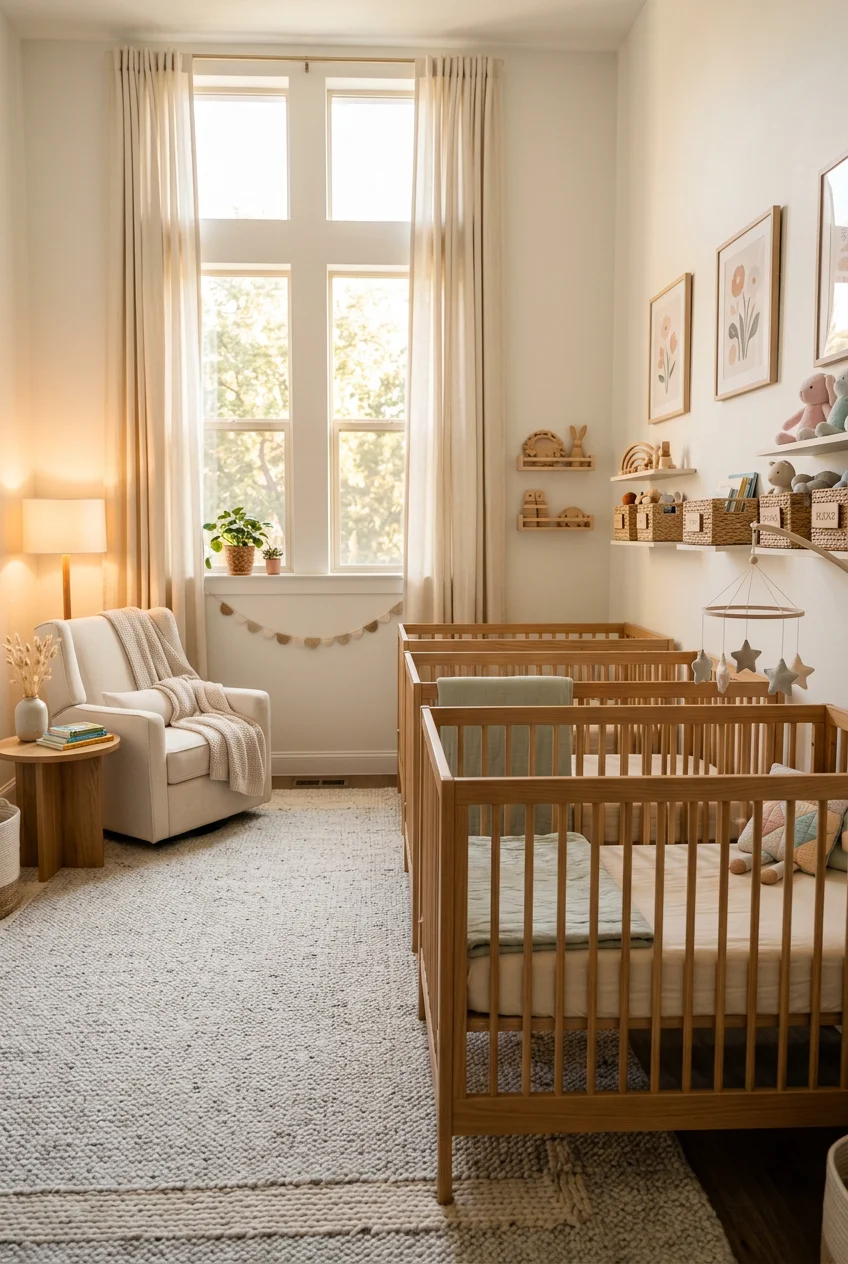
Most church nurseries smell like stale graham crackers and industrial floor cleaner, with harsh fluorescent lights buzzing overhead. It’s a common mistake to treat these spaces like sterile hospital waiting rooms instead of cozy spots for babies. If you’re updating your congregation’s childcare space, you need practical ideas that balance strict safety codes with real comfort. Skip the institutional design approach. It feels cold for nervous first-time parents. You need durable materials, serious sanitation, and a layout that keeps volunteers sane during the Sunday morning rush. We’re talking commercial-grade durability paired with soft, residential aesthetics. If you only try one idea from this list, make it #3. Here’s why: a messy paper sign-in sheet creates a bottleneck at the door, stressing out parents before they even hand over their baby. A digital system fixes that first impression instantly.
Skip this list if your church operates out of a temporary rental space like a high school gym. These strategies require permanent installation, wall modifications, and committee approvals. You can’t bolt changing stations to rented walls or install hardwired cameras when you have to tear down the setup every Sunday afternoon.
1. Prioritize Non-Toxic, Zero-VOC Paint

Fresh paint is the fastest way to update a room, but standard commercial paints off-gas VOCs that give babies headaches. You’ve got to choose paints made for nurseries. KILZ KOLOR IT Paints are pediatrician-endorsed, zero-VOC, and have zero total emissions. They contain no biocides or antimicrobial additives. Learned that the hard way. If you need specific shades to match church branding, Benjamin Moore Eco Spec offers zero-VOC Gennex colorants that hold up to scrubbing. For a budget-friendly pick at Home Depot, Behr Pro i300 provides solid coverage without that chemical smell. Always let the room cure for at least 72 hours before bringing infants back inside, even with zero-emission formulas.
Best for: Older church buildings that need a massive visual update on a tight budget.
The catch: Premium zero-VOC paints like Eco Spec sit in the mid-to-high price range, which adds up fast in large halls.
2. Invest in Commercial-Grade Changing Stations

Flimsy residential tables won’t survive the Sunday morning volume. You need commercial-grade stations bolted directly to the wall studs. Trusted brands like Koala Kare, Alpine Industries, or Saniflow are the standard. These units must be ADA compliant. That means they’re at an accessible height with room for wheelchairs. Look for models that support at least 250 lbs, per ASTM F2285-04 standards. This ensures the station won’t rip out of the drywall if a toddler climbs on it. Keep a stack of disposable sanitary liners in the built-in dispensers.
The catch: These units look bulky and institutional, so they clash with softer decor.
3. Implement a Robust Digital Check-in System

Paper clipboards are a security liability. A digital check-in system streamlines drop-off, tracks volunteers, and prints matching barcode tags for the baby and parent. KidCheck is popular because of its strict secure pick-up protocols. If your church uses management software, Planning Center Check-In offers great integration and scheduling. For smaller church plants on a budget, Kidddo provides a simple interface that usually costs under $50 a month. You’ll need a tablet stand and a high-speed thermal label printer at the entrance.
Best for: Growing congregations where volunteers don’t know every parent.
The catch: Digital systems need a perfect Wi-Fi connection; if the internet drops, your check-in process stalls.

Criusia Over the Door Organizer
A dependable everyday pick — Criusia Over the Door Organizer pulls in 247 ratings at 4.5 stars. Not flashy, just solid.
4. Enforce the “Two-Adult Rule” and Video Monitoring

Safety policies matter more than wall art. Always enforce a rule where at least two unrelated adults are in the nursery. This protects children and volunteers from false accusations. Pair this with ceiling-mounted security cameras in every room. You need a clear, written policy on who reviews footage and how long it’s kept. High-definition dome cameras from brands like Reolink or Amcrest offer wide-angle views without looking too aggressive. Visible cameras provide peace of mind for nervous visitors. You might also like: 15 Baby Girl Nursery Room Ideas for Every Budget
The catch: The two-adult rule puts a strain on your volunteer roster, especially during low-attendance holidays.
5. Sanitize Toys Effectively with Specific Solutions

Nurseries are petri dishes. You need a documented sanitization protocol for every toy. For hard, non-porous items like plastic blocks, soak them in a solution of 1 tablespoon of unscented bleach per 1 gallon of water. Let them soak for 2 minutes, then air-dry on a clean towel. For plushies, machine wash on a warm cycle and dry on high heat. Electronic toys can’t be submerged; wipe them down with a soapy cloth, followed by a standard Clorox or Lysol wipe. You might also like: 15 Nursery Themes Girl You Need to See
Best for: High-traffic nurseries where toddlers share playthings.
The catch: Repeated bleach exposure eventually makes cheap plastic toys brittle.
6. Control Odors with High-Performance Diaper Pails

A room full of babies generates a mountain of trash. Standard plastic cans absorb smells over time. Upgrade to steel odor-locking pails. The Ubbi Steel Odor Locking Diaper Pail features a sliding lid, a childproof lock, and uses standard kitchen trash bags instead of expensive refills. Alternatively, the Munchkin STEP Diaper Pail offers a hands-free foot pedal, which is great when you’re holding a squirming infant. The Munchkin model requires specific refill rings, though you can find off-brand versions at Target. You might also like: 20 Baby Boy Nursery Ideas That Actually Work
The catch: The Ubbi pail’s sliding lid track gets sticky if you don’t wipe it down weekly.

Beautiful Wooden Baby Closet Dividers Set of 7
If you want something that just works, Beautiful Wooden Baby Closet Dividers Set of 7 – Double-Sided Organize is a safe bet (11 reviews, 4.5 stars).
7. Enhance Air Quality with a High-Capacity Air Purifier

Church basements often lack ventilation. For larger spaces, you need serious filtration. The Smart Air Blast Mini is a heavy-duty unit with an H13 HEPA filter that cleans a 702 sq. ft room in about 12 minutes. It’s built like a tank and handles bumps from toddlers. If you need a cheaper option, the Air Fanta 3 Pro delivers a Clean Air Delivery Rate of 463 CFM. It provides 4.8 air changes per hour in spaces up to 681 sq. ft and costs around $150. Keep these running on medium during service.
Best for: Windowless rooms or older buildings with dusty HVAC systems.
The catch: Replacement HEPA filters are a significant recurring expense.
8. Create a Soothing Sleep Environment with Sound Machines

You can’t expect a baby to nap while a worship band plays bass-heavy music nearby. Industrial-grade sound machines are non-negotiable. The Hatch Rest Sound Machine offers app control, various noises, and a customizable night light. If you want something simple without Bluetooth, the Dohm Classic produces real fan-based white noise. It runs between $30 and $70. The LectroFan Classic is another great option that drowns out hallway chatter without sounding tinny.
The catch: App-controlled devices like the Hatch often frustrate volunteers who just want a simple on/off button.
9. Provide Ergonomic Gliders for Caregiver Comfort

Volunteers spend hours rocking fussy babies, so ergonomics matter. Skip the cheap wooden rockers; they pinch fingers and offer no support. You need upholstered gliders with an enclosed rocking mechanism. Look for chairs in high-grade faux leather or performance polyurethane. These wipe clean instantly after spit-up incidents, unlike woven fabrics. You can find durable gliders at stores like Costco or Walmart that fit the bill. Ensure the armrests are wide enough to support a volunteer’s arm while holding a heavy infant.
The catch: Commercial-grade gliders have a massive footprint and will crowd a small room.

Criusia Drawer Organizer Clothes
Criusia Drawer Organizer Clothes has been one of the most consistently praised picks in this category. 11 reviewers averaged 4.5/5.
10. Anchor Heavy Furniture to the Walls

Toddlers are natural climbers. Every bookshelf, cubby, and changing dresser must be anchored to wall studs. Most people skip this because it takes effort, but it’s a huge liability. Use heavy-duty nylon straps or metal L-brackets. Don’t rely on the cheap plastic zip-ties that come with flat-pack furniture. If you’re using tall storage units, place the heaviest items on the bottom shelves to lower the center of gravity. Check these anchors quarterly to ensure they haven’t loosened.
Best for: Rooms that serve both non-mobile infants and active toddlers.
The catch: Drilling into drywall means you’ll have to patch and paint if you rearrange the room.
11. Install Dimmable Lighting for Nap Zones

Flicking on bright fluorescent tubes will wake up a sleeping baby. You need layered, controllable lighting. If your budget allows, hire an electrician to install dimmer switches. If you’re on a strict budget, bring in sturdy floor lamps with smart LED bulbs. You can set these to a warm, amber color (around 2700K) which is less jarring than cool white light. Place these lamps behind heavy furniture so toddlers can’t pull them over.
The catch: Rewiring hardwired light fixtures requires permits and an electrician, which gets expensive.
12. Set Up Secure Storage for Parent Diaper Bags

Parents usually hand over a bulky diaper bag at drop-off. Piling these on the floor creates a tripping hazard. Install a cubby system right inside the door. Commercial wooden cubbies keep everything off the floor. Assign a numbered tag to each cubby that matches the child’s sticker. You can pick up modular cube organizers from Target or IKEA. Use heavy plastic bins inside the cubes to catch any leaks from spilled bottles.
The catch: A full-size cubby system eats up valuable floor space right at the entrance.

SNSLXH 5 Pack Stackable Closet Storage Basket
SNSLXH 5 Pack Stackable Closet Storage Basket is sturdier in person than the photos suggest — over 41 buyers gave it 4.5 stars.
13. Choose Cribs with Clear Sightlines

Volunteers need to see every sleeping baby from across the room. Avoid solid-ended cribs that block visibility. Instead, opt for evacuation cribs with slatted ends or clear acrylic panels. These sit on heavy-duty locking casters. In a fire, volunteers can put infants into one crib and roll it straight out an exterior door. Brands like Foundations make evacuation models that fit through standard doorways. Always use firm, waterproof mattresses that fit snugly without gaps.
The catch: Clear acrylic panels scratch easily and look cloudy if you clean them with paper towels.
14. Use Wipeable Vinyl Wall Decals

Wallpaper peels and paint gets boring. Large-scale, wipeable vinyl wall decals are the smartest way to add interest. You can create a calm, nature-inspired look—think of the murals in a Whole Foods—without the permanence of a hand-painted mural. Stick to soft greens, blues, and neutrals. Avoid chaotic primary colors that overstimulate babies. High-quality vinyl decals can be wiped down with soap and water when they get smudged by sticky hands.
Best for: Injecting personality into sterile, cinderblock basement rooms.
The catch: If you apply cheap decals over poorly prepped walls, they will pull the paint off when removed.
15. Create Designated, Private Nursing Nooks

Nursing mothers often need a quiet space to feed during the service. Carve out a semi-private nook in the corner. Use a weighted room divider screen to block sightlines from the door. Furnish this with a comfortable glider, a small side table for water, and a dimmable reading lamp. Keep a basket of nursing pads and tissues nearby. This small gesture makes visiting mothers feel welcome. Trust me on this.
The catch: Setting up a privacy screen creates a blind spot, making it harder for volunteers to monitor the whole space.

Baby Closet Divider, Baby Wardrobe Organizer
Baby Closet Divider is sturdier in person than the photos suggest — over 371 buyers gave it 4.5 stars.
16. Stock Up on Soft Corner Protectors

Church basements are notorious for sharp brick columns or low window sills. You’ve got to baby-proof aggressively. Buy heavy-duty foam edge bumpers in bulk—you can find large rolls at Kroger or Amazon. Apply these strips to the edges of bookshelves, baseboards, and masonry. Use high-quality double-sided tape so they don’t pop off. Choose a foam color that matches your furniture so it blends in rather than looking like an industrial warning sign.
The catch: Determined, teething toddlers will eventually figure out how to bite chunks out of the foam.
17. Implement Clear Labeling Systems

When you have dozens of volunteers rotating through, nobody knows where anything belongs. A label maker is your best friend. Use a Brother P-Touch to mark every drawer, cabinet, and bin. Label them for “Clean Toys,” “Dirty Toys,” “Extra Wipes,” and “Snacks.” Use bright yellow masking tape and a sharpie to label individual bottles and pacifiers the second a parent hands them over. When a baby cries, volunteers shouldn’t have to guess which pacifier belongs to whom. Took me years to figure that out.
The catch: Standard label maker tape leaves a stubborn residue on plastic bins if you ever need to peel them off.
How we chose these ideas: We selected these nursery strategies based on commercial safety requirements, durability for high-traffic environments, and realistic budgets. The focus was on non-toxic materials, ADA compliance, and practical sanitation that rotating volunteers can actually maintain.
Updating your church childcare space doesn’t have to be overwhelming. Focus on the safety protocols and durable basics first, then layer in the softer aesthetics. I’d highly recommend starting with a fresh coat of zero-VOC paint and upgrading your check-in system before tackling anything else. Pin this list to your ministry planning board so you have these guidelines handy when it’s time to pitch your budget to the church board!
Frequently Asked Questions
What is the best paint for a church nursery?
You should use zero-VOC, non-toxic paints formulated for high-traffic areas. Brands like KILZ KOLOR IT or Benjamin Moore Eco Spec are excellent choices because they release zero total emissions and lack harsh antimicrobial chemicals.
How do you securely check babies into a church nursery?
A digital check-in system is the safest method. Platforms like KidCheck or Planning Center print matching barcode tags for the parent and child, eliminating the security risks and bottlenecks of traditional paper sign-in sheets.
How should church nursery toys be sanitized?
Submerge hard, non-porous plastic toys in a solution of 1 tablespoon unscented bleach per 1 gallon of water for 2 minutes, then air dry. Fabric toys should be machine washed on warm and dried thoroughly.
Do church nurseries need air purifiers?
Yes, especially in windowless interior rooms or basements. High-capacity HEPA air purifiers, like the Smart Air Blast Mini, help clear dust, odors, and airborne particles rapidly in crowded childcare spaces.
