What’s Inside
- Implement a Layered Lighting Approach
- Install Dimmable LED Fixtures Everywhere
- Stick Strictly to Warm White Color Temperatures
- Add Classic Beatrix Potter Nursery Lighting Ideas with Mood Lights
- Utilize Printed Paper Nightlights for a Soft Glow
- Introduce Whimsical Mushroom Lamps for Woodland Charm
- Avoid the Harsh Overhead Lighting Mistake Completely
- Add Magic with Smart Projector Night Lights
- Utilize the Red Light Trick for Nighttime Care
- Source Vintage Wedgwood Ceramic Lamps
- Find Watercolor Accent Lamps on Etsy
- Install Wall Sconces for Gentle Task Lighting
- Maximize Natural Light During the Day
- Choose Light-Reflecting Wall Colors
- Avoid the Trap of Over-Theming with Lighting
- Secure Cords and Prioritize Fixture Safety
- Future-Proof with Beatrix Potter Nursery Lighting Ideas
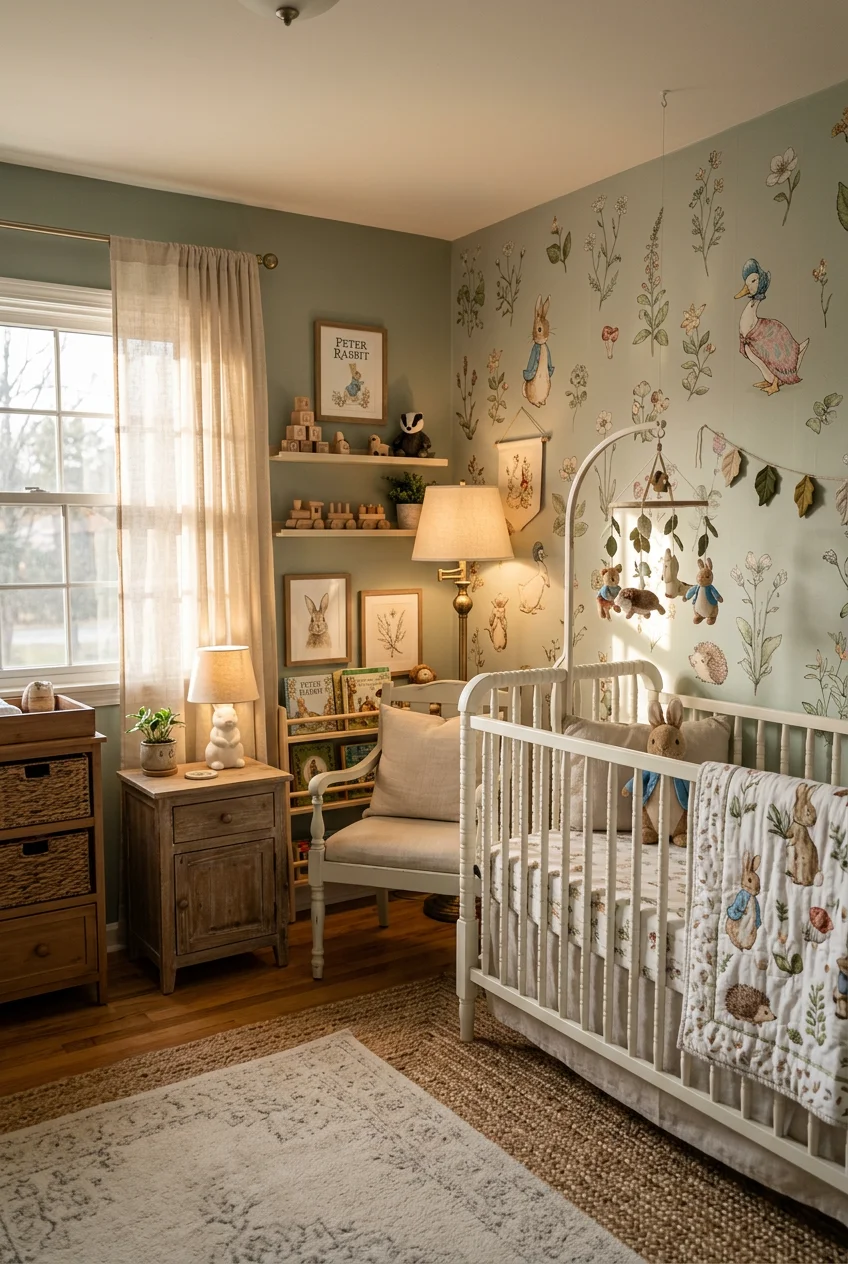
Most parents slap a 60-watt bulb in a ceiling dome and wonder why their newborn screams through every 2 AM diaper change. When planning Beatrix Potter nursery lighting, the biggest mistake is treating the room like a brightly lit kitchen instead of a quiet sanctuary. Lighting dictates sleep, mood, and tells a tiny human brain when it’s time to rest. A woodland theme needs woodland lighting. Which means soft, layered, and strictly controlled. If you only try one idea from this list, make it #9. Here’s why: swapping a standard white bulb for a red one during night feedings completely preserves melatonin production for both the baby and the parents. Trust me on this.
Skip this if your nursery design leans heavily into stark, ultra-modern minimalism. These lighting concepts rely on vintage textures, soft woodland motifs, and traditional fixtures. If you’re outfitting a sleek, high-tech room with sharp geometric lines and neon accents, this specific storybook aesthetic won’t fit.
1. Implement a Layered Lighting Approach

Relying on a single ceiling light is a rookie design flaw. Proper nursery lighting requires a layered approach, blending ambient, task, and accent sources. Rachel Zepernick from Angi recommends installing at least three distinct light sources in a baby’s room. You need one overhead fixture for general play, a dedicated reading lamp near the glider, and focused task lighting by the changing table. This strategy creates depth and prevents the harsh shadows that scare infants. When shopping at places like Target or HomeGoods, look for fixtures that serve specific zones rather than trying to illuminate the entire room with one bulb. The goal is to control the environment. When the sun goes down, you turn off the overhead and rely solely on the softer accent lights to signal that bedtime is approaching. Layered lighting makes a room feel custom and intentional. It also saves your sanity during late-night check-ins because you can flip on a low-wattage accent lamp without flooding the crib with blinding light.
Best for: comprehensive room overhauls.
The catch: buying three separate fixtures instead of one ceiling dome increases your overall budget and requires more available wall outlets.
2. Install Dimmable LED Fixtures Everywhere

Dimmer switches aren’t a luxury. They’re a strict requirement for a functional baby room. Installing dimmable LEDs lets you control the brightness levels based on the time of day. During active afternoon playtime, you want around 100 to 300 lux for general areas so the baby can clearly see high-contrast toys. But when transitioning to a nighttime routine, that same light needs to drop to a barely-there glow. LED bulbs are the only logical choice here. They produce almost zero heat, which is a major safety factor around curious toddlers. They also consume about 75 percent less electricity and last up to 25 times longer than standard incandescent bulbs. You can pick up a basic dimmer switch at Lowe’s or Home Depot, typically under $25, and it takes about twenty minutes to install if you know your way around a breaker box.
Best for: nurseries with strong natural afternoon light that need artificial evening control.
The catch: older homes might require an electrician to update the wiring before a modern dimmer switch will function properly without flickering.
3. Stick Strictly to Warm White Color Temperatures

The color temperature of your bulbs dictates the entire mood of the room. Cool, blue-toned lights belong in hospitals and office buildings, not in a cozy woodland nursery. You need to choose LED bulbs with a warm white color temperature, specifically landing between 2700K and 3000K on the Kelvin scale. This specific range mimics the soft, calming glow of natural evening sunlight. It visually warms up the room and signals the brain to start winding down. Cooler light temperatures, anything above 4000K, emit blue light waves that suppress melatonin. These harsh lights are overstimulating and will actively disrupt an infant’s fragile sleep patterns. When buying bulbs at Walmart or Kroger, always check the packaging for the exact Kelvin number. Don’t just trust labels that say “soft white” because brand definitions vary wildly. A woodland theme relies on earthy greens, soft browns, and warm creams. The 2700K light enhances these specific tones beautifully.
The catch: 2700K bulbs can make certain cool-toned paint colors, like icy blues or stark grays, look slightly muddy or green.

Criusia Drawer Organizer Clothes
Criusia Drawer Organizer Clothes is sturdier in person than the photos suggest — over 11 buyers gave it 4.5 stars.
4. Add Classic Beatrix Potter Nursery Lighting Ideas with Mood Lights

A subtle, themed nightlight is the easiest way to anchor the room’s aesthetic. The Peter Rabbit Character Shaped Mood Light from the official Peter Rabbit Shop is a solid example of doing this right. Typically priced around $30 to $50, it emits a soft, warm glow that provides just enough illumination to check on a sleeping baby without waking them. These molded plastic or silicone lights are lightweight, shatterproof, and usually run on batteries or a simple USB cord. Placing one on a floating shelf or a high dresser adds a distinct character element without overwhelming the space. It acts as both a functional light source and a piece of sculptural decor during the day. When designing a nursery, you want pieces that do double duty. A character light sitting on a stack of vintage books instantly communicates the theme. Just ensure it’s placed far out of reach of tiny hands.
Best for: tight budgets wanting a quick thematic impact.
The catch: battery-operated mood lights eat through AAs quickly if you forget to turn them off every morning.
5. Utilize Printed Paper Nightlights for a Soft Glow

If molded plastic isn’t your style, printed paper or fabric nightlights offer a much softer, more traditional texture. Pottery Barn Kids frequently stocks variations of the Peter Rabbit Nightlight. Their classic version measures exactly 1.75 inches wide by 2.5 inches deep and 4.25 inches high. Because the light filters through printed paper or frosted acrylic, it diffuses the harshness of the bulb completely. It leaves a subtle, warm wash of light against the wall. These plug directly into standard outlets, making them ideal for illuminating dark hallways leading to the nursery or the baseboards near the doorway. The artwork usually features classic Beatrix Potter watercolor illustrations, which perfectly matches the vintage storybook vibe. You can easily find similar handmade versions on Etsy if you want a specific character like Jemima Puddle-Duck. A plug-in nightlight is a low-commitment way to test out the theme. You might also like: 18 Simple Nursery Ideas Worth Trying
The catch: paper-based or acrylic plug-in lights are fragile and will crack or tear if accidentally kicked or hit with a vacuum cleaner.
6. Introduce Whimsical Mushroom Lamps for Woodland Charm

Nothing says “woodland forest” quite like a glowing mushroom sitting on a bedside table. Mushroom lamps are incredibly popular right now because they bridge the gap between playful novelty and actual design. Brands like Egmont Toys manufacture a hand-painted resin Small Mushroom Lamp that measures approximately 5.9 inches by 11 inches. Typically priced around $85, it emits a beautiful, dappled light through the holes in the mushroom cap. Oeuf NYC also makes the Le Small Mushroom Lamp with an integrated LED that provides a similarly cozy mood light. These lamps look like they were plucked straight out of Mr. McGregor’s garden. They add a heavy dose of texture and whimsy without relying on literal character faces. The dappled light effect is particularly soothing for infants to stare at as they drift off to sleep. You can often find budget-friendly dupes at stores like Target during the fall season. You might also like: 15 Whimsical Nursery Ideas That Actually Work
Best for: whimsical, nature-inspired nursery themes.
The catch: resin lamps are heavy and can shatter if pulled off a table, so they must be placed on high shelves securely out of a toddler’s reach.

Beautiful Wooden Baby Closet Dividers Set of 7
If you want something that just works, Beautiful Wooden Baby Closet Dividers Set of 7 – Double-Sided Organize is a safe bet (11 reviews, 4.5 stars).
7. Avoid the Harsh Overhead Lighting Mistake Completely

A glaring mistake most people make is relying on a single, harsh overhead light or exposed bulbs. Staring up at a naked 60-watt bulb is physically painful for an adult, so imagine how it feels for an infant lying flat on their back in a crib. It causes stress and actively disrupts their ability to settle down. Instead of a basic builder-grade dome, you need a diffused ceiling fixture. Look for drum shades covered in linen or frosted glass covers that scatter the light evenly across the ceiling. Another excellent alternative is indirect lighting. Installing simple LED strips hidden inside a ceiling cove or behind a piece of crown molding provides a soft, even wash of light without any direct glare hitting the baby’s eyes. If you’re stuck with a rental property and can’t change the hardwired ceiling fixture, simply ignore it. Use floor lamps and table lamps instead to create a comfortable environment. You might also like: 19 Toddler Room Girl for Every Budget
The catch: installing crown molding with hidden LED channels requires basic carpentry skills and a weekend of labor.
8. Add Magic with Smart Projector Night Lights

Projector lights take the concept of a mobile and project it directly onto the ceiling. The Trousselier Rotating Musical Star Projector Night Light featuring Beatrix Potter’s Peter Rabbit is a brilliant example of functional nursery tech. These devices project moving stars or woodland scenes across the ceiling while playing soft lullabies. The Trousselier model even includes a crying detector that automatically turns the soothing lights and sounds back on if the baby wakes up fussing. It creates an immersive, enchanting experience that distracts and calms a restless infant. You get the visual stimulation of a mobile without the strangulation hazard of hanging strings over the crib. When setting up a projector, placement is everything. You need to position it on a low table in the center of the room to get the best ceiling coverage. If you put it too close to a wall, the projected images will distort.
The catch: the internal motors on rotating projectors often develop a faint clicking or whirring noise over time, which might annoy light sleepers.
9. Utilize the Red Light Trick for Nighttime Care

This is the most critical lighting advice you’ll ever receive for a nursery. For late-night feedings or 3 AM diaper blowouts, use a very dim red or yellowish-orange light. Scientifically, red light is the least disruptive wavelength to melatonin production and human sleep cycles. If you flip on a bright white bathroom light, your brain immediately thinks it’s morning. A red light allows you to see enough to clean up a mess without waking the baby up fully. You can buy cheap plug-in spotlights with red bulbs or smart LED bulbs that change colors via a phone app. Keep one specifically stationed right above the changing pad. It feels a bit like developing film in a darkroom, but the sleep benefits completely outweigh the strange visual aesthetic. Simply swap out the bulb in a cheap Target desk lamp with a red LED, and you’ve got an instant, sleep-saving tool.
Best for: parents who struggle to get their baby back to sleep after a night waking.
The catch: red light severely distorts color, making it somewhat difficult to distinguish between a wet diaper and a dirty one in the middle of the night.

Night Lights, White Noise Machine
A dependable everyday pick — Night Lights pulls in 246 ratings at 4.5 stars. Not flashy, just solid.
10. Source Vintage Wedgwood Ceramic Lamps

Incorporating actual vintage pieces prevents a themed room from looking like a generic catalog spread. Vintage Wedgwood ceramic Peter Rabbit lamps add genuine classic charm and a sense of history. You can usually find these pre-owned on platforms like eBay or antique sites, typically ranging from $35 to $75 depending on the condition and whether they still have the original pleated shade. The ceramic bases feature the original, delicate Beatrix Potter watercolor illustrations baked right into the glaze. These lamps are heavy, sturdy, and serve as beautiful heirloom pieces that can eventually be passed down. They provide excellent task lighting when placed on a side table next to a nursing chair. Rewiring a lamp is a simple DIY project that requires a basic $15 kit from a hardware store, but it’s an extra step you must account for. Pairing a vintage ceramic base with a modern, crisp linen drum shade updates the look perfectly.
The catch: vintage lamps often have old, brittle wiring that poses a fire hazard and must be rewired before you can safely plug them in.
11. Find Watercolor Accent Lamps on Etsy

If hunting for vintage Wedgwood feels too time-consuming, independent creators offer brilliant alternatives. Etsy is packed with custom lighting options, specifically vintage watercolor Beatrix Potter Peter Rabbit nursery accent lamps. These typically range from $39 to $72. Sellers often use decoupage techniques to apply high-quality prints of Jemima Puddle-Duck, Mrs. Tiggy-Winkle, or Peter Rabbit onto simple wooden or ceramic bases. The result is a custom piece of functional art. Because they’re handmade, you can often request specific colors for the lamp base to perfectly match your nursery’s trim or curtain fabric. Always read the seller’s reviews to ensure the decoupage finish is smooth and properly sealed against moisture. A humid room or a spilled bottle can quickly ruin an unsealed paper finish. These smaller accent lamps are perfect for sitting on a high bookshelf, adding a soft pocket of light to a dark corner without taking up valuable real estate.
The catch: handmade items from independent sellers often take weeks to ship, so this isn’t a quick fix if your due date is rapidly approaching.
12. Install Wall Sconces for Gentle Task Lighting

Floor lamps take up valuable floor space, and table lamps take up valuable dresser space. Wall sconces solve both problems instantly. Placing shaded wall sconces on either side of the changing table or right above the glider provides focused, gentle light exactly where you need it. This aligns perfectly with modern, minimalist nursery designs where reducing clutter is the main goal. Sconces direct the light downward or upward against the wall, completely eliminating the harsh glare that bothers a baby’s eyes. You can find plug-in sconces that don’t require hardwiring, which is a massive relief for anyone who doesn’t want to cut holes in their drywall. When browsing for sconces at places like Wayfair or Lowe’s, look for brass or matte black finishes to ground the soft pastel colors of a Beatrix Potter theme. A brass sconce with a pleated fabric shade looks incredibly traditional and high-end.
Best for: small nurseries where floor and surface space are extremely limited.
The catch: plug-in sconces leave a visible cord hanging down the wall, which requires a plastic cord cover to look tidy and remain safe.

Baby Closet Divider, Baby Wardrobe Organizer
Baby Closet Divider has been one of the most consistently praised picks in this category. 371 reviewers averaged 4.5/5.
13. Maximize Natural Light During the Day

Artificial lighting is only half the battle. Allowing ample natural light into the nursery during the day is crucial for establishing and regulating a newborn’s sleep-wake rhythm. Open the blinds completely every morning. Let the sun pour over the crib and the play rug. This exposure to bright, natural daylight suppresses daytime melatonin and helps the baby understand the difference between day and night. However, you must complement this with heavy-duty blackout curtains or cellular shades for naptime. The room needs to transition from a sunlit meadow to a pitch-black cave in a matter of seconds to facilitate deep, restorative daytime naps. Never rely on cheap tension rods for heavy blackout drapes. When selecting window treatments, look for natural linen textures in soft oatmeals or sage greens to maintain the woodland aesthetic. You can easily find high-quality blackout panels at Target or Pottery Barn.
The catch: true blackout curtains are heavy and require sturdy, wall-anchored curtain rods, otherwise the weight will rip standard brackets right out of the drywall.
14. Choose Light-Reflecting Wall Colors

Dark, moody nurseries are trendy on social media, but they require a massive amount of artificial light to feel functional. Instead, opt for soft white, pale pastel, cream, or ivory wall colors. These light-neutral tones naturally amplify whatever light is available in the room. A pale cream wall acts like a giant reflector, bouncing the sunlight from the window into the darkest corners of the room. This approach makes a small, cramped space feel significantly brighter, more open, and inviting. It also provides the perfect blank canvas for hanging colorful Beatrix Potter artwork or decals without making the walls look cluttered. To combat the mess, always choose an eggshell or satin paint finish rather than a flat matte. Eggshell reflects light beautifully and allows you to wipe away stains with a damp cloth. A soft ivory wall paired with a warm 2700K LED bulb creates a golden, buttery glow.
Best for: north-facing rooms that receive very little direct sunlight during the day.
The catch: pale walls show every single smudge, fingerprint, and rogue crayon mark, requiring frequent touch-ups as the baby grows into a toddler.
15. Avoid the Trap of Over-Theming with Lighting

While a woodland theme is wonderful, a common mistake is feeling the need to make every single fixture explicitly character-shaped. You don’t need a Peter Rabbit lamp on the dresser, a Jemima Puddle-Duck sconce on the wall, and a Mr. McGregor ceiling fan. That level of literal theming creates an overstimulating environment and looks incredibly outdated by the time the child turns three. Instead, balance one or two key themed pieces with complementary natural fixtures. A single themed nightlight paired with a classic brass floor lamp and a woven rattan ceiling pendant evokes the same whimsical, woodland feel without looking like a theme park gift shop. It’s much easier to buy a matching set off a shelf, but curated rooms always look better. Treat the Beatrix Potter elements as accents, not the main foundation. A simple, beautifully constructed wood-turned lamp base from a store like West Elm brings in the natural forest element subtly. I learned that the hard way.
The catch: finding the exact right balance between themed novelty and classic design takes restraint and a lot of editing.

Criusia Over the Door Organizer
Criusia Over the Door Organizer punches above its price — 247 buyers rated it 4.5 stars. The kind of pick people reorder.
16. Secure Cords and Prioritize Fixture Safety

Nursery lighting safety is non-negotiable. You must securely mount all light fixtures and obsessively tuck away every single lamp cord. Dangling wires pose a severe strangulation risk the second a baby learns to crawl or pull themselves up to a standing position. Never place table lamps near the edges of shelves or dressers where a toddler can easily grab the cord and pull a heavy ceramic base down onto their head. Use heavy-duty plastic cord concealers that adhere directly to the baseboards to hide any slack from plug-in sconces or floor lamps. Move all floor lamps directly behind heavy furniture like the glider so they can’t be tipped over. Also, physically inspect every vintage or handmade lamp you purchase. If the plug looks frayed or the prongs are loose, don’t use it until it’s repaired. Safety always supersedes aesthetics, especially in a child’s room.
The catch: adhesive cord concealers often peel the paint off the baseboards when you eventually try to remove them.
17. Future-Proof with Beatrix Potter Nursery Lighting Ideas

Babies outgrow their nurseries in the blink of an eye. You need to invest in lighting solutions that can adapt as your child grows from a newborn into a chaotic toddler. This means prioritizing dimmable lamps and adjustable fixtures with articulating arms. A soft, gentle wall sconce used for late-night nursing can eventually be angled downward to serve as a focused reading light over a toddler bed. A stylish, neutral floor lamp will easily transition into a big-kid room, whereas a giant plastic bunny lamp will likely end up in a donation bin. Buy quality, adjustable fixtures that serve multiple purposes over a ten-year span. Honestly, the slightly more expensive version is the smarter buy because you only purchase it once. Look for fixtures with heavy, weighted bases and sturdy metal joints that can withstand a bit of rough handling.
Best for: practical parents who refuse to completely redecorate a room every two years.
The catch: high-quality, adjustable brass or steel fixtures cost significantly more upfront than cheap, static plastic lamps.
How we chose these ideas: I evaluated these lighting concepts based on renter-friendliness, overall cost, ease of installation, and long-term visual impact. The focus remained on finding practical, accessible fixtures that balance the specific woodland aesthetic with strict safety and sleep-hygiene standards.
Creating a calming, functional space doesn’t require a massive budget, just smart choices. Stick to warm bulbs, hide your cords, and embrace the power of a dim red light. If you found these lighting tips helpful, pin this article to your nursery design board so you can reference the specific bulb temperatures and safety guidelines when you finally hit the hardware store. No exaggeration, it’ll save you so much stress.
Frequently Asked Questions
What color temperature is best for nursery lighting?
Always choose warm white LED bulbs between 2700K and 3000K. This soft, golden glow mimics evening sunlight, which helps signal to the baby’s brain that it’s time to wind down. Avoid cool tones above 4000K, as they suppress melatonin.
Are projector nightlights safe for newborns?
Yes, projector nightlights are safe and provide excellent visual stimulation without the strangulation risk of a hanging mobile. Just ensure the projector is placed securely on a flat surface out of the baby’s reach and the cord is hidden.
Why should I use a red light in the nursery?
Red light is the least disruptive wavelength to human sleep cycles. Using a dim red bulb for late-night diaper changes allows you to see what you’re doing without halting the baby’s melatonin production, making it easier to get them back to sleep.
How do I make a Beatrix Potter theme look modern?
Avoid making every fixture a literal character shape. Balance one or two themed pieces, like a Peter Rabbit nightlight, with classic brass sconces, woven rattan pendants, and light-reflecting cream walls. This keeps the room whimsical but sophisticated.
