What’s Inside
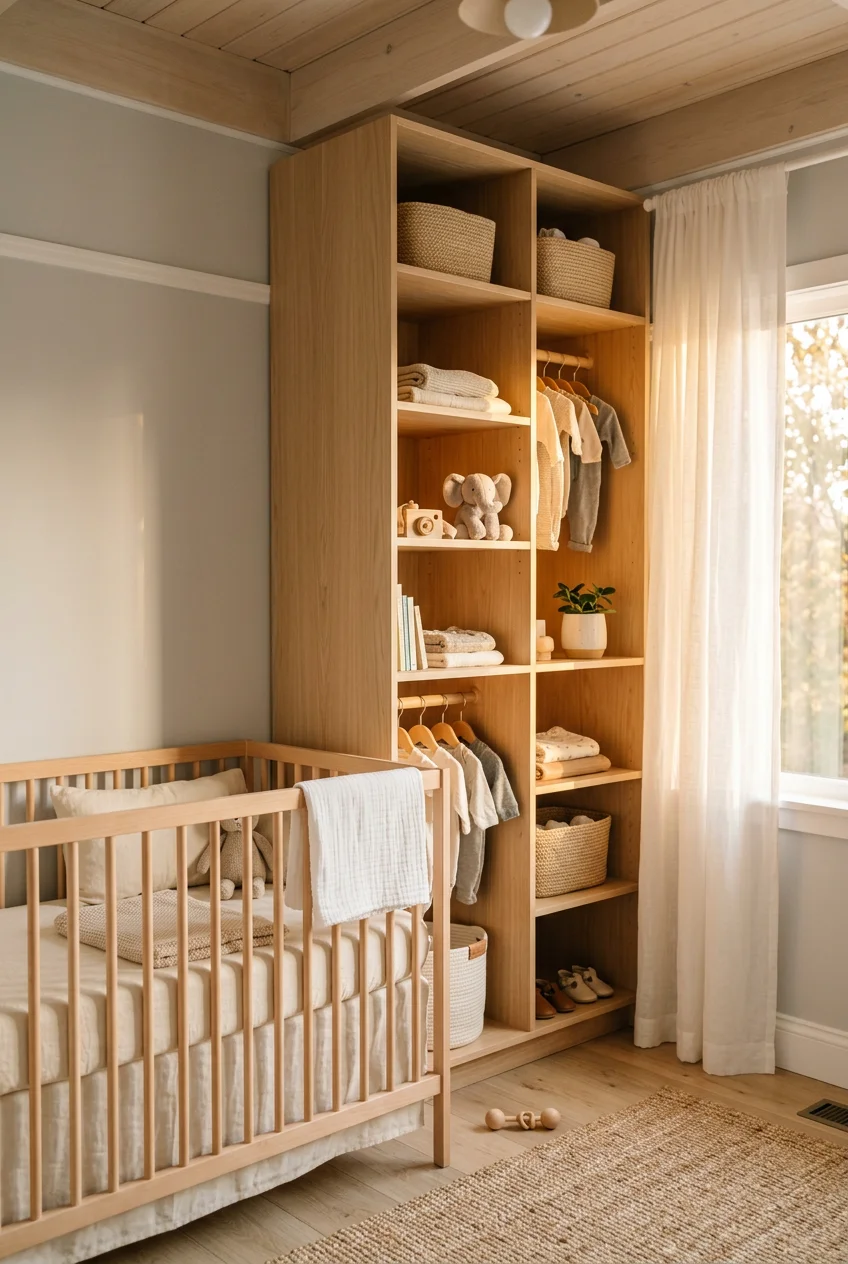
- Adjustable Rods: The Best of Closet Small Nursery Ideas
- Implement the File Fold Method in Drawers
- Utilize the Back of the Door for Hidden Storage
- Sort and Label Everything by Size
- Incorporate Cube Organizers on the Floor
- Invest in Slim Profile Velvet Hangers
- Install Acrylic Shelf Dividers for Structure
- Implement Future Sizes Zones for Closet Small Nursery Ideas
- Put a Small Dresser Inside the Closet
- Opt for Natural Materials for Baskets
- Install Wireless LED Puck Lights
- Roll in a Utility Cart for Diapering
- Remove the Closet Doors Entirely
- Use Modular Systems for Closet Small Nursery Ideas
- Use Hanging Sweater Organizers for Blankets
- Mount a Pegboard on the Side Wall
- Swap Doors for Ceiling-Mounted Curtains
- Store Tiny Shoes in Clear Bins
- Utilize Vacuum Bags on the Highest Shelves
- Add Over-the-Rod Labeling Tags
Most parents look at a standard 3-foot closet rod, hang ten tiny onesies, and wonder why the space feels both empty and useless. Making a small nursery closet work isn’t about buying matching velvet hangers. It’s about using vertical space and building systems that adapt as your baby grows. If you only try one thing, do #1. Doubling your hanging space fixes the biggest flaw in standard closets instantly, costs less than a pack of diapers, and requires zero tools. Trust me.
Skip this list if you have a huge walk-in closet. These tips are for standard reach-in closets, cramped apartments, and awkward nooks where every inch counts.
1. Adjustable Rods: The Best of Closet Small Nursery Ideas

Most closets have a single rod at 65 inches high. Hanging newborn clothes there leaves four feet of empty air below. Installing a second adjustable rod doubles your space. Brands like ClosetMaid have tension or hanging systems for $20 to $50. You can hang onesies on top and sleepers on the bottom. Organizers at The Container Store use these to maximize vertical real estate. Custom systems like Elfa are flexible but pricier. Just snap the hooks over your existing rod to fix the issue.
Best for: Renters who can’t drill into walls.
The catch: If you don’t measure the drop length, the bottom row of clothes will drag on the floor.
2. Implement the File Fold Method in Drawers

Stacking baby clothes means the stuff at the bottom stays buried. The file fold method uses small 3-inch bundles that stand upright. You can see every item at a glance and won’t lose tiny socks. It’s perfect for onesies, pajamas, and pants. A 15-inch deep drawer holds three rows of these bundles. It turns a chaotic jumble into a clean, visible grid.
The catch: This takes more time on laundry day and wrinkles thicker fabrics like linen.
3. Utilize the Back of the Door for Hidden Storage

The inside of a closet door is prime real estate. An over-the-door organizer with clear pockets keeps small items accessible. The Univivi Over Door Hanging Organizer ($15 to $30) holds bibs, hats, and backup diaper cream. Clear pockets mean you aren’t digging through bins at 2 AM. It keeps your shelves clear for bulky things like humidifiers or boxes of wipes.
The catch: If you overstuff pockets with thick blankets, the door won’t close right.

Baby Closet Divider, Baby Wardrobe Organizer
Baby Closet Divider punches above its price — 371 buyers rated it 4.5 stars. The kind of pick people reorder.
4. Sort and Label Everything by Size

Babies outgrow clothes in weeks. Mixing sizes creates daily frustration. Use closet dividers to separate clothes by age. The Minnebaby 42-Piece Nursery Organizer ($40 to $60) includes 7 dividers. For bins, printable labels like ‘Swaddles’ or ‘Next Size Up’ stop you from misplacing things. Sorting this way makes finding an outfit fast. You won’t be digging through 9-month sweaters looking for a newborn onesie.
The catch: Plastic ring dividers often snap or slide if you have a thick wooden rod.
5. Incorporate Cube Organizers on the Floor

Don’t leave the floor empty. A low cube storage unit adds space for bulky items. The IKEA KALLAX series has 13-inch cubbies perfect for toys or extra diapers. A 2×2 unit costs $35 to $50. Sliding fabric bins into the cubbies hides the clutter of bright toys. It looks intentional rather than like a dumping ground for boxes.
Best for: Tight budgets needing fast storage.
The catch: A deep unit pushes against the door frame, making it hard to reach the back corners.
6. Invest in Slim Profile Velvet Hangers

Thick plastic or wooden hangers hog horizontal space. Ultra-slim velvet hangers let you fit nearly twice as many outfits. A pack of 50 child-sized hangers costs $15 to $25 at Target or Walmart. The velvet grips fabric, so silk or cotton dresses don’t slide off. Plus, the uniform look makes the closet feel less chaotic.
The catch: The grip makes it slightly annoying to pull clothes off with one hand while holding a squirming baby. You might also like: 18 Toddler Room Inspiration Worth Trying

Beautiful Wooden Baby Closet Dividers Set of 7
If you want something that just works, Beautiful Wooden Baby Closet Dividers Set of 7 – Double-Sided Organize is a safe bet (11 reviews, 4.5 stars).
7. Install Acrylic Shelf Dividers for Structure

Deep shelves become messy piles of toppling blankets. Acrylic shelf dividers create rigid sections. A set of four costs $10 to $20. Sliding these onto a 3/4-inch wood shelf keeps stacks of burp cloths vertical. It looks polished and costs way less than custom cubbies. You won’t have an avalanche of swaddles every time you grab one. You might also like: 16 Toddler Boy Room Themes That Actually Work
The catch: These only fit solid wood or MDF shelves. They won’t work on wire shelving. You might also like: 15 Toddler Girl Room Decorating Ideas You Need to See
8. Implement Future Sizes Zones for Closet Small Nursery Ideas

A common error is mixing gifted 12-month clothes with the current rotation. Use a bin for clothes that are too big and keep it on the highest shelf. The mDesign Stackable Fabric Storage Organizer ($10 to $15) works great up there. Label it ‘6 to 9 Months’ so you know when to pull it down. Keeping these out of the daily rotation stops you from sifting through clothes the baby can’t wear yet.
The catch: If the bin is out of sight, it’s easy to forget about the clothes until the baby outgrows them.
9. Put a Small Dresser Inside the Closet

If you have no floor space in the nursery, move the dresser into the closet. A compact 3-drawer dresser fits inside most 60-inch closets. Remove the doors so the drawers are accessible. The top of the dresser can even serve as a changing station with a 32-inch pad. This puts all clothing and diapering in one zone, keeping the mess behind closed doors.
The catch: A wide piece of furniture blocks the bottom side corners, creating dead space.

Criusia Over the Door Organizer
Criusia Over the Door Organizer is sturdier in person than the photos suggest — over 247 buyers gave it 4.5 stars.
10. Opt for Natural Materials for Baskets

Plastic bins look cold. Woven rattan, jute, or wicker adds warmth and durability. Target’s Threshold or Hearth & Hand lines have baskets from $15 to $50. Matching 12-inch rattan baskets on a shelf hide wipe dispensers and pump parts. Natural fibers feel earthy and ground the room.
The catch: Unlined wicker can have sharp bits that snag delicate knits.
11. Install Wireless LED Puck Lights

Closets rarely have lights. Staring into a dark closet during a 3 AM blowout is miserable. Battery-operated LED puck lights provide visibility without an electrician. A multi-pack costs $15 to $30 at Home Depot. Stick them to the ceiling or under a shelf. The soft glow won’t startle the baby.
Best for: Small, dark rooms.
The catch: Adhesive often fails in humidity, and you’ll burn through AA batteries if you forget to turn them off.
12. Roll in a Utility Cart for Diapering

Keeping diaper supplies on a shelf isn’t always practical. A rolling cart holds wipes, creams, and diapers. The IKEA RÅSKOG ($30 to $40) is 13 3/4 inches wide, so it tucks into the closet corner. Roll it to the crib for late-night changes, then push it back to hide the mess. The metal tiers wipe down easily if a bottle spills.
The catch: You need clear floor space to roll it in and out.

Criusia Drawer Organizer Clothes
If you want something that just works, Criusia Drawer Organizer Clothes is a safe bet (11 reviews, 4.5 stars).
13. Remove the Closet Doors Entirely

Heavy doors make a small room feel cramped. Take the doors off to create an open wardrobe that expands the nursery visually. It forces you to stay organized because everything is on display. You can paint the inside a cool color to make it a design feature. It also gets rid of the risk of pinched fingers.
Best for: Extremely small nurseries.
The catch: Without doors, one messy shelf makes the whole room look chaotic.
14. Use Modular Systems for Closet Small Nursery Ideas

A baby’s needs change from month one to year three. Permanent wooden shelves don’t adapt. Modular systems let you adjust shelf heights and move rods as clothes get bigger. ClosetMaid wire kits run $100 to $300, while Elfa systems cost $500 to over $2000. These prevent costly overhauls later. You just unclip a shelf to make room for winter coats.
The catch: Installing a track system means drilling holes, so you’ll have to patch and paint if you move.
15. Use Hanging Sweater Organizers for Blankets

Winter blankets take up too much drawer space. A hanging sweater organizer uses the vertical drop space. The mDesign Fabric Hanging Organizer ($15 to $25) has six cubbies for rolled blankets. It attaches to the rod with a velcro strap and needs no tools. It won’t scratch the rod, and it folds flat when you’re done.
The catch: These sag if you load them with heavy denim or huge stacks of wipes.

SNSLXH 5 Pack Stackable Closet Storage Basket
SNSLXH 5 Pack Stackable Closet Storage Basket is sturdier in person than the photos suggest — over 41 buyers gave it 4.5 stars.
16. Mount a Pegboard on the Side Wall

The shallow side walls are usually ignored. Mounting a 24×24 inch pegboard creates a custom storage zone. Use metal hooks for tiny shoes, bows, or baskets of pacifiers. You can find white pegboards at Lowe’s for under $20. It keeps small accessories off the main shelves. Paint it to match the walls for a custom look.
The catch: Standard hooks fall out easily, so buy specialized locking pegs.
17. Swap Doors for Ceiling-Mounted Curtains

If removing doors leaves the space feeling too exposed, a curtain is a softer alternative. A ceiling-mounted track lets a linen curtain glide across the opening. A setup from Walmart or IKEA costs $40 to $80. It adds texture and hides clutter without the loud clanking of bifold doors. Plus, you can take the curtain down to wash it.
The catch: Curtains don’t block noise, and a crawling infant will pull them down if they aren’t secured.
18. Store Tiny Shoes in Clear Bins

Baby shoes are cute but hard to keep organized. Tossing them in a basket means digging for a match. Clear acrylic shoe boxes stack neatly and keep pairs together. The Container Store has drop-front boxes so you can grab a pair without unstacking everything. A set of six costs $30 to $50. Clear plastic lets you see the style instantly.
The catch: Rigid boxes take up more space than just lining shoes on a shelf.
19. Utilize Vacuum Bags on the Highest Shelves

The top shelf is useless for daily items. It’s perfect for out-of-season gear or keepsakes. Vacuum-sealed bags shrink winter coats or maternity clothes to a fraction of their size. A multi-pack costs under $25. This frees up lower shelves for things you need every day. Watching a pile of winter gear shrink into a flat brick is satisfying. Learned that the hard way.
The catch: You need a step stool and a vacuum cleaner every time you need to open a bag.
20. Add Over-the-Rod Labeling Tags

When multiple people put away laundry, the system falls apart. Tags ensure everyone knows where the 3-month sleepers go. You can buy blank plastic tags that snap onto the rod for under $15. Writing instructions on the rod prevents grandparents or babysitters from stuffing pants in the shirt section. It’s a foolproof map for your closet. You won’t have to spend your Sunday reorganizing.
Best for: Homes with multiple caregivers.
The catch: Plastic tags rattle against metal hangers every time you slide clothes.
How we chose these ideas: We looked at renter-friendliness, cost, effort, and adaptability. The focus was on systems that adjust as clothing sizes change from newborn to toddler.
Keeping a tiny nursery functional requires ruthless organization and a willingness to ditch traditional setups. Start with adjustable rods and clear bins before buying expensive custom shelving. It took me years to figure out. Save this page to your nursery Pinterest board so you have the measurements and brands handy when you’re in the storage aisle.
Frequently Asked Questions
How do I organize a small nursery closet on a budget?
Focus on vertical space first. Add a tension rod to double your hanging capacity, and use budget-friendly fabric bins from stores like Target or Walmart for high shelves. You don’t need custom wood built-ins to make the space functional.
Should I remove the doors for my closet small nursery ideas?
Removing doors makes a tight room feel larger and prevents pinched fingers. It’s an excellent strategy if you use attractive bins and keep shelves tidy. The catch is that you can’t hide visual clutter when guests visit.
How do I store bulky baby blankets in a small closet?
Roll them tightly and store them in a hanging fabric sweater organizer attached to the rod. This utilizes the empty vertical drop space between shelves and keeps thick blankets from consuming all your valuable dresser drawer space.
What is the file fold method for baby clothes?
It involves folding tiny clothes into compact 3-inch bundles that stand upright in a drawer or bin. This lets you see every onesie at a glance without digging through stacks, though it does cause wrinkles in thicker fabrics.
