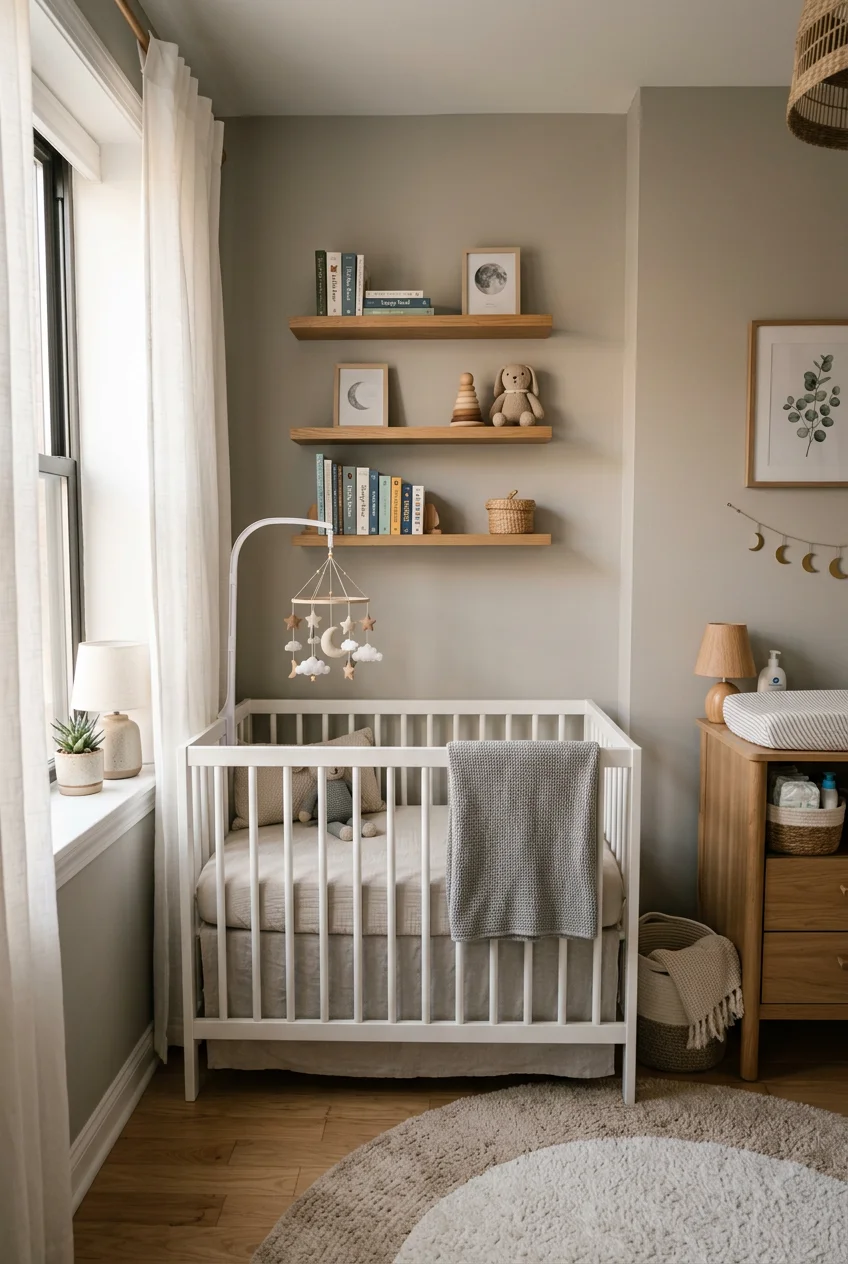
What’s Inside
- Embrace the Mini Crib for Maximum Space-Saving
- Smart Baby Nursery Ideas Small Room: Multi-Functional Cribs
- Utilize Vertical Space with Floating Shelves
- Opt for a Wall-Mounted Changing Station
- Choose a Dresser with a Removable Topper
- Implement Under-Crib Storage Solutions
- Prioritize Neutral and Earthy Color Palettes
- Maximize Closet Space with Smart Organizers
- Incorporate Mirrors to Create an Illusion of Space
- Choose a Slim-Profile Glider or Rocking Chair
- Implement Layered Lighting for Ambiance
- Designate Zones for Functionality
- Avoid Over-Theming and Maximalist Patterns
- Secure All Furniture to Walls
- Best Baby Nursery Ideas Small Room Trick: The Rolling Cart
- Utilize Behind-the-Door Storage Systems
I stood in the middle of our 8×10 spare bedroom last Tuesday holding a tape measure and crying. The $600 standard crib I bought at Target wouldn’t fit through the door frame, and even if it did, it blocked the closet entirely. When you need baby nursery ideas small room layouts actually support, the standard Pinterest advice fails completely. I spent three months trying to force oversized furniture into a tiny box before I figured out the mathematical reality of micro-nurseries. As a design consultant, I see parents make this same spatial error every single week. They buy massive, single-use pieces that look pretty online but create a claustrophobic nightmare in person. Let’s look at the exact dimensions, specific products, and hard lessons that make a tiny space functional without losing your mind. I’m going to walk you through exactly what works, what doesn’t, and how to stop tripping over your own furniture at 3 AM.
1. Embrace the Mini Crib for Maximum Space-Saving

A standard crib eats up roughly 10 square feet of floor space. In an 80-square-foot room, that’s over 10 percent of your total real estate gone instantly. I recommend the Delta Children Emery Mini Convertible Baby Crib. It costs exactly $149.99 on Amazon and takes up significantly less space. The mattress measures 24 by 38 inches. A standard crib mattress is 28 by 52 inches. That 14-inch difference in length is what allows you to actually open the bedroom door all the way. I bought the Babyletto Origami Foldable Mini Crib for $349 last year for a client’s condo in Seattle. The wood feels solid, not flimsy like cheap particle board, and the locking casters mean she can wheel it into the hallway when she needs to vacuum. Don’t buy a standard crib if your room is under 100 square feet. It just creates a traffic jam. I tried this wrong for months before figuring it out. Took me years to figure out. A mini crib gives you your floor back.
2. Smart Baby Nursery Ideas Small Room: Multi-Functional Cribs

Single-use baby furniture is a financial trap. You buy a bassinet, then a crib, then a toddler bed. In a tight space, you end up storing the outgrown pieces in your hallway. The Graco Teddi 4-in-1 Convertible Mini Crib solves this entirely. It costs $199.99 at Target. It starts as a mini crib with a high mattress setting for newborns. When the baby sits up, you lower the mattress. Eventually, it converts into a twin bed. I tried to use a standalone bassinet with my first child. It tripped me every night at 3 AM. The metal legs were cold and sharp against my shins. The Teddi crib avoids this because it stays in one designated corner forever. The mattress support is a metal spring base, which breathes better than solid MDF boards. If you want smart baby nursery ideas small room designs require pieces that earn their square footage over a span of five years, not five months. Skip the temporary beds.
3. Utilize Vertical Space with Floating Shelves

Floor space is finite. Wall space is usually empty. I learned this the hard way when I tried to fit a standalone bookcase into my daughter’s room. It blocked the only heating vent. The room smelled like dusty, overheated wood all winter. I eventually threw it out and drove to IKEA. I bought four of their LACK wall shelves. The 11.75 by 10.25 inch size costs exactly $14.99 each. I mounted them vertically next to the window. They hold 4-ounce glass baby bottles, a stack of 10 board books, and a small container of zinc oxide diaper cream. The shelves have hidden mounting hardware, so they look clean and flush against the drywall. Make sure you use heavy-duty drywall anchors. The ones included in the box are useless plastic that will pull out of the wall under the weight of heavy hardback books. I buy my heavy-duty metal toggle bolts at Walmart for $4.98 a pack. They hold 50 pounds each.

JolyWell Night Light for Kids
If you want something that just works, JolyWell Night Light for Kids is a safe bet (51 reviews, 4.5 stars).
4. Opt for a Wall-Mounted Changing Station

You don’t need a massive changing table. I spent months wrestling my toddler on a huge wooden changing table that took up a third of the room. It was a massive waste of space. For extremely tight spaces, I recommend the Koala Kare KB200 Horizontal Wall Mounted Baby Changing Station. Yes, it’s the commercial one you see in restaurants. It costs $254.85. It supports 200 pounds and folds completely flat against the wall when you aren’t using it. The high-density polyethylene plastic wipes down cleanly with a damp cloth. If you want something softer for home use, the BEKA Diaper Changing Station is $89.99. It folds up and slides right into the 4-inch gap between the crib and the wall. I keep a stack of Costco Kirkland Signature baby wipes (the 900-count box for $21.99) on a nearby shelf. You pull the table down, change the diaper, and fold it away. Your floor space immediately returns.
5. Choose a Dresser with a Removable Topper

If you absolutely must have a piece of furniture for changing diapers, make it a dresser. A dedicated changing table with open shelves just becomes a magnet for dust and dog hair. I had an open-shelf changer and I spent twenty minutes a week vacuuming dog fur off the clean burp cloths. Buy a dresser and add a removable changing pad topper. The Babyletto Swell Changing Table is actually a 3-drawer dresser. It costs $399. It measures 34.8 inches wide by 18.8 inches deep. The top tray holds a standard 32-inch changing pad. When your kid is potty trained, you unscrew the top tray. Now you have a normal dresser. The drawers operate on smooth metal glides. They don’t stick or screech when you open them with one hand while holding a squirming infant in the other. I organize the top drawer with small wooden crates I found at Sprouts for $4.99 each. They hold the tiny 2-ounce tubes of Aquaphor perfectly.
6. Implement Under-Crib Storage Solutions

The 6-inch gap under your baby’s crib is prime real estate. Leaving it empty is a rookie mistake. I used to just shove loose blankets under there, which meant they came out smelling like stale dust bunnies. Now I use rigid, breathable fabric bins. You can buy the Delta Children Under Crib Roll-Out Storage bins for $34.99. They measure 24 by 24 by 6 inches. They have small plastic wheels that roll smoothly over low-pile carpet. I use one bin for outgrown clothes and another for bulky winter sweaters. Some premium cribs from Nestig actually come with built-in wooden drawers, but those run upwards of $700. The rolling bins are a cheaper, highly functional alternative. I also store my overflow bulk items down there. When I buy the 192-count boxes of Pampers Swaddlers from Walmart, the extra sleeves fit perfectly in the rolling bins. It keeps the closet from overflowing and hides the ugly plastic packaging from view. You might also like: 20 Small Baby Room Ideas That Actually Work

Criusia Over the Door Organizer
A dependable everyday pick — Criusia Over the Door Organizer pulls in 231 ratings at 4.5 stars. Not flashy, just solid.
7. Prioritize Neutral and Earthy Color Palettes

Dark colors absorb light and make small rooms feel like a cave. I painted a tiny nursery navy blue once. It felt like walking into a submarine. The air felt heavy. The 2026 trend is moving toward earthy, neutral shades. These colors bounce natural light around the room. I recommend Benjamin Moore Saybrook Sage HC-114. A gallon of their Regal Select interior paint costs about $74.99. It’s a soft, muted green with gray undertones. It doesn’t scream baby room. It just feels calm. When the afternoon sun hits it, the room warms up beautifully. If green isn’t your style, try a mushroom taupe or a creamy chalk white. These shades blur the sharp corners of a small room, creating an optical illusion of expansiveness. Skip the high-gloss finishes. They reflect glare from your lamps and highlight every single drywall imperfection. Stick to an eggshell finish. It wipes clean with a wet paper towel but doesn’t look like a shiny plastic box. You might also like: 20 Toddler Boys Room You Need to See
8. Maximize Closet Space with Smart Organizers

Most standard closets have a single hanging rod placed 65 inches off the floor. Baby clothes are 12 inches long. That leaves four feet of wasted vertical space underneath. It’s infuriating. I spent my first six months as a mom digging through a chaotic pile of onesies on the closet floor. You need to install a second hanging rod. Target sells the Brightroom Adjustable Closet Rod for $16.00. It simply hangs from your existing rod and adds a second tier of hanging space instantly. No tools required. Next, get a hanging fabric cubby organizer for the tiny items. I put one right in the middle of the rod. It holds 3-pack boxes of baby socks, small muslin swaddles, and extra crib sheets. On the back of the closet door, I hang a $12 shoe organizer. I don’t use it for shoes. I use the clear plastic pockets to hold 8-ounce bottles of baby lotion, nasal aspirators, and digital thermometers. You might also like: 18 Vintage Nursery Ideas You Need to See
9. Incorporate Mirrors to Create an Illusion of Space

Mirrors are the oldest interior design trick in the book, but people forget to use them in nurseries. A solid wall stops the eye. A mirror extends it. I bought a 30-inch round brass mirror from Target for $60. I hung it directly across from the room’s single, narrow window. The difference was immediate. The mirror catches the morning light and throws it into the dark corners of the room. It visually doubles the square footage. However, you have to secure it properly. Don’t just hang a heavy glass mirror on a single nail. If you bump the wall hard enough, it will crash down. I use the OOK 50-pound picture hanging hooks, which cost $3.48 at Home Depot. I also apply a 4-inch strip of 3M double-sided foam tape to the bottom edge of the mirror frame. This sticks it firmly to the drywall so it won’t swing or rattle when you close the door.

Criusia Drawer Organizer Clothes
If you want something that just works, Criusia Drawer Organizer Clothes is a safe bet (11 reviews, 4.5 stars).
10. Choose a Slim-Profile Glider or Rocking Chair

Don’t buy a massive, overstuffed recliner for a 10×10 room. I made this mistake with my son. I bought a velvet behemoth that took up a quarter of the floor space. I couldn’t fully recline it without hitting the crib, and the velvet trapped the smell of spit-up for months. You need a slim-profile chair. The Babyletto Tuba Swivel Glider is an excellent option, though it’s pricey at $499. It has a high back for neck support but a narrow 26-inch footprint. The fabric is a stain-resistant microsuede. If you spill a 4-ounce bottle of formula, it beads up on the surface instead of soaking into the cushion. You just wipe it off. I also like the DaVinci Olive Upholstered Swivel Glider, which runs about $299. It glides smoothly without making that awful metallic squeaking sound that wakes a sleeping baby. Put it in the corner and keep a small, 12-inch wide side table next to it.
11. Implement Layered Lighting for Ambiance

Overhead ceiling lights are terrible for night feeds. They blast your retina with 800 lumens of cold blue light, waking the baby up completely. I spent weeks trying to feed my daughter in the dark because I hated the overhead light, and I kept stubbing my toe on the dresser. You need layered lighting. Aim for 150 to 300 lux for general ambient brightness. For the reading nook, you want 300 to 500 lux. Most importantly, buy bulbs in the 2700K to 3000K color temperature range. This is a warm, yellowish-white light that mimics sunset and promotes melatonin production. I use the Philips Hue White Smart Bulbs. A 2-pack costs $29.99. I can dim them from my phone to exactly 10 percent brightness while I’m rocking the baby. Skip floor lamps entirely. They take up a 12-inch circle of floor space and the cords are a tripping hazard. Install a plug-in wall sconce above the glider instead.
12. Designate Zones for Functionality

A small room turns into a chaotic mess if you don’t define specific zones. You need a sleep zone, a changing zone, and a feeding zone. If you mix them up, you’ll be walking in circles. I used to have the diaper bin next to the glider. Every time I sat down to nurse, I smelled dirty diapers. It was awful. Now, I map out the room methodically. The crib goes on the quietest interior wall, away from the drafty window. The changing dresser goes right next to the closet, so I can grab fresh clothes immediately after a blowout. The glider goes in the remaining corner. I keep a brown paper bag from Whole Foods tucked under the glider to toss empty diaper cream boxes and clothing tags into. It costs nothing and fits perfectly in the narrow gap. This triangle layout minimizes the steps you take. When you’re operating on two hours of sleep, taking three steps instead of six matters.

Beautiful Wooden Baby Closet Dividers Set of 7
A dependable everyday pick — Beautiful Wooden Baby Closet Dividers Set of 7 – Double-Sided Organize pulls in 11 ratings at 4.5 stars. Not flashy, just solid.
13. Avoid Over-Theming and Maximalist Patterns

The 2026 design consensus is clear: ditch the heavy themes. A room entirely covered in a busy jungle wallpaper with matching zebra curtains and monkey rugs feels claustrophobic. Heavy patterns visually shrink a room. I visited a client’s house last year where she had installed a dark, large-scale floral wallpaper in a tiny nursery. It gave me an instant headache. Keep the large surfaces plain and simple. Use solid colors for your curtains and rugs. If you want to add personality, do it with small, easily changeable items. I hung a simple canvas name banner that cost $25 on Etsy. I framed three 5×7 black-and-white photos of baby animals using cheap $4 frames from IKEA. When the baby outgrows the animal phase, I just swap the photos. The room breathes better. Clean lines and empty wall space give the eye a place to rest. It makes an 8×10 room feel like a serene sanctuary instead of a chaotic toy store aisle.
14. Secure All Furniture to Walls

This isn’t a design suggestion. It’s a mandatory safety rule. Babies pull up on everything. A 50-pound dresser will crush a toddler if it tips over. I learned the sheer terror of this when my nephew tried to climb a bookshelf. It wobbled, and my sister barely caught it in time. Buy the Hangman Anti-Tip Furniture Straps. A 2-pack costs $11.99 on Amazon. They use steel cables instead of cheap plastic zip ties. You drill one bracket into the wall stud and the other into the solid wood back of the dresser. It takes ten minutes. Furthermore, you need to manage your cords. Dangling cords from baby monitors are a severe strangulation risk. I buy the D-Line Cord Covers from Home Depot for $16.98. It’s a white plastic channel that sticks to the wall. You route the monitor cord inside it, snap it shut, and the baby can’t touch the wire. It also looks much cleaner.
15. Best Baby Nursery Ideas Small Room Trick: The Rolling Cart

Sometimes the best layout is removing the changing station entirely. If you really don’t have the square footage, use a rolling utility cart. The IKEA RÅSKOG cart is the gold standard. It costs $39.99 and measures 13.75 by 17.75 by 30.75 inches. The metal wheels are heavy-duty and roll easily over carpet or hardwood. I stock the top tier with a $6 tub of Desitin, a package of wipes, and ten diapers. The middle tier holds my Haakaa manual breast pump, burp cloths, and a small tube of lanolin. The bottom tier holds extra swaddles. When I need it, I roll it right next to the crib. When I’m done, I roll it into the hallway closet. It frees up the nursery floor entirely. The metal mesh bottom of the trays prevents dust from accumulating, unlike solid plastic bins. I bought my cart in the matte black finish, and it looks surprisingly chic sitting in the corner.
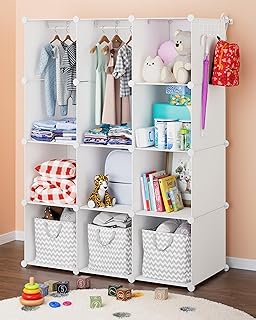
CUBEDIY Baby Closet Organizer for Nursery: Durable Baby
CUBEDIY Baby Closet Organizer for Nursery: Durable Baby Wardrobe for C has been one of the most consistently praised picks in this category. 316 reviewers averaged 4.5/5.
16. Utilize Behind-the-Door Storage Systems

The back of the nursery door is 15 square feet of vertical storage space that most people completely ignore. I ignored it for months until I ran out of drawer space for my baby’s 4-ounce glass bottles and extra pacifiers. I bought the Elfa Utility Door and Wall Rack system from The Container Store. The basic setup costs about $110. It hooks over the top and bottom of the door, so you don’t even have to drill holes into the wood. It comes with adjustable metal mesh baskets. I use the small top baskets for tiny items like nail clippers, tubes of infant Tylenol, and the bulb syringe. I use the deeper bottom baskets for bulky boxes of overnight diapers and extra packs of wipes. The mesh design means I can see exactly where the thermometer is at 2 AM without digging through a dark drawer. It doesn’t interfere with opening the door fully, as long as you keep the items inside relatively flat.
Designing a tiny nursery isn’t about compromising; it’s about measuring ruthlessly and rejecting bulky furniture. I spent $600 on that first oversized crib before I learned my lesson. Stick to the mini cribs, use your vertical wall space, and don’t buy anything that only serves one purpose. If you found these dimensions and product tips helpful, pin this article for later when you’re standing in Target trying to decide if that massive recliner will actually fit in your space. It won’t.
Frequently Asked Questions
What is the best crib size for a small nursery?
A mini crib is the best choice for small spaces. Mini crib mattresses measure 24 by 38 inches, saving about 14 inches of length compared to a standard 28 by 52 inch crib. This frees up vital floor space for walking and opening doors.
How can I fit a changing table in a tiny baby room?
Skip the dedicated changing table. Use a wall-mounted commercial changing station that folds flat, or attach a removable changing pad topper to a 3-drawer dresser. This combines your clothing storage and changing area into one functional footprint.
What colors make a small nursery look bigger?
Earthy, neutral shades like sage green, mushroom taupe, and chalk white reflect natural light and visually expand the room. Avoid dark colors or heavy, maximalist wallpaper patterns, which absorb light and make tight spaces feel claustrophobic.
How do I organize baby clothes without a large closet?
Double your hanging space by installing an adjustable second closet rod. Use over-the-door mesh organizers for diapers and lotions, and slide rigid rolling storage bins into the 6-inch gap under the crib to hold outgrown clothes and extra blankets.
