What’s Inside
- Prioritize Zero-VOC Paints for Walls and Furniture
- Invest in a Certified Organic Crib Mattress
- Select GOTS-Certified Organic Crib Sheets
- Choose Sustainable and Convertible Nursery Furniture
- Incorporate Air-Purifying, Baby-Safe Plants
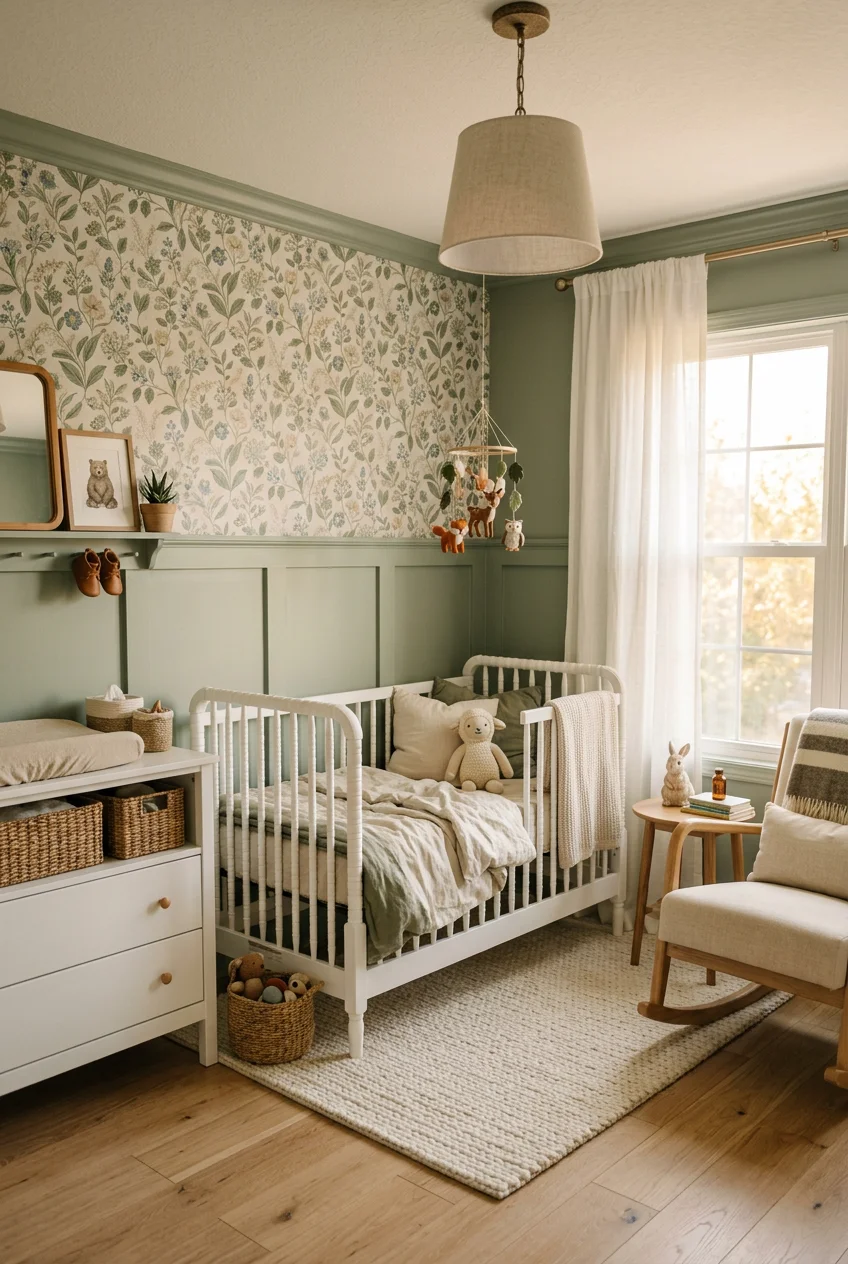
- Embrace Muted Green Tones and Nature-Inspired Themes
- Choose Natural and Recycled Decor Elements
- Opt for Wooden, Non-Toxic Toys
- Use Wool Dryer Balls Instead of Dryer Sheets
- Maximize Natural Light and Energy-Efficient Lighting
- Implement a Strict Shoes-Off Policy
- Choose Organic and Natural Textiles for Curtains
- Avoid Common Nursery Decor Myths About Plants
- Consider a Smart Air Quality Monitor
- Upcycle and Repurpose with Non-Toxic Finishes
- Keep Air Flowing with a True HEPA Purifier
- Build a Green Baby Girl Nursery Wardrobe
- Store Lotions in Glass or Silicone
- Eco-Friendly Waste Management for Diapers
- Choose Compostable or Bamboo Diapers
When I set up my first green baby girl nursery in 2021, I ended up crying on a plastic drop cloth in the guest room. The walls smelled like a chemical plant, and my throat burned from the cheap clearance paint I bought at a local hardware store. I realized quickly that creating a safe space for an infant requires more than just picking a pretty sage color palette from a Pinterest board. It’s about questioning every material you bring into that 10×10 room. If you’re planning a green baby girl nursery right now, skip the generic advice. I’ve spent the last three years consulting on eco-conscious spaces, and I’ve made all the expensive mistakes so you don’t have to. The baby industry is full of greenwashing, where companies slap a leaf logo on a toxic product and charge double. Let’s look at the exact products, measurements, and choices that actually matter for your baby’s health.
1. Prioritize Zero-VOC Paints for Walls and Furniture

Regular paint off-gasses volatile organic compounds for weeks. I learned that the hard way when a client showed me her freshly painted room that still smelled like a chemical factory after a month. Infants are vulnerable to these VOCs, which trigger respiratory issues. You need a true zero-VOC paint. I use the ECOS Paints Lullaby line. It costs $89.95 per gallon, which is steep, but it conforms to ASTM-D4236 for oral toxicity. A single gallon covers up to 560 square feet. If you’re on a tighter budget, Benjamin Moore Natura is $68 per gallon and covers about 400 square feet. The $20 you save isn’t worth the air quality risk. I applied the ECOS paint myself, and it literally has no odor. It’s thick, covers in two coats, and dries in 45 minutes.
2. Invest in a Certified Organic Crib Mattress

The crib mattress is the highest-contact item in your entire house. Your baby spends up to 16 hours a day breathing right next to it. Most standard mattresses contain polyurethane foam, PFAS, and phthalates. I bought a cheap foam one originally and it smelled like a tire shop for three weeks. I ended up throwing it away and buying the Naturepedic Organic Cotton Classic for $299. It’s MADE SAFE and GREENGUARD Gold certified. Instead of toxic chemical waterproofing, it uses a food-grade organic sugarcane coating. It measures standard crib size (27.25 by 51.625 inches) and fits snugly without dangerous gaps. It’s firm, which is exactly what pediatricians recommend for safe sleep. The price tag hurts initially, but considering how much time she spends on it, I’d skip the expensive decor and put the budget here instead.
3. Select GOTS-Certified Organic Crib Sheets

You can’t put a cheap polyester sheet over a $300 organic mattress. Ensure all bedding is made from GOTS certified organic cotton. This certification guarantees no harmful dyes or restricted chemicals were used during manufacturing. I was at Target last Tuesday and noticed how many brands claim to be natural but lack actual certification. I buy Burt’s Bees Baby organic sheets for $22.95 per sheet. They fit a standard 28 by 52-inch mattress perfectly. If you want something thicker, Pottery Barn Kids offers organic options ranging from $14.99 to $39.98. I tried a generic brand first, and it shrunk two inches in the wash, making it impossible to stretch over the mattress corners. The Burt’s Bees sheets maintain their shape after dozens of hot water washes.

Beautiful Wooden Baby Closet Dividers Set of 7
A dependable everyday pick — Beautiful Wooden Baby Closet Dividers Set of 7 – Double-Sided Organize pulls in 11 ratings at 4.5 stars. Not flashy, just solid.
4. Choose Sustainable and Convertible Nursery Furniture

Buying cheap particleboard furniture is a mistake. It chips easily and often contains formaldehyde glues. Opt for furniture made from sustainably sourced wood with non-toxic finishes. Brands like Nestig, Oeuf, and Babyletto offer GREENGUARD Gold certified pieces. I recommend the Nestig 3-in-1 crib. It costs $749 and converts from a mini crib to a full crib, and finally to a toddler bed. It’s handcrafted from natural Brazilian Pine. Boori is another great option. They were the first nursery furniture brand to achieve Greenguard GOLD certification. Their convertible cot beds transform into adult-sized single beds. I bought a cheap non-convertible crib for my first daughter, and we had to throw it out after two years when she outgrew it. Spending more upfront on convertible pieces reduces waste and saves money long-term.
5. Incorporate Air-Purifying, Baby-Safe Plants

Plants naturally filter the air and add a calming aesthetic, but you have to choose carefully. I buy Spider Plants at Trader Joe’s for $5.99 in a 6-inch pot. They are incredibly effective at removing formaldehyde from the air. Parlor Palms are another great option because they are efficient ammonia removers, which is highly beneficial if you’re using cloth diapers. Blue Echeveria is a beautiful succulent that actually produces oxygen at night. You must place plants out of reach of little hands. Even non-toxic plants pose a choking hazard if a baby grabs a handful of leaves or dirt. Also, keep in mind that a single plant’s air purification is localized to a 3-5 foot radius, so I usually place one on a high shelf near the changing table.
6. Embrace Muted Green Tones and Nature-Inspired Themes

Align with 2026 trends by using calming, nature-inspired color palettes. When designing a green baby girl nursery, muted sage and soft moss green are trending as the new neutrals. They create a tranquil feel when paired with light, natural wood furniture. I used Benjamin Moore Natura in the shade Saybrook Sage for a recent project. It costs $68 per gallon and provides a soft, earthy backdrop that doesn’t feel overly feminine or sterile. If you want a bolder approach, deep emerald creates a sophisticated, cocoon-like atmosphere. I tried painting a whole room forest green once, and it looked like a dark cave. If you go dark, stick to a single accent wall behind the crib and keep the other walls a warm, creamy white to reflect natural light.

Criusia Drawer Organizer Clothes
Criusia Drawer Organizer Clothes punches above its price — 11 buyers rated it 4.5 stars. I would buy it again.
7. Choose Natural and Recycled Decor Elements

Decorate with items made from natural materials like rattan, seagrass, and wood. I avoid cheap plastic wall art that ends up in a landfill three years later. I buy woven seagrass baskets at Costco. A pack of three costs $24.99, and they are perfect for storing swaddles and toys. For the floor, I look for rugs made from natural fibers like jute, wool, or recycled cotton. CB2 sells a Recycled Cotton Feather Bottom Rug starting at $89 that adds warmth without introducing synthetic fibers. I also like repurposing old wooden crates into bookshelves. I sanded down three apple crates last month, sealed them with a non-toxic wax, and mounted them to the wall. It’s cost-effective and adds unique character that you won’t find in a big-box store. You might also like: 20 Creative Crib Bedding Ideas to Transform Your Space
8. Opt for Wooden, Non-Toxic Toys

Plastic toys dominate the baby market, but they often contain endocrine-disrupting chemicals. Select wooden toys treated with non-toxic, child-safe paints and oils. Reputable brands include Grimm’s, Grapat, and Plan Toys. I recently bought the Tiny Land Wooden Toy Set for $59.99. It’s an open-ended, FSC-certified wooden toy set that looks beautiful on a nursery shelf. These brands use sustainably harvested wood and water-based stains. I made the mistake of buying a cheap painted wooden block set from a discount site once. When I opened the box, it smelled strongly of chemical solvents, and the paint chipped off when I scratched it with my fingernail. I threw it straight in the trash. Always verify that the wood is sustainably sourced and the finishes are certified food-safe. You might also like: 16 Nursery Paint Colors for Every Budget
9. Use Wool Dryer Balls Instead of Dryer Sheets

Eliminate chemical exposure from laundry by switching to wool dryer balls. Standard dryer sheets coat fabrics in synthetic fragrances and quaternary ammonium compounds, which are terrible for a baby’s sensitive skin. I buy Woolzies brand at Sprouts for $19.99. The box comes with six balls made from 100 percent natural New Zealand wool. They are completely chemical-free and actually reduce drying time by 20-40 percent. You just toss three to six balls into the dryer with the wet clothes. They soften fabrics mechanically by bouncing around and separating the garments. I tried using just one ball initially and noticed zero difference. You really need at least four balls in a standard load to eliminate static and soften the organic cotton crib sheets properly. You might also like: 20 Baby Boy Room Decor Ideas Worth Trying

Criusia Over the Door Organizer
Criusia Over the Door Organizer has been one of the most consistently praised picks in this category. 231 reviewers averaged 4.5/5.
10. Maximize Natural Light and Energy-Efficient Lighting

Utilize natural light as much as possible and install energy-efficient LED bulbs to reduce energy consumption. Standard incandescent bulbs run hot and waste a massive amount of electricity. I use Philips Hue Smart LED bulbs, which cost $44.99 each. They output 800 lumens but use a fraction of the wattage of traditional bulbs. The real benefit is the smart control. You can set them on timers or control them remotely from your phone. When I’m holding a sleeping baby in a dark room, I can’t reach over to turn off a lamp switch without waking her. With the smart bulb, I just tap my phone screen to slowly dim the lights to zero over a 15-minute period. It saves electricity and saves my sanity during bedtime routines.
11. Implement a Strict Shoes-Off Policy

Enforce a shoes-off rule in the nursery and throughout the home. This significantly reduces the amount of lead dust, pesticides, and outdoor pollutants tracked inside. According to the EPA, studies show that taking off shoes can reduce lead dust in your home by 60 percent. I keep a Ruggable washable runner ($119) right at the front door as a visual cue for guests to remove their footwear. I used to let people walk into the nursery with their street shoes just to peek at the baby. Then I realized they were tracking parking lot oils and lawn chemicals right onto the rug where my infant does tummy time. Now, I’m absolutely ruthless about it. If you’re coming into the baby’s room, the shoes stay in the hallway.
12. Choose Organic and Natural Textiles for Curtains

Extend your commitment to organic materials beyond bedding to your window treatments. Standard blackout curtains are often backed with PVC (polyvinyl chloride), which can off-gas toxic phthalates when heated by direct sunlight. I learned this when a cheap curtain panel I bought literally melted and stuck to my windowpane during a July heatwave. Look for curtains made from organic cotton or linen. Pottery Barn Kids sells an Organic Cotton Blackout Curtain panel for $89. Instead of a toxic plastic backing, they use a tightly woven, safe fabric liner to block the light. They measure 44 by 84 inches and hang beautifully. They cost more than the synthetic options, but you aren’t baking plastic chemicals into the nursery air every afternoon.
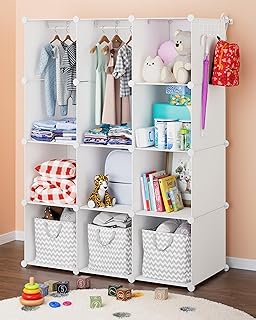
CUBEDIY Baby Closet Organizer for Nursery: Durable Baby
A dependable everyday pick — CUBEDIY Baby Closet Organizer for Nursery: Durable Baby Wardrobe for C pulls in 316 ratings at 4.5 stars. Not flashy, just solid.
13. Avoid Common Nursery Decor Myths About Plants

Be aware that some commonly suggested nursery-safe plants are actually highly toxic to infants. Despite widespread online claims, Peace Lilies, Pothos, and Snake Plants are not safe for a baby’s room. They contain calcium oxalate crystals that cause severe oral swelling and respiratory distress if ingested by infants. I almost bought a beautiful Peace Lily at Kroger for $12 to put on a low plant stand. Thankfully, I checked the ASPCA toxic plant list while waiting in the checkout line. I put it right back on the shelf. If a leaf falls on the floor and your crawling baby puts it in her mouth, it’s an immediate trip to the emergency room. Always verify plant toxicity with reliable veterinary or pediatric sources before bringing greenery indoors.
14. Consider a Smart Air Quality Monitor

For an extra layer of reassurance, use a smart air quality monitor to track VOCs and other pollutants in real-time. The trend towards calm tech nurseries means integrating devices that blend into the decor without looking like a science lab. I use the Awair Element, which retails for $299. It tracks VOCs, temperature, humidity, and carbon dioxide levels. It has a beautiful wood grain finish that looks like a small speaker on the bookshelf. I bought it after we installed new carpet in the hallway, and the monitor immediately flagged a massive spike in VOCs. We kept the nursery door closed and ran a purifier until the levels dropped. It gives you hard data so you aren’t just guessing about the air quality in the room.
15. Upcycle and Repurpose with Non-Toxic Finishes

Give new life to old furniture by upcycling items with non-toxic, zero-VOC finishes. I bought an old, scratched solid oak dresser on Facebook Marketplace for $40. Instead of buying a new $500 particleboard changing table, I sanded the dresser down and painted it with ECOS Lullaby paint. A quart costs $35, which was plenty for a six-drawer dresser. I swapped out the rusty handles for brass knobs I found at a local hardware store. It’s a budget-friendly and sustainable approach that allows for personalization without introducing harmful chemicals. Just make sure any vintage furniture you buy was made after 1978 to avoid lead paint risks. I always test old pieces with a $15 3M LeadCheck swab before I bring them into my garage to sand.

JolyWell Night Light for Kids
JolyWell Night Light for Kids has been one of the most consistently praised picks in this category. 51 reviewers averaged 4.5/5.
16. Keep Air Flowing with a True HEPA Purifier

Even with zero-VOC paints and organic mattresses, indoor air can get stale. I keep a HEPA air purifier running continuously to capture dust, pet dander, and any residual off-gassing. I bought the Levoit Core 300 at Walmart for $99.99. It uses a true HEPA filter, not a cheaper HEPA-type filter. It measures about 14 inches tall and fits perfectly in the corner next to the rocking chair. I run it on the lowest setting, which acts as a gentle white noise machine for the baby. I made the mistake of buying an ozone-generating purifier years ago, not realizing ozone is actually a lung irritant for infants. Always check that your purifier is 100 percent ozone-free and relies purely on mechanical HEPA filtration.
17. Build a Green Baby Girl Nursery Wardrobe

A green baby girl nursery isn’t just about the furniture; it includes what goes inside the closet. Conventional cotton is heavily treated with pesticides, and cheap baby clothes often use synthetic dyes containing heavy metals. I stock the closet with GOTS-certified organic cotton clothing. Monica and Andy is a fantastic brand. Their basic long-sleeve onesies cost $26 each. They use lead-free snaps and wash incredibly well. I bought a pack of cheap polyester onesies once, and they caused a terrible red contact rash on my daughter’s stomach. Since switching entirely to organic cotton, her skin has been completely clear. You don’t need fifty outfits. Ten high-quality organic onesies will serve you much better than a closet full of cheap, synthetic fast fashion.
18. Store Lotions in Glass or Silicone

Plastic lotion bottles can leach microplastics and phthalates into the skincare products you rub directly onto your baby. I transfer bulk organic lotions into glass pump bottles or food-grade silicone squeeze tubes. For the actual product, I buy Pipette Baby Lotion at Whole Foods. It costs $9.49 for a 5.7-ounce tube. It uses plant-derived squalane instead of petroleum-based mineral oil. I keep a glass pump bottle of it right on the changing table. I used to use a popular drugstore baby lotion until I read the back and realized the first three ingredients were water, mineral oil, and synthetic fragrance. The Pipette lotion absorbs instantly and doesn’t leave a greasy residue on the organic crib sheets when I put her down for a nap.
19. Eco-Friendly Waste Management for Diapers

Diaper pails are notorious for trapping horrible smells, and plastic pails actually absorb the odors over time. I use the Ubbi Steel Diaper Pail, which costs $79.99. Because it’s made of powder-coated steel, it does not absorb smells like plastic alternatives. The best part is that it doesn’t require expensive, proprietary plastic bag refills. You can use standard tall kitchen bags or reusable cloth pail liners. I tried a plastic diaper genie first, and after six months, the plastic itself smelled like a dirty diaper even when it was completely empty and bleached. The Ubbi is heavier and more expensive, but it completely locks in the odor. I wipe the steel interior down with white vinegar once a month, and it stays perfectly fresh.
20. Choose Compostable or Bamboo Diapers

If you aren’t ready to commit to cloth diapering, bamboo or compostable diapers are the next best choice for an eco-conscious nursery. Standard disposable diapers are made from petroleum-based plastics and wood pulp bleached with chlorine. I use Coterie Bamboo Diapers. A monthly subscription costs $90. They are free from fragrances, lotions, latex, and heavy metals. They are incredibly soft, almost feeling like actual fabric, and they hold up to 70 percent more liquid than standard brands. I tried a cheaper natural brand from the grocery store, and the tabs ripped off every time I tried to fasten them tightly. Coterie diapers are expensive, but I’ve never had a blowout in them, which saves me from having to treat stains on expensive organic clothing.
Creating a non-toxic environment takes a bit more research and a slightly larger upfront investment, but the peace of mind is absolutely worth it. You don’t have to do it all perfectly on day one. Start with the crib mattress and the zero-VOC paint, because those two elements impact indoor air quality the most, and build from there. I know how overwhelming it feels when you’re pregnant and trying to decode chemical names on a label. If you’re currently planning your space, I’d highly recommend pinning this list so you can reference the exact brand names, certifications, and prices when you’re out shopping. Let’s make sure your baby’s room is just as healthy as it is beautiful. Don’t let the greenwashing fool you, stick to the certified materials and you’ll do great.
Frequently Asked Questions
What is a green baby girl nursery?
A green nursery focuses on minimizing exposure to harmful chemicals by prioritizing zero-VOC paints, organic textiles, and non-toxic furniture. It blends eco-friendly materials with calming, nature-inspired design elements.
Are all houseplants safe for a baby’s room?
No. Common plants like Peace Lilies and Pothos contain calcium oxalate crystals that are toxic to infants if ingested. Always verify plant safety with the ASPCA before placing them in a nursery.
Do I really need an organic crib mattress?
Yes. Standard mattresses often contain polyurethane foam that off-gasses harmful chemicals. An organic, GREENGUARD Gold certified mattress ensures your baby isn’t breathing in VOCs during sleep.
What is the best zero-VOC paint for nurseries?
ECOS Paints Lullaby line is highly rated because it is 100% zero-VOC and conforms to oral toxicity standards. Benjamin Moore Natura is also a great, slightly more affordable zero-VOC alternative.
