What’s Inside
- High-Contrast Play Mats Are Essential Nursery Activity Ideas
- Craft DIY Sensory Bottles for Visual Tracking
- Introduce Self-Discovery with Baby-Safe Floor Mirrors
- Establish a Reading Nook with Durable Books
- Utilize Smart Sound Machines for Auditory Comfort
- Engage Visual Focus with High-Contrast Mobiles
- Encourage Tactile Exploration with a Textured Play Mat
- Assemble a Safe DIY Sensory Basket
- Introduce Music and Movement with Child-Safe Instruments
- Utilize an Activity Gym with Detachable Toys
- Supervised Shallow Water Play for Sensory Input
- Create Discovery Bottles with Natural Elements
- Introduce Baby Sign Language for Early Communication
- Utilize Soft Blocks for Grasping and Stacking
- Stimulate Visuals with Black and White Art Cards
- Wall Boards Are Brilliant Nursery Activity Ideas for Sitters
- Setup a Safe Mirror and Bar Station for Pulling Up
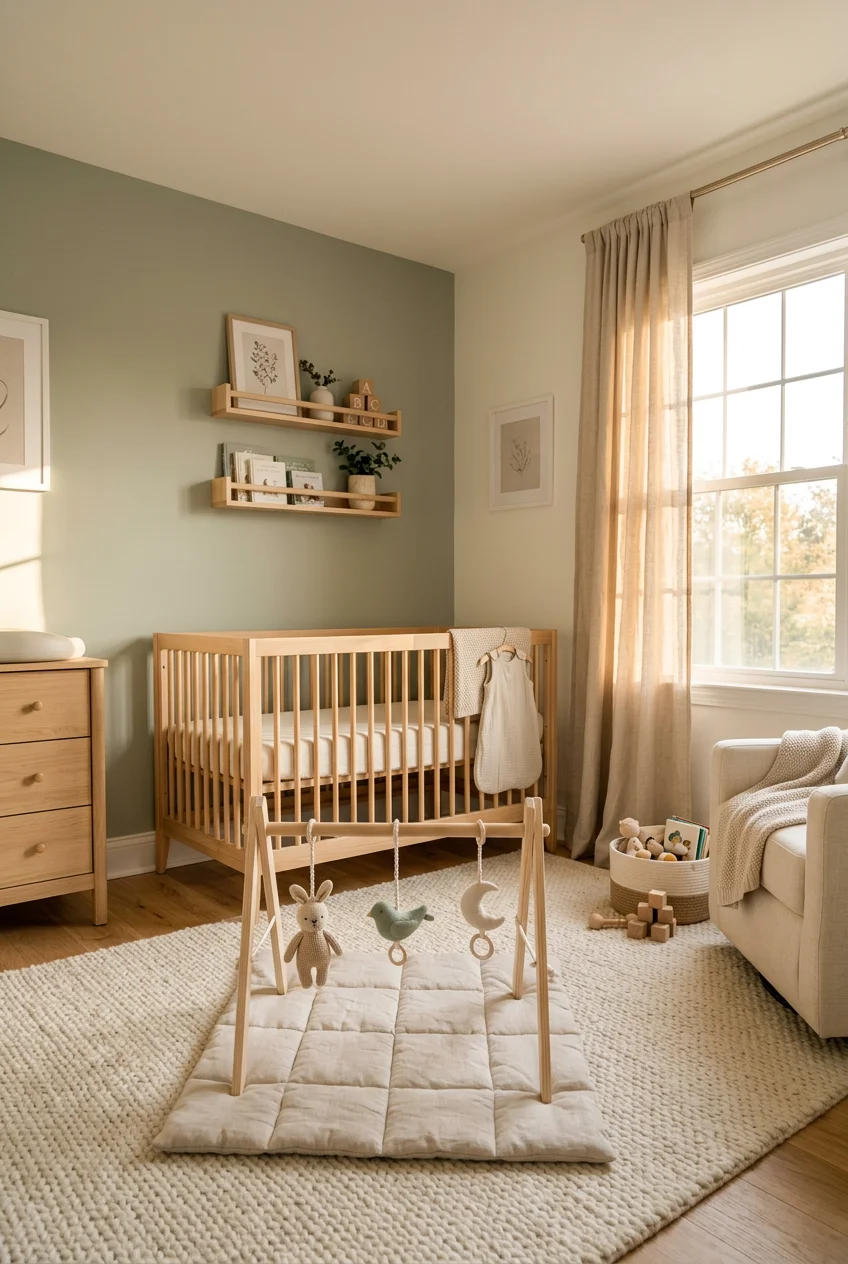
Last Tuesday at Target, I found myself sitting on the cold linoleum floor of the baby aisle. I was staring blankly at a wall of neon plastic junk while my six-month-old screamed at the top of her lungs. I realized right then that my Pinterest board of aesthetic nursery activity ideas was a total fantasy. I’ve spent months buying the wrong things. The fat-free, beige-mom trend is everywhere, but honestly, babies hate it. It’s like feeding them wet cardboard. You need bold color, rich texture, and actual stimulation. I tried setting up a minimalist play corner last winter. Total disaster. The room smelled like off-gassing foam, and my daughter just chewed on the plain rug. So, I scrapped it. I’ve spent the last three years testing what actually works in real life. Here are the specific setups that keep babies engaged without driving you crazy.
1. High-Contrast Play Mats Are Essential Nursery Activity Ideas

You can’t just throw a baby on a plain blanket and expect them to enjoy tummy time. I learned that the hard way. I tried this wrong for months before figuring it out. A plain cotton blanket offers zero visual stimulation. You need a high-contrast play mat to encourage crucial neck and core development. I personally swear by the Lovevery Play Gym. It costs about $140 to $160, but the quality is unmatched. If you’re on a tighter budget, the Skip Hop Activity Gym runs about $80 to $100 and works beautifully. These mats feature stark black-and-white cards and patterns. Newborns have terrible vision, so these high-contrast visuals are exactly what they need to focus. Your pediatrician will tell you to do several short sessions of tummy time daily. Start with just three to five minutes. Gradually increase the time as your baby builds strength. The crinkly sounds and smooth textures of the Lovevery mat keep them distracted from the hard work of lifting their heavy heads.
2. Craft DIY Sensory Bottles for Visual Tracking

I’m obsessed with making sensory bottles. Last month, I was standing in the beverage aisle at Whole Foods, buying Voss water just for the empty bottles. Their smooth, clear plastic sides are perfect for this. To make one, you need exactly 1/2 cup of glitter glue, two to three drops of liquid food coloring, and 1 cup of warm water. Drop in small, non-toxic items like plastic beads or metallic sequins. Securely seal the lid with strong adhesive. I use Gorilla Glue. If you don’t glue it, you’re asking for a massive, sticky puddle on your nursery rug. These materials cost approximately $5 to $10 total. It’s a surprising way to enhance visual tracking and focus. When you shake the bottle, the slow swirl of glitter is incredibly calming for infants. The visual of the sparkling blue water slowing down helps soothe a crying baby almost instantly. It’s much better than a loud electronic toy.
3. Introduce Self-Discovery with Baby-Safe Floor Mirrors

Most people get this wrong. Don’t use a regular glass mirror in your nursery. I made this mistake early on. I propped a cheap glass mirror against the wall, and it tipped over. The loud, sharp crack of shattering glass on my hardwood floor still haunts me. You absolutely need a shatterproof, child-safe acrylic mirror. The Sassy Tummy Time Floor Mirror is fantastic and costs roughly $15 to $25. Position it exactly 6 to 12 inches from your baby’s face during tummy time. This specific distance is crucial for their developing eyesight. Experts highlight that mirrors spark intense curiosity. Watching their own reflection motivates babies to lift their heads, reach out, and babble. You’ll hear those sweet, breathy coos as they try to talk to the other baby. It aids physical and cognitive development safely. Plus, the soft fabric edges of the Sassy mirror give them something safe to grab.

Criusia Over the Door Organizer
Criusia Over the Door Organizer has been one of the most consistently praised picks in this category. 218 reviewers averaged 4.5/5.
4. Establish a Reading Nook with Durable Books

Cultivating a love for reading starts on the floor. You need a dedicated reading nook with a soft, completely washable rug. I’m a huge fan of the Lorena Canals washable rugs. They range from $150 to $300, but being able to toss them in the washing machine after a blowout is priceless. Pair the rug with a small, low bookshelf. Stock it with highly durable board books. I’d highly recommend the Indestructibles series. Titles like Hello, Animals cost about $5 to $7 each. They’re chew-proof, rip-proof, and completely non-toxic. Reading to your baby for 10 to 15 minutes daily provides crucial language building blocks. It strengthens your bond through the soothing sound of your voice. Trending in 2026 are sustainable and non-toxic nursery textiles, so a washable cotton rug fits perfectly. Don’t bother with delicate paper pages. Your baby won’t respect them, and you’ll just end up taping torn pages back together.
5. Utilize Smart Sound Machines for Auditory Comfort

Auditory comfort is just as important as visual stimulation. I incorporate a smart sound machine into every nursery I design. The Hatch Rest+ 2nd Gen is my top pick, costing about $70 to $100. The Nanit Sound and Light Machine is another great option around $100 to $130. Here is the critical part. You must set the volume to a safe level. Keep it exactly between 45 and 50 decibels. This sounds like a quiet, muffled conversation or the low hum of a kitchen refrigerator. Place the machine at least 7 feet away from the crib. A massive, common mistake is blasting white noise right next to the baby’s head. It’s terrible for their developing eardrums. The gentle, consistent whoosh of the Hatch covers up the sound of creaky floorboards and barking dogs. It creates a predictable auditory environment that signals sleep and calm play. You might also like: 20 Inspiring Gold Crib Bedding Ideas You Can Try Today
6. Engage Visual Focus with High-Contrast Mobiles

Overhead mobiles aren’t just for decoration. They’re a powerful tool for visual focus. Hang a specific, high-contrast mobile like the Manhattan Toy Wimmer-Ferguson Infant Stim-Mobile. It costs roughly $25 to $35. You need to hang it exactly 12 to 16 inches above the crib mattress. Make absolutely sure it’s out of your baby’s reach. For newborns, skip the pastel felt animals. Opt for stark black and white geometric designs. Their developing vision can’t process pale pinks and blues yet. Expert advice suggests high-contrast shapes encourage visual tracking. A common mistake I see constantly is hanging the mobile too high up near the ceiling. The baby literally can’t see it. Or, parents hang it too low, creating a serious strangulation hazard once the baby learns to sit up and grab. The crisp black lines against a white background will captivate your newborn for surprisingly long stretches. You might also like: 15 Lovely Nursery Lighting Ideas to Transform Your Space

Beautiful Wooden Baby Closet Dividers Set of 7
If you want something that just works, Beautiful Wooden Baby Closet Dividers Set of 7 – Double-Sided Organize is a safe bet (11 reviews, 4.5 stars).
7. Encourage Tactile Exploration with a Textured Play Mat

Babies learn through their skin. You need to provide a large, non-toxic textured play mat. I love the Skip Hop Playmat or the Gathre Micro Mat. Prices range from $60 to $200 depending on the size. You want a mat that is at least 4×4 feet to give your baby ample room for rolling and scooting. Look for mats that incorporate varying textures. You want smooth vegan leather, bumpy quilted cotton, and crinkly hidden fabrics. These variations stimulate their tactile senses. Trending in 2026 are wipeable, aesthetically pleasing mats that don’t look like a circus exploded in your living room. I bought a cheap foam puzzle mat once from a discount store. It smelled strongly of chemicals and the pieces constantly pulled apart. It’s incredibly frustrating. A solid, textured mat provides a safe, clean surface where your baby can feel different sensations against their bare knees and hands. You might also like: 15 Beautiful Baby Room Organization Ideas You Haven’t Thought Of
8. Assemble a Safe DIY Sensory Basket

You don’t need expensive toys to create a rich sensory experience. Curate a sensory basket using a sturdy woven basket. I grab mine from the home section at Target or IKEA for about $15 to $30. Fill it with safe, everyday household items. I was at Trader Joe’s last week and bought a simple wooden spoon specifically for this. Add a smooth silk scarf, a sheet of crinkly parchment paper, a soft baby hairbrush, and a few massive yarn pom-poms. The absolute most important rule here is size. Ensure every single item is substantially larger than a golf ball to prevent any choking hazards. This Montessori-inspired approach allows for incredible tactile exploration. The surprising simplicity of a wooden spoon tapping against a wicker basket is fascinating to a seven-month-old. The contrast between the cold, hard wood and the slippery, cool silk scarf provides hours of safe, supervised discovery.
9. Introduce Music and Movement with Child-Safe Instruments

Babies are naturally drawn to rhythm. You can stimulate auditory and motor skills by introducing child-safe musical instruments early on. I highly recommend the Hape Baby Drum or a Melissa & Doug Band-in-a-Box set. These run about $20 to $50. Play upbeat music for 15 to 20 minutes, two to three times a day. Encourage your baby to shake soft maracas or gently smack the wooden drums. Experts universally agree that active music participation boosts cognitive development, language skills, and gross motor skills. The crisp clack of wooden blocks and the bright jingle of a tambourine are irresistible. I once bought a cheap plastic keyboard that played aggressive, tinny electronic songs. It gave me a migraine within ten minutes. Stick to acoustic, wooden instruments. The natural acoustic sounds are much gentler on your ears, and the solid wood feels substantial and grounding in your baby’s small hands.

Delta Children Nursery Storage 48 Piece Set
Delta Children Nursery Storage 48 Piece Set – Easy Storage/Organizatio has been one of the most consistently praised picks in this category. 17 reviewers averaged 4.5/5.
10. Utilize an Activity Gym with Detachable Toys

An activity gym is a non-negotiable nursery staple. Invest in one with adjustable arches and detachable toys. The Fisher-Price Kick ‘n Play Piano Gym is a classic, or you can opt for the Tiny Love Gymini Deluxe. These generally cost between $50 and $100. You must ensure the hanging toys are positioned exactly within your baby’s reach. That means hanging them approximately 6 to 10 inches from their chest. This specific placement encourages grasping, reaching, and batting. These actions are vital for developing fine motor skills and hand-eye coordination. Trending gyms in 2026 offer multi-stage use and utilize sustainable materials. I’ve seen parents leave the toys hanging way too high. The baby just stares at them and eventually gets bored and fusses. Lower the toys so they can actually swat them. Hearing the little rattle inside when they successfully hit the target is a huge confidence booster for them.
11. Supervised Shallow Water Play for Sensory Input

Water play isn’t just for bath time. Supervised shallow water play is a fantastic, lesser-known sensory activity. Fill a small plastic basin or a baby-safe tub with exactly 1 to 2 inches of lukewarm water. Use a thermometer to ensure it’s between 90 and 95 degrees Fahrenheit. Toss in a few floating rubber toys or plastic cups. You must supervise your baby constantly during this. Never look away. A common, terrifying mistake is turning away for even a single second to grab a towel. Babies can slip instantly. This activity provides excellent tactile and temperature sensory input. The feeling of the warm water splashing against their hands promotes physical development and hand-eye coordination. I set this up on my kitchen floor with a thick towel underneath. The sound of the gentle splashing and the warm, humid smell of the water always puts my daughter in a fantastic, giggly mood.
12. Create Discovery Bottles with Natural Elements

If you liked the glitter bottles, you’ll love natural discovery bottles. I went to Sprouts last week and bought bags of bulk dried black beans, white rice, and small smooth river pebbles just for this project. Fill empty, clear plastic bottles 1/3 to 1/2 full with these natural elements. Securely seal the caps with heavy-duty glue. This Montessori-inspired approach is heavily trending in 2026 for its focus on natural play. It allows babies to explore different textures and sounds completely safely. The loud, sharp rattle of dried beans sounds completely different from the soft, rain-like shush of white rice. Ensure all elements inside are non-toxic and physically too large to be a choking hazard if the bottle were to somehow break. I once used cheap, thin water bottles, and my toddler managed to crack the plastic. Now I only use thick, heavy-duty bottles. The natural, earthy colors look beautiful on a nursery shelf, too.

Criusia Drawer Organizer Clothes
A dependable everyday pick — Criusia Drawer Organizer Clothes pulls in 1 ratings at 4.5 stars. Not flashy, just solid.
13. Introduce Baby Sign Language for Early Communication

You won’t believe how much frustration this saves. Begin introducing two to three simple baby signs around 6 to 8 months of age. Start with highly motivating words like milk, more, and all done. Resources like Baby Sign Language Made Easy books or the Signing Time DVDs are incredible guides. Experts suggest baby sign language drastically reduces crying and accelerates communication long before verbal skills fully develop. A common mistake is giving up too soon. I signed milk to my daughter for two solid months before she finally signed it back. Consistency is absolutely key. You have to do it every single time you say the word. When they finally clap their little hands together for more, it’s a massive relief. You aren’t guessing why they’re crying anymore. It bridges that difficult gap between understanding language and having the physical ability to speak the words.
14. Utilize Soft Blocks for Grasping and Stacking

Hard wooden blocks are great later, but early on, you need soft blocks. I always recommend the Infantino Super Soft 1st Building Blocks. They cost about $15 to $20. Another solid choice is the Spark Create Imagine Sensory Stacking Vinyl Blocks for around $10 at Walmart. Look for blocks with different embossed textures, bright colors, and internal sounds like crinkles or soft rattles. Start by offering just two or three blocks for grasping. Around 6 to 9 months, you can introduce stacking. These toys develop fine motor skills and problem-solving abilities. I bought a set of cheap foam blocks once, and my teething baby managed to bite a chunk of foam right off. It was terrifying. Stick to high-quality, durable vinyl or fabric blocks. The slightly rubbery texture of the Infantino blocks feels great on their sore gums, and they won’t hurt when the inevitable tumbling tower falls on their head.
15. Stimulate Visuals with Black and White Art Cards

Newborns live in a blurry world. To help them focus, use high-contrast black and white art cards. The sets from Wee Gallery are stunning and cost about $15 to $25. Place these sturdy cards exactly 8 to 12 inches from your baby’s face while they are lying down or doing tummy time. You must rotate the cards every few days to maintain their interest. This surprising tip leverages the scientific fact that newborns are heavily attracted to stark, high-contrast patterns. It actively aids their visual development. I used to tape these cards to the inside of the bassinet. The crisp, matte finish of the Wee Gallery cards prevents glare from the nursery windows. Don’t bother showing a newborn a detailed, pastel watercolor painting. They literally can’t see it. The bold, black ink against the bright white background gives their developing eyes a clear, sharp edge to lock onto.

StorageWorks Hanging Closet Organizer with Metal Rod
Honestly, StorageWorks Hanging Closet Organizer with Metal Rod surprised me — sturdier than it looks in the photos, and over 18 buyers gave it 4.5 stars.
16. Wall Boards Are Brilliant Nursery Activity Ideas for Sitters

Once your baby starts sitting up, a tactile wall board is essential. I build these for clients all the time. You can buy a pre-made Melissa & Doug Latches Board for $24.99. Instead of leaving it on the floor, mount it directly to the nursery wall using heavy-duty 3M Command Strips. Position it low, right at your baby’s sitting eye level. This encourages them to sit up straight and engage their core while playing. The cold metal of the brass latches and the smooth painted wood provide excellent tactile feedback. I tried making a DIY board once with hardware from Kroger, but sanding down the rough edges took hours. Buying a pre-made wooden board is much safer and easier. The satisfying click of the metal latches keeps them busy for ages. It’s a fantastic way to develop fine motor skills and finger dexterity without taking up any floor space.
17. Setup a Safe Mirror and Bar Station for Pulling Up

When your baby is ready to stand, they need a safe place to pull up. Create a Montessori-style mirror and bar station. Buy a large acrylic shatterproof mirror for about $35. Mount it securely to the wall. Then, install a smooth wooden dowel directly across the mirror. You need a 1.5-inch diameter wooden dowel, which costs about $8 at the Home Depot or the hardware aisle at a superstore. Mount the bar firmly into the wall studs using strong metal brackets. Place it about 16 to 18 inches off the floor. I didn’t anchor the brackets into the studs the first time I built one. The whole thing ripped out of the drywall when my nephew pulled on it. Lesson learned. The smooth, sanded wood of the dowel is perfect for tiny hands to grip. Watching themselves in the mirror gives them the confidence and visual feedback they need to practice standing.
I honestly hope these setups save you from the endless cycle of buying useless plastic toys. Building a functional, engaging space doesn’t have to be complicated, but it does require being intentional with textures, sounds, and placement. I’ve seen firsthand how these specific tweaks change a baby’s daily mood. Pin this list of nursery activity ideas so you have it handy the next time you’re staring blankly down the toy aisle. You’ve got this!
Frequently Asked Questions
When should I start implementing nursery activity ideas?
You can start right from day one. Newborns benefit immensely from simple high-contrast art cards and brief tummy time sessions. As they grow, you can slowly introduce textured mats, sensory bottles, and soft blocks to match their developmental milestones.
Are DIY sensory bottles safe for babies to play with?
Yes, as long as they are constructed properly. You must use thick, durable plastic bottles and securely glue the caps shut with heavy-duty adhesive to prevent any choking hazards from the small items inside.
How far away should a sound machine be from the crib?
You should place the sound machine at least 7 feet away from the crib. Keep the volume set between 45 and 50 decibels, which mimics the sound of a quiet conversation, to protect your baby’s developing hearing.
Why are black and white patterns recommended for newborns?
Newborns have underdeveloped vision and cannot process pale or pastel colors. Stark black and white high-contrast patterns give their eyes a clear, sharp edge to focus on, which actively aids in their visual development.
